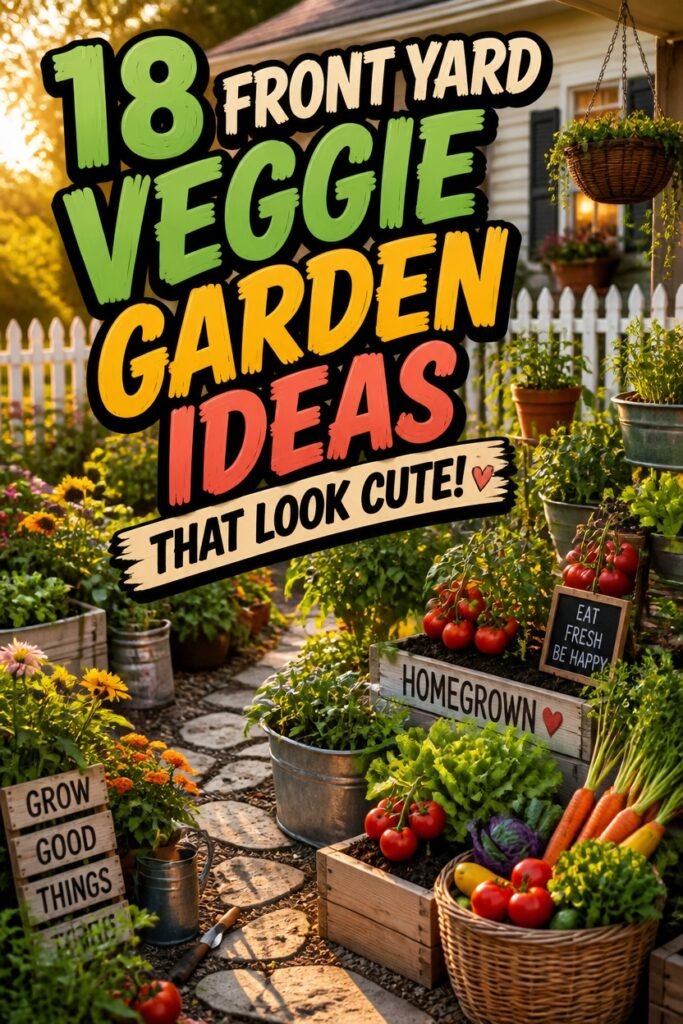
Tall grass sways in the breeze. A front yard sits unused. It’s just sitting there, waiting.
That patch of green could become something alive. Imagine stepping outside for dinner ingredients. Tomatoes ripening by the porch. Herbs scenting the summer air. It feels like a small revolution. Your neighbors might even stop to chat.
Raised beds help if the soil is stubborn. Containers work for tiny spaces and stubborn landlords. Trellises turn plain walls into green art. Each option solves a different puzzle. Match the method to your life, not someone else’s Instagram.
Some folks worry vegetables look messy. They don’t have to. neat rows of lettuce read as landscaping. Rainbow chard pops like flowers. A little planning goes a long way. The result feeds both eyes and stomach.
So where do you begin? Walk outside and stare at that grass. Notice the sun patterns. Feel the space. Your future garden is already there. It just needs permission to grow.
Assess Your Space: Sunlight, Drainage, and Yard Layout
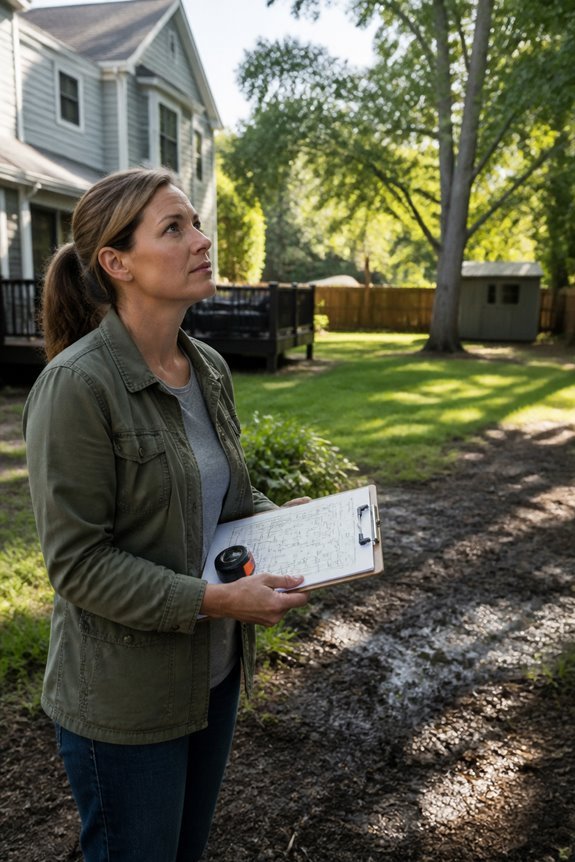
You know how you scout the perfect spot for your morning coffee? Your vegetables need that same energy.
Start with sunlight. Most veggies want six to eight hours of direct sun daily. Less than that and you will be watching sad, leggy plants reaching for any ray they can find. Grab a coffee, sit outside, and note where the sun hits your yard throughout the day.
Now check your drainage. After a good rain, walk your yard. Do you see puddles hanging around hours later? Soggy soil rots roots fast. If water pools, you will need raised beds or a different spot entirely. Finally, measure your space. A sunny patch near your house looks intentional, not like you forgot to mow. Plus, you will actually visit it.
Also read: 28+ FRONT YARD PLANTS THAT LOOK RIDICULOUSLY GOOD
Choose the Right Garden Style for Your Yard
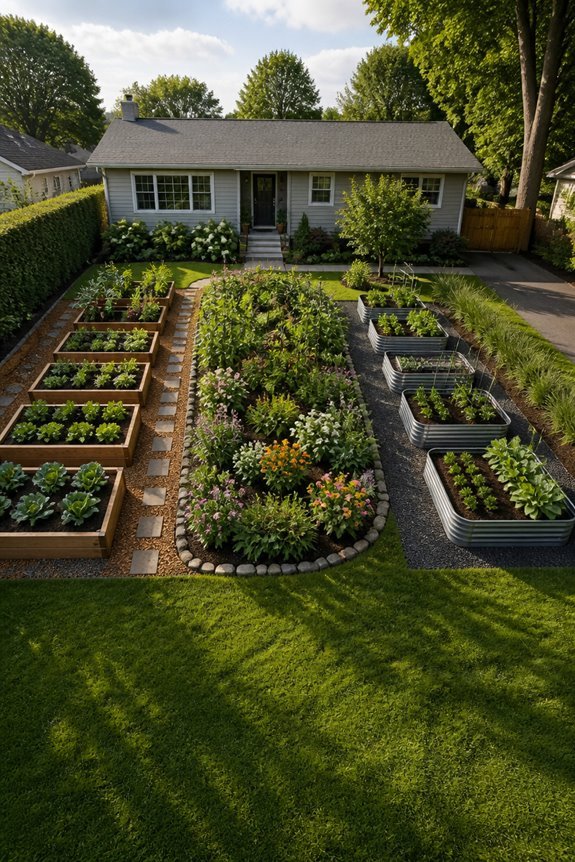
What’s your natural state? Do you feel calm when things are in their place, or does a little chaos energize you? Your garden should match that truth.
Raised beds might be calling your name if you love straight lines and knowing exactly where each plant lives. They’re forgiving too. You control the soil, the drainage, everything. Container gardens work better for free spirits. Your tomatoes hang out by the door one year. Next year, they move to the sunny corner. No rules, no stress.
Cottage gardens overflow with flowers that reseed themselves. Crowds don’t bother them. Formal gardens ask more of you. Symmetry means catching problems early, keeping edges sharp, staying attentive. Neither style judges you. But one will drain you while the other fills your cup.
Look hard at your actual habits, not your fantasy self. The garden you neglect is the one that feels like a costume. Pick what feels like coming home.
Raised Beds With Colorful Vegetables
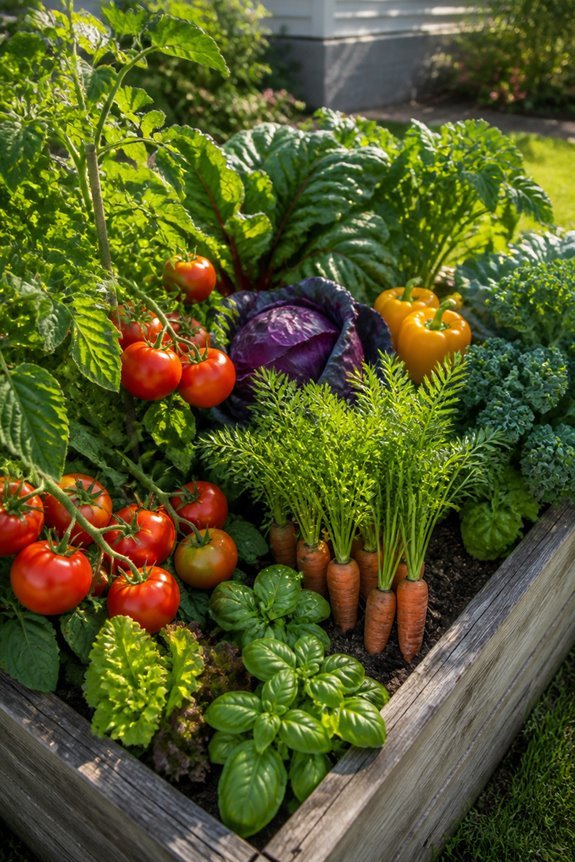
Ever bent over your garden for so long that your back staged a full protest? Raised beds are your answer. Think of them as custom real estate for your vegetables. You get sturdy wooden boxes around 4×8 feet. You plant tomatoes, peppers, and lettuce. You skip the pain entirely.
Here is where it gets fun. You can mix crops by color. Try bright red tomatoes beside sunny yellow squash. Add deep purple cabbage nearby. Your garden becomes a living patchwork quilt. Passersby will actually slow down to stare. The soil warms faster in spring too. That means earlier harvests for you. Pests and weeds stay mostly under control. No more losing lunch to hungry rabbits. Your rows stay neat and charming. Even the neighbors get jealous.
Container Gardens on Your Porch or Walkway
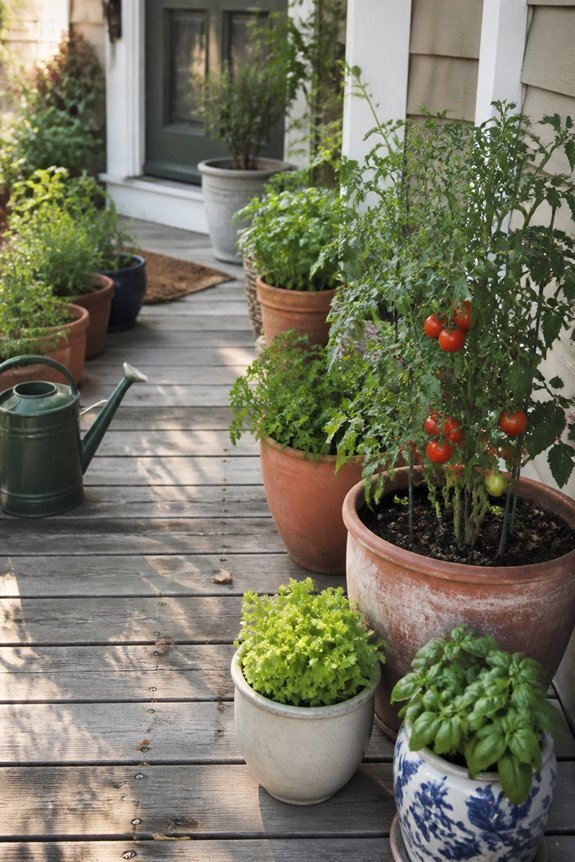
Not everyone has room for a sprawling backyard garden. Maybe your knees aren’t what they used to be either. Container gardening solves both problems in one go.
You can start with almost anything. Five-gallon buckets work great. So do ceramic pots or those fabric planters popping up everywhere. Line them along your porch or walkway where you’ll see them daily. Tomatoes, peppers, and herbs all love containers. Just check for drainage holes first. Without them, you’re growing soup, not plants. Paint your buckets red or yellow if you want extra cheer. Your neighbors might start asking questions. Position tall plants like cherry tomatoes in back, shorter lettuce up front. Water every single day. Containers dry out fast, especially in summer heat. Mix potting soil with compost for the best results. Your plants get fed, and you get to skip most of the bending. Your back and knees will notice the difference immediately.
Tiered Garden Boxes for Striking Visual Appeal
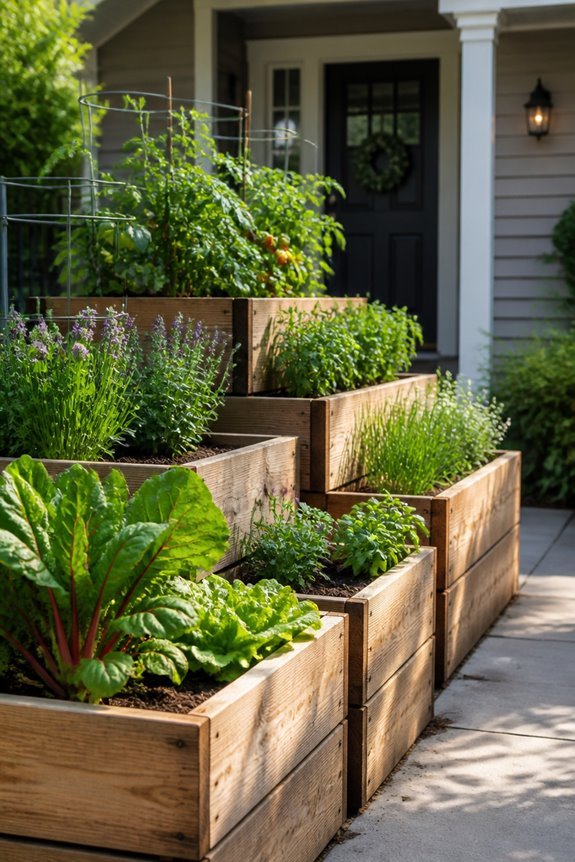
Running out of room for vegetables? Tiered garden boxes solve that fast.
You stack three wooden boxes in different sizes. Try 24 inches, 18 inches, and 12 inches wide. The result looks like a natural pyramid. It saves space. It looks intentional. Your plants get layered sunlight instead of fighting for it.
You will bend less when picking tomatoes. Your back will thank you. Paint the boxes brown for an earthy feel. Or go white for something brighter. Either way, your yard looks pulled together. Neighbors might actually ask for your secret.
Grow Vegetables Vertically to Save Space
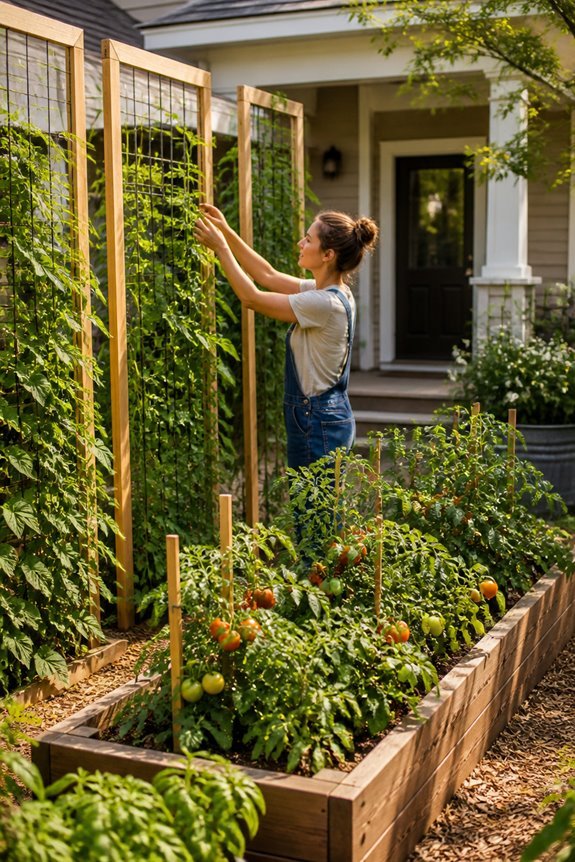
Ever feel like your yard is shrinking? You’re not alone. Most of us want fresh vegetables without surrendering our entire lawn to tomato vines. That’s where vertical growing changes everything. You stop spreading out. You start growing up.
Grab a few bamboo poles and wrap them with twine. Your climbing beans will latch on within days. Tomatoes love tall trellises too. They get better air flow up there, which means fewer pest problems for you. Wall-mounted planters work wonders for lettuce and herbs. Hungry for strawberries? Tuck them into hanging baskets near your kitchen door. You’ll snack while you cook. Old ladders leaning against your house become instant plant stands with character. Fabric shoe organizers with pockets? Perfect for leafy greens against a sunny wall. You keep your knees off the ground and your neighbors happy. Sometimes the best gardens are the ones that grow sideways and skyward, not just outward.
Cottage Garden Style Mixed Beds
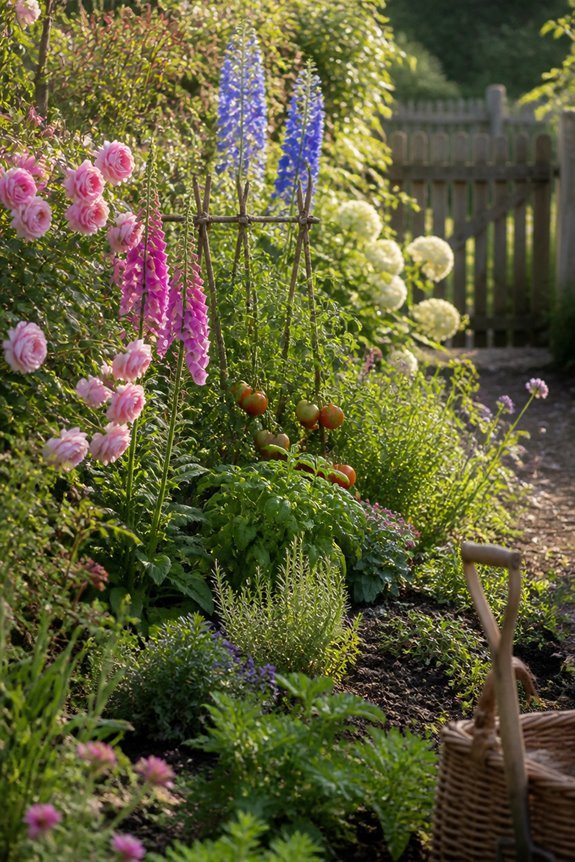
Tired of gardens that look too perfect? Cottage style mixed beds let you break the rules on purpose.
You can tuck tomatoes beside purple petunias. Let lettuce cozy up to marigolds. Watch zucchini vines tangle with snapdragons like they own the place. It looks chaotic, but it works. Nature doesn’t follow spreadsheets, and neither do you.
Messy is the whole point here. Plants flop over and mingle however they want. Scatter seeds wherever there’s space. Add weathered signs, old watering cans, or rusty fencing you found at a yard sale. Your neighbors will wonder how something so wild looks so charming.
Sunken Garden Beds for Modern Appeal
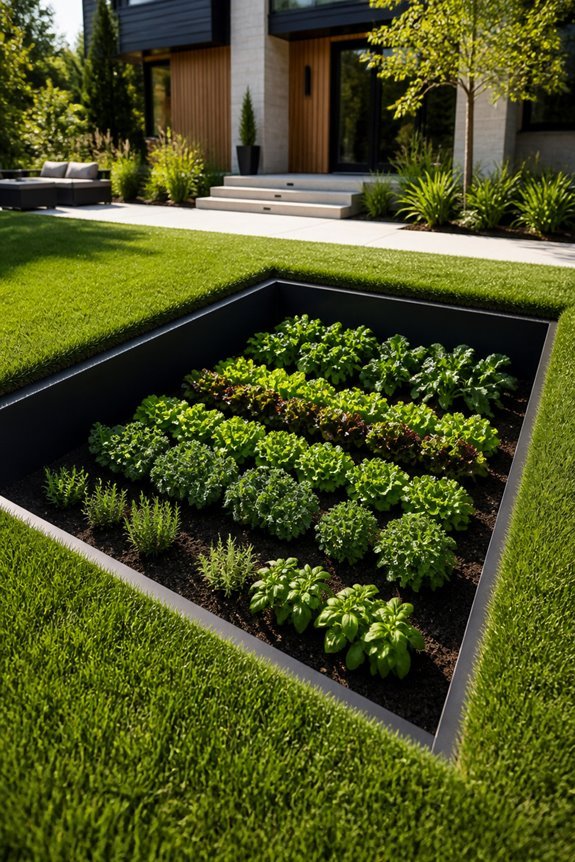
Ever feel like traditional raised beds look a bit… tired? You’re not alone. Sunken beds flip the script entirely. Instead of building up, you dig down. It sounds wrong until you see it. These recessed plots sit 12 to 18 inches below your garden’s surface. The result? Instant modern edge.
Your plants get a natural moisture boost. Water collects in the depression instead of running off. That means less hand-watering for you. The lowered frame also turns everyday vegetables into art. Picture your tomatoes and lettuce staged like gallery pieces. Yes, you’ll shovel more at first. But stone, wood, or metal edging keeps everything tidy and adds serious style points. Your knees will thank you too. Less bending equals less grunting when you stand up. And between us? These beds were basically built for your camera roll.
Keyhole Gardens for Efficient Layouts
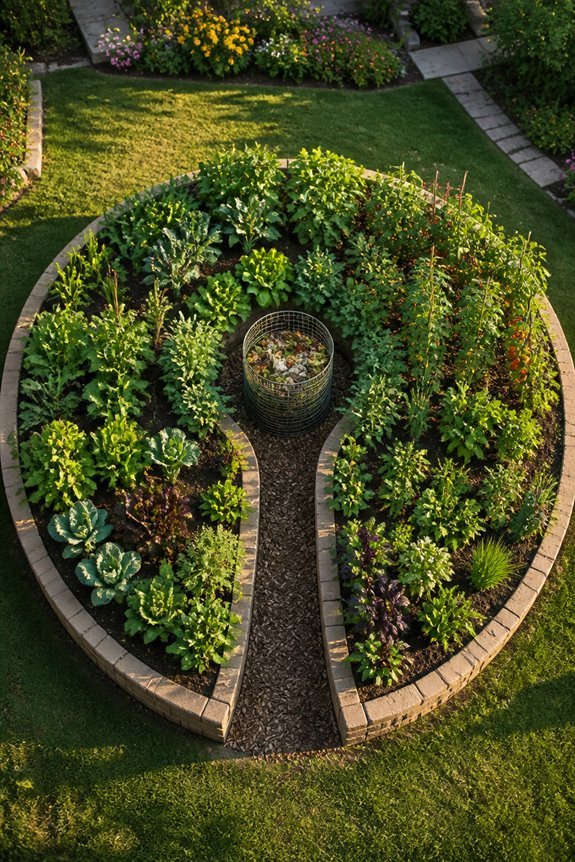
Have you ever stretched too far to reach a plant and felt your back complain? Keyhole gardens solve that problem with a simple trick. They look like circles with a slice taken out. That slice is your path. You stand in one spot and reach everything.
Building one is easier than you think. Mark out a 4 to 6 foot circle. Add a 2 foot path right through the middle. Fill the bed with compost and good soil. Now plant in rings around that path. Put your tall tomatoes on the outer edge. Tuck your lettuce where your hand lands first. You’ll never step on your soil. Your plants stay happy. Your back stays happy too.
Window Box Herb and Veggie Gardens
Running out of room to grow anything? Don’t worry. You’re not alone.
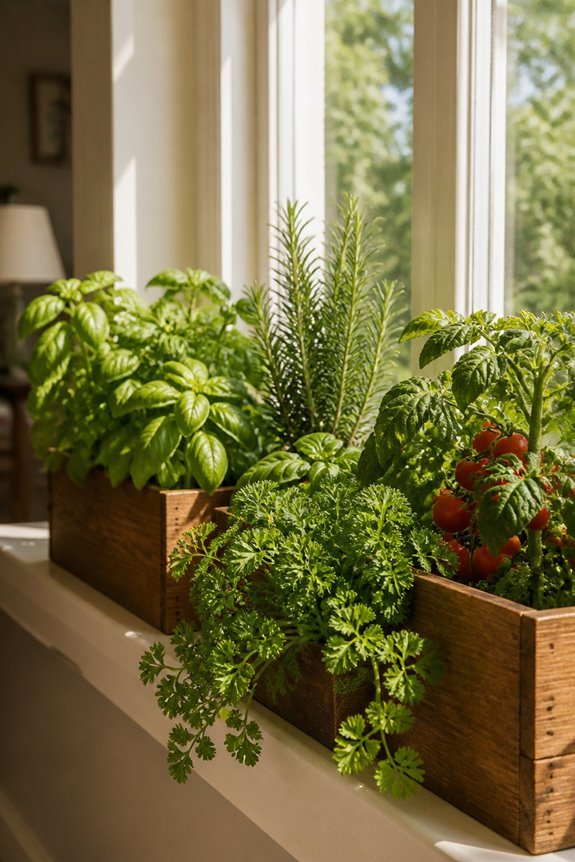
Window boxes turn tiny spaces into thriving gardens. Most are 24 to 36 inches long. They fit right on sunny sills. Suddenly that boring wall becomes your personal green space.
Basil smells incredible here. So do parsley and chives. You’ll catch their scent every time you open the window. Cherry tomatoes work too. Compact varieties actually produce fruit, not just leaves.
Here’s the best part. Your harvest sits inches from your stove. No muddy shoes. No bug bites. Just open the window, snip what you need, and start cooking.
One heads up though. These containers drain fast. Check them often. Give them water before your herbs start drooping. Nobody wants a dramatic wilting situation on their hands.
Galvanized Trough Vegetable Planters as Focal Points
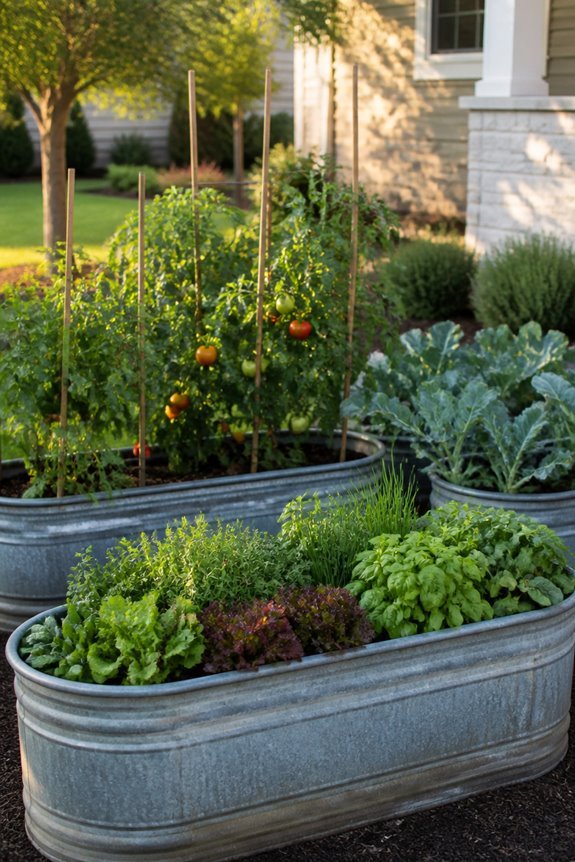
Ready to level up your front yard without a total redo? Galvanized troughs are your secret weapon. These metal planters, usually 24 to 36 inches long, work double duty. They hold your vegetables and grab attention while doing it.
Try lining them along your walkway. Or place one bold trough right by your door as a statement piece. Either way, you get instant charm with zero landscaping stress.
You can fill them with cherry tomatoes, leafy lettuce, or bright peppers. The silvery metal makes those greens and reds pop like nothing else. No special skills needed here. Just add soil and seeds, and you are growing.
Here is a quick tip. Check that your trough has drainage holes. Most do, which saves your plants from drowning. Over time, that shiny silver fades into a soft, rustic patina. It only gets better looking. You get a front yard vegetable display that neighbors will notice, and your budget stays happy.
Spiral Herb and Vegetable Gardens at Your Entrance
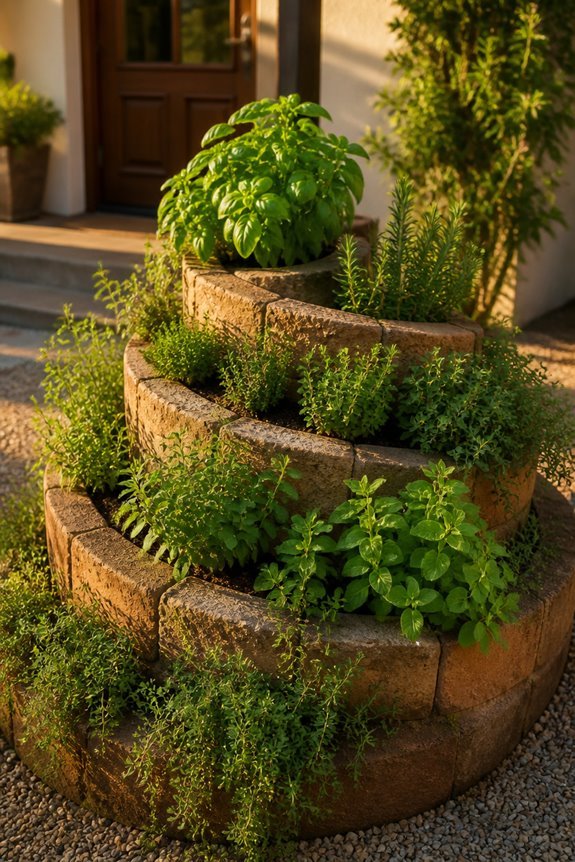
Want more growing space without expanding your yard? A spiral garden solves that puzzle fast.
You build a swirling tower of soil and plants. Stack it upward, not outward. Two hours of work. Some chicken wire, rocks, and good soil. That’s your shopping list.
Basil loves the top where it’s drier. Thyme creeps along the sunny edges. Lettuce nestles into the cooler pockets below. You pick what goes where based on each plant’s mood.
Your guests will pause at your door. Green cascades down one side. Cherry tomatoes pop red at mid-height. Purple basil adds drama near the base. The rocks hidden inside keep roots happy and drainage sharp.
Plants in spirals grow fast. They stretch toward light from all angles. You harvest more often from less ground. And yes, the finished shape looks a little wild. That’s part of the charm.
Pallet Gardens for Budget-Friendly Growing
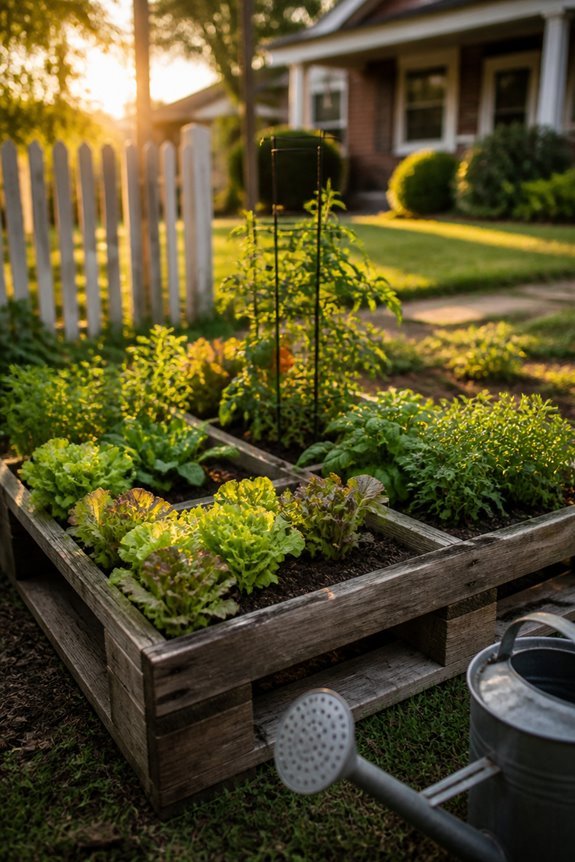
Got an old wooden pallet collecting dust behind your garage? Don’t let it rot. You can turn it into a vertical garden for practically nothing.
Here’s how it works. Line the pallet’s openings with landscape fabric. Fill them with soil. Plant shallow-rooted veggies like lettuce, spinach, and strawberries. A standard pallet is about 48 inches wide and 40 inches tall. That’s perfect for cramped front yards. Lean it against your house or fence. Done. Instant garden.
No digging required. You save money, space, and your back. These rustic wooden frames look charming, and they produce real food. That’s a win-win.
Mandala-Shaped Vegetable Beds
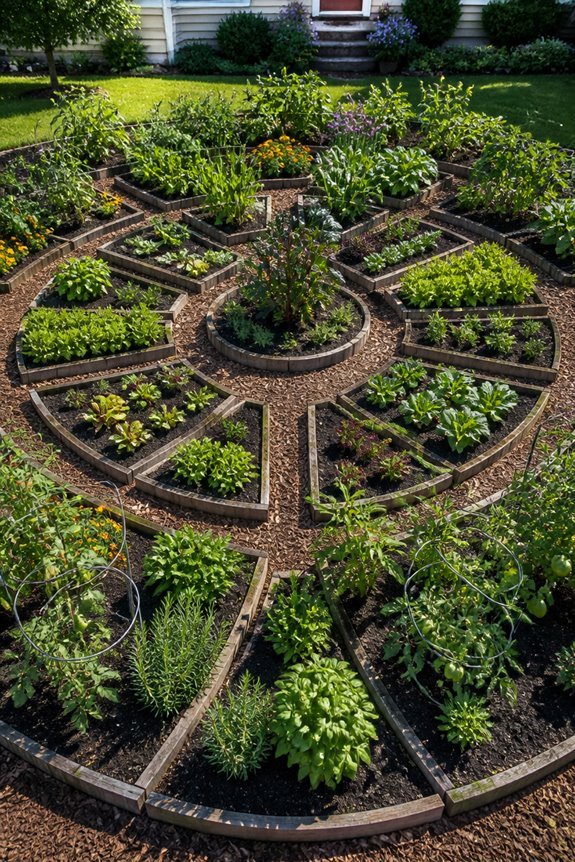
Tired of rows that feel more like a parking lot than a garden? Mandala beds flip the script. You start with a simple 6-foot circle. Mark it with string or even flour from your kitchen. Then slice it into wedges like a pizza. No cheese, but plenty of room for tomatoes, lettuce, and carrots to coexist.
The magic happens in the spiral. Your eye follows the pattern, and suddenly your garden looks intentional. Weeds hate this setup. The tight planting leaves them nowhere to grow. Your soil wins too. The symmetry makes crop rotation obvious. Next season, you just shift each wedge clockwise. Neighbors will slow down when they walk past. Let them look.
Mediterranean Garden: Terracotta Pots and Fresh Veggies
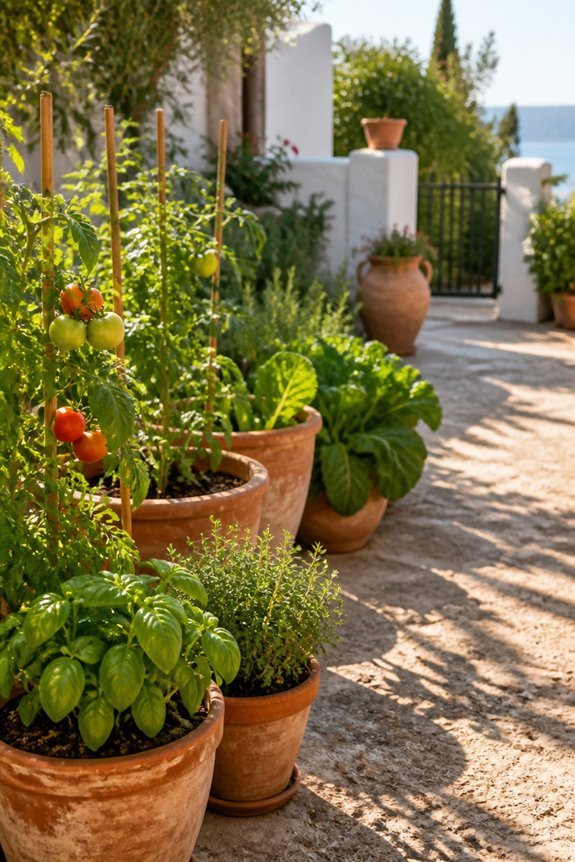
Craving that vacation feeling every time you step outside? You can capture the Mediterranean spirit right in your own front yard. Think sun-warmed terracotta, fragrant herbs, and the kind of lazy afternoon vibe that usually requires a plane ticket.
Start with clay pots in varying sizes. Grab a mix of 8-inch and 16-inch widths and cluster them together near your sunniest spots. Fill them with tomatoes, oregano, and rosemary. The warm orange-red clay looks stunning against deep green leaves. Your neighbors will definitely slow down when they walk past.
These plants practically reward you for doing very little. Water them, give them sun, and they return the favor with fresh flavors for your kitchen. Before long, you’ll have that rustic, cobblestone-street charm without ever packing a bag.
Add Edible Flowers to Your Vegetable Garden
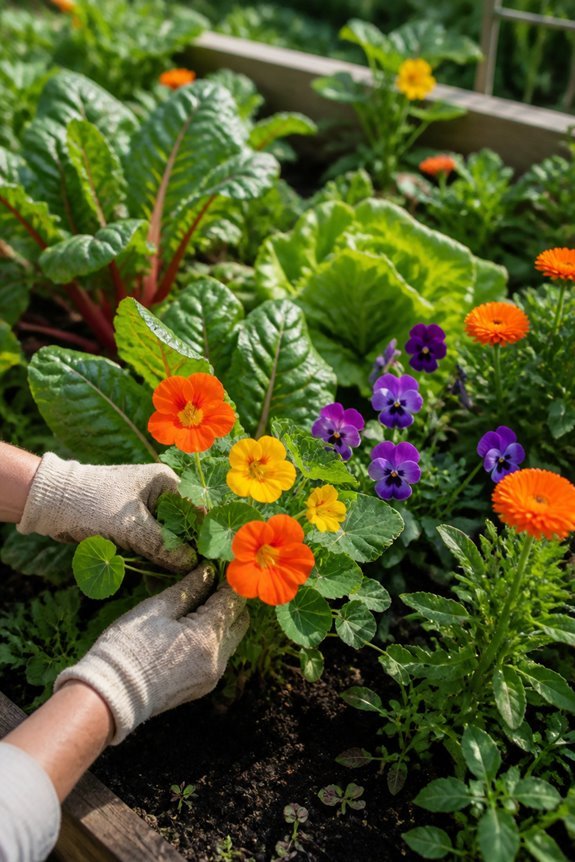
Want to make your garden do double duty? Edible flowers bring color to your plate and your yard. Here’s how to grow them right.
Pansies, nasturtiums, and calendula aren’t just pretty. They taste amazing too. Nasturtiums pack a peppery punch with their bright orange blooms. Calendula petals add mild sweetness to any dish. Pansies come in purple, yellow, and white. They taste as delicate as they look.
Plant these front and center in your veggie bed. They love hanging out near tomatoes and lettuce. Mix different varieties for the best show. Your guests will do a double take when you toss flowers into their salad. Snap a photo first. Then eat the garnish. That’s garden-to-table at its finest.
Use Trellises for Vertical Vegetable Gardens
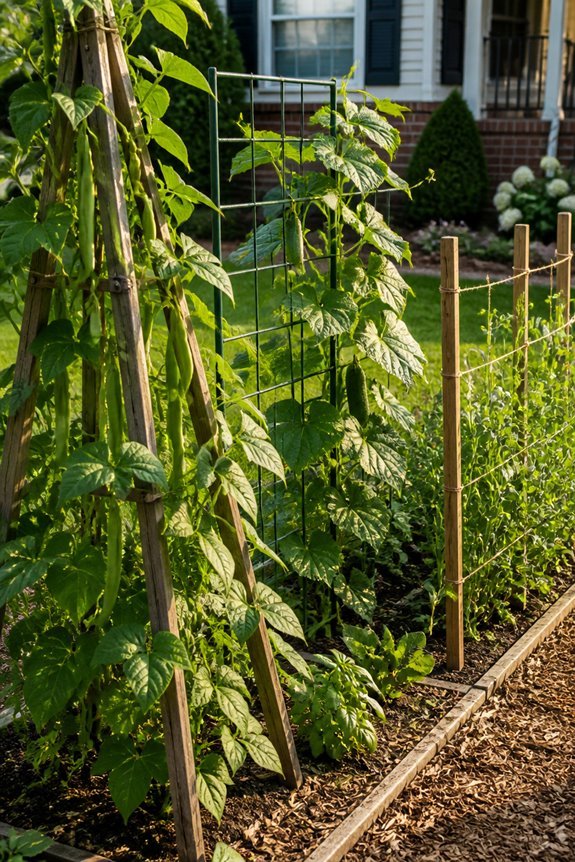
Running out of room to grow? Look up. That’s where your answer lives.
Trellises turn tiny yards into vertical playgrounds. Your tomatoes, cucumbers, and beans actually prefer climbing. A simple 6-foot frame gives them exactly what they want. You get height without sacrificing precious ground space.
Set yours near full sun. Wooden or metal both work fine. Watch those green vines spill over like they’re performing just for you. Weeding becomes a breeze when everything sits at waist level or higher. No more aching back. No more crawling around in dirt.
Your plants breathe better up there too. Air moves freely between leaves, so mold stays away. That means healthier harvests with less fuss. Before long, your front yard becomes a living green wall. Neighbors will ask how you did it. You’ll just point up and smile.
Stone or Brick Edged Garden Beds
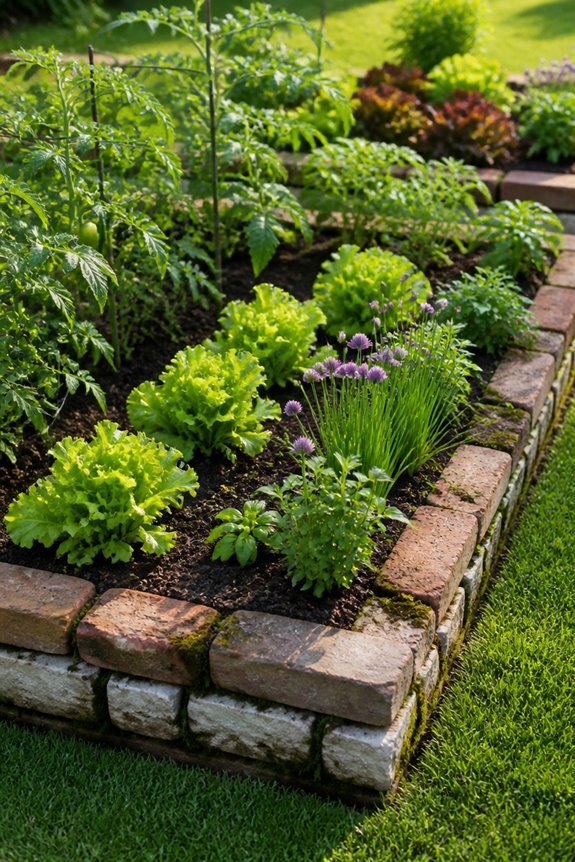
Your garden beds deserve better than ragged edges. Stone or brick borders give them that finished look. Think of it like framing a photo. Everything suddenly looks intentional.
Red bricks add warmth and that classic cottage feel. Gray stones feel sleek and modern. You get to choose your vibe. Dig your border about 4 to 6 inches deep. This stops weeds from sneaking underneath. It also keeps your soil where it belongs. No more dirt spilling onto your lawn. No more grass creeping into your vegetables. Your neighbors might even start asking for tips. You can just smile and nod. Your edging does the heavy lifting.
Frequently Asked Questions
What Vegetables Grow Best in Front Yard Gardens With Limited Sunlight?
Leafy greens, lettuce, spinach, and kale thrive in partial shade with just four to six hours of sunlight daily. Herbs like parsley and mint also perform well. Root vegetables such as beets and radishes adapt reasonably to shadier conditions too.
How Often Should I Water My Front Yard Vegetable Garden Containers?
Container gardens require daily watering during warm months, as soil dries quickly in pots. One should check soil moisture each morning and water when the top inch feels dry. Cooler seasons may require less frequent watering.
What’s the Best Soil Type for Growing Vegetables in Raised Beds?
Dense clay contrasts with loose, well-draining loam—the latter being ideal. A balanced mixture of topsoil, compost, and peat moss creates superior growing conditions. This nutrient-rich blend promotes root development while maintaining proper moisture retention for thriving vegetables.
Can I Grow Vegetables in Front Yard Gardens During Winter Months?
Yes, cold-hardy vegetables can be cultivated in front yard gardens during winter months. Gardeners should select frost-tolerant varieties like kale, spinach, and Brussels sprouts. Protective measures such as row covers or cold frames enhance successful winter vegetable production in most climates.
How Do I Prevent Pests and Diseases in My Front Yard Garden?
One might wonder what separates thriving gardens from struggling ones. The answer lies in strategic practices: employ companion planting, maintain proper spacing, remove diseased foliage promptly, install physical barriers, and encourage beneficial insects through diverse plantings.
Conclusion
Your front yard transforms into a living masterpiece. Those colorful pots become jewels. Raised beds stand as monuments to growth. Trellises climb like dreams reaching skyward. Each vegetable sprouts promise—not just food, but life itself. Neighbors stop and stare. Kids ask questions. You’ve planted more than vegetables. You’ve grown community, beauty, and joy right there by your mailbox. Magic, really.