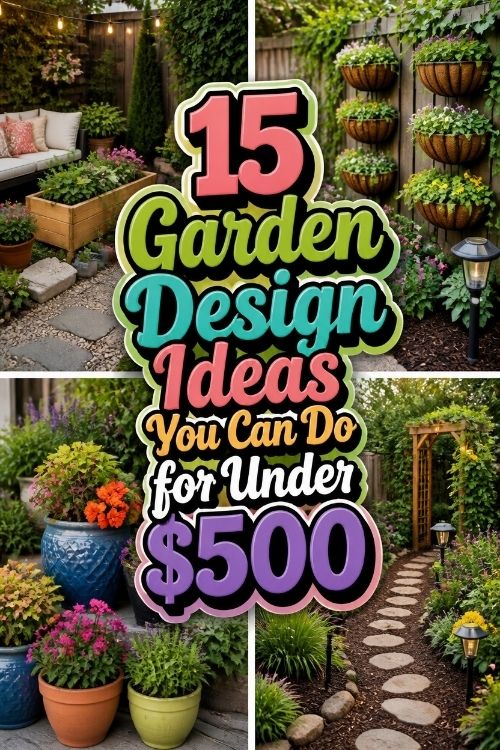
Transforming an outdoor space doesn’t demand deep pockets. Even modest budgets can yield striking results when creativity leads the way. A few well-chosen updates often outperform scattered, expensive additions.
Consider starting with structural elements that ground the design. Raised beds built from reclaimed lumber add instant organization and improve drainage for vegetables or flowers. Old tires, painted and stacked, become surprisingly charming planters for trailing vines or compact herbs.
Container groupings near entryways create focal points without permanent commitment, allowing experimentation with color and texture through the seasons.
Thoughtful details extend usability well past sunset. Solar path lights have grown more reliable and warm-toned, casting gentle pools of illumination along walkways. Native perennials, once established, draw bees and butterflies while demanding little water or care.
Vertical planters squeeze greenery onto balconies or narrow side yards, and even small recirculating fountains mask urban noise with subtle movement. Most materials surface at habitat restores, estate sales, or neighborhood swaps, keeping costs well below the $500 mark while delivering gardens that feel personal and complete.
Sort by Time and Skill Before Materials
Some projects here finish in an afternoon with a shovel and a few bags of mulch, while others involve post holes, concrete, and a level weekend of work. Beginners get the fastest payoff from edging, mulching, solar lights, and container groupings. Raised beds, pergolas, and fire pits ask for more tools and patience but reshape the yard permanently. The list below mixes both, so pick according to the weekend you actually have.
Create a Raised Bed Vegetable Garden
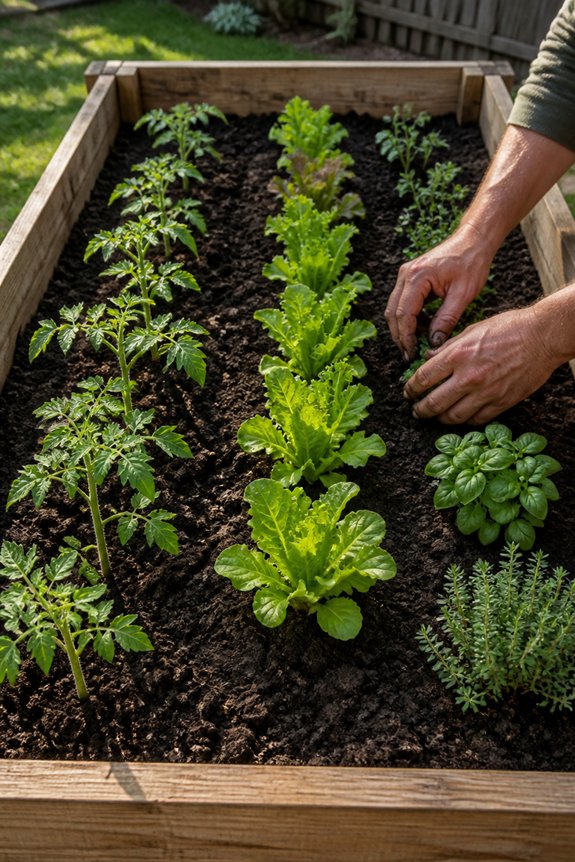
A number of homeowners find raised bed vegetable gardens to be one of the most cost-effective upgrades within a $500 budget. Materials such as untreated cedar, pine, or composite lumber typically cost between $50 and $150 per bed, depending on size and wood type. Many homeowners choose to build two or three beds, spacing them to allow room for walking paths and easy access.
Soil and compost usually account for a significant portion of the budget, with a quality mix costing around $10 to $15 per cubic foot. Vegetables such as tomatoes, peppers, lettuce, and herbs grow well in raised beds due to improved drainage and soil control.
Adding drip irrigation or mulch can extend the budget slightly while reducing long-term maintenance needs.
Also read: 19 Small Garden Ideas on a Budget
Plant a Butterfly Garden With Native Perennials
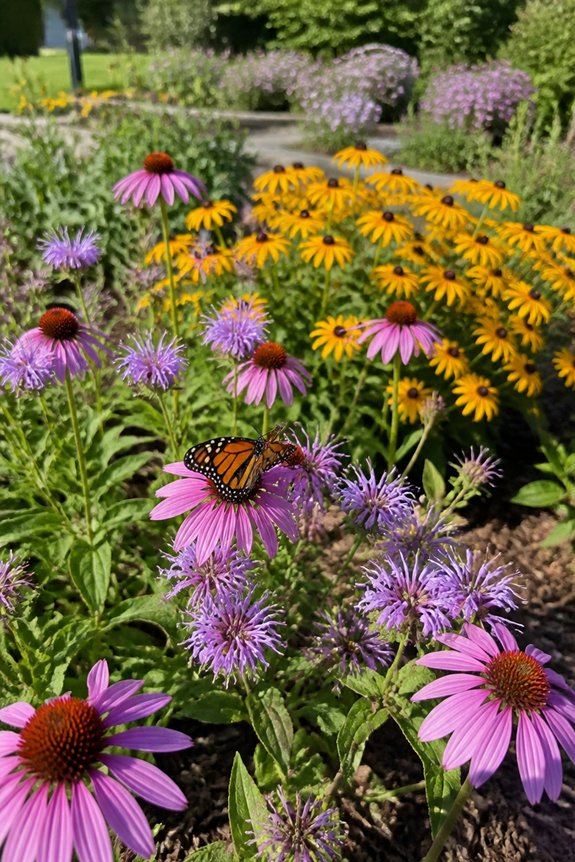
Milkweed, coneflower, and black-eyed Susan form the backbone of many butterfly gardens built on a limited budget, since native perennials typically cost less than exotic species and require less water once established. A plot of 100 square feet can hold a dozen plants, purchased as bare-root stock or small plugs for under $150 total.
Milkweed serves as the only host plant for monarch caterpillars, making it essential rather than optional. Joe-Pye weed and aster provide late-season nectar when other blooms fade. Grouping plants in clusters of three or five, rather than scattering single specimens, helps butterflies locate food sources efficiently.
Local extension offices often list regional native species suited to specific soil and light conditions, reducing guesswork and plant loss.
Design a Container Garden for Your Patio
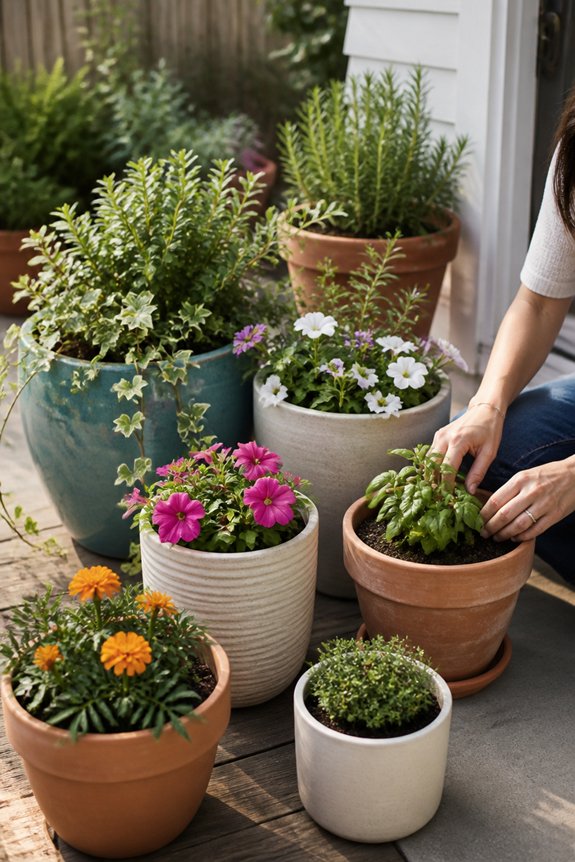
Patio spaces without room for in-ground beds can still support a productive garden through careful container selection, offering the same budget-friendly approach used in native perennial plantings. Large pots, half whiskey barrels, and repurposed containers such as galvanized tubs provide affordable options, often costing less than $30 each when purchased secondhand or on sale.
Drainage holes remain essential, regardless of container type, to prevent root rot. Grouping containers of varying heights creates visual interest while maximizing limited space. Herbs like rosemary and thyme thrive alongside vegetables such as peppers and dwarf tomatoes, allowing for a mix of culinary and ornamental plants.
Potting soil, rather than garden soil, guarantees proper drainage and nutrient balance. Seasonal rotation extends usability, letting spring bulbs give way to summer annuals within the same containers.
Build Vertical Planters From Wooden Pallets
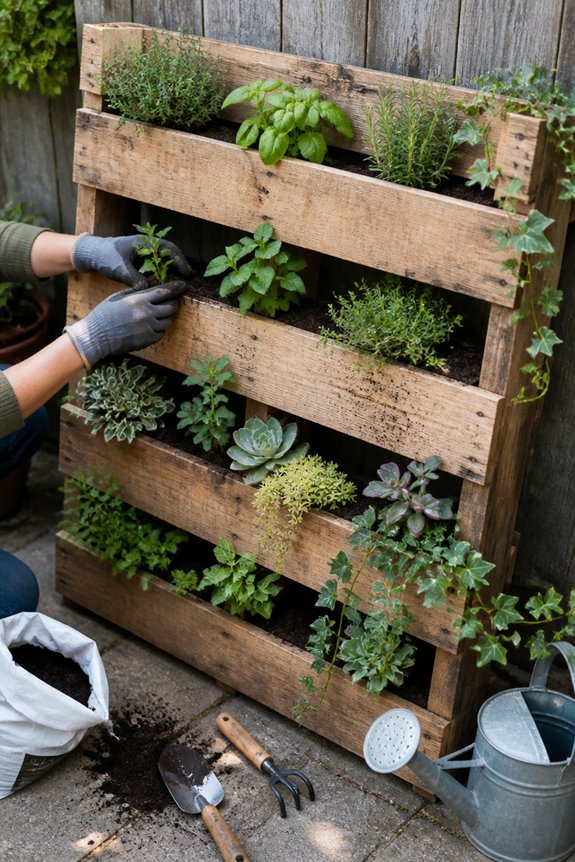
Wooden pallets, often available for free from hardware stores or shipping companies, offer a low-cost material for constructing vertical planters suited to small yards or narrow patios. Builders typically sand the wood, remove any damaged slats, and apply a weather-resistant sealant before use.
Landscape fabric lines the back and bottom to hold soil in place, while spacing between slats allows plants to be inserted directly into the structure. Herbs, succulents, and small flowering plants work well in this format due to their shallow root systems. Pallets can be mounted against a wall or fence, or set on a stand for stability.
Total costs, including sealant, fabric, and soil, usually stay under $50 per unit, making the project budget-friendly.
Create a Rock Garden With Drought-Tolerant Plants
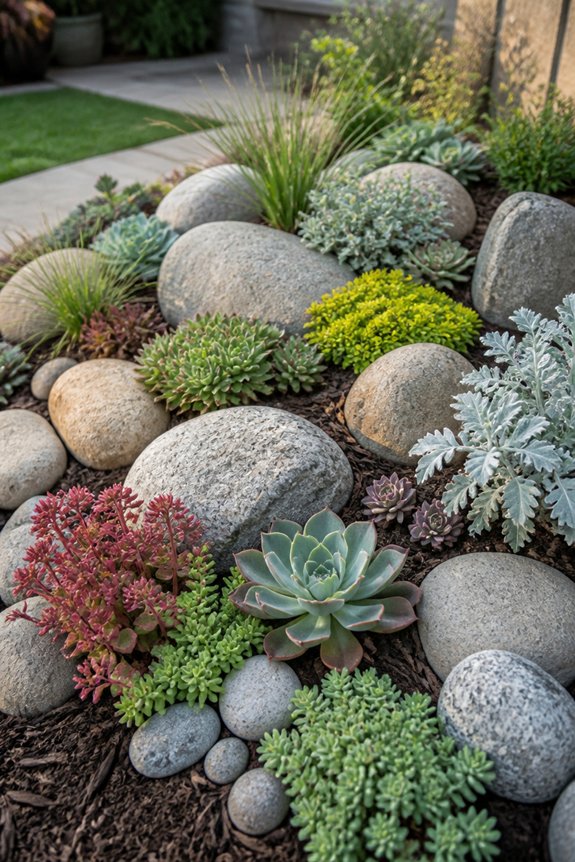
Because rock gardens require little water and minimal upkeep, they suit homeowners looking to reduce both maintenance and monthly water costs. A budget near $500 can cover gravel, decorative stones, boulders, and a selection of drought-tolerant plants such as sedum, yucca, lavender, and ornamental grasses.
Homeowners typically arrange larger rocks first to establish structure, then fill spaces with smaller gravel or crushed stone for drainage and visual contrast. Plants are chosen based on climate zone, soil type, and sun exposure, since most drought-tolerant species need well-drained soil and full sun. Adding mulch between plants helps retain moisture and suppress weeds.
Local nurseries often sell native succulents and grasses at lower prices than big-box retailers, keeping the project within budget while ensuring plants adapt well to regional conditions.
Hang a Trellis for Climbing Vines
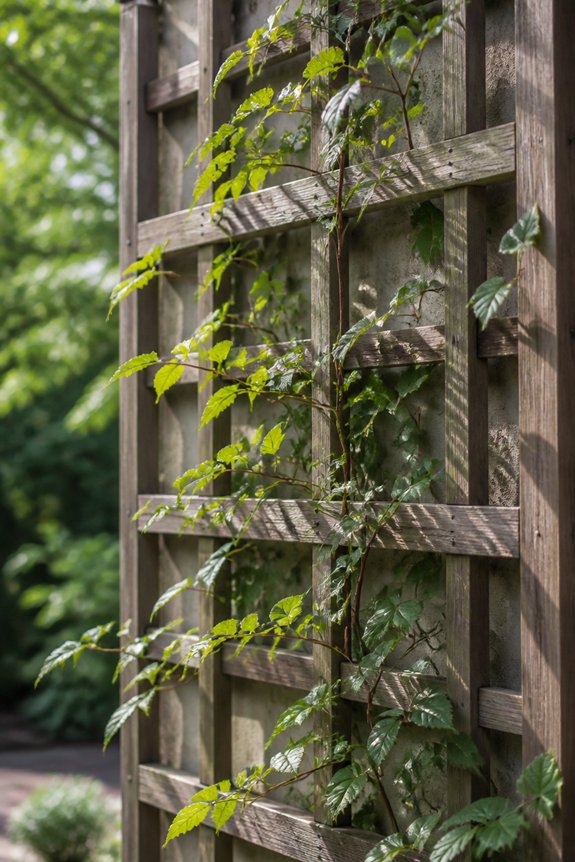
After the rock garden’s low-maintenance appeal, some homeowners want a vertical feature that adds greenery without consuming much ground space. A trellis offers this option, supporting climbing vines such as clematis, morning glory, or climbing roses while occupying a small footprint. Wooden trellises cost less and blend with natural garden settings, while metal versions last longer and resist weather damage.
Placement against a fence, wall, or freestanding post allows vines to grow upward, creating shade or privacy over time. Budget-conscious buyers can find trellises at hardware stores, garden centers, or online retailers for under $100, leaving funds for plants and soil amendments. Choosing fast-growing vines speeds up coverage, giving the structure a finished look within a single growing season.
Build a Gravel Pathway With Reclaimed Pavers
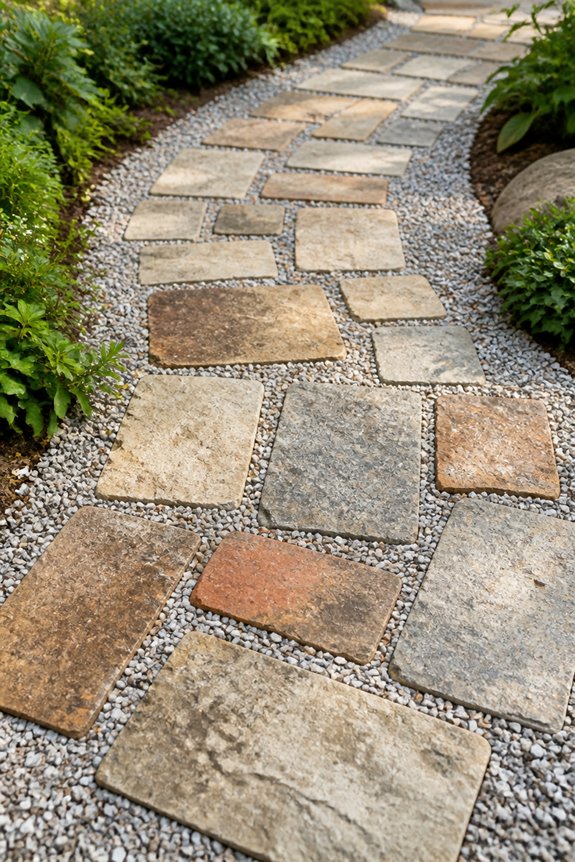
Combining gravel with reclaimed pavers creates a durable, textured pathway that costs less than solid stone or concrete options. Reclaimed pavers can be sourced from salvage yards, demolition sites, or online marketplaces, often priced far below new materials. Gravel fills the gaps between pavers, reducing the number needed while still covering the full path area, which lowers material costs considerably.
Homeowners should choose gravel in sizes like pea gravel or crushed granite, as these settle well and resist shifting underfoot. Laying landscape fabric beneath the path helps prevent weed growth and keeps gravel from mixing into soil over time. This method works for walkways, garden borders, or connecting patio areas, offering a practical, budget-conscious alternative to traditional hardscaping.
Edge Your Garden Beds With Stone or Brick
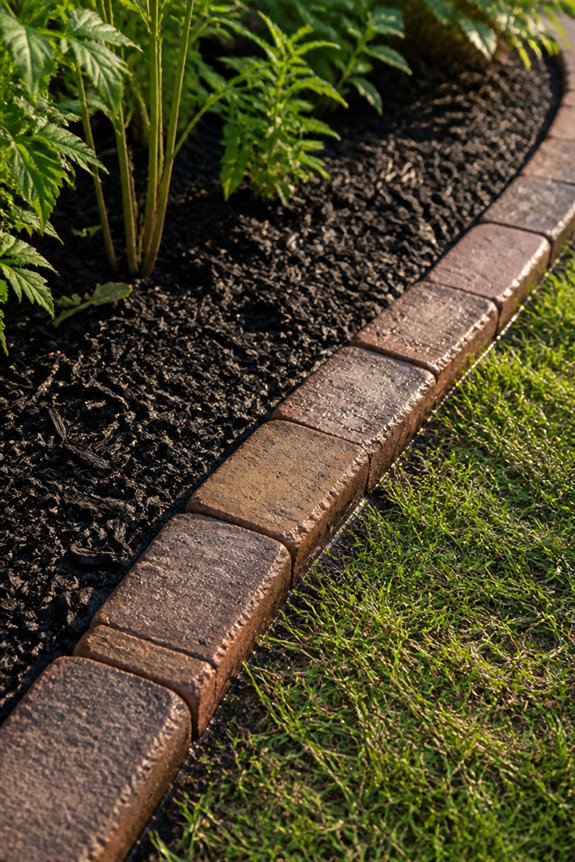
A simple border of stone or brick can transform garden beds from messy edges into defined, tidy spaces for under fifty dollars in many cases.
Reclaimed brick, leftover pavers, or fieldstone gathered from a property can often be used at no cost, while budget options like scalloped concrete edging or landscape blocks from home improvement stores are also affordable. Materials should be chosen based on the bed’s shape, with straight bricks working well for square plots and irregular stones suiting curved layouts.
Edging not only separates lawn from planting area, but also helps hold mulch in place and discourages grass from creeping into beds. A well-placed border adds structure to a yard without requiring major construction or expensive materials.
Build a Simple Pergola Frame for Shade
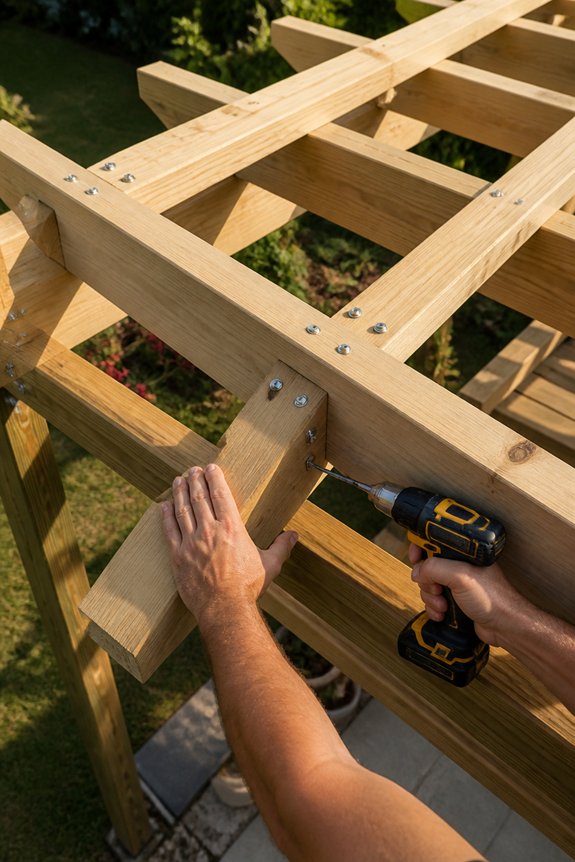
Building a basic pergola frame offers shade and structure to a patio or garden seating area for a few hundred dollars, depending on materials chosen. Pressure-treated lumber or cedar posts, beams, and rafters can be assembled with basic tools, including a drill, level, and post-hole digger.
A simple design uses four posts set in concrete, topped with crossbeams spaced evenly to create partial shade. Adding lattice panels or climbing plants, such as wisteria or clematis, increases coverage over time. Concrete anchors or metal post brackets help stabilize the structure without extensive digging.
Homeowners can find pre-cut kits at hardware stores, which reduce labor and measuring errors. Painting or staining the wood protects it from weather while matching existing outdoor decor.
Build a Fire Pit From Salvaged Bricks
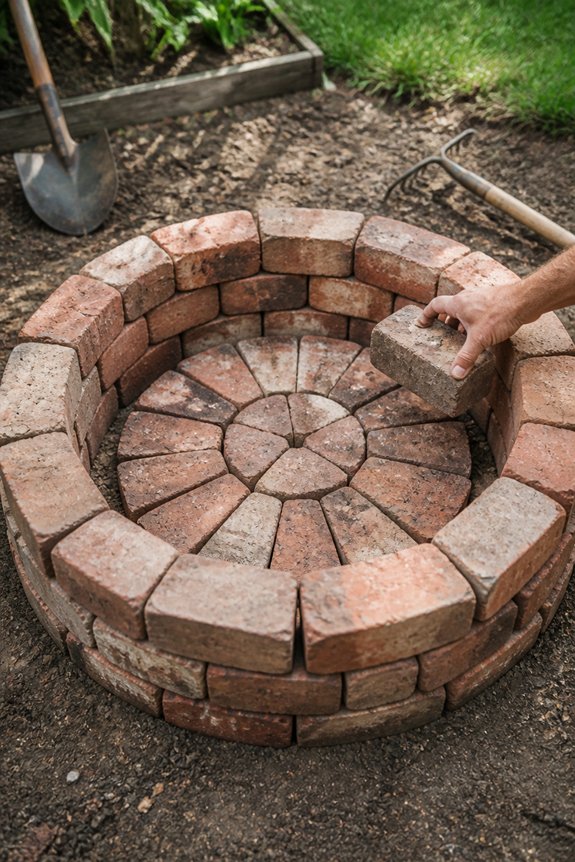
After finishing a shaded seating area, many homeowners look for a gathering spot nearby, and a fire pit made from salvaged bricks fits that purpose well. Reclaimed bricks can often be found through demolition sites, online listings, or salvage yards for little to no cost.
Builders typically dig a shallow circular pit, line it with gravel for drainage, and stack bricks in overlapping rows to form a sturdy ring. A metal fire ring insert adds safety and helps contain heat. Spacing bricks slightly apart allows airflow, which keeps the fire burning evenly.
Surrounding the pit with pavers or gravel creates a clean edge and reduces fire risk on grass. This project usually costs under $150, depending on brick availability and pit size.
Mulch Your Flower Beds for an Instant Refresh
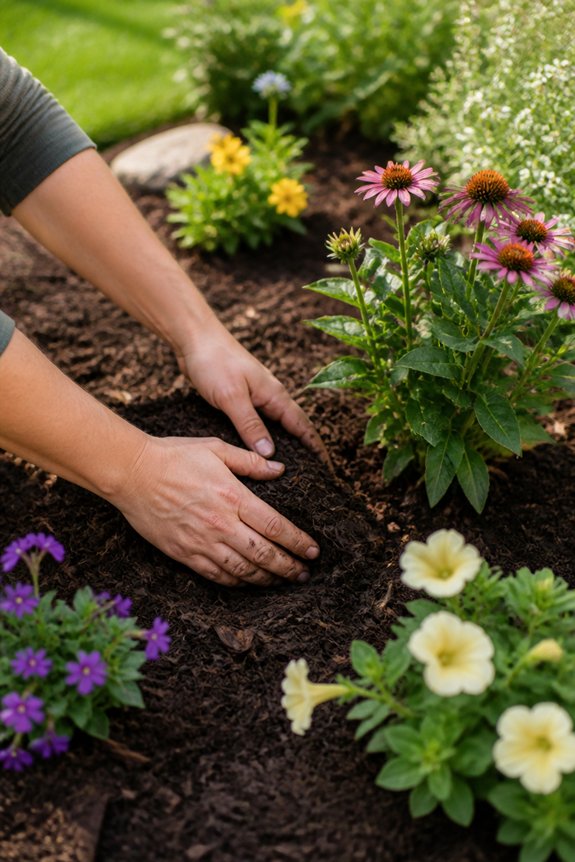
Once the fire pit area is complete, revitalizing nearby flower beds with fresh mulch offers one of the simplest ways to improve a yard’s appearance. A few bags of hardwood, cedar, or dyed mulch, typically costing under $150 for an average yard, can cover multiple beds in an afternoon.
Mulch suppresses weeds, retains soil moisture, and gives beds a clean, finished look that contrasts nicely with green lawns. Homeowners often choose colors that complement house exteriors, such as brown or black mulch against red brick, or reddish mulch near white siding.
Edging beds beforehand with a spade or plastic border creates crisp lines. Applying a two- to three-inch layer prevents rot while still delivering visible impact, making this project one of the most affordable garden upgrades available.
Install Solar Path Lights Along Your Walkway
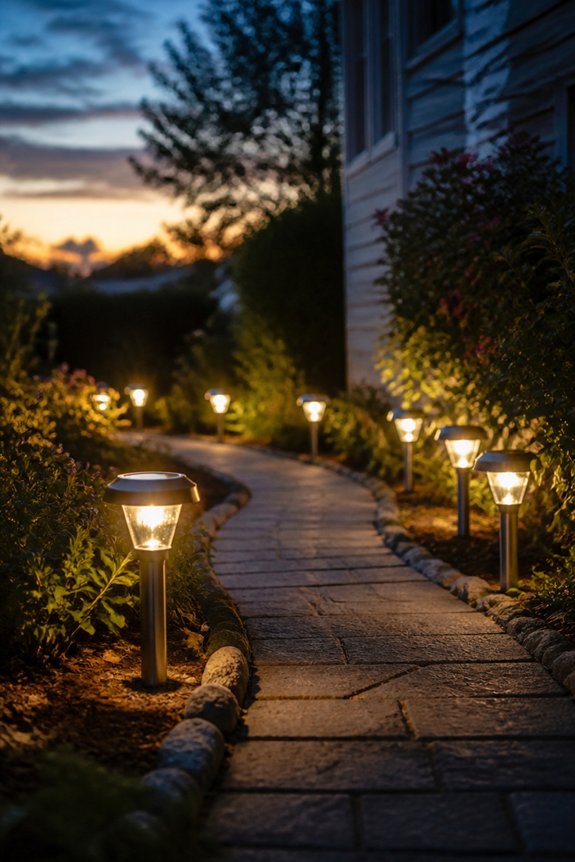
Lining a walkway with solar path lights adds both safety and style for under $100 in most cases. These fixtures charge during the day and turn on automatically at dusk, requiring no wiring or electrical work. Homeowners can choose from stake-style lights, stone-look designs, or lantern-style fixtures, depending on the garden’s overall aesthetic.
Spacing lights evenly, usually two to four feet apart, guarantees consistent illumination along the path without creating dark gaps. Placing them along curves or steps also improves visibility at night, reducing the risk of trips or falls.
Solar lights require little maintenance beyond occasional cleaning of the solar panel and battery replacement every year or two. This makes them a practical, low-cost addition for both function and appearance.
Repurpose Old Tires Into Colorful Planters
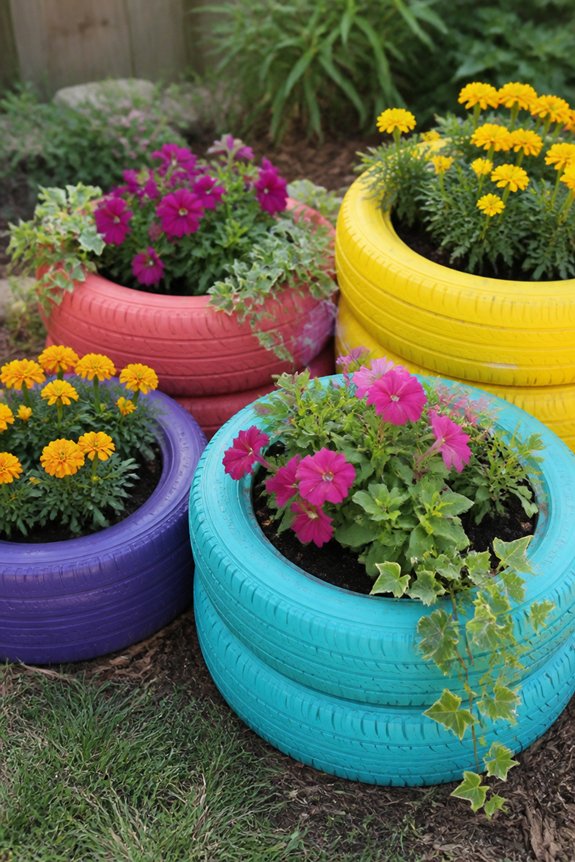
Beyond lighting the way to the garden, old tires offer another low-cost opportunity to add color and function to the yard. Tires can be stacked, painted, and filled with soil to create planters for flowers, herbs, or small vegetables, costing little more than paint and a few hours of labor.
Bright colors like red, yellow, or turquoise make tires stand out against greenery, while stacking two or three tires adds height for plants that need extra depth, such as tomatoes or peppers. Tires can also be cut and folded to form scalloped edges, giving planters a decorative touch. Placing them along fences, driveways, or garden borders adds structure without the expense of traditional pots or raised beds.
Add a Small Water Feature With a Fountain Kit
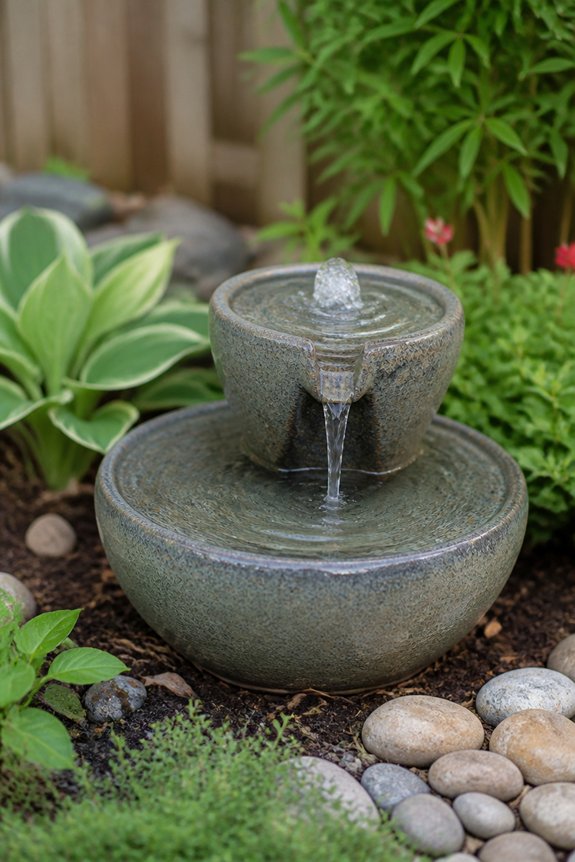
A small fountain kit offers a simple way to bring the sound of moving water into a garden without the cost of a professional installation. These kits typically include a pump, tubing, and a basin, and can be adapted to fit ceramic pots, stone basins, or repurposed containers.
Prices for basic kits range from $30 to $150, leaving room in the budget for decorative elements like rocks, gravel, or aquatic plants. Solar-powered pumps reduce electricity use and simplify placement, since no outlet is required nearby. Fountains can be positioned near seating areas, entryways, or garden beds to create a focal point.
Regular maintenance, including cleaning the pump and checking water levels, keeps the feature running efficiently throughout the growing season.
Build a Backyard Compost Bin From Pallets
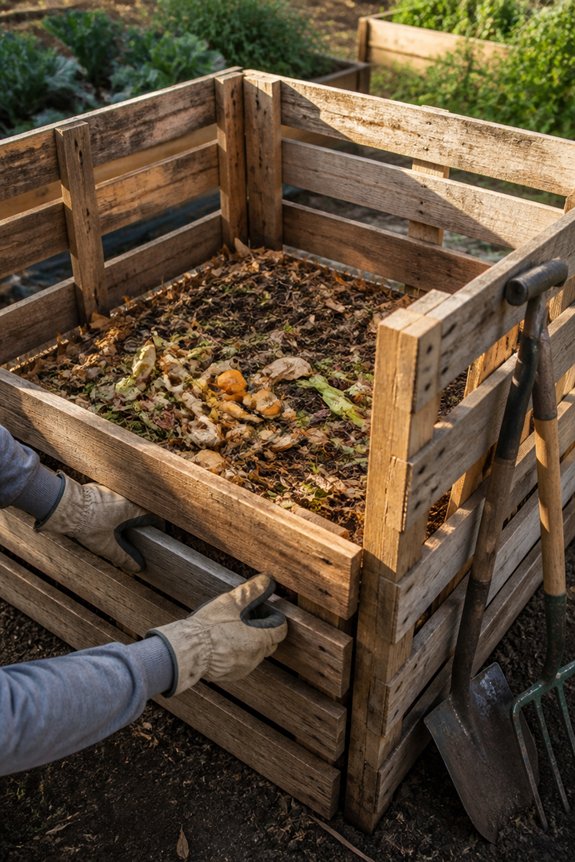
Several wooden pallets, often available for free from hardware stores or shipping companies, can be reassembled into a functional compost bin at little to no cost. Four pallets, secured together with screws, wire, or brackets, form a simple square enclosure with gaps that allow airflow to reach organic material. Placing the bin in a level, partially shaded area helps maintain consistent moisture and temperature for decomposition.
A hinged front panel or removable pallet section makes turning compost easier and allows access for adding kitchen scraps, leaves, or grass clippings. Materials such as screws, hinges, and a wood sealant typically cost under $30. This project provides an inexpensive, practical way to recycle yard waste while producing nutrient-rich soil for garden beds.
Frequently Asked Questions
How Long Do These Budget Garden Projects Typically Take to Complete?
Most budget garden projects take a single weekend, roughly four to eight hours, depending on complexity. Simple additions like mulch beds or container groupings finish in an afternoon, while pathways or raised beds may require two days.
What Tools Do I Need for Most of These DIY Garden Projects?
Apparently, one requires a shovel, gloves, a wheelbarrow, and pruning shears—not a mortgage. Most homeowners already own these basics; the remaining budget, it seems, gets suspiciously reserved for plants and inevitable impulse purchases at garden centers.
Can I Combine Multiple Projects Within a $500 Total Budget?
Yes, combining projects is possible by prioritizing based on impact and cost, mixing low-cost options like mulch pathways or planters with pricier features such as small water elements, ensuring materials are shared or reused to stay within budget.
Are These Projects Suitable for Beginners With No Gardening Experience?
Every expert was once a beginner. Yes, these projects suit novices well; simple tools, clear steps, and forgiving materials allow anyone to learn as they go, building confidence one small garden success at a time.
How Do I Maintain These Garden Features Once They’re Installed?
Maintenance depends on the feature: mulch beds need annual topping, planters require regular watering and pruning, and pathways benefit from periodic weeding. Most low-cost installations demand minimal upkeep—seasonal cleaning, occasional weeding, and basic plant care guarantee lasting garden beauty.
Conclusion
These 15 ideas show that a budget under $500 can still produce a functional, attractive garden. Raised beds, pallet planters, and repurposed tires offer low-cost structure, while solar lights and water features add finishing touches. Native perennials and drought-tolerant plants keep maintenance and water use manageable. Why spend more when resourceful choices deliver similar results? Careful planning, reused materials, and simple additions allow any homeowner to create a functional, visually appealing outdoor space without exceeding a modest budget.