

Keeping a garden journal transforms scattered observations into actionable knowledge over time. The right page layouts make this process feel intuitive rather than burdensome.
Bed maps offer visual clarity for crop rotation plans, while monthly planners help coordinate planting schedules with real-world demands.
Some layouts focus on the financial side of gardening. Budget sheets track expenses for seeds, soil amendments, and tools, often revealing surprising patterns about where money actually goes.
Variety comparisons become invaluable when deciding whether to repeat a purchase or try something new next season.
Growth trackers and weather records work hand in hand to explain the story behind each harvest. A sudden tomato failure might trace back to an unseasonable cold snap logged months earlier.
Pest documentation serves a similar purpose, building a localized database of what threatens your plants and when those threats typically emerge.
Seed logs and seasonal reviews close the loop by informing future decisions. Reviewing what succeeded, what disappointed, and what changed in the soil or climate keeps the journal from becoming mere nostalgia.
The most useful layouts ultimately depend on whether your priority is productivity, economy, experimentation, or simply deeper engagement with your growing space.
Garden Bed Map and Layout Pages
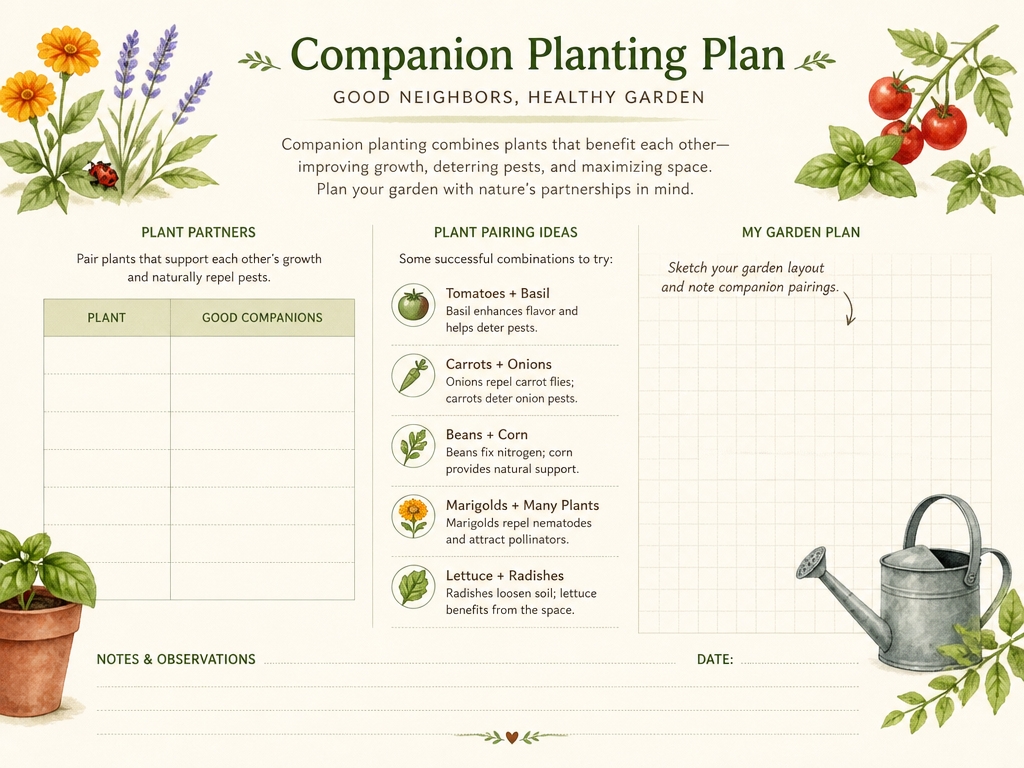
Garden bed map and layout pages serve as visual records of where plants are positioned within garden spaces. Gardeners sketch their beds, marking plant locations, spacing requirements, and growth patterns.
These pages document tomato placements, herb clusters, and vegetable rows. Seasonal variations get noted, allowing gardeners to rotate crops effectively and identify successful planting combinations for future growing seasons.
Monthly Planning Spreads
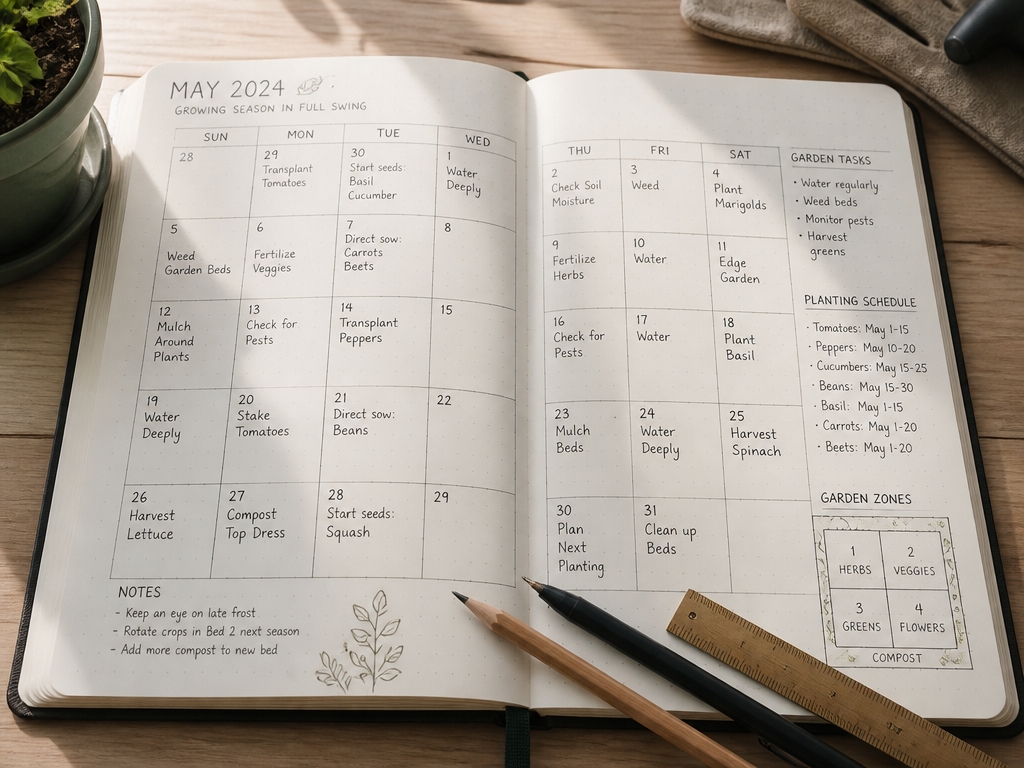
Planning structures within a garden journal provide organized frameworks for tracking tasks, planting schedules, and seasonal activities across each month. Monthly spreads typically include sections for planting dates, watering schedules, pest management, and harvest timelines.
Gardeners benefit from creating calendars with specific crop varieties, fertilizing reminders, and weather observations. This organization prevents missed deadlines and supports consistent garden maintenance throughout the year.
Seed-Starting Log Pages
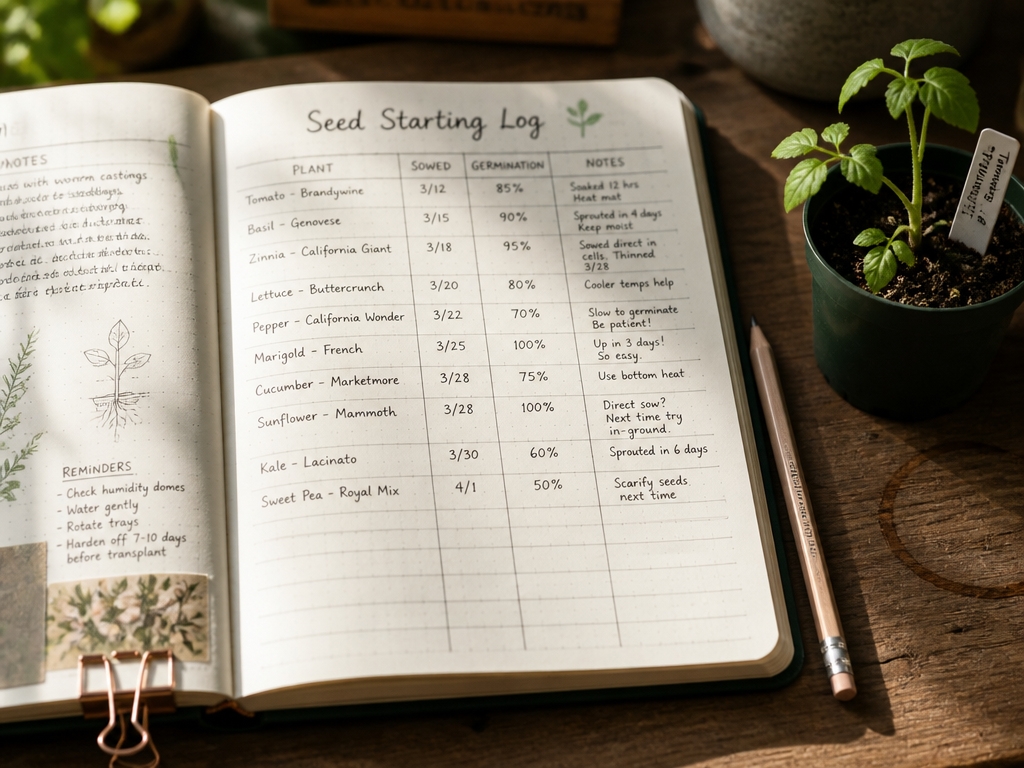
Detailed records of seed germination, growth stages, and seedling development form the foundation of successful indoor propagation. A seed-starting log tracks sowing dates, soil temperatures, and emergence timelines for tomatoes, peppers, and herbs.
Gardeners note light exposure hours, watering frequency, and transplant readiness dates. This documentation creates a reliable reference for planning future seasons, identifying successful varieties, and adjusting techniques accordingly.
Plant Growth Tracker Pages
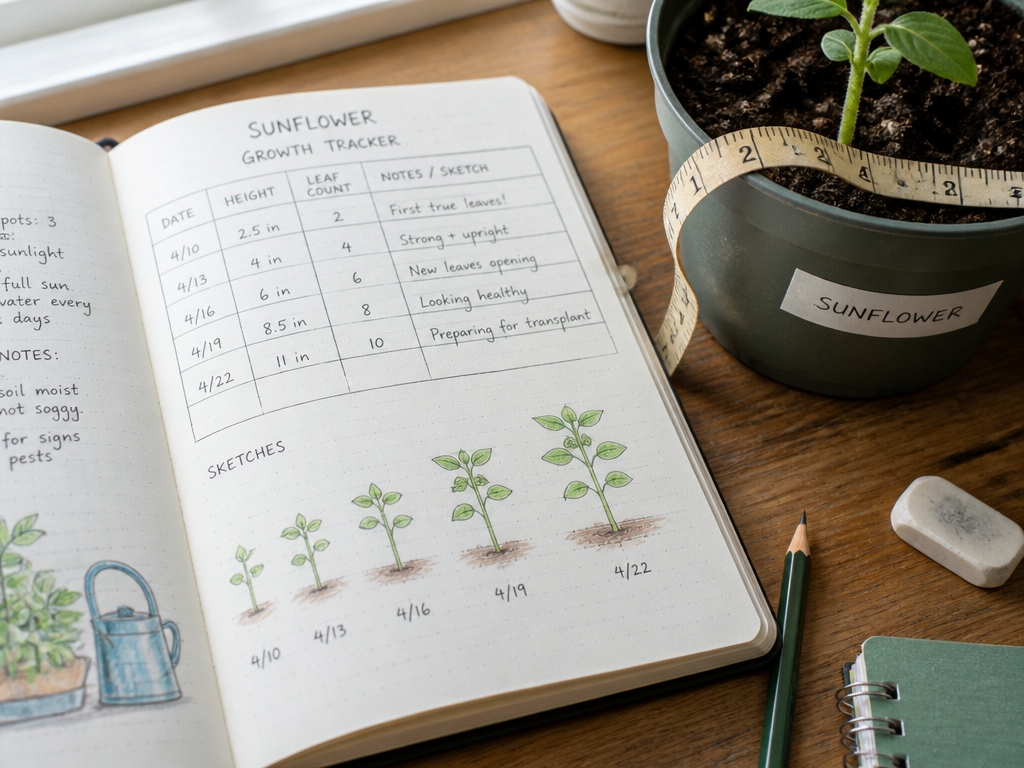
Once seedlings shift to garden beds or containers, gardeners benefit from tracking plant progress throughout the growing season. These pages record height measurements, leaf development, flowering dates, and pest observations.
A simple table with columns for date, plant name, height, and notes works effectively. Including space for sketches or photographs captures visual changes. Regular entries help identify growth patterns, troubleshoot problems, and plan future seasons.
Weather and Watering Log Pages

Complementing plant growth records, gardeners maintain separate pages documenting rainfall, temperature, irrigation schedules, and soil moisture levels throughout the season. These logs track daily conditions, noting precipitation amounts, high/low temperatures, and watering dates. Including columns for soil type, drainage observations, and plant responses creates a thorough record. Winter mulch can also be noted in these logs because it helps protect roots from freeze-thaw cycles and stabilize soil temperature. Indoor heating can also lower humidity, making winter dryness an important factor to record for houseplant health.
Reviewing patterns helps gardeners adjust care routines based on seasonal weather variations and individual plant needs.
Garden Harvest Record Pages
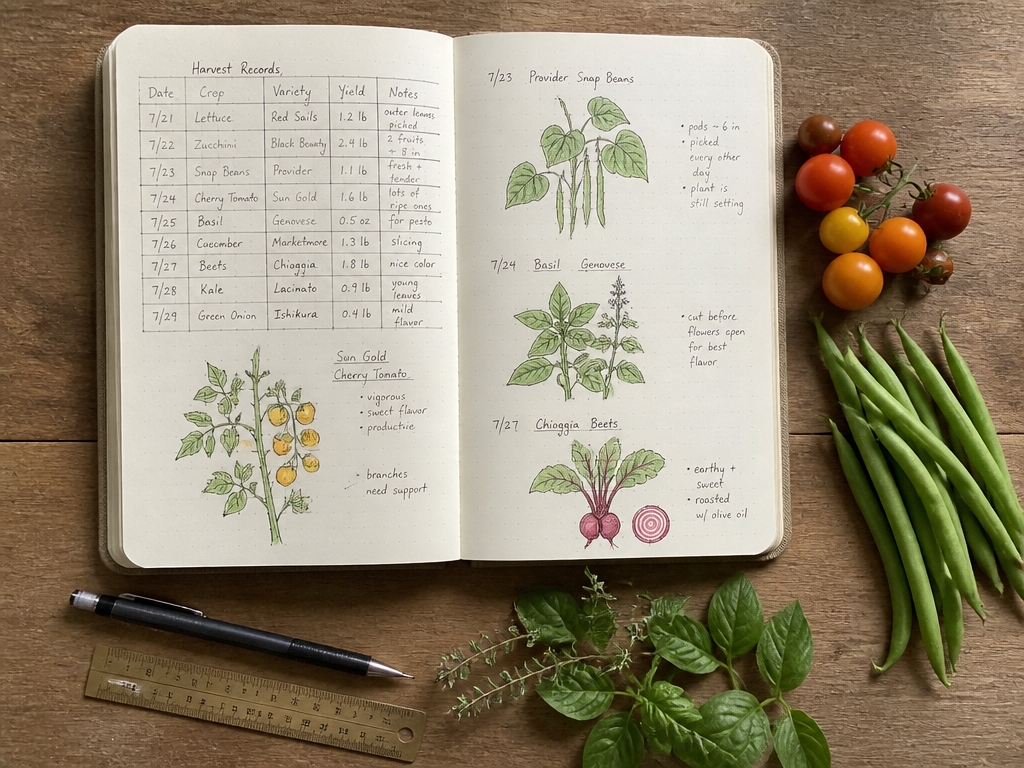
A systematic approach to documenting yields guarantees gardeners track what, when, and how much they harvested from their gardens. Record pages should include columns for crop name, harvest date, quantity, and storage method.
Gardeners note tomato yields in pounds, bean pickings by count, and lettuce harvests by weight. This data informs future planting decisions, identifies productive varieties, and tracks seasonal patterns effectively.
Troubleshoot Pests, Diseases, and Failures
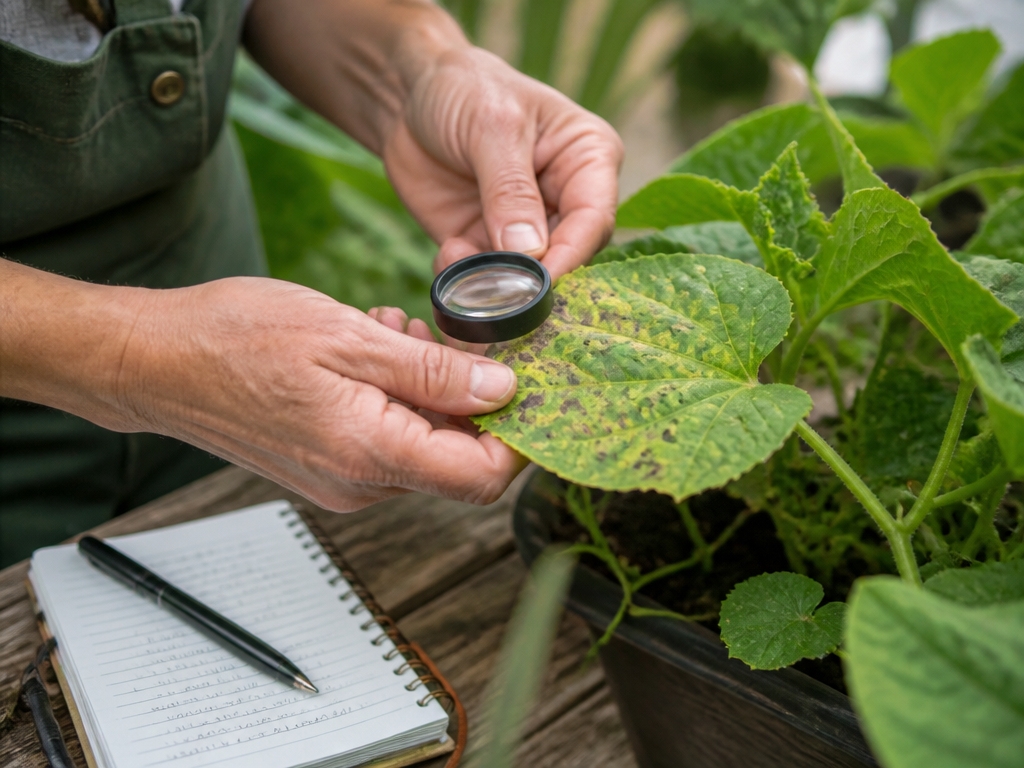
Most gardeners encounter pest infestations, fungal diseases, or crop failures at some point during the growing season. A dedicated journal page for troubleshooting documents problems systematically, including dates observed, affected plants, symptoms, and attempted solutions.
Sections for aphids, powdery mildew, blight, and wilting enable quick reference. Recording outcomes of interventions, whether neem oil, fungicide, or removal, builds knowledge for future seasons and prevents repeating unsuccessful approaches.
Variety Comparison Chart Pages
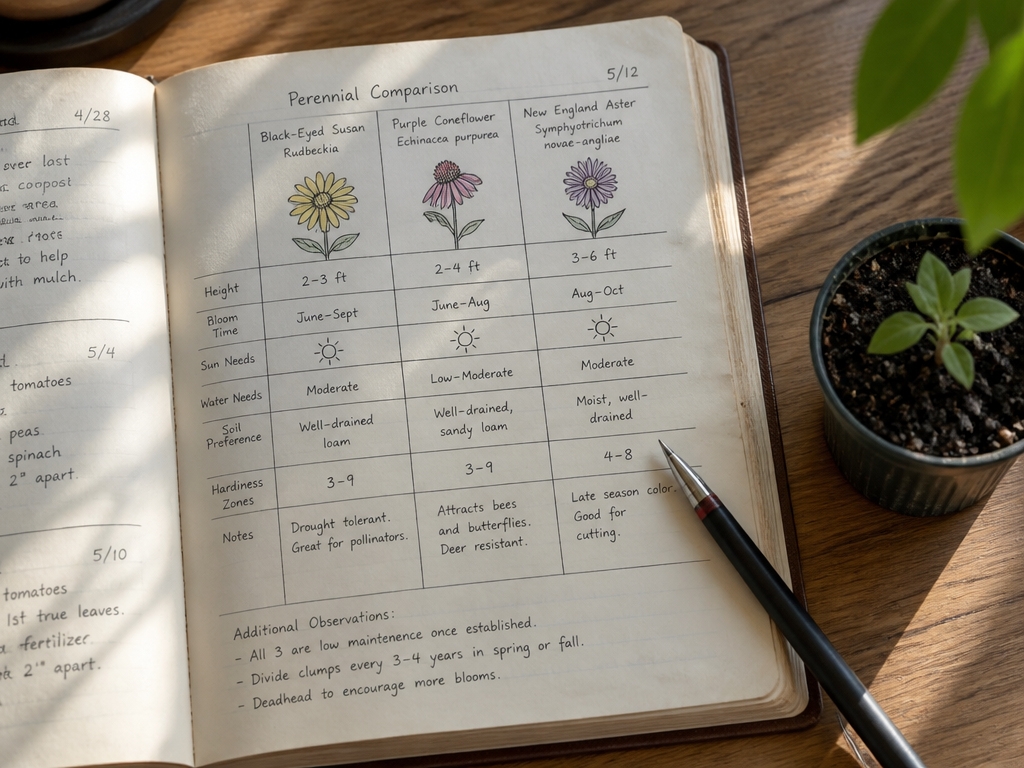
Beyond documenting specific problems, gardeners benefit from systematically comparing different plant varieties to identify which ones perform best in their particular growing conditions. A variety comparison chart page lists tomato cultivars, bean types, or lettuce varieties side by side, recording yield, disease resistance, flavor, and days to maturity for each option.
This layout enables gardeners to make informed decisions about future plantings based on documented performance data.
Budget Tracker Spreads
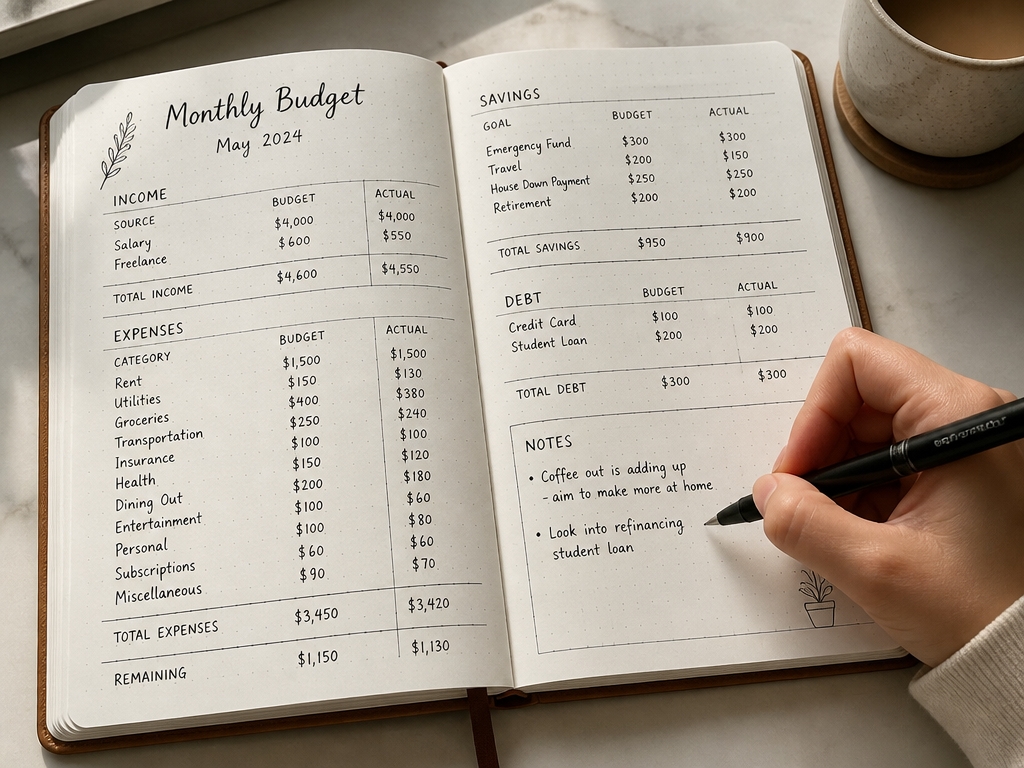
Tracking garden expenses across seeds, tools, fertilizers, and soil amendments requires dedicated journal pages that record spending by category and season. Gardeners can organize monthly totals, compare costs year-over-year, and identify areas where spending increased.
A simple table format works well, listing item names, quantities purchased, prices paid, and dates. This approach helps determine budget allocations for future growing seasons.
Seasonal Review Pages
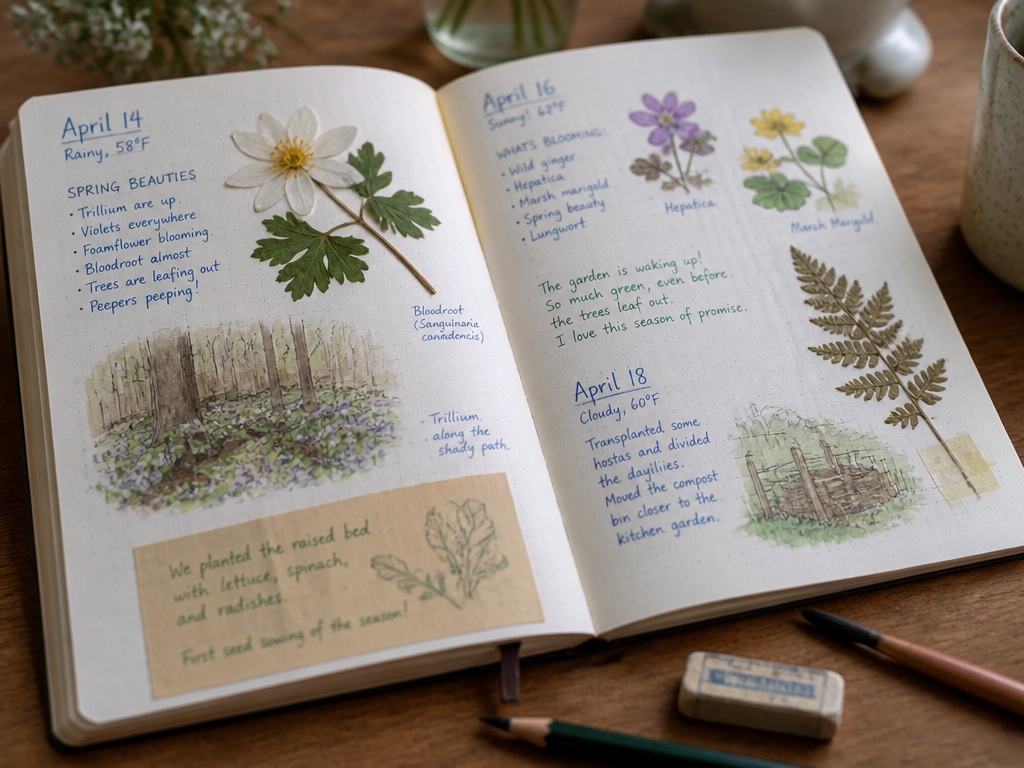
After documenting expenses throughout the growing season, gardeners benefit from reviewing what actually happened in their plots and beds. Seasonal review pages track which vegetables produced well, which struggled, and why.
Gardeners note planting dates, harvest yields, pest problems, and weather patterns. They record soil conditions, fertilizer applications, and watering schedules. This data informs next season’s decisions about crop selection, timing, and garden management strategies.
Frequently Asked Questions
How Do I Organize and Store My Completed Garden Journal Pages Long-Term?
One should store completed garden journal pages in acid-free folders or archival boxes, organized chronologically or by plant type. Keep them in a cool, dry location away from direct sunlight to prevent fading and deterioration over time.
What Supplies and Materials Work Best for Creating Durable, Weather-Resistant Journal Pages?
Gardeners benefit from using waterproof paper, laminated cardstock, or specialized outdoor journals. Archival-quality inks resist fading. Protective sleeves, plastic covers, and weatherproof binders guarantee longevity. Spiral binding prevents page loss during outdoor use.
Can I Digitize My Garden Journal Pages, and What Apps Integrate Well?
One can scan pages using a smartphone camera or flatbed scanner, then upload them to cloud storage like Google Photos or Dropbox. Popular apps include GardenTags, Planter, and Notion, which organize botanical records efficiently for modern gardeners.
How Do I Adapt Garden Journal Layouts for Container Gardening Versus Traditional Beds?
Container gardeners should modify layouts by tracking pot dimensions, soil types, and watering schedules separately. Traditional bed journals focus on soil amendments and spacing. Each format requires distinct sections: containers need drainage notes; beds need seasonal rotation plans.
What’s the Best Way to Share Garden Journal Insights With Other Gardeners?
Gardeners gain greater growth by graciously gathering and grouping their garden journal observations. One can contribute through community gardens, online forums, photography posts, or printed publications. Sharing seasonal successes and setbacks strengthens the gardening community’s collective knowledge base.
Conclusion
Garden journal layouts systematically organize planting data, growth records, pest management notes, and financial tracking. Gardeners benefit from maps, monthly spreads, seed logs, weather documentation, variety comparisons, and seasonal reviews. These pages function like a medieval illuminated manuscript, transforming garden information into organized, accessible records. Implementing multiple layout types creates thorough gardening reference materials. Regular documentation improves future planning decisions and yields measurable results across growing seasons.