
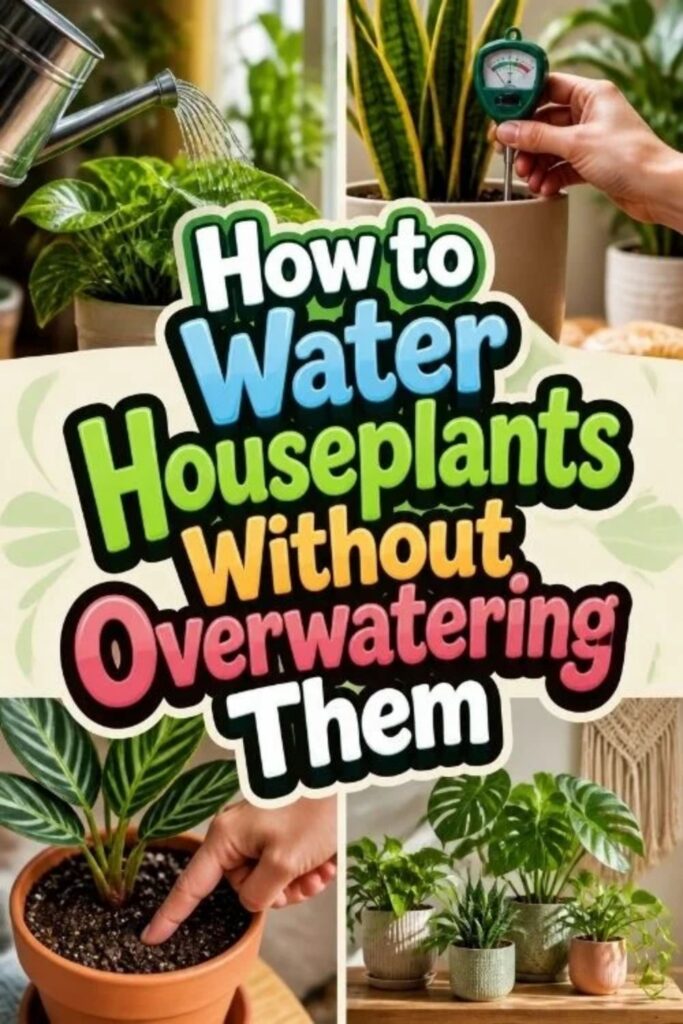
Most plant lovers have killed a plant with kindness at some point. Overwatering sneaks up quietly, rotting roots from below while leaves yellow and droop above. Learning to resist the urge to water on schedule, rather than actual need, marks the first step toward plant mastery.
A few simple checks transform guesswork into confidence. Press a finger two inches into the soil, lift the pot to judge its weight, or invest in an inexpensive moisture meter for precise readings. Each method reveals what the surface cannot: whether roots sit in damp darkness or genuinely crave a drink.
Beyond testing soil, success lives in the details. Pots must drain freely. Watering frequency should shrink in winter when growth slows, and each species carries its own thirst patterns. Tall, thin leaves? Likely a drinker. Thick, waxy succulents? They prefer neglect.
These habits build slowly, but the payoff rewards patience. Healthy roots, vibrant foliage, and the quiet pride of keeping something alive. The best plant parents observe first, water second, and trust the process in between.
Check Soil Moisture Before You Water
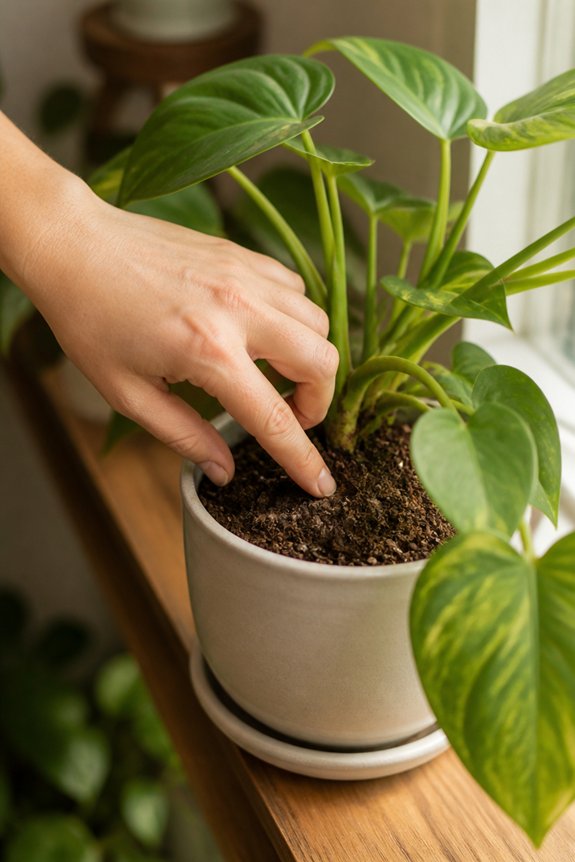
Why do so many houseplants fail to thrive? Overwatering ranks among the most common reasons, killing roots and promoting fungal growth. Checking soil moisture prevents this problem.
Before watering, gardeners should test the soil using several methods:
Insert a finger one to two inches into the soil, checking for dampness or dryness. Use a moisture meter, a device displaying numerical readings indicating water levels. Lift the pot, noticing its weight when dry versus wet. Observe the soil surface for color changes, as dried soil appears lighter.
Different plants require different moisture levels. Succulents need drier conditions, while ferns prefer consistently moist soil. Checking moisture guarantees plants receive appropriate water amounts, promoting healthy root systems and vigorous growth throughout seasons.
Also read: How to Care for a Monstera So It Actually Splits
Spot Overwatering Damage Before It Progresses

Recognizing the early signs of overwatering damage allows gardeners to intervene before plants decline further. Yellow leaves, particularly on lower portions of the plant, indicate excessive moisture in the soil. Soft, mushy stems signal root rot, a serious condition requiring immediate action.
Wilting leaves that occur despite wet soil represent another warning sign, as roots cannot absorb nutrients properly when saturated. Mold or fungus growth on soil surfaces suggests prolonged dampness. A sour or musty odor emanating from the pot indicates anaerobic bacteria developing in waterlogged conditions.
Brown leaf edges may appear alongside yellowing. Checking plant bases and leaf undersides for visible decay helps catch problems early. Removing affected leaves and adjusting watering frequency prevents further deterioration and promotes recovery.
Understand Your Plant’s Watering Schedule
Once gardeners identify overwatering problems, establishing a proper watering schedule prevents future damage. Different plants require different amounts of water based on their species, pot size, and soil type. Succulents like jade plants need water every two to three weeks, while ferns require more frequent watering.
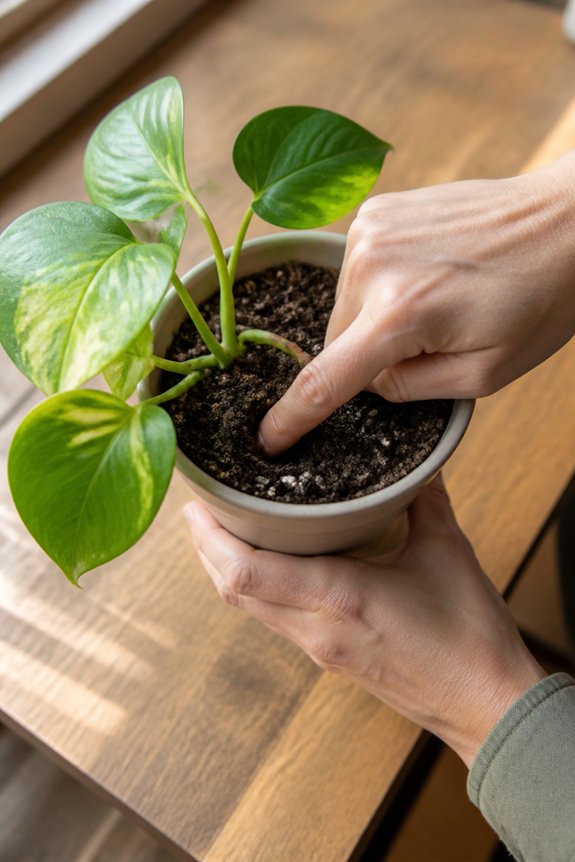
Checking soil moisture before watering is essential: gardeners should insert a finger one inch into the soil. If the soil feels dry at that depth, watering is appropriate. If moisture remains, waiting several days is necessary.
Seasonal changes affect watering needs, with plants requiring less water during winter months. Most houseplants thrive with consistent schedules, though individual plant needs vary. Creating a written schedule helps gardeners maintain consistency and track their plants’ responses over time.
Use Containers With Drainage Holes
Proper drainage serves as a foundational requirement for healthy houseplants, preventing the root rot and fungal issues that develop from excess moisture. Containers must have drainage holes in the bottom, allowing water to escape freely after watering.
Select pots made from terracotta, ceramic, or plastic, each offering adequate drainage when holes are present. Terra cotta breathes naturally, promoting faster evaporation. Ceramic and plastic retain moisture longer, requiring adjusted watering schedules.
Place saucers or trays beneath pots to catch excess water, preventing floor damage. Empty these saucers within thirty minutes of watering to avoid water reabsorption into soil.
Larger drainage holes work better than small ones, ensuring water moves through soil quickly. This prevents waterlogged conditions that harm roots and encourage disease development in common houseplants like pothos and snake plants.
Water Thoroughly, Then Let Soil Dry Out
The watering approach that benefits most houseplants involves soaking the soil completely, then allowing it to dry between waterings. This cycle mimics natural rainfall patterns and prevents root rot from constant moisture.
When watering, pour water until it drains from the bottom holes, ensuring the entire soil mass is saturated. Plants like pothos, snake plants, and philodendrons thrive with this method. Check soil moisture by inserting a finger one inch deep; water only when this layer feels dry.
The drying period is critical. It allows oxygen to reach roots and prevents fungal issues. Most tropical houseplants need one to two weeks between waterings, though this varies by plant type, pot size, and season.
Overwatering remains the leading cause of houseplant death, making restraint essential.
Adjust Your Watering Routine by Season
Seasonal changes affect how quickly soil dries and how actively plants grow, requiring adjustments to watering frequency. During spring and summer, when temperatures rise and plants enter active growth phases, soil dries faster. Watering needs increase during these months, often requiring water two to three times weekly for fast-draining containers.
Fall brings cooler temperatures and slower plant growth. Reduce watering frequency to once weekly or every ten days, as evaporation decreases and plants require less moisture.
Winter presents the driest season for houseplants. Most tropical plants enter dormancy, needing minimal water. Check soil moisture carefully before watering, spacing applications ten to fourteen days apart. Some plants may need water only once monthly during winter dormancy, depending on indoor heating and container size.
Pick a Watering Method That Prevents Pooling
Selecting the right watering method helps prevent water from pooling on soil surfaces, where it can lead to root rot and fungal growth.
Watering from below using a saucer allows soil to absorb moisture gradually and evenly. Bottom watering works well for smaller containers and delicate plants. Drip irrigation systems deliver water directly to soil at a slow, controlled rate, minimizing surface accumulation. Soaker hoses function similarly, releasing water near the base of plants rather than overhead.
Watering cans with narrow spouts direct water precisely to soil, avoiding foliage entirely. For larger collections, self-watering containers or wicking systems maintain consistent moisture without excess pooling. Each method reduces standing water, promoting healthier root systems and decreasing disease risk markedly.
Frequently Asked Questions
What Type of Water Should I Use for My Houseplants—Tap, Filtered, or Distilled?
Most houseplants thrive with tap water, though filtered water reduces chlorine exposure. Distilled water lacks beneficial minerals but works for sensitive species. One should allow tap water to sit overnight, letting chemicals dissipate before watering.
How Can I Tell the Difference Between Underwatering and Overwatering Symptoms?
Studies show approximately 90% of houseplant deaths result from overwatering. Underwatered plants display crispy, brown leaf edges and wilting, while overwatered specimens exhibit yellowing leaves, soft stems, and musty soil odors indicating root rot development.
Should I Water Houseplants on a Specific Day or Time of Day?
One should water houseplants when soil moisture levels indicate necessity rather than following a rigid schedule. Morning watering proves ideal, allowing plants to absorb moisture before evening. Checking soil dampness consistently matters more than selecting specific days.
What Humidity Level Is Best for Houseplants That Need Consistent Moisture?
Most houseplants requiring consistent moisture thrive in humidity levels between 50-70 percent. Higher humidity reduces water loss through leaves, decreasing watering frequency. One can increase ambient moisture through misting, pebble trays, or grouping plants together.
Can I Use Self-Watering Pots or Globes as a Reliable Watering Solution?
Self-watering pots and globes can serve as convenient tools, though they require monitoring. These devices help maintain consistent moisture levels but may not suit all plant types. Users should regularly check soil conditions and adjust watering accordingly for ideal plant health.
Conclusion
Mastering houseplant watering is like finding balance on a tightrope—too much tips the scales toward root rot, too little toward withering. Checking soil moisture, ensuring drainage holes, and adjusting seasonally creates a stable foundation for plant health. This approach prevents common mistakes, protects roots from drowning, and encourages vigorous growth. Consistent observation and practical adjustments transform watering from guesswork into reliable plant care.