Getting a small garden planned in just one afternoon takes focus, but it’s entirely doable. Start by measuring your space and watching how sunlight moves across it. A few hours of observation now prevents costly mistakes later.
Soil type and water access deserve attention before any plant goes in the ground. Grab some graph paper and sketch rough placements, keeping mature plant sizes in mind. Pathways need to be wide enough for a wheelbarrow or your knees during weeding sessions.
Companion planting relationships can boost your harvest naturally. Tomatoes love basil nearby, while marigolds deter certain pests. These small details make a surprising difference over a growing season.
Finish with a realistic shopping list and planting timeline. Some crops go in weeks apart, so stagger your purchases accordingly.
The best afternoon plans leave room for flexibility when weather or inspiration strikes.
Measure Your Space and Track Sunlight Patterns
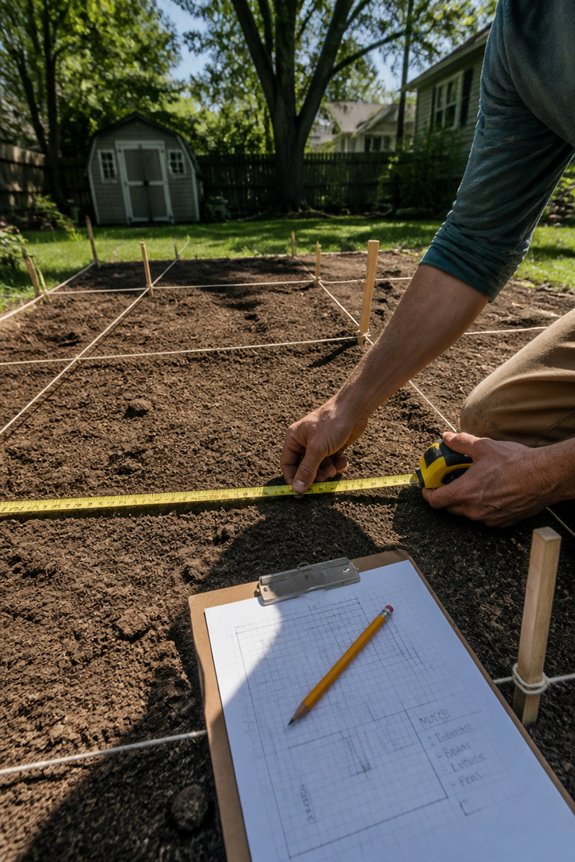
Two essential tasks form the foundation of any garden plan: measuring the available space and observing how sunlight moves across it throughout the day. A gardener should measure the length and width of the designated area, recording dimensions in feet or meters. This creates an accurate baseline for plant placement.
Sunlight tracking requires observation over several hours. Morning sun differs from afternoon sun in intensity and angle. Some plants need six to eight hours of direct sunlight daily, while shade-tolerant varieties require only two to three hours.
A gardener might note that the east side receives morning light, while the west side gets intense afternoon heat. Documenting these patterns prevents later problems with stunted growth or excessive wilting.
Also read: How to Care for a Monstera So It Actually Splits
Test Your Garden’s Soil Type and Water Access
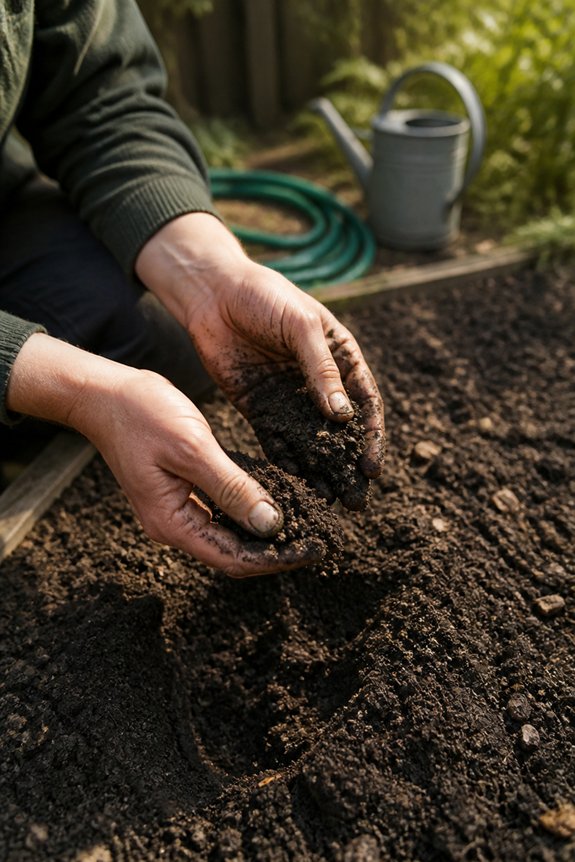
After establishing sunlight patterns, a gardener must examine the soil and water conditions in the designated plot. Testing soil type determines what plants will grow successfully. A simple method involves collecting soil samples from multiple locations, observing texture, and noting whether soil feels sandy, clay-like, or loamy.
Drainage matters considerably; poor drainage causes root rot in vegetables like tomatoes and peppers. Water access requires checking proximity to outdoor faucets, hose reach, and natural rainfall patterns. Gardeners should identify the nearest water source and measure distance to the plot.
Soil pH levels, typically ranging from 6.0 to 7.0, affect nutrient availability. Basic soil testing kits from garden centers provide pH readings and nutrient information, guiding fertilizer decisions for the upcoming growing season.
Choose Plants That Suit Your Growing Conditions
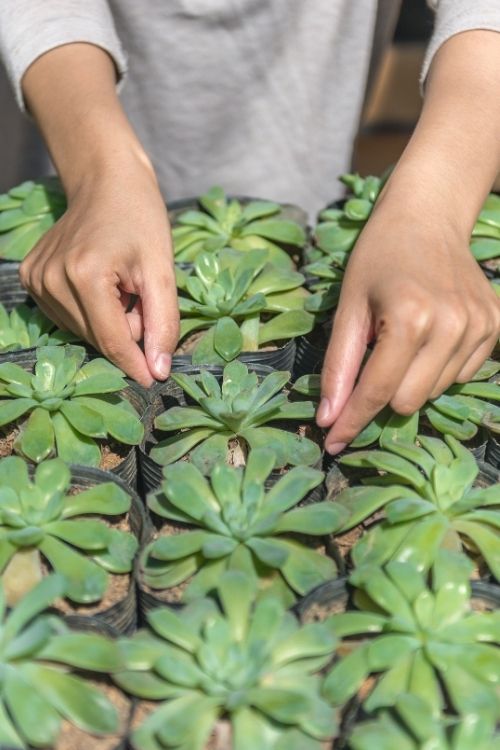
Once soil type, drainage, pH levels, and water access have been established, selecting appropriate plants becomes the next logical step. Gardeners should match plants to their specific conditions rather than choosing plants first.
Shade-tolerant plants like hostas, ferns, and impatiens work well in low-light areas. Sunny locations accommodate tomatoes, peppers, and herbs such as basil and rosemary.
Wet soil supports plants including sedges, marsh marigolds, and cattails. Dry soil suits drought-resistant species like sedum, lavender, and ornamental grasses.
Acidic soil favors blueberries and rhododendrons. Alkaline soil supports clematis and lilacs.
Container gardening offers flexibility for unsuitable ground conditions. Native plants adapted to local climates require less maintenance and water than non-native species. Choosing compatible plants reduces problems and increases garden success.
Sketch Your Garden Layout on Paper
Before purchasing plants or breaking ground, gardeners should sketch their garden design on paper. This drawing serves as a planning tool, helping organize space and plant placement effectively.
Gardeners can use graph paper to create an accurate scale representation of their garden bed. They should measure the area first, then convert these measurements to the paper’s grid squares. Marking sun exposure, shade areas, and existing structures like fences or trees proves essential.
Next, gardeners outline where each plant will go, considering mature sizes and spacing requirements. They might draw circles or rectangles representing plants at full growth. Including pathway locations and seating areas prevents overcrowding.
This sketch becomes a reference during planting, reducing costly mistakes. Gardeners can adjust designs multiple times on paper before committing to physical changes in their garden space.
Position Plants by Size, Spacing, and Companion Relationships
Three key factors determine successful plant positioning: mature plant size, spacing requirements, and companion planting relationships.
Gardeners should place tall plants, like tomatoes or sunflowers, toward the north side of the garden. This prevents them from shading shorter plants. Medium-height plants, such as peppers or beans, occupy the middle sections. Low-growing plants, including lettuce or basil, go in front.
Spacing prevents disease and competition for nutrients. Most vegetables need 12 to 24 inches between plants, depending on species. Check seed packets for specific requirements.
Companion planting improves growth through beneficial relationships. Tomatoes grow well near basil and carrots. Beans fix nitrogen in soil, benefiting neighboring plants. Marigolds deter pests from nearby vegetables. Positioning plants strategically reduces pest problems and increases overall garden productivity without chemical interventions.
Design Pathways and Leave Working Space
Efficient garden layouts require thoughtful pathways and adequate working areas between planted sections. Pathways should be at least two feet wide, allowing gardeners to move comfortably without stepping on plants or compacted soil. Narrow stepping stone paths work well in small spaces, directing foot traffic away from growing areas.
Working space behind or beside beds enables access for weeding, watering, and harvesting. A minimum of one to two feet of clearance prevents damage to plants and allows proper maintenance.
Pathways can incorporate mulch, gravel, or wood chips, which suppress weeds while defining garden structure. Consider placing a small potting area or tool storage station adjacent to pathways. This central location reduces time spent retrieving supplies. Strategic pathway design transforms small gardens into functional, navigable spaces while maximizing planting area.
Build Your Shopping List and Planting Timeline
Organizing a thorough shopping list and planting schedule guarantees gardeners acquire necessary supplies before work begins. Gardeners should document soil amendments, seeds, seedlings, mulch, and tools required for their specific layout. Creating a timeline involves noting frost dates, growing seasons, and spacing requirements for each plant variety.
A practical approach includes:
Listing plants by planting depth and water needs
Noting delivery dates for bulk materials like compost
Scheduling transplants two to three weeks apart for continuous harvests
Recording expected maturity dates for planning succession crops
Cross-referencing the shopping list with the garden design prevents duplicate purchases and verifies adequate quantities. Gardeners who establish this framework before purchasing materials complete projects more efficiently, reduce waste, and maintain better budget control throughout the growing season.
Frequently Asked Questions
What Garden Layout Mistakes Should Beginners Avoid When Planning Their First Small Garden?
Beginners should avoid overcrowding plants, ignoring sunlight requirements, neglecting soil preparation, placing tall plants where they shade shorter ones, and failing to plan for plant growth. Additionally, they should resist planting without considering water access and proper spacing between vegetables.
How Can I Incorporate Vertical Gardening to Maximize Space in a Small Garden Layout?
One can maximize limited garden space by installing trellises, wall-mounted planters, and hanging baskets. Stacking containers and growing vining plants upward reduces ground footprint while increasing planting capacity markedly. This approach optimizes sunlight exposure and improves air circulation.
What Budget Should I Allocate for Starting a Small Garden From Scratch?
A beginner should allocate between $100-$500 for a small garden startup. Basic costs include soil ($20-$50), seeds or seedlings ($30-$100), tools ($40-$150), and containers or raised beds ($50-$200). Budget flexibility depends on garden size and existing resources.
How Do I Plan a Small Garden That Attracts Pollinators and Beneficial Insects?
Research shows that pollinator-friendly gardens increase crop yields by up to 75%. One should select native flowering plants blooming at different seasons, provide water sources, avoid pesticides, and include herbs like lavender and basil to create an inviting habitat.
What Are the Best Container Gardening Options for Small Spaces With Limited Ground Area?
Container gardening offers excellent solutions for limited spaces. Vertical planters, tiered stands, and hanging baskets maximize growing areas. Lightweight fabric pots and recycled containers work well. Choosing shallow-rooted plants like herbs and succulents optimizes space efficiency while maintaining accessibility.
Conclusion
Planning a small garden in an afternoon requires measuring space, observing sunlight, selecting appropriate plants, sketching layouts, and positioning vegetation by size and spacing. Creating pathways guarantees maintenance accessibility. This method generates a million ideas simultaneously, transforming bare ground into organized growing areas. Following this systematic approach produces a functional garden plan, complete with a shopping list and planting schedule, ready for immediate implementation without confusion or wasted effort.