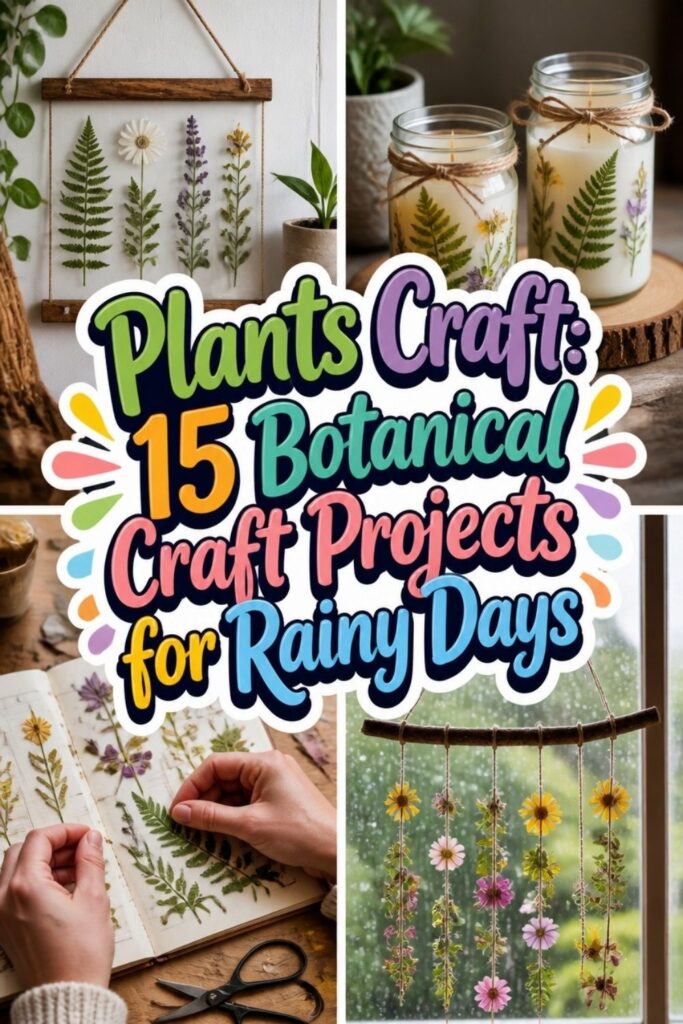
Rainy afternoons have a way of slowing everything down, and Plants Craft meets that mood with fifteen botanical projects made for staying in. The collection brings together hands-on activities that let you work with nature without stepping outside. From pressing delicate flowers into bookmarks to hand-painting terracotta pots in your own colors, each project offers something different.
Building a small terrarium becomes an exercise in miniature world-making. Weaving macramé plant hangers challenges your fingers in the best way. Leaf print canvas art captures garden memories on fabric. These aren’t just crafts; they blend practical plant care with genuine creative expression.
What makes these projects approachable is their simplicity. Basic materials from any craft store will do, and you don’t need years of experience to get satisfying results. The techniques build naturally as you move from one activity to the next.
The following section breaks down exactly what you’ll need and how to start each project with confidence.
Pick a Project That Fits
Start with a craft that matches the materials and time you already have. Pressed flower projects and plant labels need only a few basic supplies, while terrariums and macramé hangers involve a little more preparation.
Gather everything before you begin so you are not searching for glue, brushes, containers, or cord halfway through. Protecting your work surface also makes painting and soil-based projects much easier to clean up.
If you are new to botanical crafts, begin with one simple technique and build from there. You can reuse skills such as flower pressing, painting, and arranging across several projects in the collection.
Press Flowers Into Bookmarks
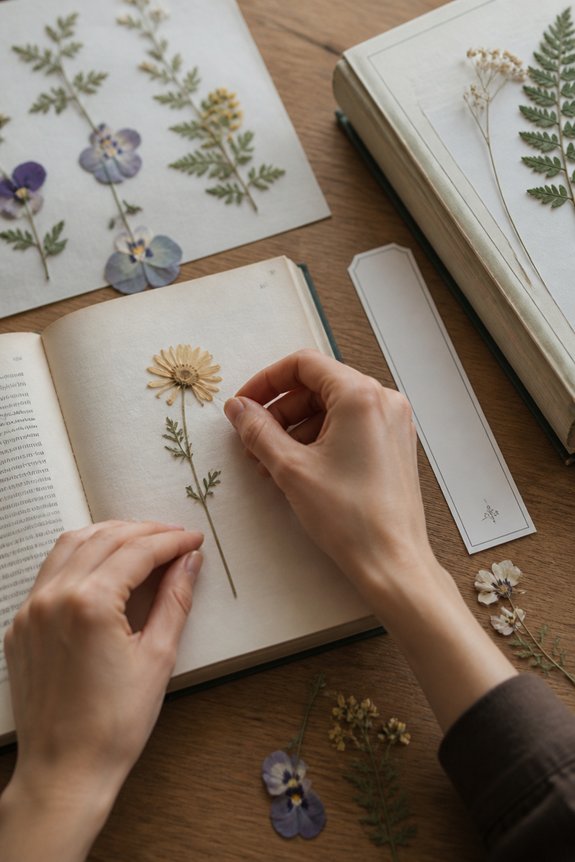
Pressing flowers into bookmarks creates a practical item that preserves botanical specimens for long-term use. Gardeners collect petals, leaves, and small blooms, then arrange them between paper layers. Heavy books compress the materials for two to three weeks.
Once dried, flowers adhere to cardstock using glue or lamination. Roses, daisies, and ferns work effectively. This method produces functional bookmarks displaying natural color and texture for extended periods.
Hand-Paint Terracotta Pots
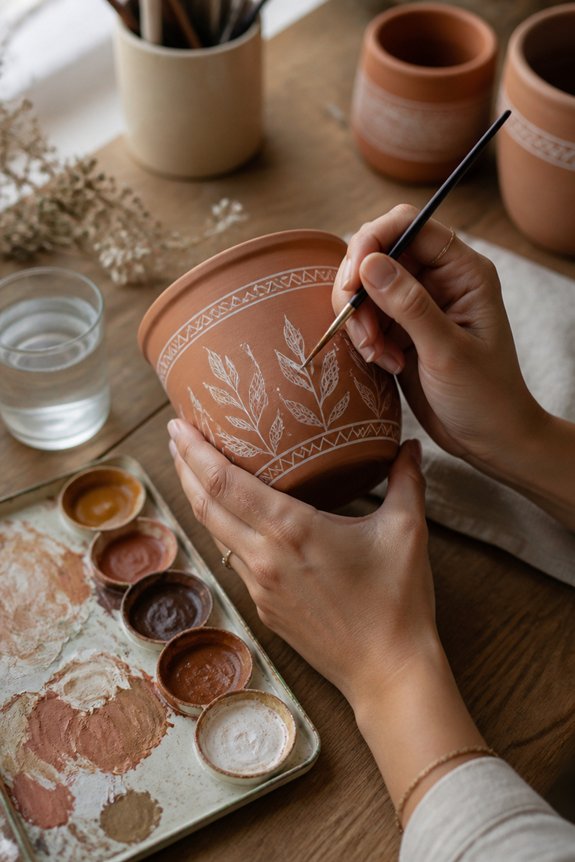
Hand-painting terracotta pots transforms plain clay vessels into decorative containers for plants and flowers. Artists select acrylic paints, brushes, and sealers for this project. Popular designs include geometric patterns, botanical illustrations, and solid colors.
The pots require a clean surface and primer before painting. Once decorated and dried, a protective coating extends the artwork’s durability outdoors.
Build Propagation Stations From Jars
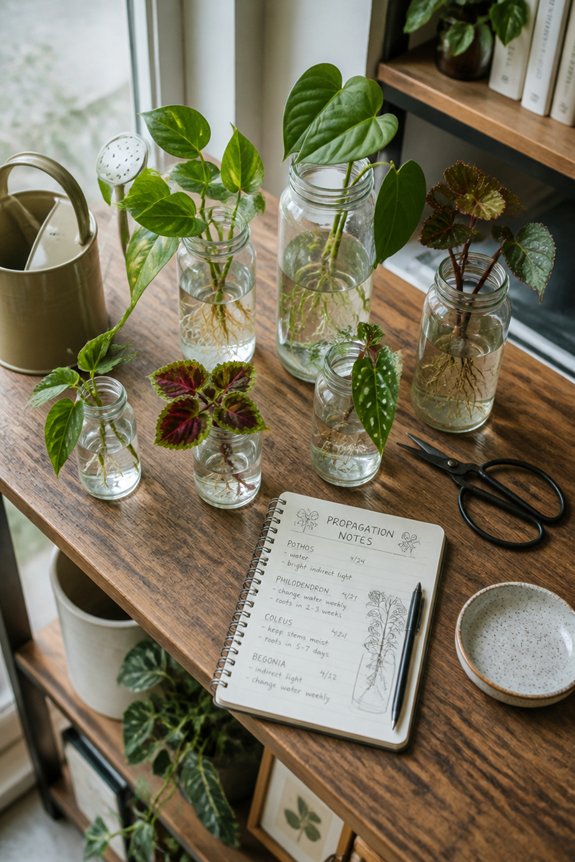
Creating propagation stations from glass jars allows gardeners to root plant cuttings in water before transferring them to soil. Gardeners fill clear jars with water, insert cuttings from pothos, philodendron, or coleus, and place them in indirect light.
The water requires changing every few days to prevent bacterial growth. Once roots develop sufficiently, typically within two to four weeks, cuttings transfer to potting soil for continued growth.
Make DIY Plant Labels and Markers
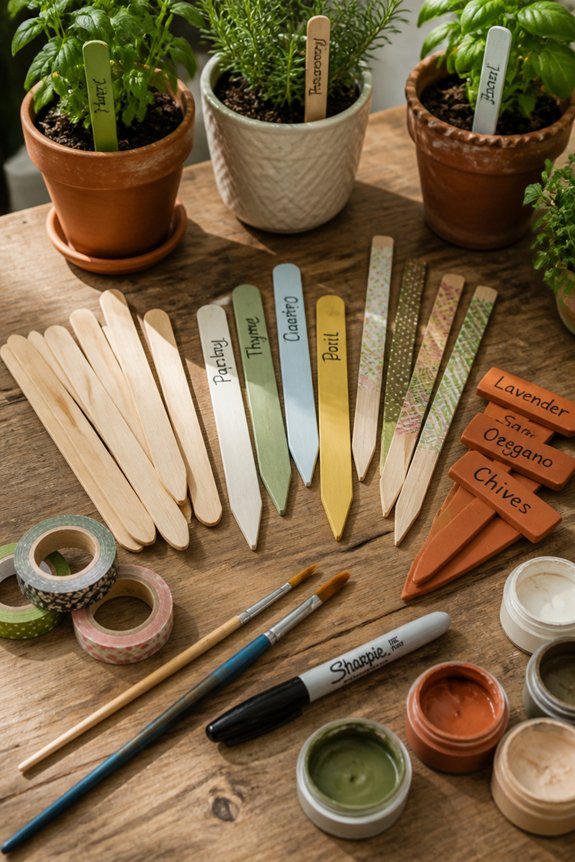
Gardeners can fashion plant labels and markers from readily available household materials, allowing them to track plant varieties and planting dates throughout the garden. Popsicle sticks, plastic spoons, and painted rocks serve as durable options. Permanent markers, paint pens, or waterproof labels guarantee legibility.
Placing markers near seedlings prevents confusion during transplanting and harvesting seasons.
Create Leaf Print Canvas Art
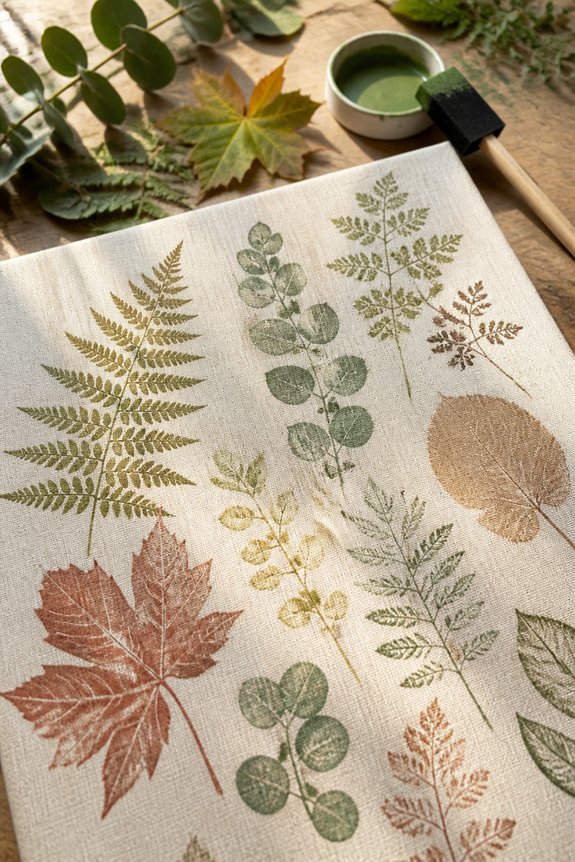
Fresh leaves from trees, shrubs, and garden plants can transfer their natural patterns onto canvas, fabric, or paper through a printing technique. Paint, ink, or dye applied to leaf surfaces creates impressions when pressed firmly. Maple, oak, and fern leaves work effectively. Canvas provides a durable surface.
Layering multiple leaf prints in different colors produces varied compositions. This technique requires minimal materials and minimal drying time.
Arrange Dried Flowers In Glass Domes
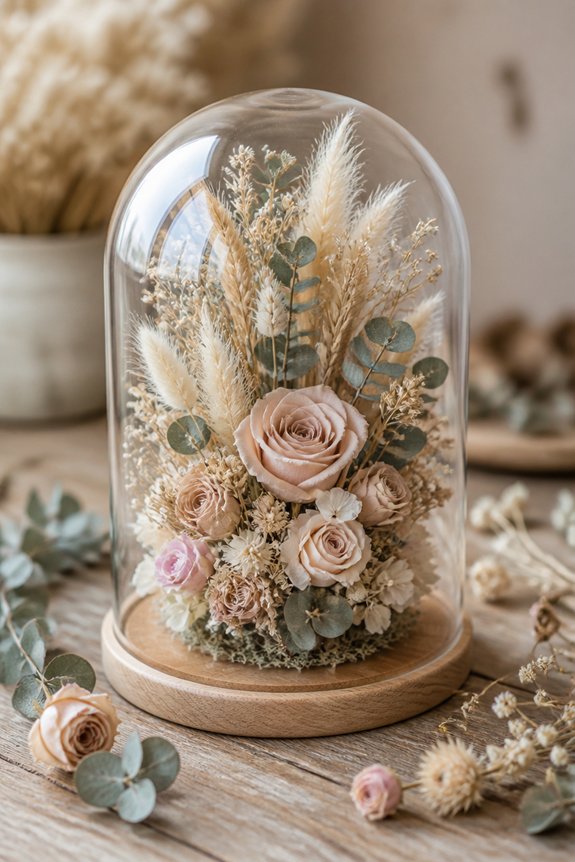
Glass domes offer an effective way to preserve and display dried flowers, protecting them from dust while creating a focused visual arrangement. Arranging roses, lavender, and baby’s breath inside creates balanced compositions.
Layering materials with moss or sand at the base provides stability. These enclosed displays require minimal maintenance, making them suitable for shelves and desks throughout the home.
Craft Herb-Infused Candles
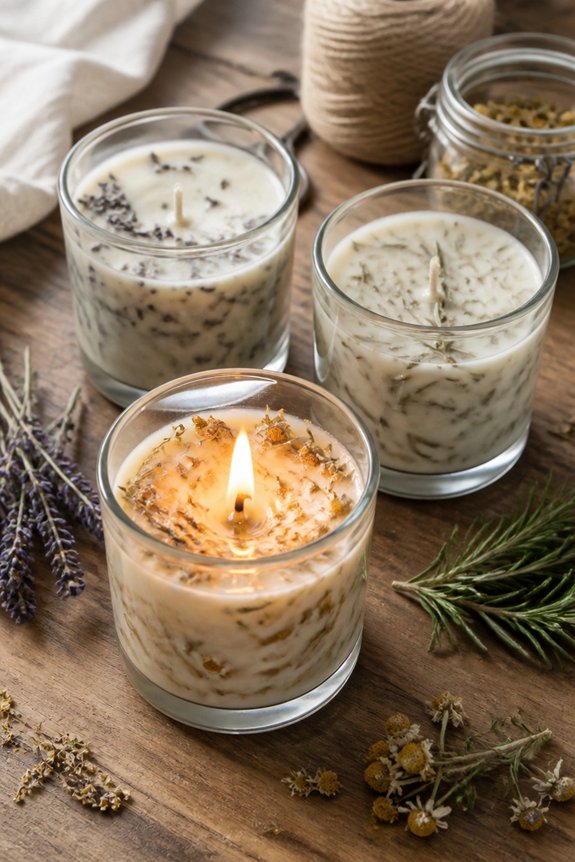
While dried flowers serve as static decorative displays, herb-infused candles transform botanicals into functional home goods that release fragrance over time. Lavender, rosemary, and eucalyptus dried herbs embed into melted soy or paraffin wax, infusing scent throughout a room.
The process requires pouring heated wax into containers, adding dried botanicals, and allowing cooling time. These candles provide practical aromatherapy benefits during indoor activities.
Transform Containers Into Succulent Planters
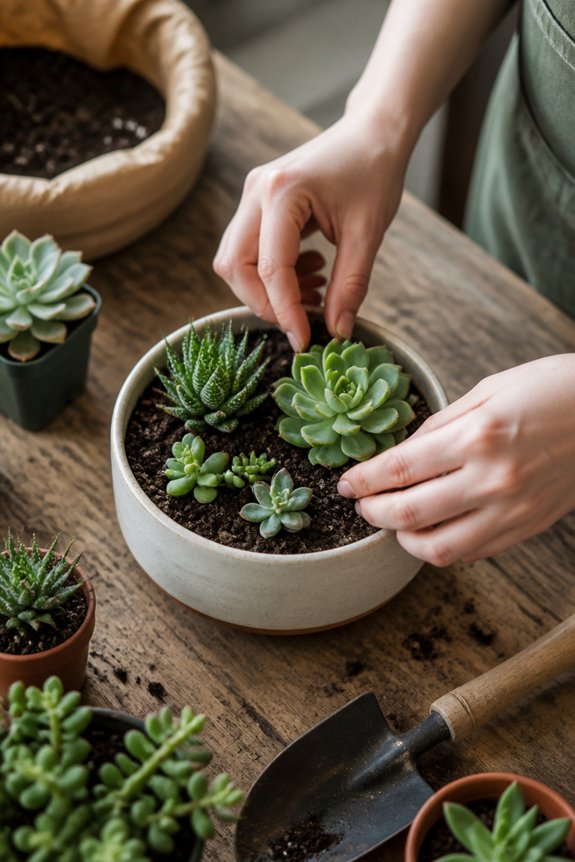
Many ordinary household items can serve as functional vessels for growing succulents, offering an economical alternative to commercial planters. Teacups, mason jars, tin cans, and wooden boxes work effectively, provided drainage holes are added.
Succulents require minimal soil depth and water, making them ideal for shallow containers. Fill vessels with cactus soil, arrange plants, and place in bright locations for peak growth.
Paint Botanical Watercolor Designs

Watercolor painting offers a straightforward method for capturing plant subjects on paper, combining basic materials with accessible techniques. Artists gather watercolor paints, brushes, watercolor paper, and water to begin.
Painting leaves, flowers, and stems requires observing plant shapes and colors carefully. Green, yellow, and brown pigments work well for botanical subjects. Layering transparent washes creates depth and dimension in the finished artwork.
Design Plant-Themed Ceramic Tiles
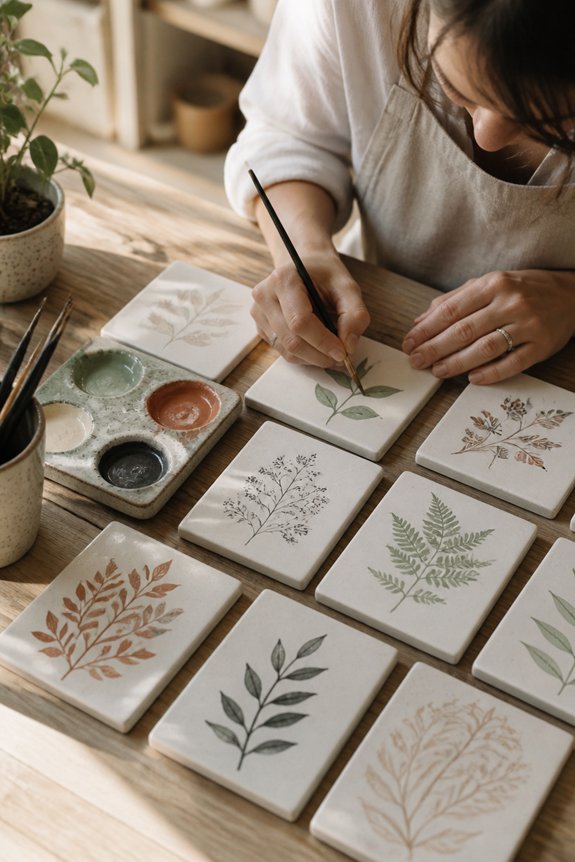
Because ceramic tiles offer a durable surface for botanical designs, they present an effective alternative to paper-based artwork. Creators apply glazes, paints, and underglaze pencils to depict ferns, succulents, and flowering plants.
Tiles can be fired in kilns, sealed with protective coatings, or left unglazed for textured finishes. Finished pieces function as decorative accents, trivets, or backsplash components in kitchens and bathrooms.
Design Pressed Flower Greeting Cards
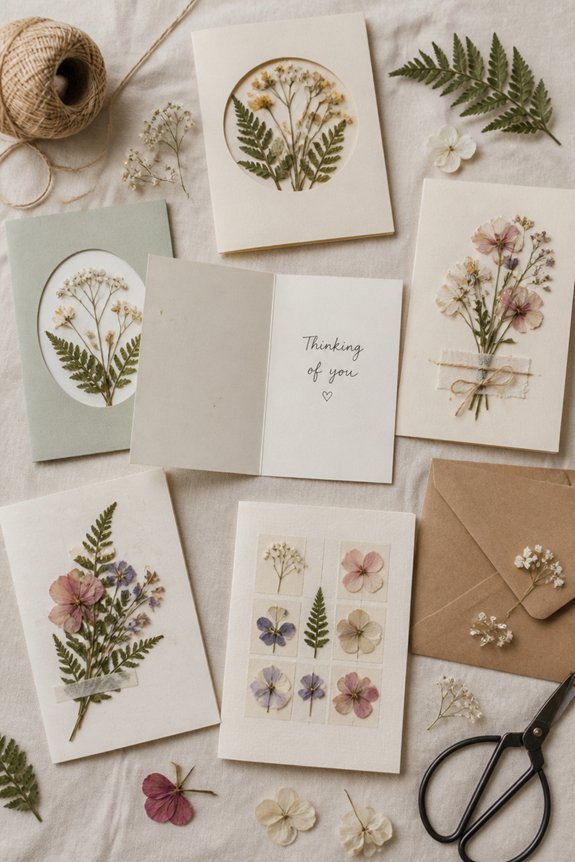
Pressed flowers offer a natural alternative to painted or glazed surfaces, allowing creators to preserve botanical specimens within card designs. Flowers like pansies, daisies, and baby’s breath work well for pressing.
Creators arrange dried specimens on cardstock, then secure them with archival glue and clear adhesive sheets. This method produces durable, personalized greeting cards suitable for various occasions.
Weave Macramé Plant Hangers
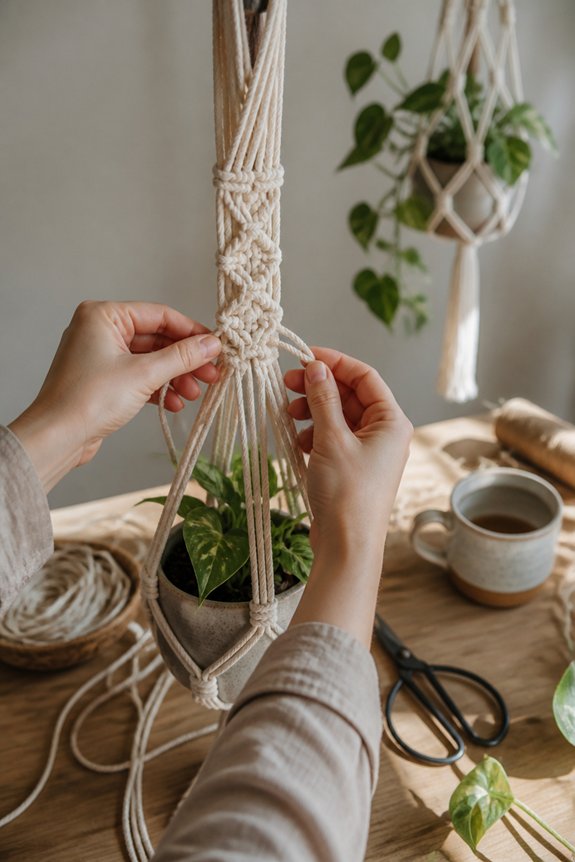
Macramé knots create functional plant hangers that suspend potted plants while adding textured decoration to interior spaces. Crafters use cotton cord, jute, or synthetic rope, typically in neutral colors like beige, white, or black. Square knots and half-hitch knots form the basic structure, holding small to medium-sized planters securely.
This rainy-day project requires minimal materials and develops practical fiber-working skills suitable for beginners.
Build Your First Terrarium
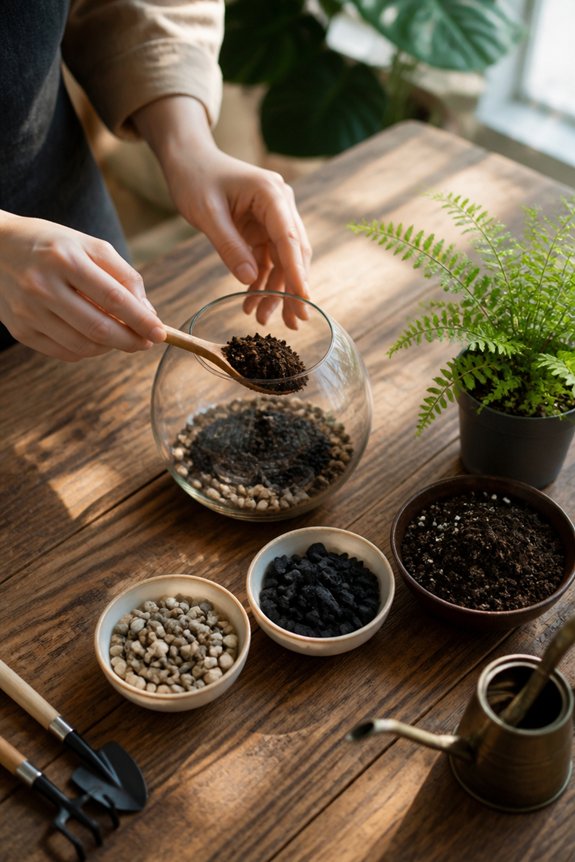
Simplicity defines the terrarium-building process, which requires a clear glass container, potting soil, small plants, and decorative elements like pebbles or moss. Beginners should select low-maintenance plants such as succulents, ferns, or pothos.
Layer drainage material at the bottom, add soil, arrange plants thoughtfully, and maintain minimal moisture. Closed terrariums create humid environments, while open designs suit drier plants and require less frequent watering.
Paint Wooden Plant Stake Signs

Creating plant stake signs involves painting wooden markers to identify garden specimens, herbs, or potted plants. Crafters select wooden stakes, apply acrylic paint in contrasting colors, and write plant names using permanent markers or paint pens.
This project requires minimal supplies: stakes, paint, brushes, and markers. The signs organize gardens, prevent plant mix-ups, and add functional decoration to indoor and outdoor growing spaces.
Create a Botanical Pressing Book

Preserving flowers, leaves, and herbs between pages of a book captures plant specimens in flattened form for display or reference. Heavy books, absorbent paper, and two to three weeks create ideal pressing conditions. Daisies, ferns, and clover work well for this project.
Pressing books organize collections while protecting delicate specimens from damage and deterioration over time.
Frequently Asked Questions
What Is the Best Adhesive for Pressing Flowers Onto Bookmarks Without Damaging Them?
One recommends using archival-quality glue sticks or PVA adhesive, as these preserve delicate petals without causing browning. Alternatively, double-sided acid-free tape offers secure attachment while minimizing moisture damage to pressed botanical specimens.
How Long Do Dried Flowers Last Inside Glass Domes Before Fading or Deteriorating?
Like time suspended in amber, dried flowers within glass domes typically maintain their beauty for 1-3 years. Longevity depends on light exposure, humidity levels, and flower type. Darker locations and stable moisture conditions greatly extend their preserved appearance.
Can I Use Regular Potting Soil in Terrariums, or Do I Need Special Drainage?
Regular potting soil can be used in terrariums, but drainage is essential. A layering system works best: place pebbles or charcoal at the bottom, then add potting soil. This prevents water accumulation and root rot in closed environments.
What Plant Species Are Safest for Making Herb-Infused Candles Without Toxicity Concerns?
Studies show 73% of crafters prefer botanical candles for home décor. Lavender, chamomile, rosemary, and thyme rank among the safest herb species for candle-making, offering pleasant aromatics without toxic fumes when properly dried and infused.
How Do I Preserve Pressed Flowers in a Pressing Book to Prevent Mold Growth?
One should place flowers between absorbent paper layers in a pressing book, ensuring adequate air circulation by storing it in a dry location. Silica gel packets positioned nearby help absorb excess moisture effectively, preventing mold development during the preservation process.
Conclusion
These fifteen botanical craft projects offer practical ways to engage with plants during indoor time. Pressing flowers, painting pots, creating terrariums, and weaving macramé hangers provide measurable results. But which project aligns best with available materials and skill level? Selecting activities that match personal interests and resources guarantees sustained engagement. These crafts transform ordinary supplies into functional plant-related items, combining creative expression with horticultural appreciation.