
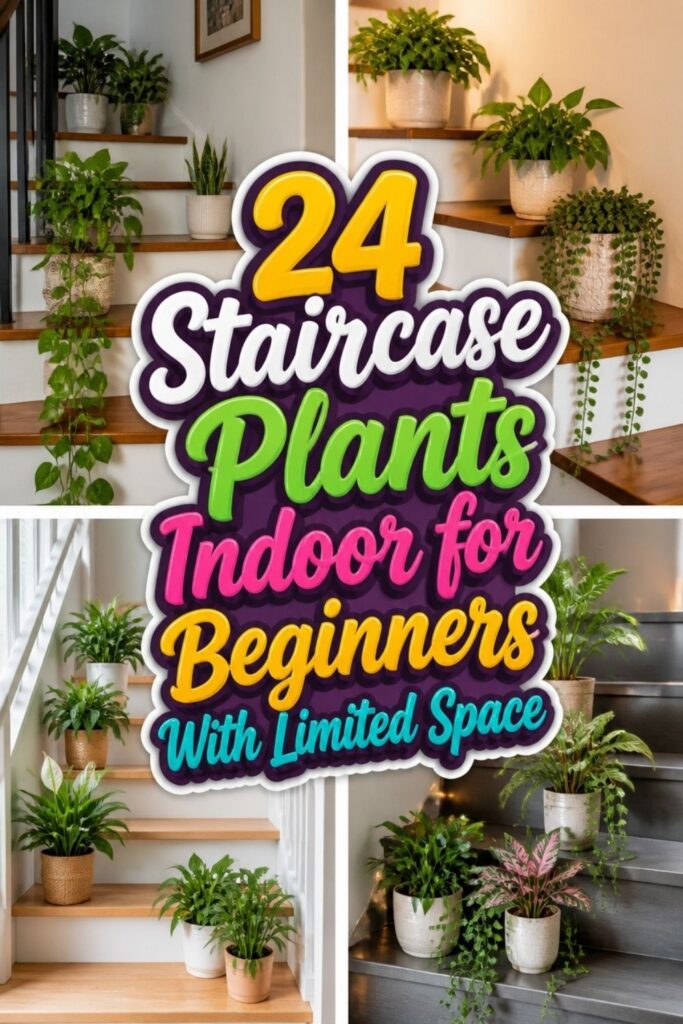
Staircases offer one of the most overlooked opportunities for indoor gardening, especially when floor space is scarce. Adding Staircase Plants Indoor can turn these unused vertical areas into refreshing green displays without taking over your living space.
These vertical spaces capture shifting light patterns throughout the day, creating microclimates that suit surprisingly diverse plant collections.
Trailing varieties transform railings into living green curtains. Pothos and philodendrons cascade downward beautifully, softening hard edges while requiring minimal maintenance. Their forgiving nature makes them ideal for busy beginners.
Step surfaces can also become display stages for upright specimens. Compact snake plants, small ferns, and resilient ZZ plants add greenery without obstructing foot traffic. The key is matching each plant’s light and water needs to its specific stair location.
Success with Staircase Plants Indoor depends on three fundamentals: understanding your light conditions, ensuring proper drainage, and choosing placements that work with daily movement.
The sections ahead explore specific plant recommendations and practical setup guidance for creating a healthy, attractive staircase garden.

Keep the Walking Path Clear
Treat safety as the first priority when deciding where each plant belongs. Compact upright plants can work on wider landings, while trailing varieties are better positioned along railings or upper areas where they won’t interfere with people using the stairs.
Use stable pots with drainage holes and add non-slip protection underneath containers placed near walking areas. Avoid balancing heavy planters on narrow steps or allowing long vines to hang where someone could catch a foot or hand on them.
Check the light at several points during the day before finalizing the arrangement. Staircases often have noticeably brighter and darker levels, so moving a plant just a few steps can give it much better growing conditions.
Why Your Staircase Is the Perfect Plant Real Estate

Staircases offer distinct advantages for plant placement that many homeowners overlook. The stepped design creates multiple light exposure levels, accommodating shade-tolerant plants like pothos and ferns on lower steps, while sun-loving varieties such as succulents thrive on upper levels.
This vertical arrangement maximizes unused space efficiently, utilizes natural light gradients, and adds visual interest without consuming floor area.
How Much Light Your Staircase Actually Gets

Before selecting plants for staircase placement, one must assess the actual light conditions present throughout the day. Staircases typically receive indirect, filtered light, varying by window proximity and direction. South-facing stairs get more brightness; north-facing ones receive minimal light.
Check light levels at different times: morning, midday, and evening. This assessment determines which plants will thrive in specific staircase locations.
Space-Saving Benefits of Vertical Staircase Gardens
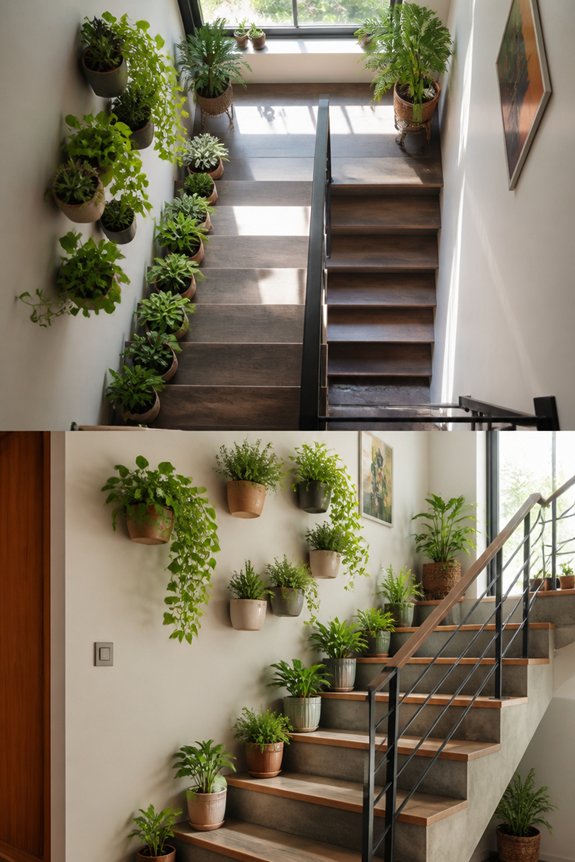
One of the primary advantages of placing plants on staircases involves maximizing limited indoor space. Vertical gardens utilize otherwise unused wall areas and step surfaces, allowing multiple plants to grow in compact environments. This arrangement proves especially effective in apartments and small homes.
Staircase placement eliminates the need for floor space, shelving units, or windowsills, making it an efficient solution for plant enthusiasts with spatial constraints.
Trailing Plants: Best Cascaders for Open Stairwells

Trailing plants offer an ideal solution for open stairwells, where their cascading growth naturally follows the downward slope of stairs. Pothos, string of pearls, and philodendron varieties perform well in staircase environments. These plants tolerate variable light conditions and require minimal maintenance.
Hanging them from upper stair railings allows vines to drape gracefully downward, maximizing visual interest while using otherwise unused space efficiently.
Pothos: The Unkillable Staircase Staple
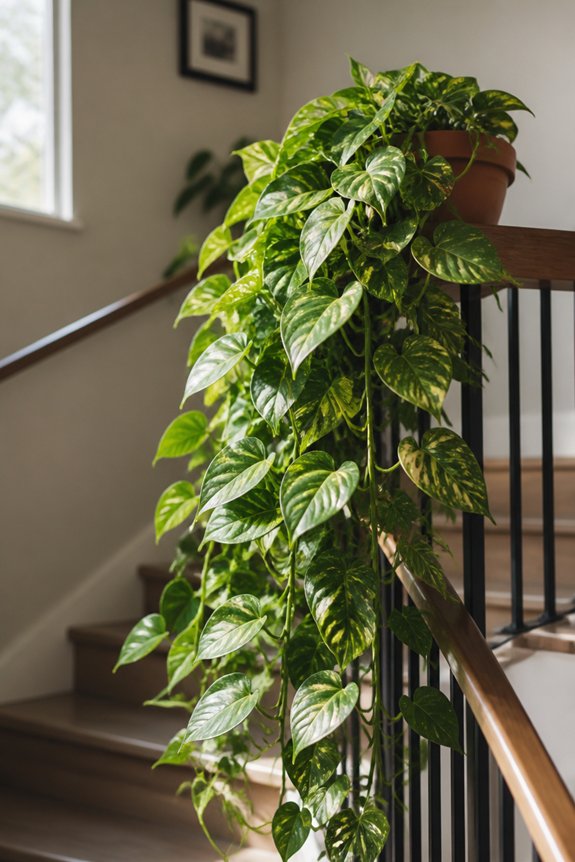
Pothos stands as the most reliable trailing plant for staircase environments, thriving in conditions where other houseplants struggle. This vine tolerates low light, irregular watering, and temperature fluctuations common in stairwells.
Golden pothos and marble queen varieties grow quickly, reaching lengths of several feet. The plant requires minimal maintenance, needing water every one to two weeks and occasional pruning to maintain desired shape.
Philodendron: Low-Maintenance Growth for Staircase Spaces
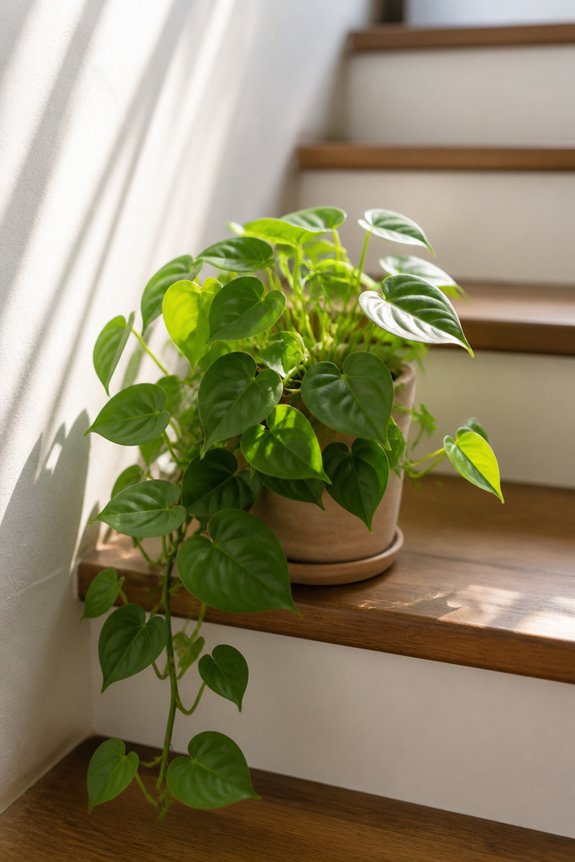
While pothos dominates staircase gardens, philodendrons offer comparable resilience with distinct growing habits suited to vertical spaces. Philodendrons tolerate low light conditions, irregular watering, and temperature fluctuations common in stairwells. Their climbing or trailing varieties fit narrow landings and corners effectively.
Heart-shaped leaves remain attractive with minimal care, making these plants practical choices for beginner gardeners managing limited square footage.
String of Pearls: Delicate Beauty for Bright Landings
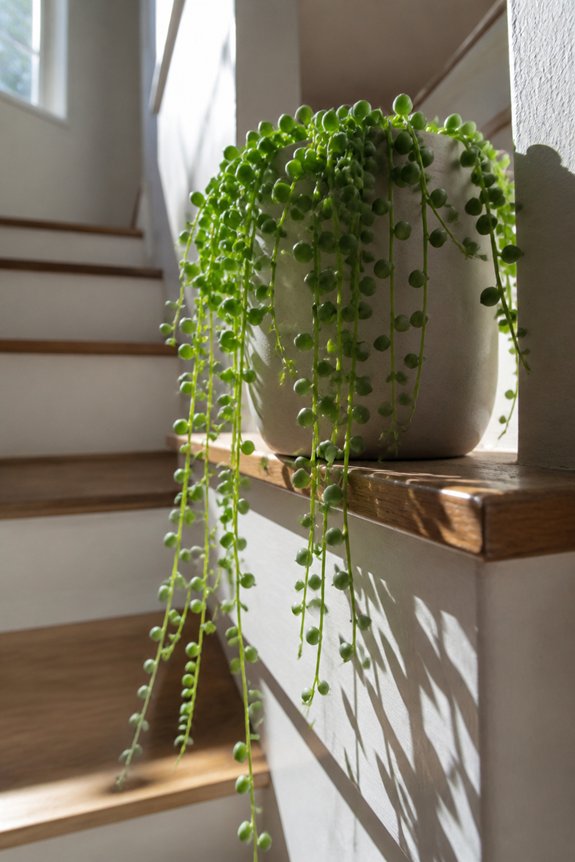
String of pearls presents a striking alternative to trailing vines, featuring small, spherical leaves that resemble beads threaded along delicate stems. This succulent requires bright, indirect light and minimal watering, making it suitable for staircase landings near windows.
The plant thrives in well-draining soil and prefers cooler temperatures. Regular misting helps prevent spider mites, a common pest affecting this species in indoor environments.
Upright Plants: Vertical Interest Without Floor Space
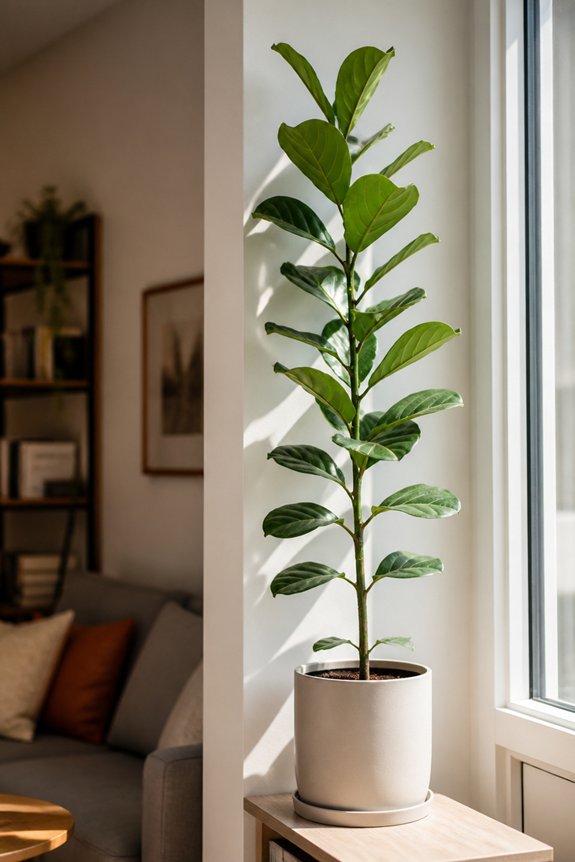
For staircases with limited landing space, upright plants offer a practical solution by growing tall rather than wide. Snake plants, dracaenas, and bamboo palms provide vertical interest without consuming valuable floor area.
These plants reach upward, creating visual depth along stairwell walls. Their narrow profiles fit snugly on small landings, making them ideal for compact staircase environments where space constraints require efficient plant placement.
Snake Plant: Low-Light Champion for Dim Stairwells

The snake plant stands out as an exceptionally tolerant houseplant, thriving in the low-light conditions common to interior stairwells. Its thick, upright leaves store water efficiently, reducing watering frequency. Snake plants tolerate neglect well, requiring minimal care. They grow slowly, making them suitable for confined spaces.
Water sparingly, allowing soil to dry completely between waterings. This plant suits dim corners effectively.
Dracaena: Architectural Interest in Compact Pots
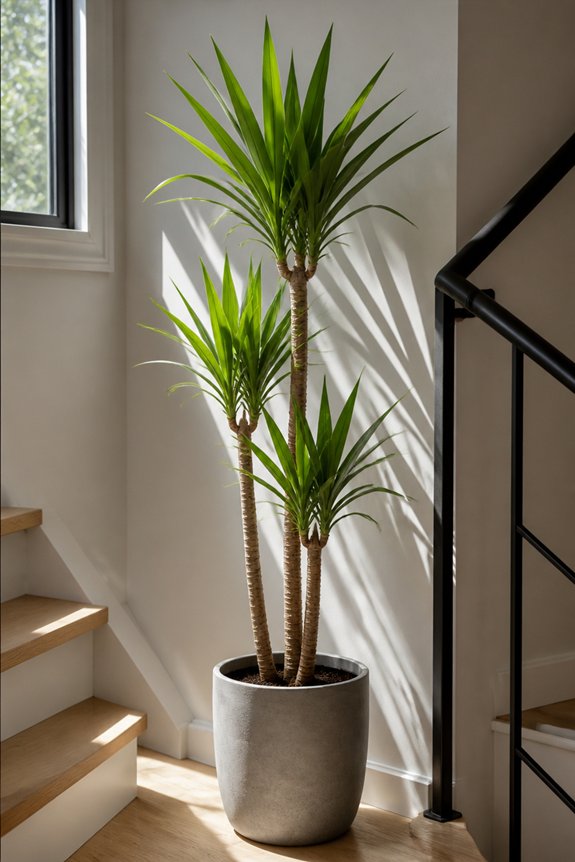
While snake plants excel in neglected corners, dracaenas offer a different appeal for staircase gardeners seeking visual structure and variety. Dracaena marginata and Dracaena fragrans display striking vertical forms, fitting well in compact pots along staircase landings. Their slender leaves create architectural interest without consuming significant floor space.
These plants tolerate moderate indirect light and occasional watering, making them practical choices for intermediate gardeners managing multiple levels.
ZZ Plant: Glossy Leaves, Minimal Care Required
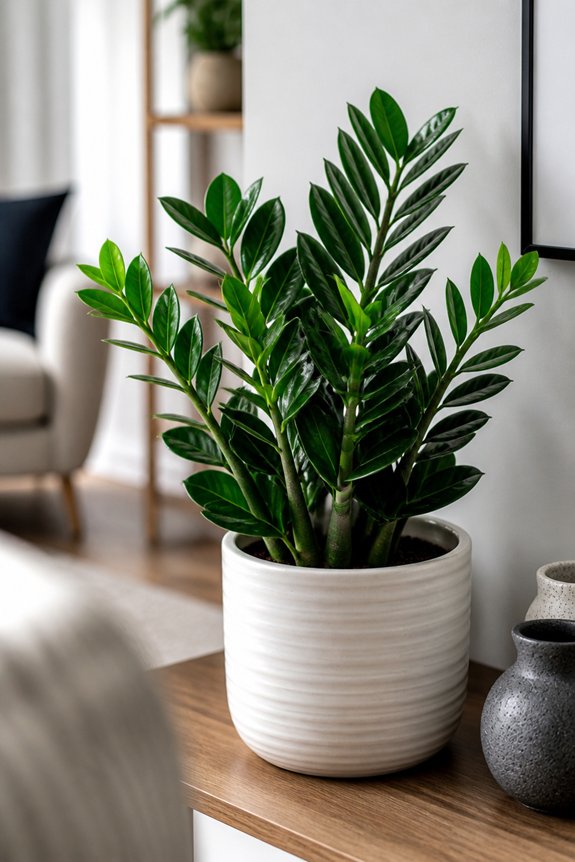
Among staircase plants suitable for beginners, ZZ plants rank high for their resilience and low maintenance demands. These plants feature glossy, compound leaflets that remain attractive with minimal intervention.
ZZ plants tolerate low light conditions, irregular watering schedules, and standard indoor temperatures. Their slow growth rate means less frequent repotting. Place them in medium pots with well-draining soil for best results.
Air Plants: No Soil, No Problem on Narrow Shelves

Air plants present a different approach to indoor gardening compared to traditional potted plants like ZZ varieties. These plants require no soil, making them ideal for narrow staircase shelves.
Air plants absorb moisture and nutrients through their leaves, needing only weekly misting or soaking. Popular varieties include Tillandsia ionantha and Tillandsia cyanea. They thrive in bright, indirect light and well-ventilated spaces.
Tillandsia (Air Plants): No Soil Required

Tillandsia plants, commonly known as air plants, eliminate the need for soil entirely, making them practical options for staircase gardening. These plants absorb moisture and nutrients through their leaves from the air.
They require misting two to three times weekly and bright, indirect light. Popular varieties include Tillandsia ionantha and Tillandsia xerographica, both adapting well to indoor staircase environments with minimal maintenance requirements.
Blooming Plants for Mid-Staircase Landings
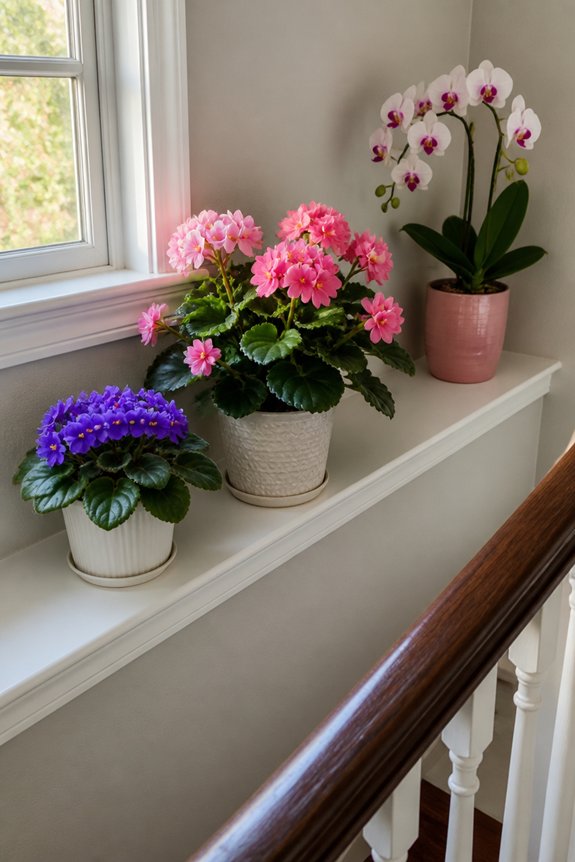
Mid-staircase landings provide ideal locations for blooming plants, which benefit from the increased light and air circulation found in these changing spaces. Orchids, African violets, and begonias thrive in these conditions. These plants require moderate watering, indirect bright light, and consistent temperatures.
The elevated position allows air to flow around foliage, reducing moisture-related disease risks while showcasing colorful blooms throughout the home.
African Violets: Beginner-Friendly Color for Staircase Landings

African violets stand out as particularly reliable choices for staircase landings, offering consistent blooms in shades of purple, pink, blue, and white. These plants prefer indirect light and moderate watering, making them suitable for mid-level stair locations.
African violets require well-draining soil and humidity levels around fifty to sixty percent. Their compact size fits standard shelving, and they bloom regularly with minimal care requirements.
Begonias: Vibrant Blooms on Compact Steps
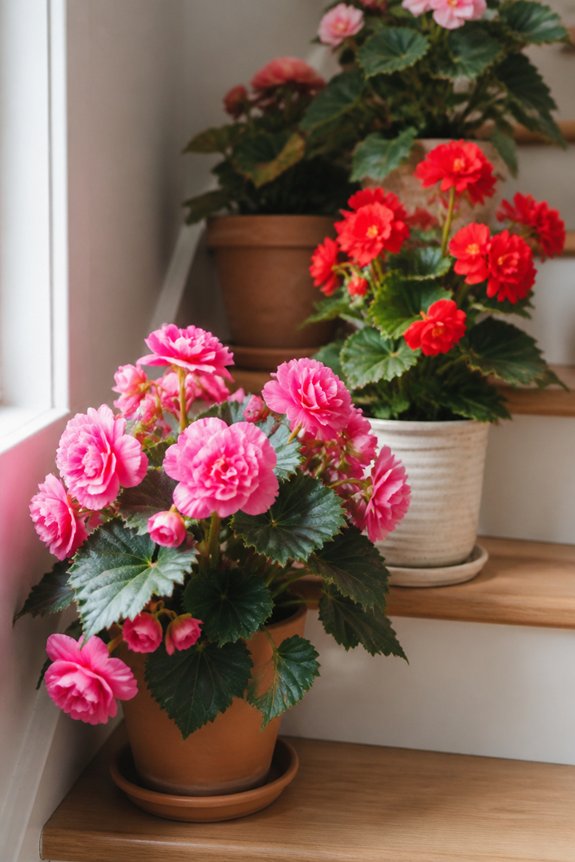
Begonias offer gardeners another reliable option for staircase environments, providing vibrant flowers in red, pink, orange, and white hues. These compact plants thrive in indirect light and moderate humidity, making them suitable for staircase landings.
Begonias require consistent moisture without waterlogging, regular feeding during growing seasons, and occasional pruning to maintain shape and promote blooming on limited steps.
Low-Light Champions for Dark Stairways
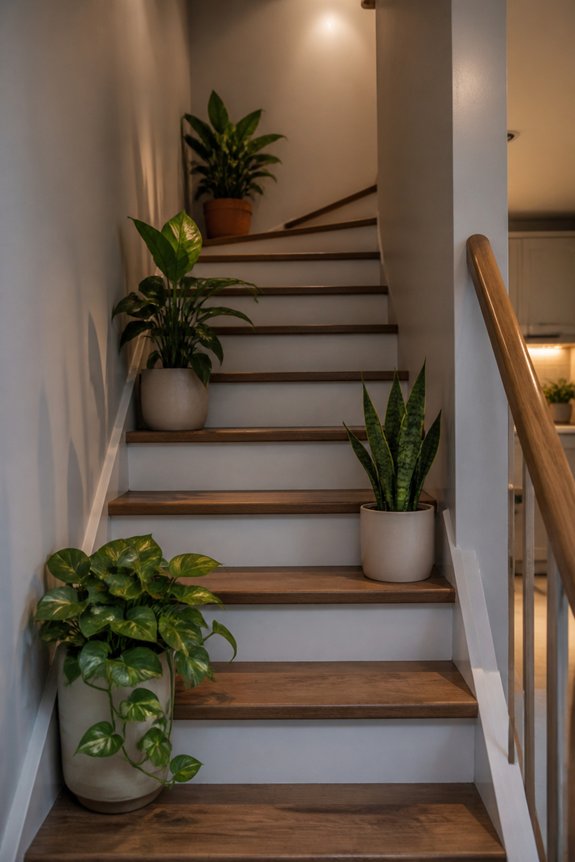
Dark stairwells present unique growing challenges, requiring plants that tolerate shade and limited natural light sources. Pothos vines thrive in dim conditions, climbing railings effectively. Snake plants endure neglect and low light with minimal care. Philodendrons adapt well to shadowy corners.
Cast iron plants earn their name through durability. These species require infrequent watering and occasional pruning for ideal staircase placement.
Ferns: Delicate Foliage for Humid Corners
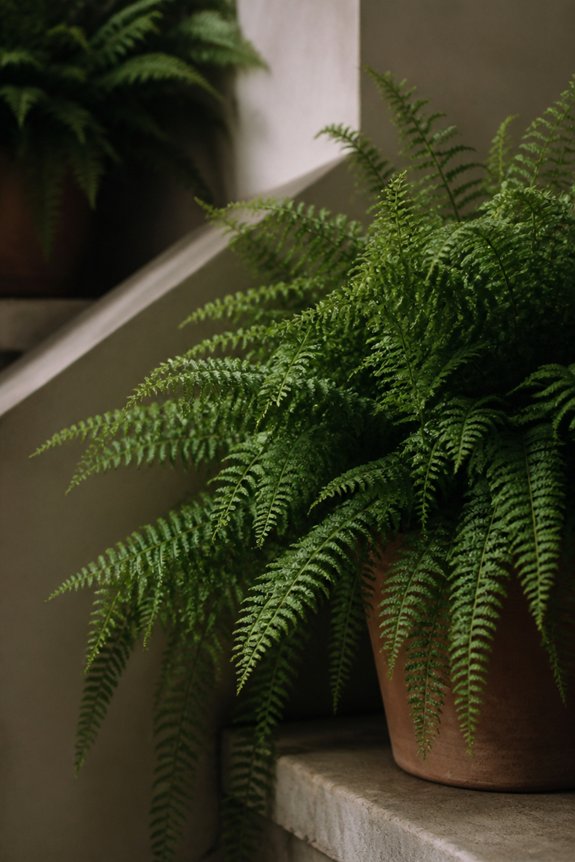
Moisture and shade create ideal conditions for fern growth, making these plants particularly suited to humid stairwell corners and bathroom landings. Boston ferns and maidenhair ferns thrive in consistent dampness.
They require indirect light, regular misting, and soil that stays moderately moist. These delicate plants develop fronds gradually, providing subtle green texture without demanding direct sunlight or frequent maintenance interventions.
Peperomia: Tiny Pots, Maximum Visual Interest
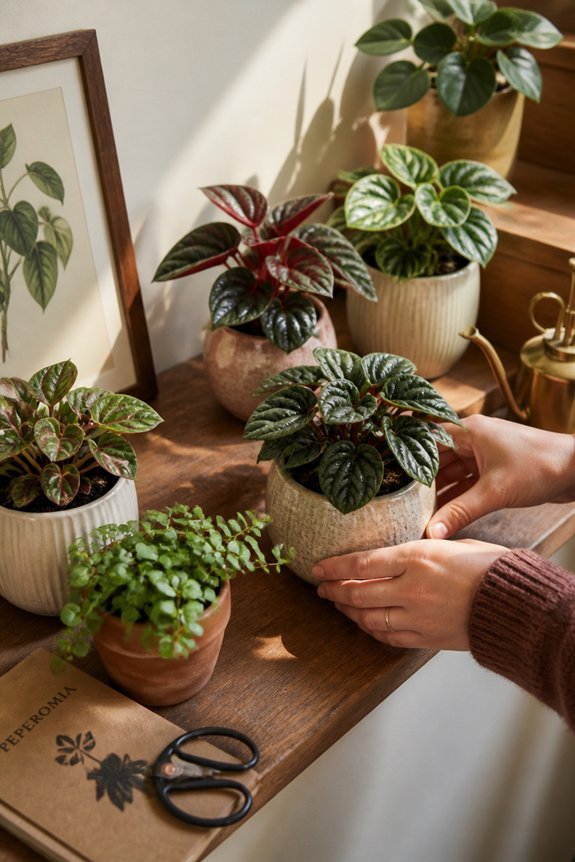
Compact growth and decorative foliage make peperomias excellent choices for staircase displays in small containers. These plants feature thick, textured leaves in varieties like Red Lips, Watermelon, and Emerald Ripple.
Peperomias tolerate moderate light and prefer slightly moist soil. Their slow growth rate and manageable size suit narrow shelves, landings, and corner spaces effectively.
Prayer Plants: Patterned Leaves That Move Daily
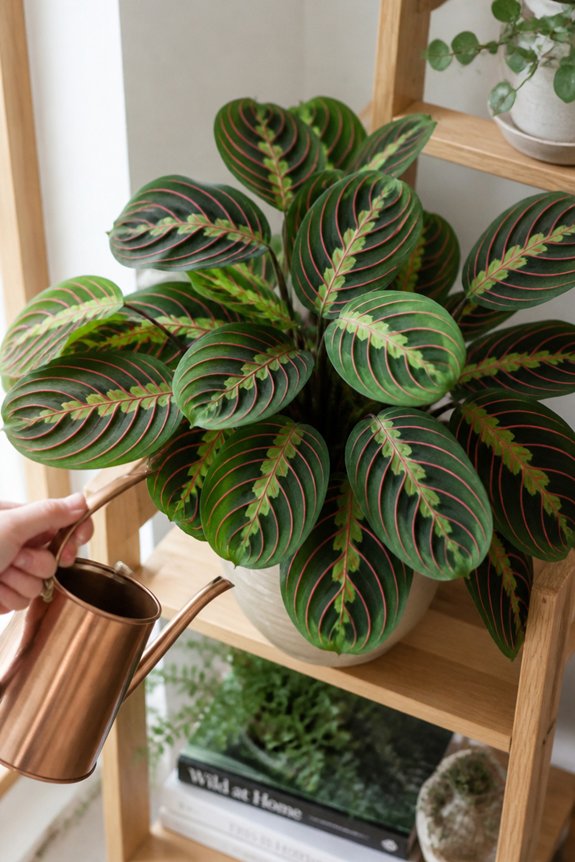
Prayer plants offer another dimension to staircase gardening through their distinctive leaf patterns and unique daily movement. These plants feature striking red veins, dark spots, and variegated markings on their leaves. The foliage folds upward at night, then opens during daylight hours.
Maranta leuconeura varieties thrive in indirect light and moderate humidity. Their compact growth makes them suitable for narrow staircase shelves and corners.
Succulents: Drought-Tolerant Options for Forgetful Gardeners
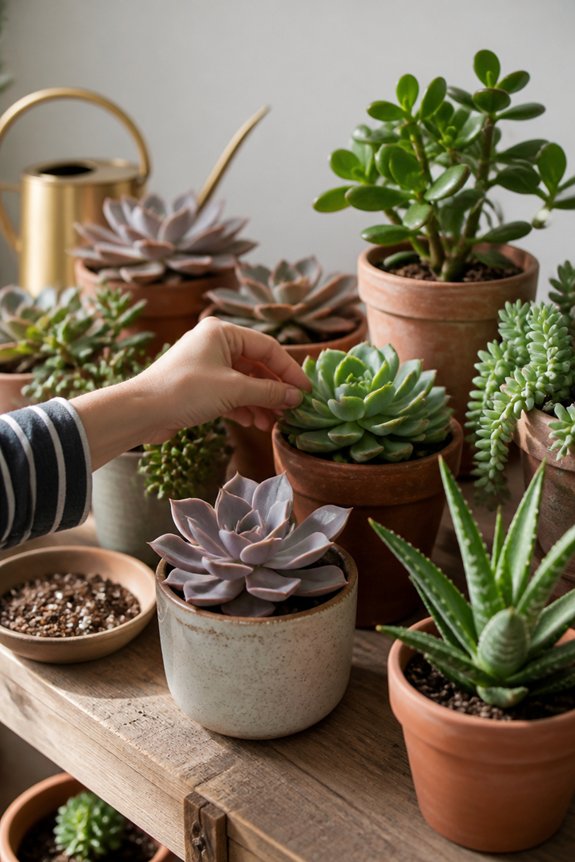
Unlike prayer plants that require consistent moisture, succulents store water in their fleshy leaves and stems, making them ideal for gardeners who water infrequently. Jade plants, aloe, and echeveria tolerate neglect well. They thrive in bright light and well-draining soil.
Water every two to three weeks during growing season. Reduce watering in winter months when growth slows considerably.
Jade Plant: Long-Lived Investment in Green

Among the most durable houseplants available, jade plants can live for decades, even reaching heights of several feet with proper care. These succulents require minimal watering, infrequent fertilizing, and bright indirect light.
Jade plants tolerate neglect well, making them suitable for busy gardeners. They develop thick, woody stems and glossy green leaves over time, serving as long-term decorative investments requiring little maintenance.
Best Plants for Humid, Enclosed Stairwells
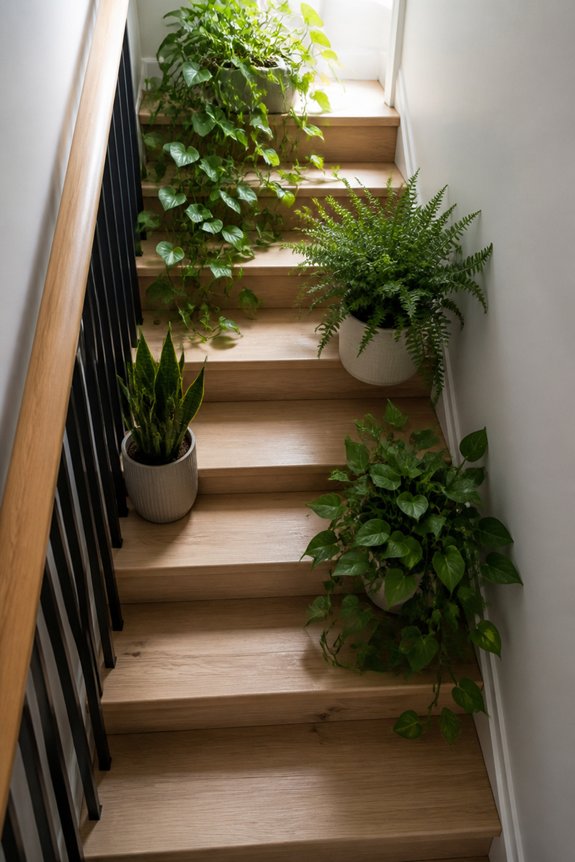
Stairwells present distinct growing conditions that differ from typical living spaces. Pothos, philodendrons, and ferns thrive in humid, enclosed areas with indirect light. These plants tolerate low-light environments and excess moisture common to stairways.
Spider plants and peace lilies also perform well in these conditions. Their adaptability makes them reliable choices for beginners managing stairwell gardening challenges.
Setup Essentials: Watering, Drainage, and Placement
Because stairwells have limited air circulation and unpredictable light patterns, proper setup requires attention to three critical factors: watering frequency, drainage systems, and plant positioning.
Pothos and snake plants need watering every ten to fourteen days. Use terracotta pots with drainage holes to prevent root rot. Position plants on middle steps where indirect light reaches consistently, avoiding dark corners and direct sun exposure near windows.
Frequently Asked Questions
How Often Should I Water Staircase Plants, and What’s the Best Watering Method?
Staircase plants typically require watering once weekly, though frequency depends on soil moisture and humidity levels. The best method involves watering at the soil base until water drains from the bottom, ensuring roots absorb moisture thoroughly while preventing leaf damage.
Can I Use Regular Potting Soil for Staircase Plants, or Do I Need Special Drainage?
Regular potting soil works adequately for staircase plants, though adding perlite or orchid bark improves drainage considerably. One should guarantee pots have drainage holes to prevent root rot, especially since staircase environments often have variable light conditions affecting evaporation rates.
How Do I Prevent Staircase Plants From Becoming Pest-Infested in Enclosed Spaces?
One should inspect plants regularly for pest signs, maintain proper air circulation, isolate infested specimens immediately, and use neem oil or insecticidal soap treatments. Avoiding overwatering and removing dead leaves prevents pest breeding grounds in confined spaces.
What Temperature and Humidity Levels Are Ideal for Staircase Plant Growth?
Plants thrive on staircase placements when temperatures remain between 65-75°F. Humidity levels of 40-60% promote ideal growth. One should monitor these conditions regularly, adjusting light exposure and watering schedules accordingly to guarantee healthy development in confined indoor environments.
How Can I Safely Secure Pots on Stairs to Prevent Accidents and Falls?
One should use non-slip mats, adhesive strips, or plant pot holders to secure containers firmly on stairs. Additionally, placing pots against the wall and selecting lightweight vessels minimizes tipping risks and enhances household safety effectively.
Conclusion
Staircases offer beginner gardeners an efficient growing space that requires minimal effort. By selecting appropriate plants like pothos, snake plants, and succulents, individuals can create vertical gardens within confined areas. Proper placement, considering light conditions and humidity levels, guarantees plant survival. This approach transforms underutilized staircase real estate into flourishing greenery, allowing gardeners to plant seeds of success without demanding extensive maintenance, space, or expertise.