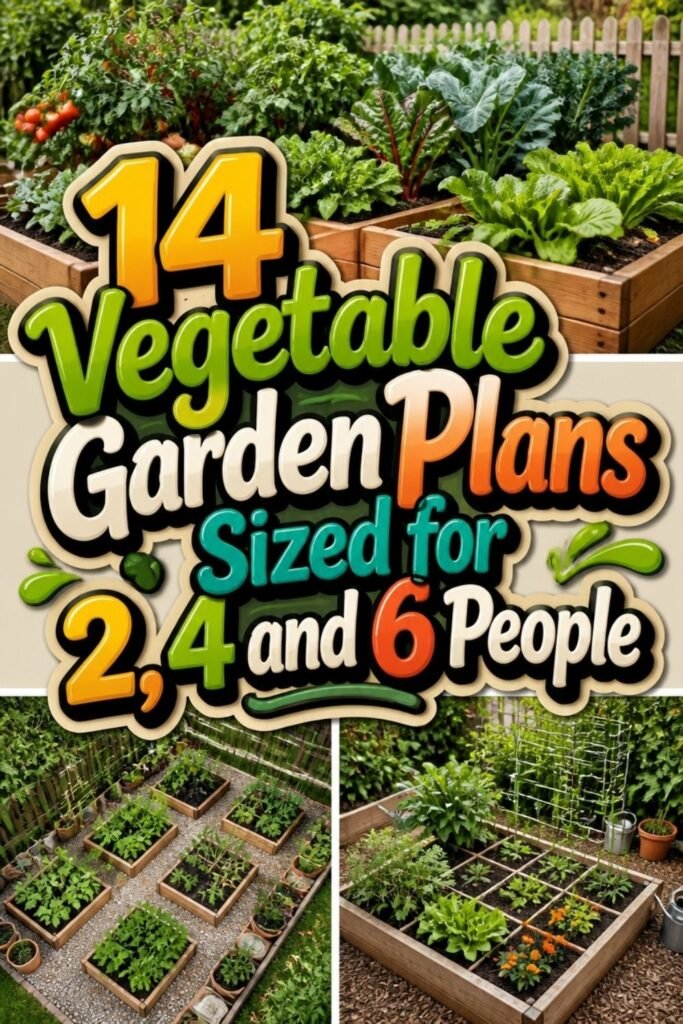
Matching your garden to your household size takes more thought than many beginners realize. A modest 4×8 foot bed typically satisfies two people with fresh vegetables throughout the growing season. Step up to a 4×16 arrangement for a family of four, or consider the expansive 6×16 layout when feeding six hungry mouths.
Soil preparation deserves equal attention alongside dimensions. Rich, well-draining earth forms the foundation, while consistent watering keeps plants thriving through summer heat.
Timing your plantings to match regional growing seasons prevents the disappointment of empty harvest baskets.
Many new gardeners stumble by misjudging their actual consumption needs. Too small, and you’ll find yourself buying produce at the grocery store during peak tomato season. Too large, and half your lettuce bolts while you’re still finishing the first planting.
Careful planning upfront saves both resources and regret later on.
How Much Space Do You Actually Need? A Sizing Guide for 2, 4, and 6-Person Households
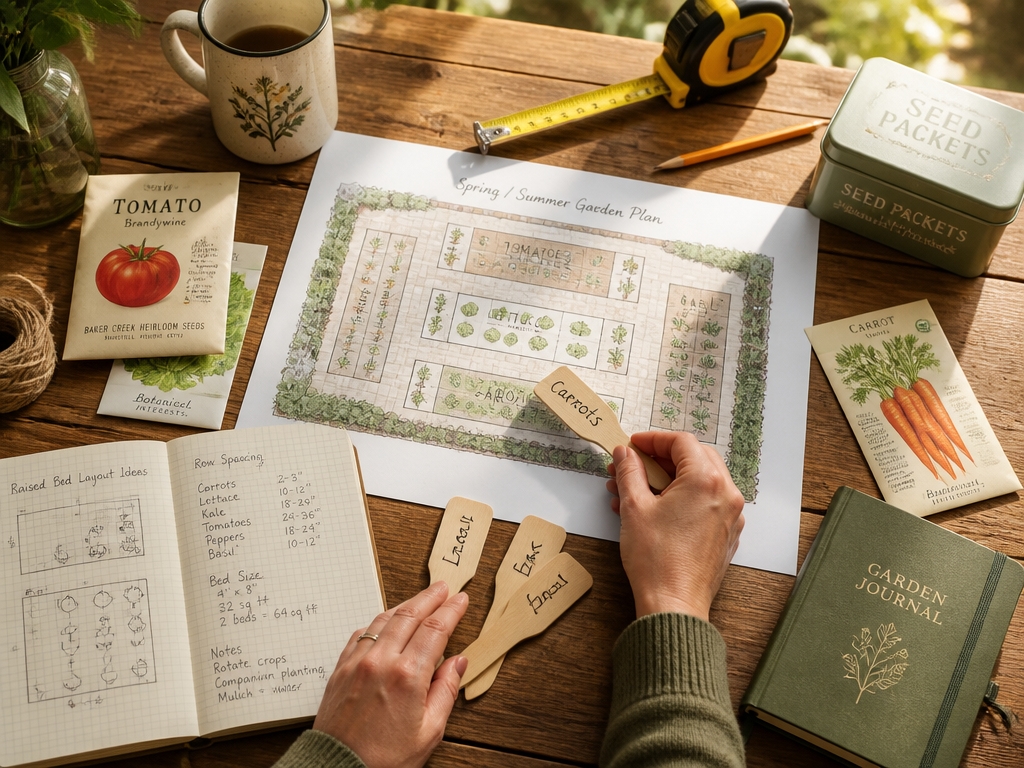
How much garden space does a household actually require to grow meaningful vegetables? A two-person household needs approximately 100 square feet, a four-person household requires 200 square feet, and a six-person household needs 300 square feet. These measurements assume growing tomatoes, lettuce, beans, squash, and peppers.
Space requirements vary based on vegetable types, soil quality, and climate conditions in your specific region.
The 4×8 Garden Plan: Feeding Two People Year-Round
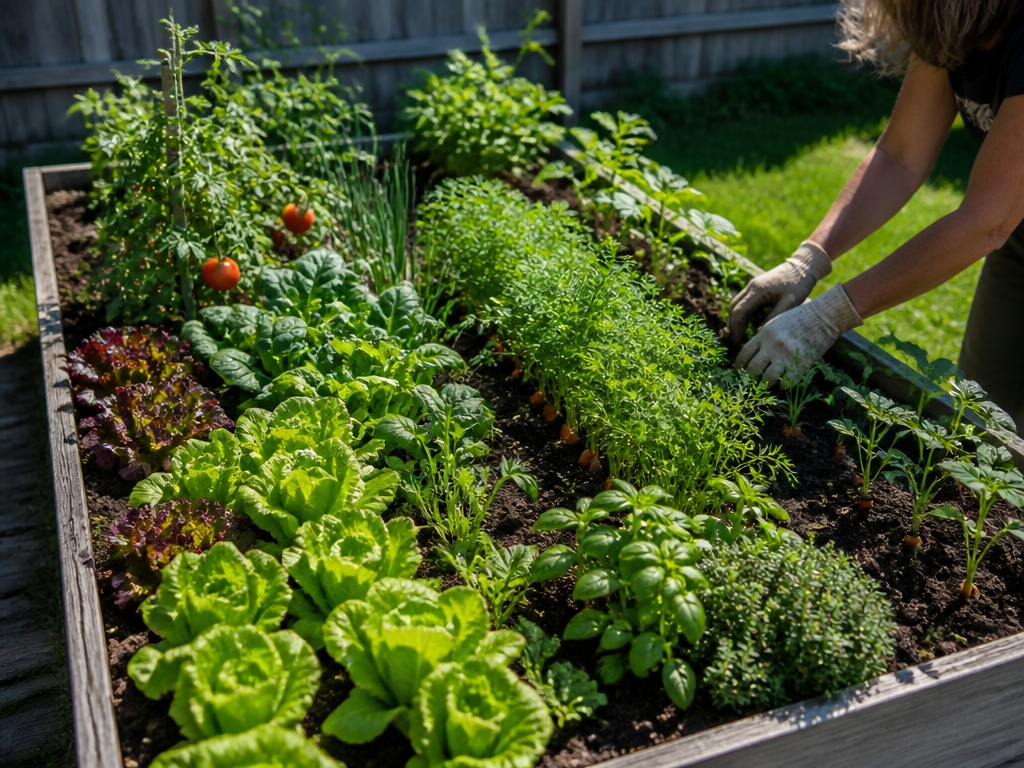
A 4×8 garden bed, measuring 32 square feet, provides sufficient space for a two-person household to grow vegetables throughout the year. This size accommodates cool-season crops like lettuce, kale, and spinach during spring and fall, plus warm-season plants including tomatoes, peppers, and beans during summer.
Succession planting extends harvests across seasons, ensuring consistent vegetable availability. A square foot grid can help organize spacing and planting in a small bed.
The 4×16 Garden Plan: Sustaining a Family of Four
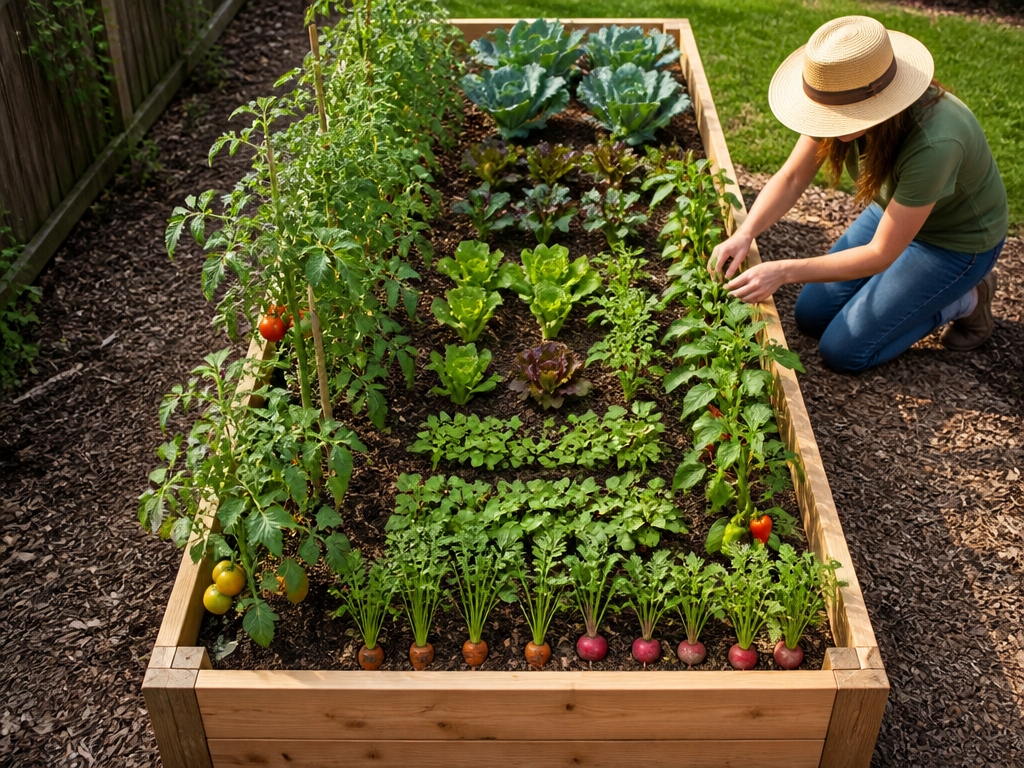
Doubling the garden bed size to 4×16 feet, totaling 64 square feet, accommodates the vegetable needs of a family of four throughout the year. This expanded space allows for diverse crops including tomatoes, lettuce, beans, carrots, and squash planted in succession.
Multiple plantings of fast-growing vegetables extend harvest periods, ensuring consistent produce availability across seasons.
The 6×16 Garden Plan: Growing Enough for Six People
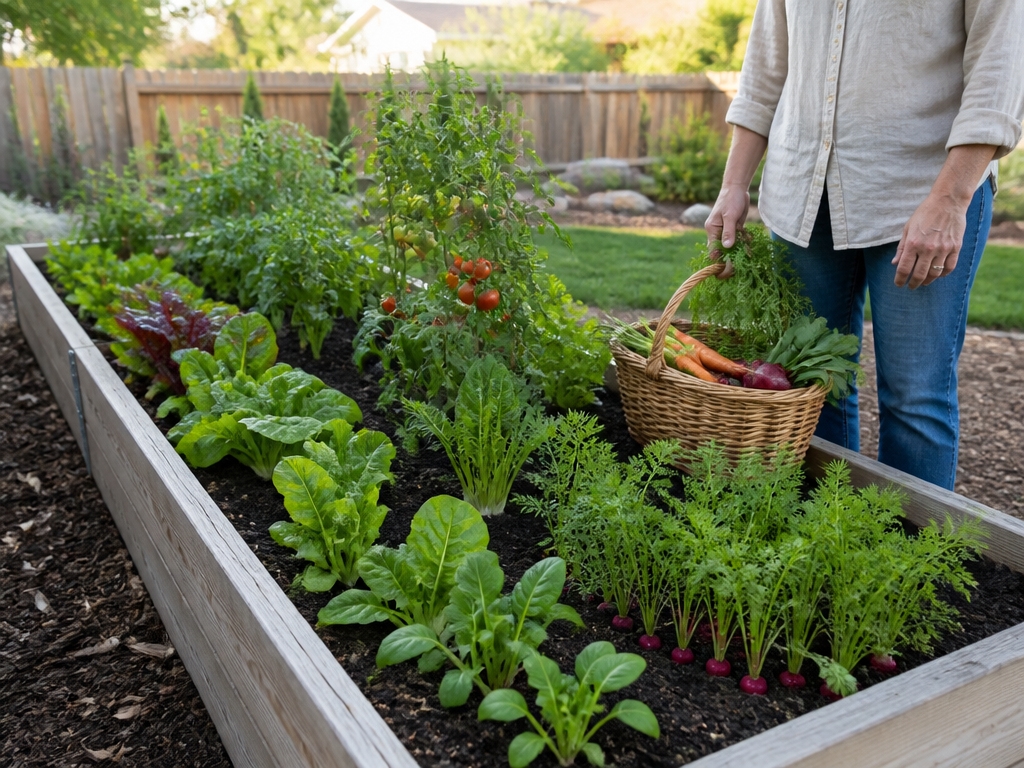
Expanding the garden bed to 6×16 feet, which totals 96 square feet, provides sufficient space to grow vegetables for six people year-round. Gardeners can plant tomatoes, lettuce, carrots, beans, peppers, and squash in organized rows.
The increased size allows for succession planting, ensuring continuous harvests throughout seasons. Adequate spacing between plants prevents disease and maximizes yields for a household of six.
Site Selection and Soil Prep: Foundation for Every Garden Size

Whether gardening in a 6×16 bed or a smaller plot, the location and soil quality determine how well vegetables grow and produce. Choose sites receiving six to eight hours of direct sunlight daily.
Test soil pH and nutrient levels before planting. Amend soil with compost or aged manure to improve drainage, structure, and fertility for ideal vegetable growth.
Spacing and Succession Planting for Continuous Harvests

Proper plant spacing assures each vegetable receives adequate sunlight, water, and nutrients. Succession planting extends the harvest season by staggering plantings over several weeks. Tomatoes require 24-36 inches between plants, lettuce needs 6-12 inches, and carrots need 2-3 inches. Planting beans, squash, or radishes every two weeks guarantees continuous production rather than one concentrated harvest period.
Spring Garden Planting: What to Grow First in Every Plan

Once a gardener understands spacing requirements and succession planting methods, selecting which vegetables to plant first in spring becomes the next logical step in garden planning. Cool-season crops like lettuce, spinach, peas, and broccoli tolerate frost and germinate in cold soil.
Planting these first maximizes the growing season, allowing gardeners to succession plant warm-season vegetables like tomatoes, peppers, and beans afterward.
Summer Garden Vegetables: Maximizing Yield by Size
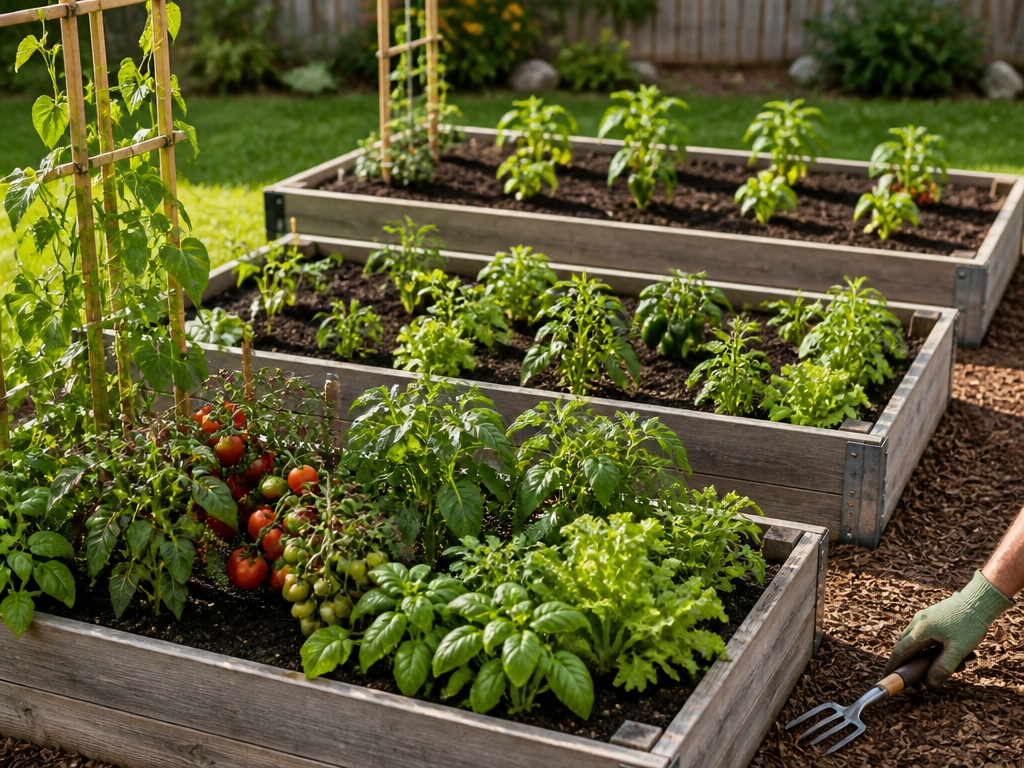
Strategic planning transforms summer gardens into productive spaces by matching vegetable types to available room. Tomatoes, peppers, and squash require substantial space, producing high yields per plant. Beans, cucumbers, and lettuce grow efficiently in compact areas.
Gardeners should prioritize high-yield crops for smaller plots, reserving larger sections for sprawling vegetables. Container gardening maximizes limited spaces effectively.
Fall and Winter Harvests: Extending Production Into Cold Months
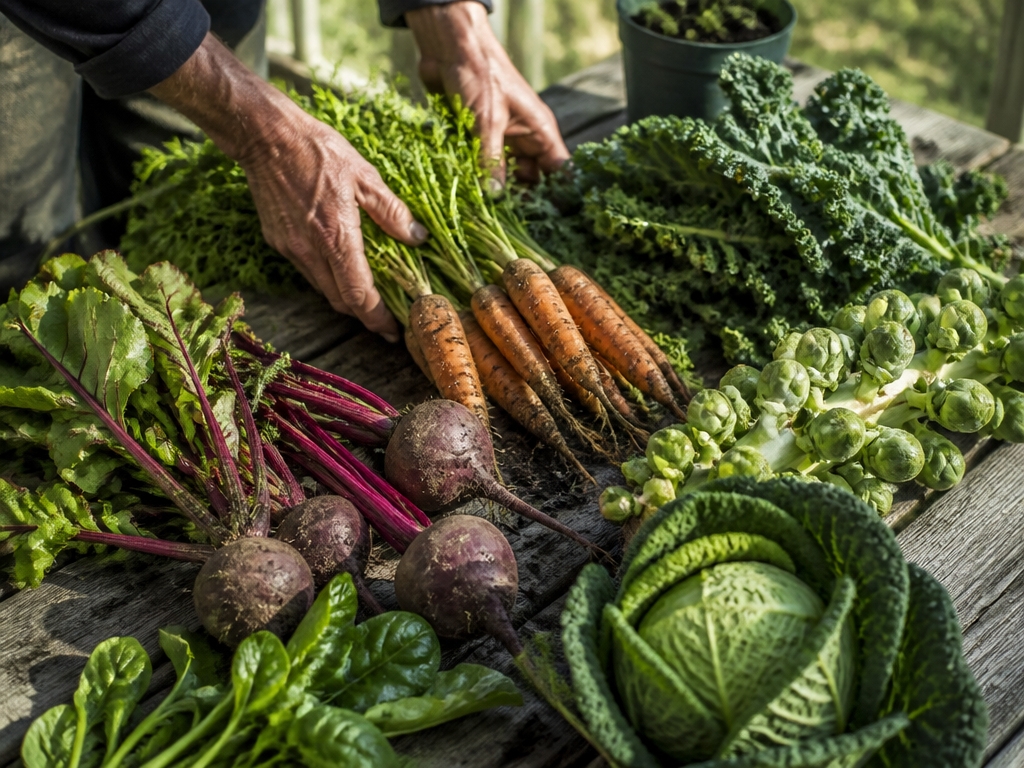
While summer gardens thrive with heat-loving crops, cooler months open opportunities for different vegetables that actually prefer lower temperatures. Kale, spinach, broccoli, and carrots grow well in fall and winter conditions.
Gardeners can extend harvests by planting cold-hardy varieties in late summer, using row covers for frost protection, and selecting sheltered garden locations that receive adequate sunlight throughout shorter days.
Bed Layouts That Work: Raised Beds, Rows, and Intensive Planting
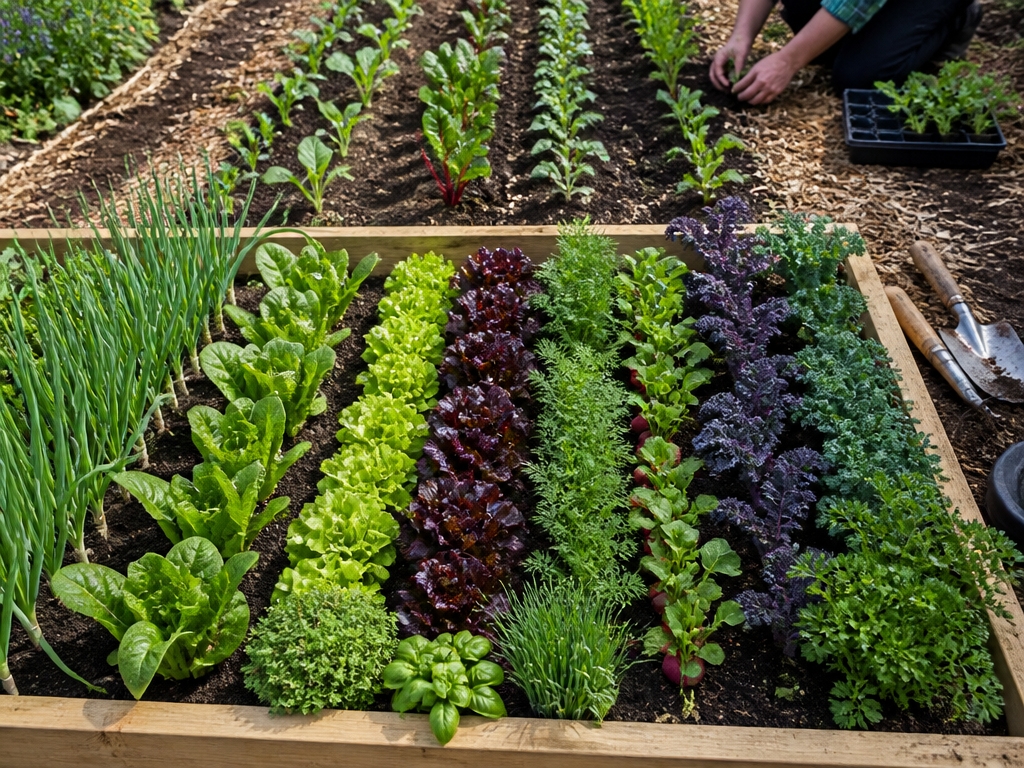
Three main bed layout systems serve different gardening needs and space constraints: raised beds, traditional rows, and intensive planting arrangements.
Raised beds offer better drainage and soil control, suitable for smaller spaces. Traditional rows work well for larger gardens and mechanical cultivation. Intensive planting maximizes yield in limited areas through close spacing and succession planting of crops like lettuce, tomatoes, and beans.
Watering Strategies for Every Garden Size: DIY to Drip Systems
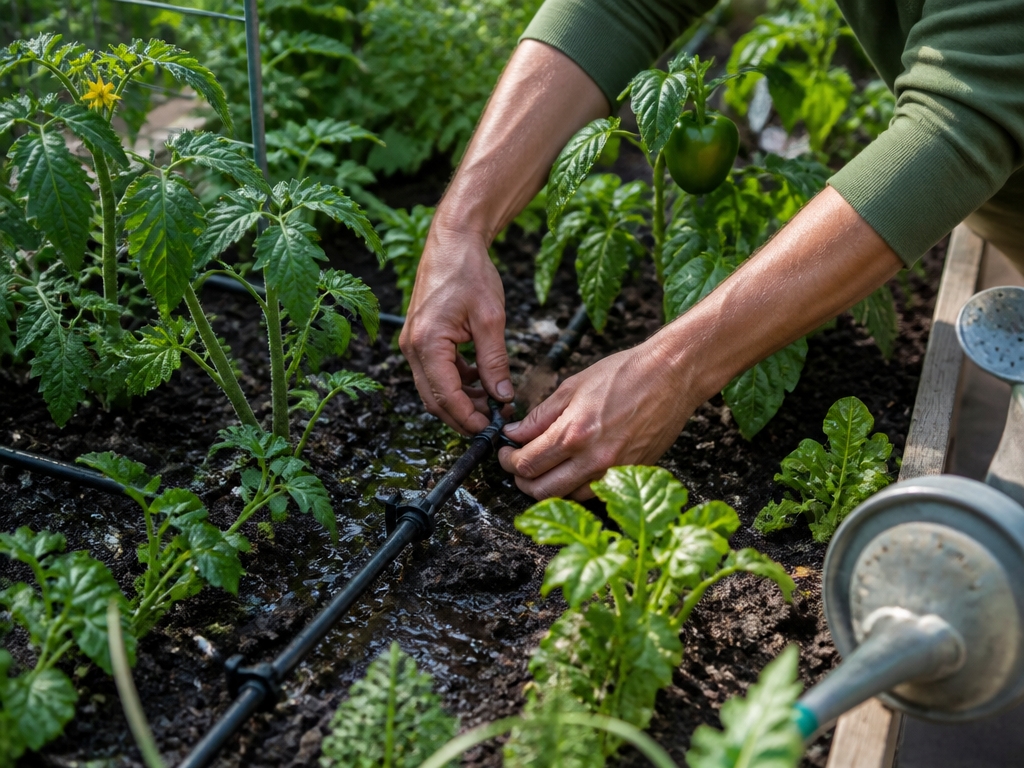
Because water delivery directly affects crop health and garden efficiency, selecting the right watering method matters greatly. Small gardens benefit from hand watering or soaker hoses, which conserve water efficiently. Medium gardens use sprinkler systems or drip irrigation for consistent moisture distribution. Large gardens require automated drip systems with timers, reducing labor while maintaining uniform watering across multiple beds and rows.
Seasonal Tasks by Month: Quick Reference Guides for 2, 4, and 6-Person Gardens

Once watering systems are in place, gardeners must address the timing and nature of their seasonal work. Monthly task guides organize planting, weeding, and harvesting by garden size.
Spring requires seedling preparation and soil amendment. Summer demands consistent weeding and pest monitoring. Fall involves crop succession planting and cleanup. Winter allows soil rest and tool maintenance planning.
Common Mistakes Gardeners Make When Sizing and Planting Their Plans
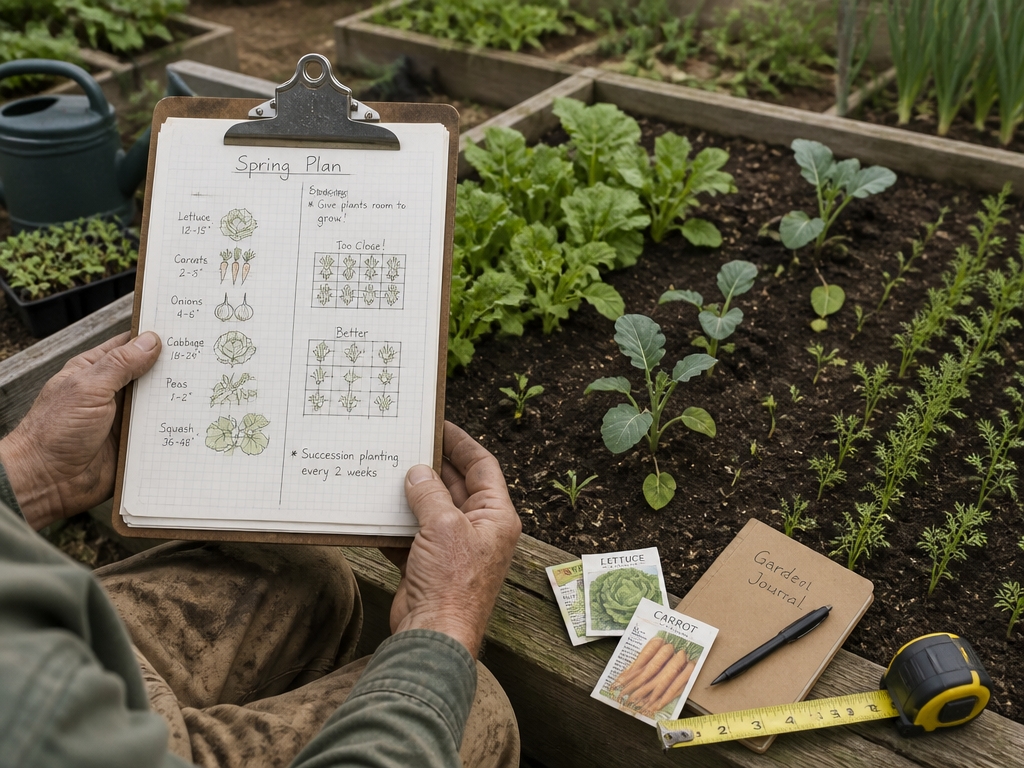
While planning a vegetable garden, many growers overlook critical factors that lead to poor yields and wasted effort. Common mistakes include underestimating space needs for sprawling plants like squash and tomatoes, overcrowding seedlings, and planting incompatible vegetables together.
Gardeners frequently ignore soil quality, sunlight requirements, and water accessibility. Mismatched garden sizes to household consumption needs result in excess produce or insufficient harvests. Selecting varieties without considering local growing seasons causes failure.
Your First-Season Timeline: From Site Prep to First Harvest

A successful first-season garden requires planning across four main phases: site preparation, seed starting or transplanting, maintenance, and harvesting. Site prep occurs in early spring, involving soil testing and bed construction. Seed starting follows two to four weeks later.
Maintenance spans the growing season, requiring weekly watering and weeding. Most vegetables produce harvestable crops within sixty to ninety days of planting.
Frequently Asked Questions
What Vegetables Provide the Highest Nutritional Value per Square Foot of Garden Space?
Leafy greens such as spinach, kale, and lettuce provide exceptional nutritional density per square foot. Root vegetables like beets and carrots also offer substantial nutrition. Additionally, tomatoes and peppers deliver significant vitamins and minerals relative to space requirements.
How Do I Protect My Garden From Pests and Diseases Without Using Chemical Pesticides?
Studies show organic gardens reduce pest populations by 40% through natural methods. Gardeners protect plants by introducing beneficial insects like ladybugs, employing companion planting strategies, applying neem oil, installing row covers, and maintaining proper spacing for airflow.
Can I Start a Vegetable Garden if I Have Limited Mobility or Physical Constraints?
Yes, individuals with limited mobility can successfully garden using raised beds, container gardening, or vertical systems. Adaptive tools with extended handles reduce bending. Seated gardening options and accessible pathways accommodate various physical constraints effectively.
What’s the Estimated Cost to Set up and Maintain Gardens of Different Sizes Annually?
Garden setup and maintenance costs vary by size. Small gardens for two people typically cost $300-500 initially, then $100-200 annually. Medium gardens for four cost $500-800 upfront, approximately $200-400 yearly. Larger gardens for six require $800-1,200 initially, with $300-600 annual maintenance expenses.
How Do I Preserve or Store Excess Vegetables From My Harvest for Later Use?
One can preserve excess vegetables through canning, freezing, or dehydrating. Canning involves sealing produce in jars with heat. Freezing maintains nutritional value effectively. Dehydrating creates shelf-stable snacks. Root vegetables store well in cool, dark spaces.
Conclusion
Vegetable gardens, like living blueprints, adapt to household needs through careful sizing and planning. A 4×8 bed roots itself in two-person households, while 4×16 and 6×16 configurations extend to larger families. Success requires matching space to consumption, selecting appropriate crops, and maintaining consistent soil, water, and seasonal care. These frameworks transform backyards into productive systems, yielding fresh vegetables year-round when properly designed and managed.