
Small-space gardening with limited sunlight might seem limiting, but nature offers plenty of resilient options. Leafy greens like spinach, lettuce, kale, and arugula actually prefer cooler, shaded spots and deliver reliable harvests from tight corners. These plants evolved for forest floors, making them ideal companions for balconies, window sills, or north-facing patios.
Fresh herbs bring flavor without demanding much. Parsley and cilantro grow contentedly with just a few hours of indirect light, thriving in simple containers on kitchen counters. Their forgiving nature makes them perfect starter plants for hesitant growers testing their green thumb.
Beyond greens and herbs, several surprising vegetables adapt well to dim conditions. Peas climb vertically to save space, broccoli sprouts mature rapidly, and garlic bulbs develop slowly without complaint.
Success depends less on perfect conditions and more on matching the right plant to available light, choosing appropriate containers, and maintaining consistent moisture.

Work With the Light You Have
Start by identifying the brightest spot available before choosing what to grow. Leafy greens and herbs are more forgiving of reduced sunlight, while crops that need stronger light may struggle to produce well in the same space.
Containers matter just as much as light. Choose pots with drainage holes, use a well-draining growing mix, and avoid letting the soil dry completely for crops that prefer steady moisture.
If natural light is extremely limited, a simple grow light can make the space far more productive. It also lets you use shelves and other compact areas that would otherwise be too dark for reliable vegetable growth.
Spinach: The Easiest Leafy Green for Shade
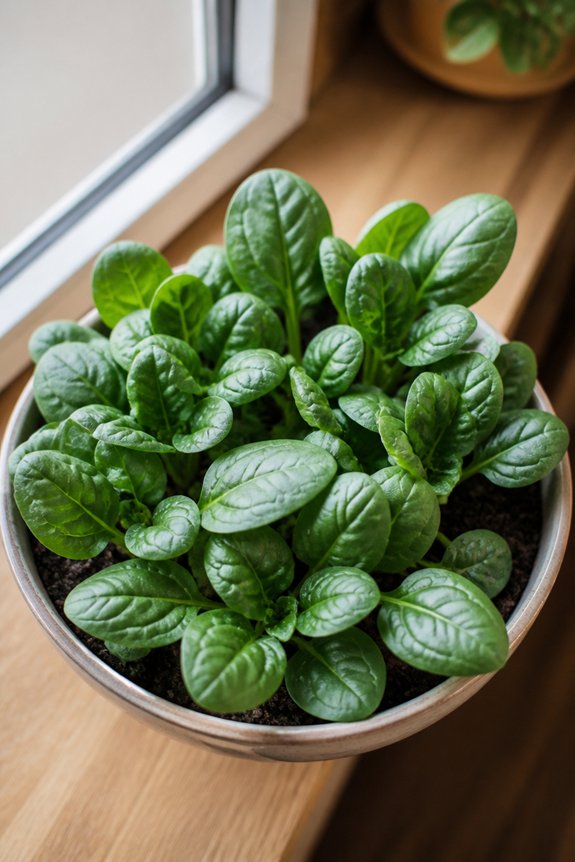
Most gardeners find spinach to be the most reliable leafy green for low-light environments, requiring only 3-4 hours of indirect sunlight daily. The plant tolerates shade better than lettuce or kale, making it ideal for indoor spaces, basements, or areas beneath trees.
Spinach grows quickly, reaching harvest size in 40-50 days. It prefers cool temperatures, consistent moisture, and well-draining soil rich in organic matter.
Lettuce Varieties That Thrive Without Direct Sun
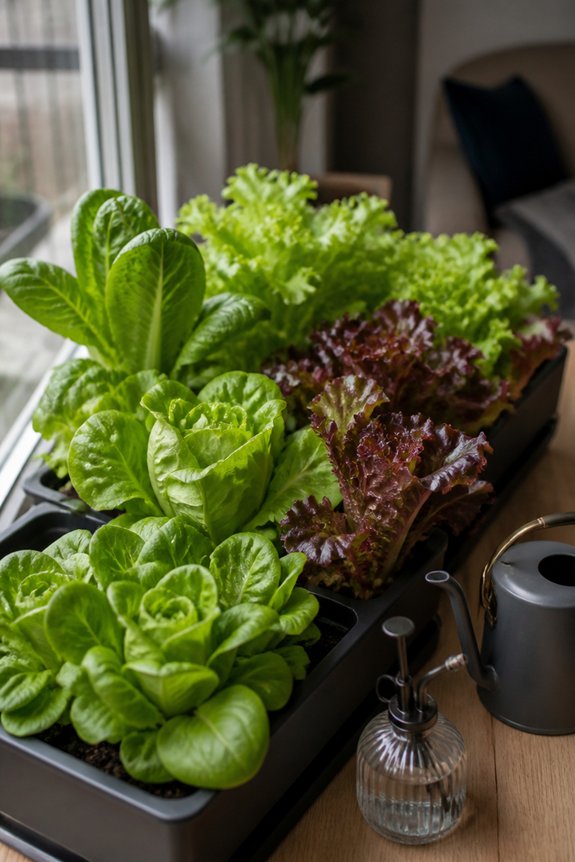
While spinach remains the most shade-tolerant leafy green, lettuce can also grow successfully in low-light conditions when gardeners select the right varieties. Buttercrunch, oak leaf, and red leaf lettuce tolerate partial shade effectively. These loose-leaf types require less direct sunlight than head lettuce varieties.
Gardeners should provide a minimum of four hours of indirect light daily for ideal growth and leaf development in low-light environments.
Kale: A Nutrient-Dense Crop for Low Light
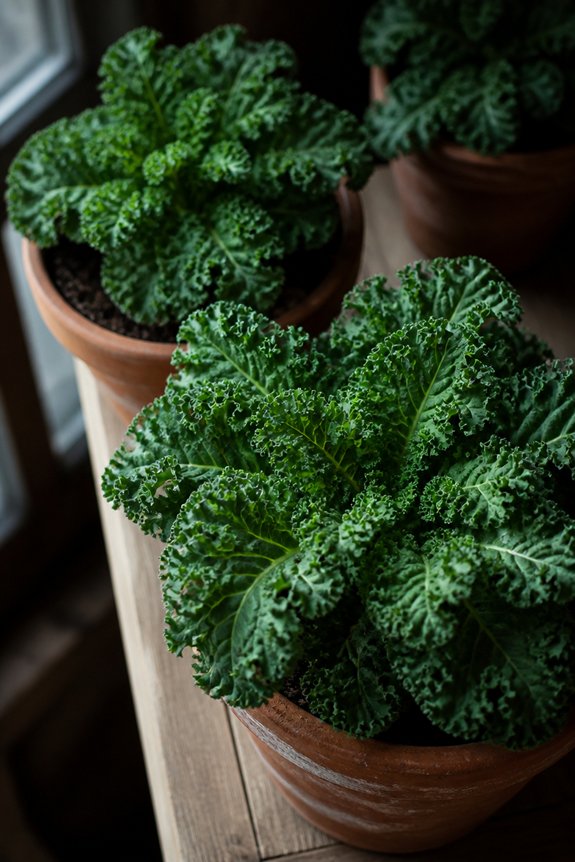
Kale grows successfully in low-light conditions, making it a practical choice for shaded garden spaces. This leafy green tolerates partial shade well, requiring only four to six hours of indirect light daily. Varieties like Lacinato and Curly kale perform reliably indoors.
The crop delivers high levels of vitamins A, C, and K, plus calcium and iron, making it nutritionally valuable for indoor gardeners seeking productive harvests.
Arugula: Peppery Greens in Just Weeks
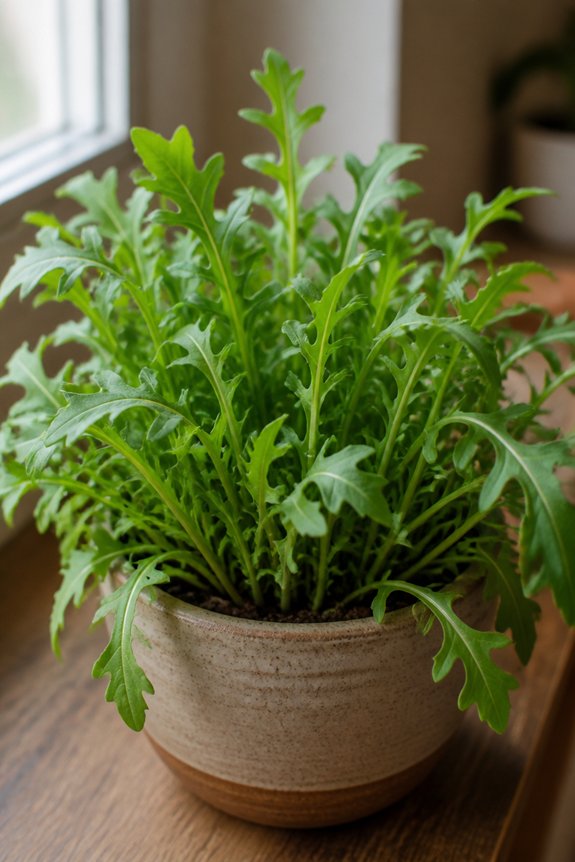
Arugula thrives in low-light environments, producing harvestable greens in just two to three weeks. This leafy vegetable requires minimal space, making it ideal for indoor containers or shelves.
Arugula prefers consistently moist soil and temperatures between 50-70°F. The peppery leaves work well in salads, sandwiches, and cooked dishes. Regular harvesting encourages continued growth throughout the season.
Swiss Chard: Colorful and Remarkably Shade-Tolerant
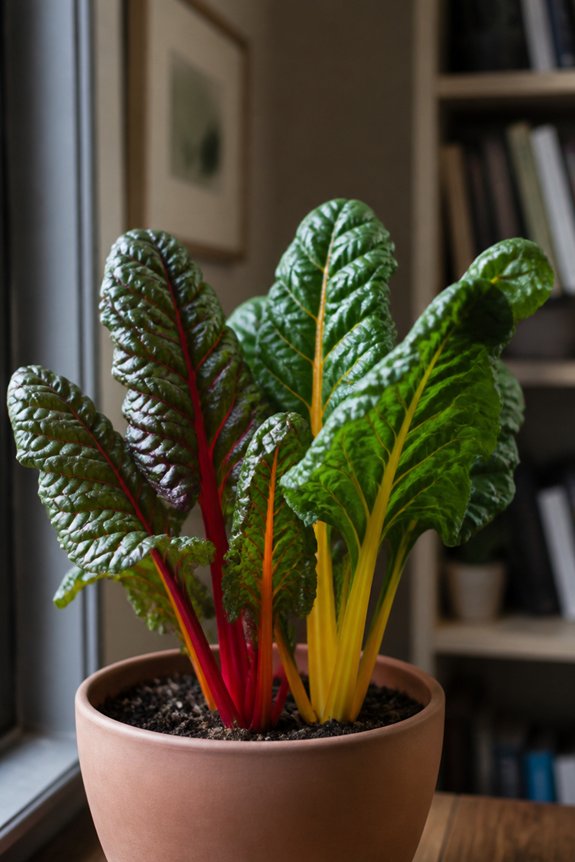
Swiss chard stands out as an exceptionally shade-tolerant vegetable, capable of producing vibrant leaves in low-light conditions that would challenge many other crops. The plant thrives with minimal sunlight, requiring only two to three hours daily.
Its colorful varieties, including red, yellow, and white-stemmed types, provide visual interest while delivering nutritional value. Chard tolerates crowded spaces and produces consistently through successive harvests.
Microgreens: Fast Harvests in Minimal Space
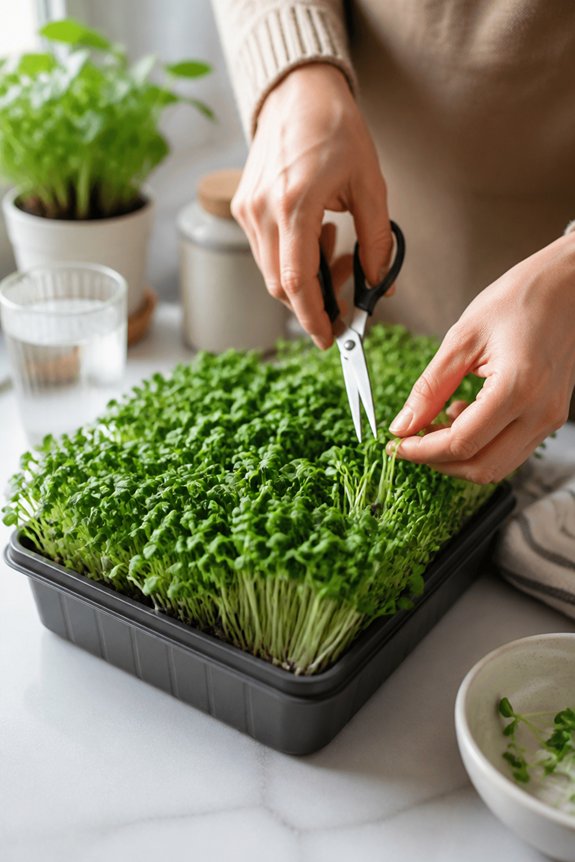
Many common vegetables produce usable greens within one to three weeks when grown as microgreens, making them ideal for low-light environments and compact spaces. Radish, broccoli, mustard, and arugula varieties germinate reliably indoors.
Growers use shallow trays with soil or growing media, requiring minimal overhead space. Consistent moisture and indirect light support steady growth, delivering harvests quickly for salads and garnishes.
Watercress: A Shade-Tolerant Green for Low-Light Growing
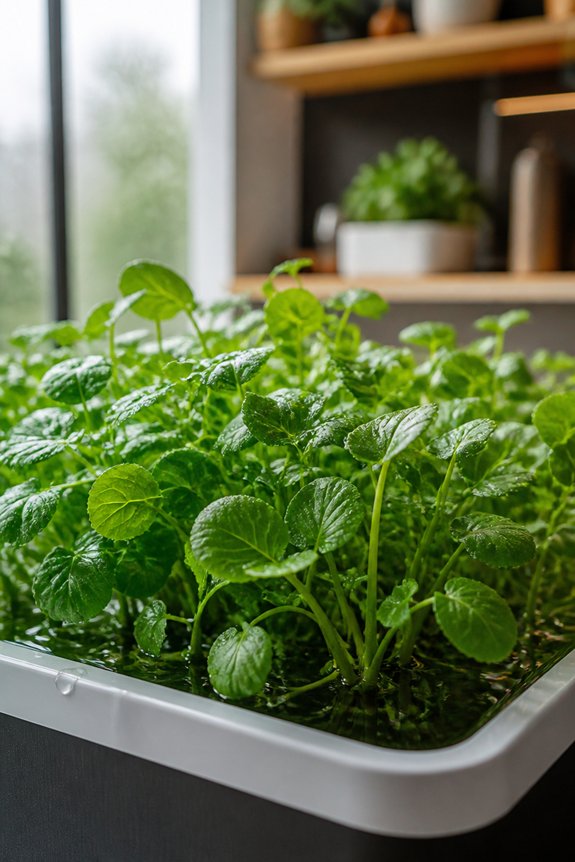
Unlike leafy greens that require bright conditions, watercress thrives in shaded spaces and consistently moist environments, making it well-suited for indoor low-light cultivation. This aquatic plant grows quickly in shallow water or wet soil, reaching harvestable size within two to three weeks.
Watercress requires regular moisture, cool temperatures around 60-70°F, and indirect light, making it practical for basement areas and shaded corners.
Parsley: Fresh Herbs Without Full Sunlight
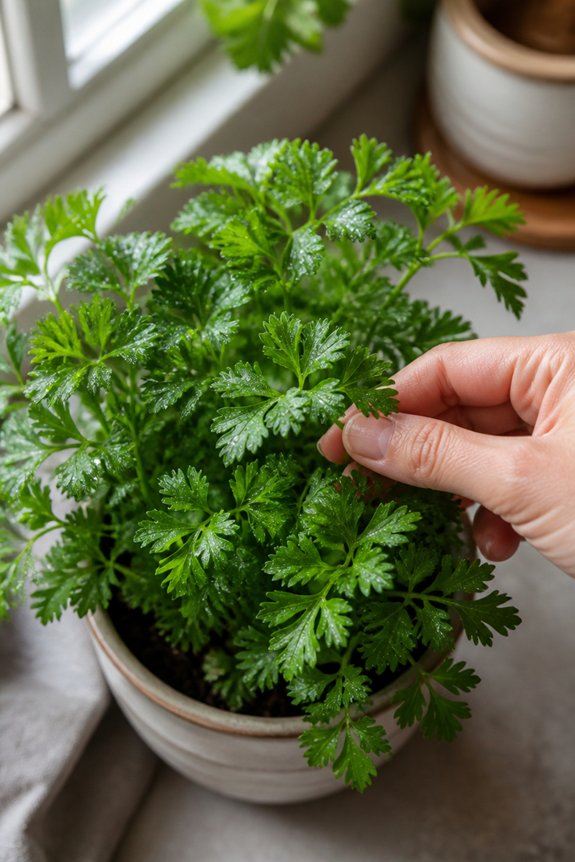
Parsley grows well in low-light environments, producing fresh leaves for culinary use with minimal sunlight requirements. The herb tolerates partial shade and indirect light, making it suitable for indoor windowsills or sheltered outdoor spots.
Parsley needs consistently moist soil, moderate temperatures, and occasional harvesting to encourage new growth. Both flat-leaf and curly varieties adapt similarly to reduced light conditions.
Cilantro: Beat the Bolt in Shaded Conditions
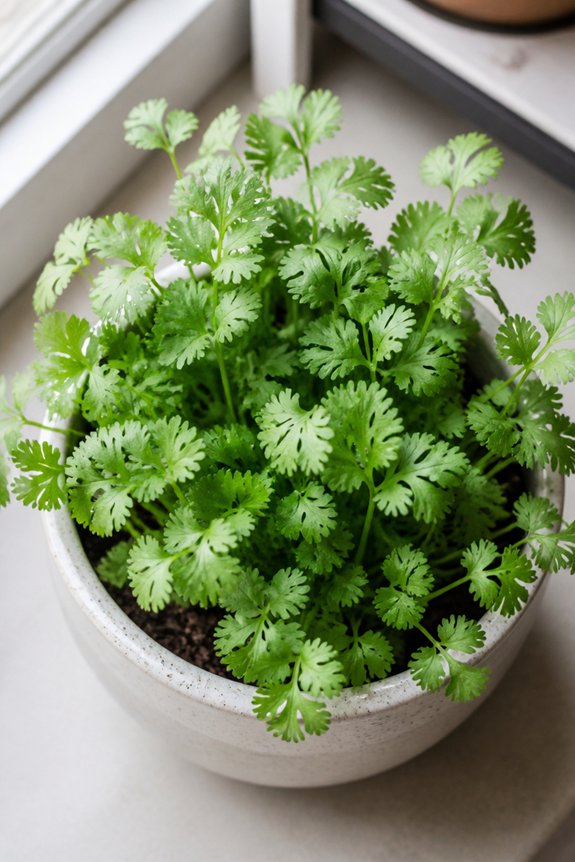
Cilantro presents a common challenge in warm conditions, as the plant quickly bolts, or flowers prematurely, when exposed to heat and excessive light. Shade conditions slow this process, allowing longer harvest periods.
Partial shade, receiving two to four hours of indirect sunlight daily, provides ideal growing conditions. Consistent moisture and cooler temperatures further delay bolting, extending cilantro’s productive growth phase considerably.
Chives: Perpetual Harvests From a Single Pot
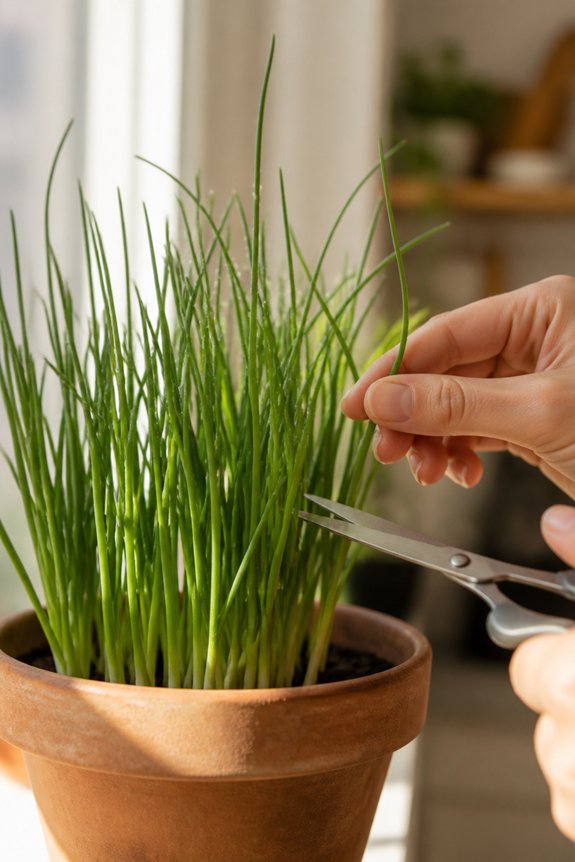
Most herb gardeners find chives remarkably forgiving, requiring minimal maintenance while producing continuous harvests throughout growing seasons. A single pot positioned near a window supplies fresh chives for months.
The plant tolerates low light conditions, though moderate indirect sunlight encourages stronger growth. Snipping outer leaves regularly promotes bushier development. Chives need consistent moisture, occasional fertilizing, and cool temperatures between 60-70 degrees Fahrenheit for peak performance.
Mint: An Aggressive Grower That Loves Shade
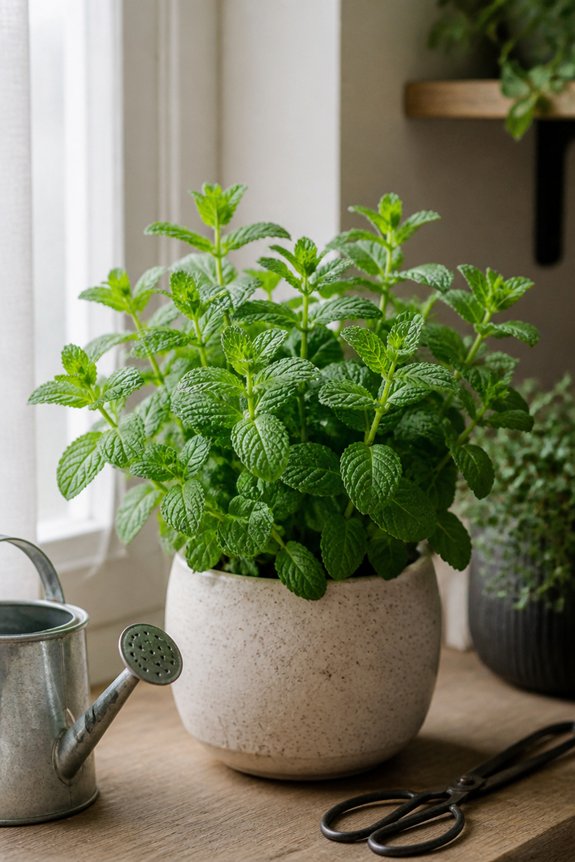
Unlike chives, mint plants spread rapidly through underground runners, making container gardening essential to prevent invasion of surrounding garden beds. Mint thrives in low light conditions, requiring minimal direct sunlight. Spearmint and peppermint varieties perform well indoors.
Regular harvesting encourages bushier growth. Containers with drainage holes prevent root rot. Mint tolerates inconsistent watering, making it forgiving for casual gardeners.
Sorrel: Tangy Greens That Thrive in Shade
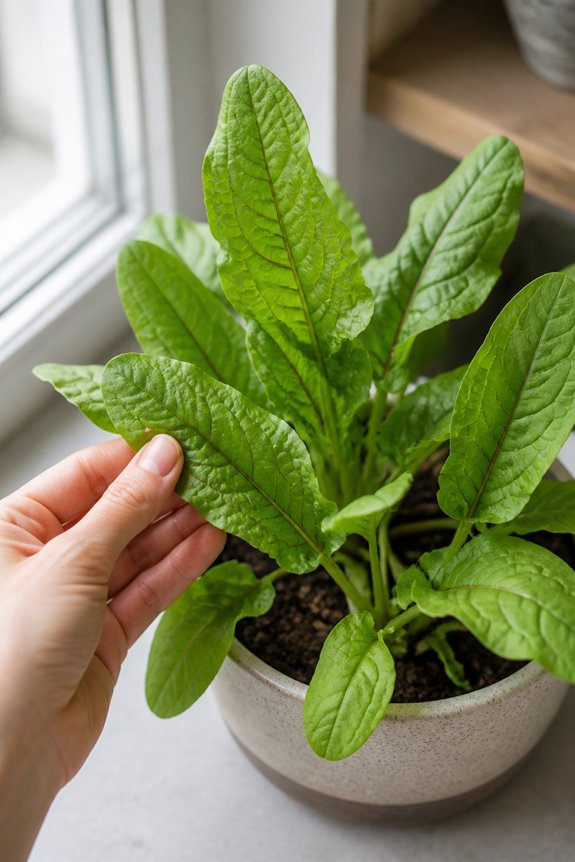
Sorrel plants produce tangy, lemony-flavored leaves that grow well in low light environments, making them suitable for shaded indoor and outdoor spaces. The plant tolerates partial shade effectively, requiring minimal direct sunlight.
Sorrel leaves reach harvest size in approximately six weeks, offering consistent yields throughout growing seasons. Regular harvesting encourages continued leaf production, maintaining plant productivity in low light conditions.
Mustard Greens: Spicy Flavor in Low Light
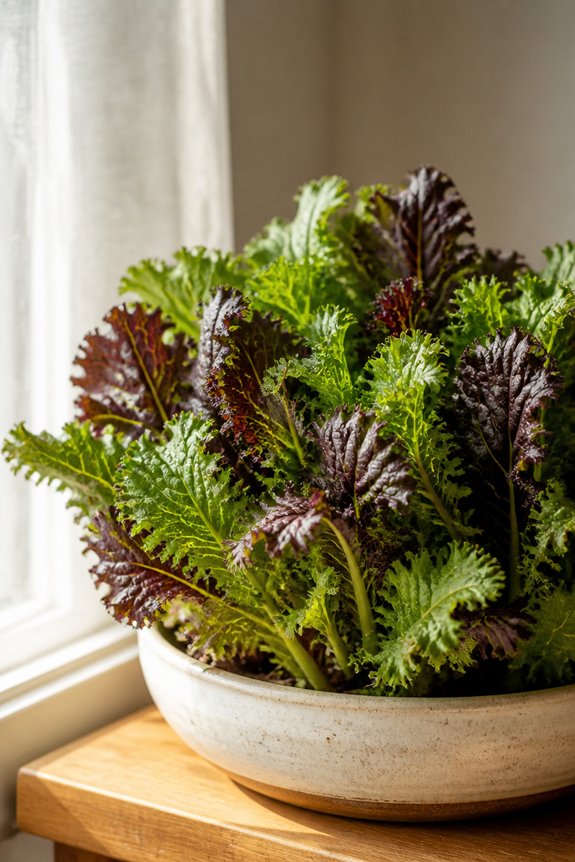
Mustard greens offer a peppery, sharp taste that develops well in low light conditions, providing gardeners with another productive leafy option for shaded spaces. Varieties like Southern Giant Curled and Red Giant tolerate partial shade effectively.
These plants mature in thirty to forty days, requiring consistent moisture and moderate temperatures. Harvesting outer leaves encourages continued growth throughout the growing season.
Radishes: Quick-Growing Roots for Tight Spaces
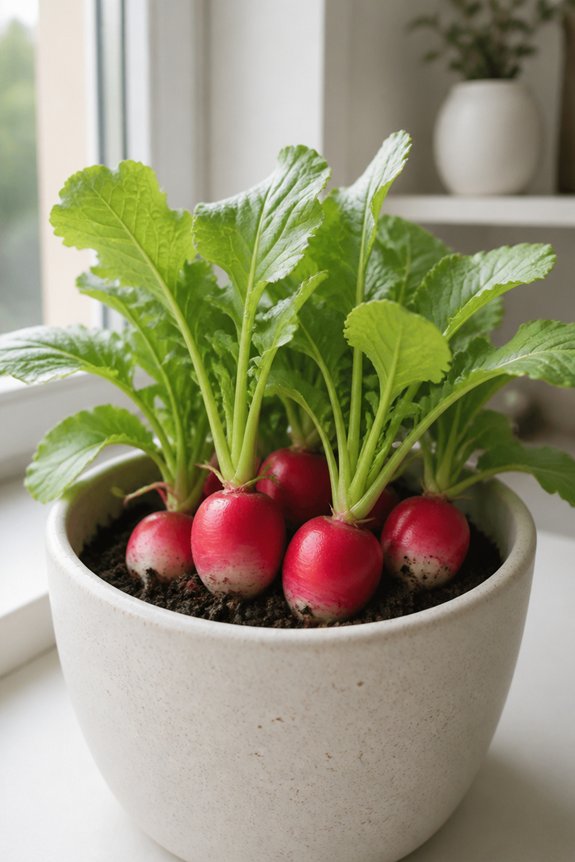
Radishes represent an efficient vegetable choice for gardeners with limited space and low light conditions. They mature quickly, typically within 25-30 days, requiring minimal room. Cherry Belle and French Breakfast varieties perform well indoors.
Radishes need consistent moisture, cool temperatures around 65°F, and indirect light. Their compact root systems fit containers easily, making them practical for tight growing areas.
Beets: Underground Crops That Don’t Need Sun
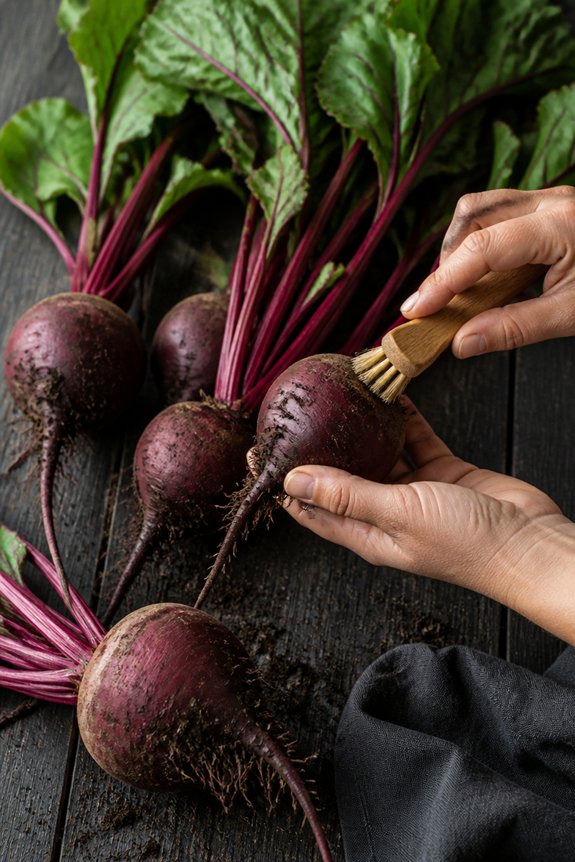
Beets grow successfully in low light environments because their edible portions develop underground, away from direct sunlight requirements. These root vegetables tolerate partial shade well, needing only four to five hours of indirect light daily. Varieties like Detroit Dark Red and Golden mature reliably in dim conditions.
Soil remains consistently moist, supporting steady root development. Beets produce usable greens simultaneously, offering dual harvests from single plants in confined spaces.
Turnips: Dual-Purpose Roots and Greens
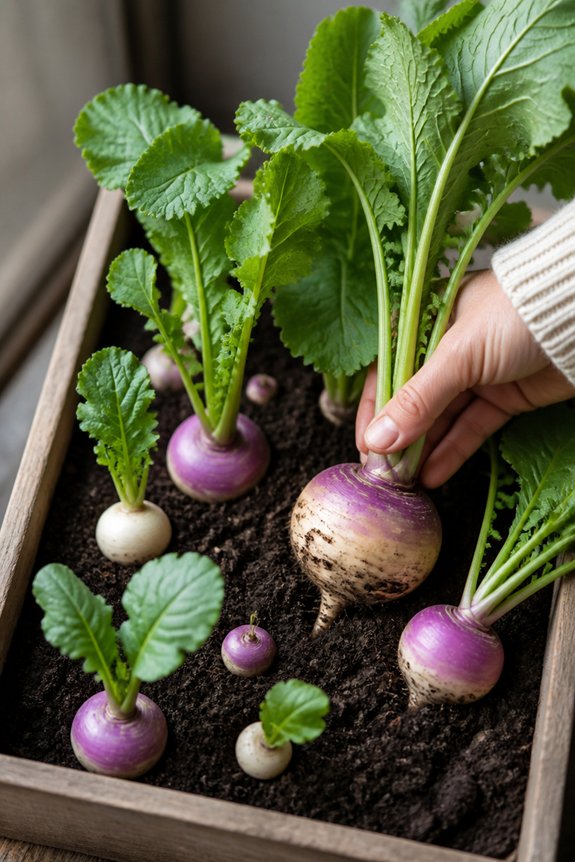
Like beets, turnips thrive in low light conditions, making them practical choices for gardeners with limited sunlight. Both the roots and leafy greens are edible, offering dual harvests from one plant.
Turnips require consistently moist soil and mature in 50-70 days. Varieties like Purple Top and Tokyo Cross perform well indoors or in shaded areas, providing reliable yields.
Peas: Climbing Vines for Vertical Gardens
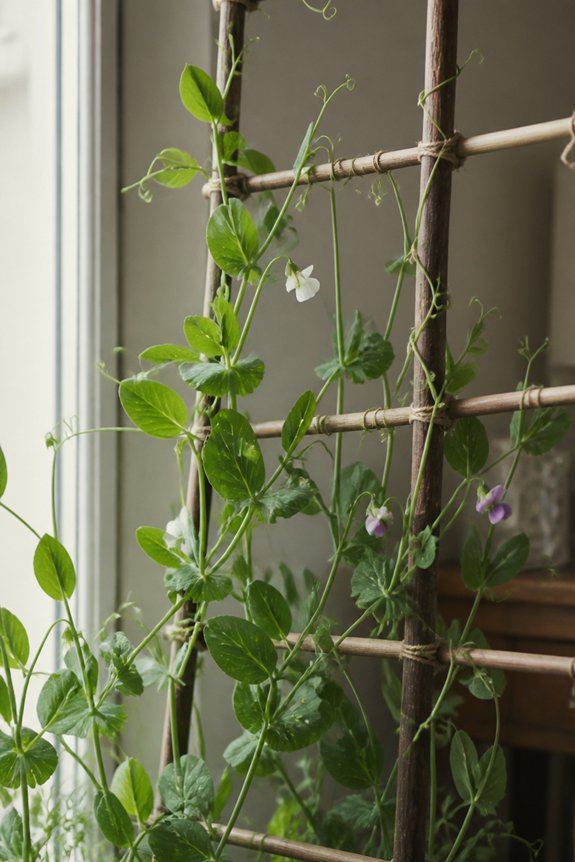
How can gardeners maximize limited floor space while growing nutritious vegetables? Peas offer a practical solution through vertical growth. Sugar snap and snow peas climb trellises, strings, or stakes, requiring minimal ground area.
These plants tolerate partial shade conditions, producing edible pods and tendrils. Vertical arrangements improve air circulation, reduce disease risk, and optimize space efficiency in compact growing environments.
Broccoli Sprouts: Nutrient Powerhouses in Jars
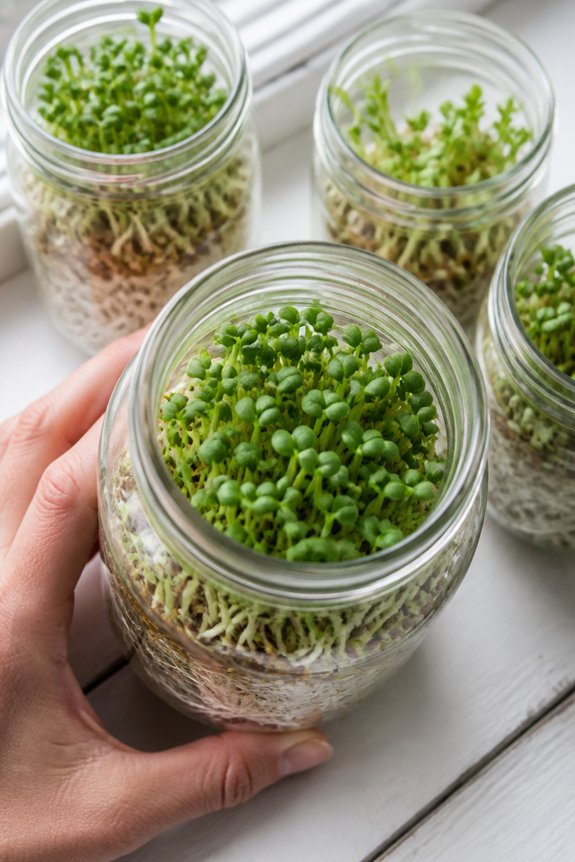
Sprouting broccoli seeds in jars produces nutrient-dense greens without requiring soil, sunlight, or significant floor space. The seeds germinate within three to five days, developing sprouts rich in sulforaphane, vitamins, and minerals.
Growers rinse sprouts twice daily, maintaining moisture without waterlogging. Mason jars with cheesecloth work effectively for this purpose. Harvested sprouts store in refrigeration for two weeks.
Garlic: Set It, Forget It, Harvest Year-Round
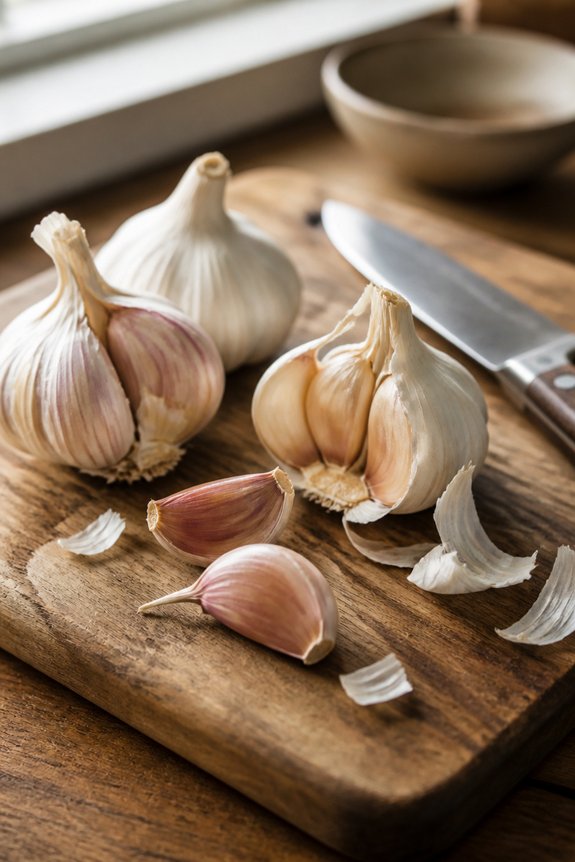
Garlic cloves planted in containers offer growers a low-maintenance crop that produces edible greens and bulbs with minimal intervention. The plants tolerate dim indoor environments and require infrequent watering.
Cloves planted in fall mature by summer, yielding harvestable bulbs and green shoots for culinary use throughout the growing season.
Low-Light Garden Setup and Care
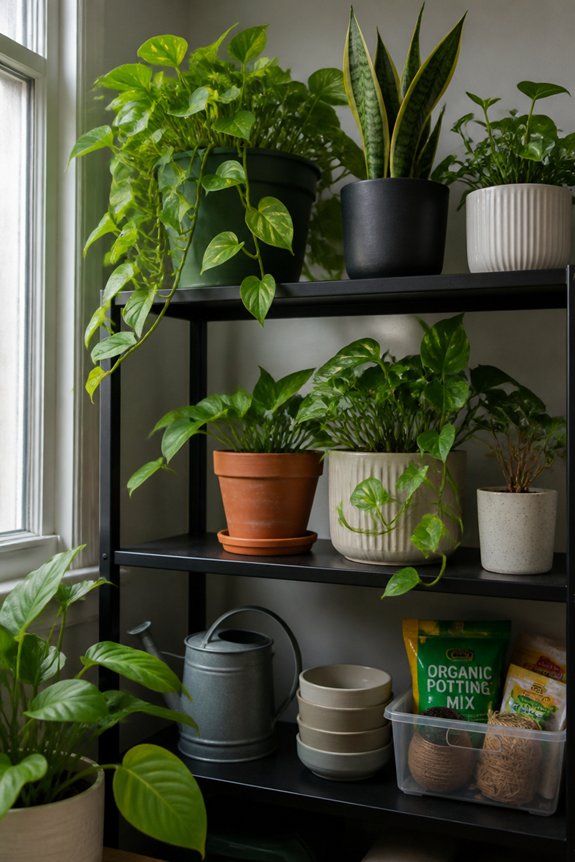
Since vegetables require light to photosynthesize and grow, indoor gardeners must create environments that compensate for limited natural sunlight. LED grow lights positioned 6-12 inches above plants provide necessary spectrum wavelengths.
Gardeners should maintain 12-16 hours of daily light exposure, using timers for consistency. Containers need drainage holes, quality potting soil, and proper humidity levels around 50-70 percent for ideal growth.
Frequently Asked Questions
How Many Hours of Light Do Shade-Tolerant Vegetables Actually Need Daily?
Shade-tolerant vegetables typically require 3 to 6 hours of direct sunlight daily. Leafy greens like lettuce and spinach thrive at the lower end, while root vegetables such as beets need approximately 4 to 5 hours minimum for ideal growth and productivity.
What’s the Best Artificial Lighting Option for Growing Vegetables Indoors Year-Round?
Research indicates that LED grow lights consume 75% less energy than traditional fluorescent systems. LED technology offers the ideal solution, providing full-spectrum light while maintaining consistent growing conditions throughout the year indoors.
Can I Grow These Vegetables in a Basement With No Windows?
Yes, vegetables can be grown in a basement without windows if one installs appropriate artificial lighting systems. LED grow lights or fluorescent fixtures provide the necessary light spectrum for photosynthesis, enabling successful vegetable cultivation in completely dark environments.
How Do I Prevent Leggy, Weak Growth in Low-Light Vegetable Plants?
Gardeners strengthen weak plants by increasing light intensity, reducing plant density, and improving air circulation. They should position grow lights closer, space seedlings further apart, and use fans to promote stocky, resilient growth.
What Container Sizes Work Best for Maximizing Yields in Small Spaces?
Gardeners find that five-gallon containers suit most vegetables ideally, balancing root space with footprint efficiency. Deeper containers work better than wider ones in confined areas. Stackable or vertical arrangements maximize yields per square foot when space proves limited.
Conclusion
Growing vegetables in low-light spaces requires selecting appropriate varieties, namely leafy greens, herbs, and dual-harvest crops. Spinach, kale, arugula, lettuce, and Swiss chard tolerate shade effectively. Peas and broccoli sprouts offer vertical growing options. Garlic requires minimal attention once planted. Proper setup, including adequate watering and container selection, guarantees consistent yields. These plants demonstrate that limited sunlight need not prevent productive gardening in confined areas.