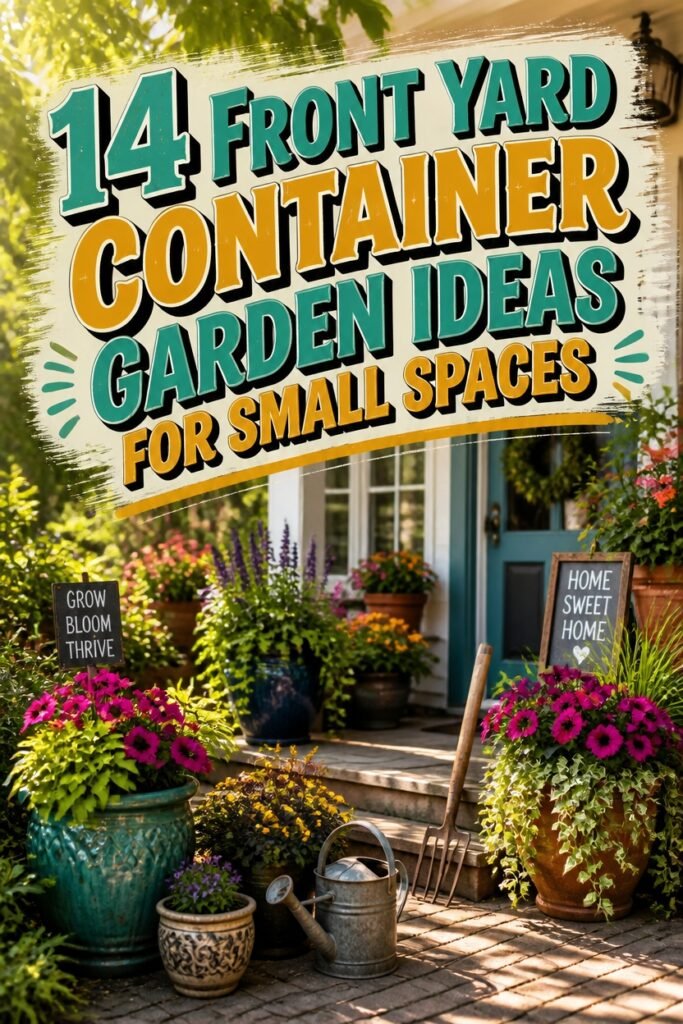
A cramped stoop. A patch of concrete. Maybe a single sad planter left by the last tenant. It doesn’t look like much yet. But containers change everything. They turn dead space into something alive, something waiting for you at the end of a long day.
Renters know this dance well. You can’t rip up the yard, so you build upward instead. Stack pots. Hang baskets. Let vines spill over railings like green confetti.
The right containers don’t just hold plants—they hold possibility.
Here’s the quiet truth, though. Random pots won’t cut it. You need drainage that actually drains. Soil that doesn’t turn to cement. Plants that want what you’re able to give them. Sun lovers in sun. Shade dwellers where shadows fall. Small choices stack into something bigger.
Your entryway deserves better than a parking lot vibe. A few good containers, chosen with care, do more than add color. They say someone lives here. Someone tends things. Someone’s home.
Choose the Right Container Size and Material
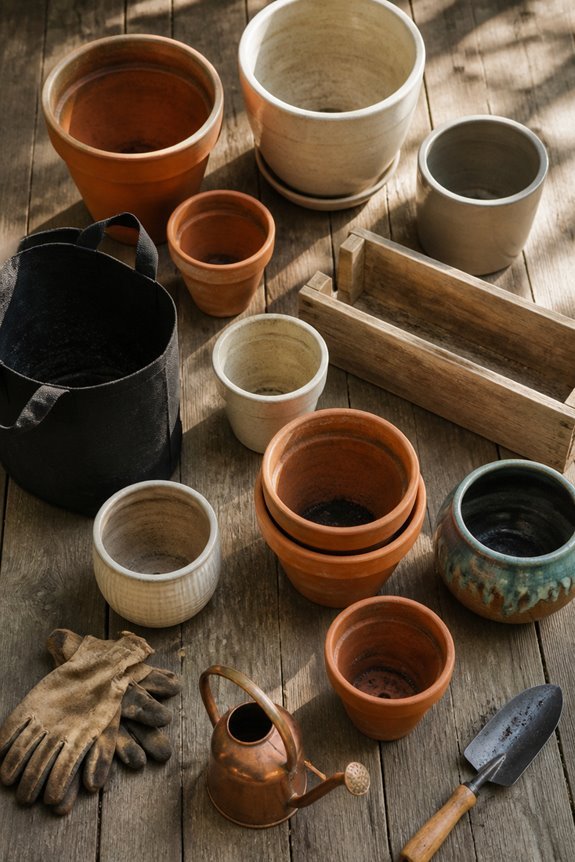
Think of your containers as your plants’ homes. You wouldn’t want to live somewhere cramped and soggy, right? Your plants feel the same way.
Start with size. Bigger pots (at least 12 inches wide) let roots stretch and breathe. Small pots choke them. It’s that simple.
Now check the bottom. No drainage holes? Skip it. Standing water rots roots fast.
Material matters more than you think. Terracotta looks beautiful but dries out quickly. You’ll water more often. Plastic holds moisture longer. Perfect if you forget to water sometimes. Ceramic pots add color and style, but they’re heavy. You’ll think twice before moving them. Fabric grow bags are lightweight and let air reach the roots. Great for vegetables.
Mix sizes and colors. Your space will look alive, not like a forgotten plant cemetery.
Also read: 28+ FRONT YARD PLANTS THAT LOOK RIDICULOUSLY GOOD
Assess Your Light Conditions Before Planting
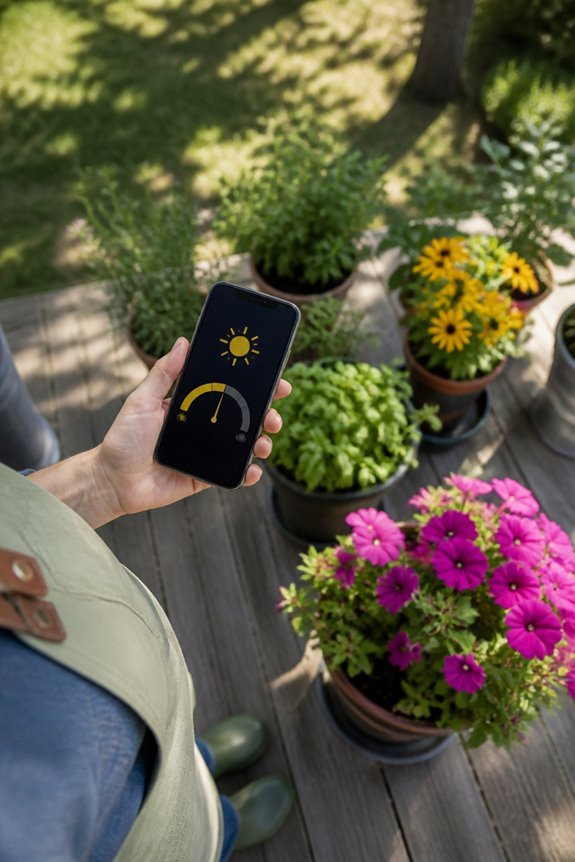
Ready to find the perfect home for your plants? Grab a coffee and step outside. You’ll need to see where the sun actually lands, not where you think it does.
Most plants need 6-8 hours of daily sunlight. Full sun means 6 or more hours. Partial shade gives you 3-6 hours. Less than 3 hours counts as shade.
Now walk your front yard at different times. Morning light feels gentle. Afternoon sun hits hard. Check your container spots at 9 AM, noon, and 4 PM. Trees shift their shadows like slow dancers. Buildings create cool, dark corners.
Notice how a south-facing wall turns into an oven by July. North-facing spots stay refreshingly shady. These details matter more than you think.
Match your plants to what you’ve found. Tomatoes will sulk in too much shade. Hostas will crisp up in blazing sun. Get this right now and you’ll avoid the sad sight of struggling plants later.
Create Colorful Flower Displays in Entryway Containers
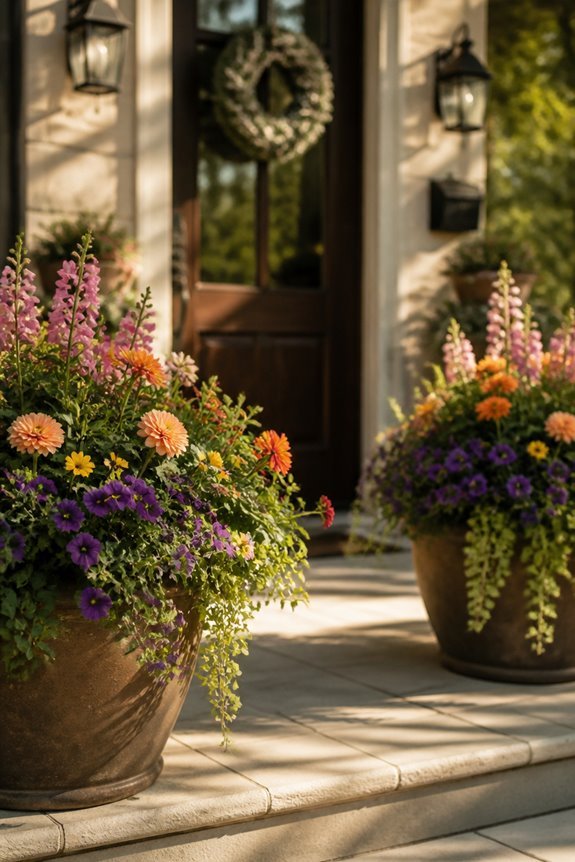
You found your sunny spot. Now let’s make your entryway impossible to ignore.
Grab containers that are 12 to 18 inches wide. Fill them with potting soil, then plant marigolds, petunias, or zinnias in bold combinations. Try sunny yellow with deep purple. Or go wild with pink and orange. These colors do the talking for you.
Put one container on each side of your door. Tall flowers go in back, shorter ones up front. It’s like building a pyramid, only less ancient and much prettier.
Water them regularly. That’s it. Neighborhood joggers will slow down. You’ll prove you can absolutely keep living things alive.
Grow Culinary Herbs in Compact Containers
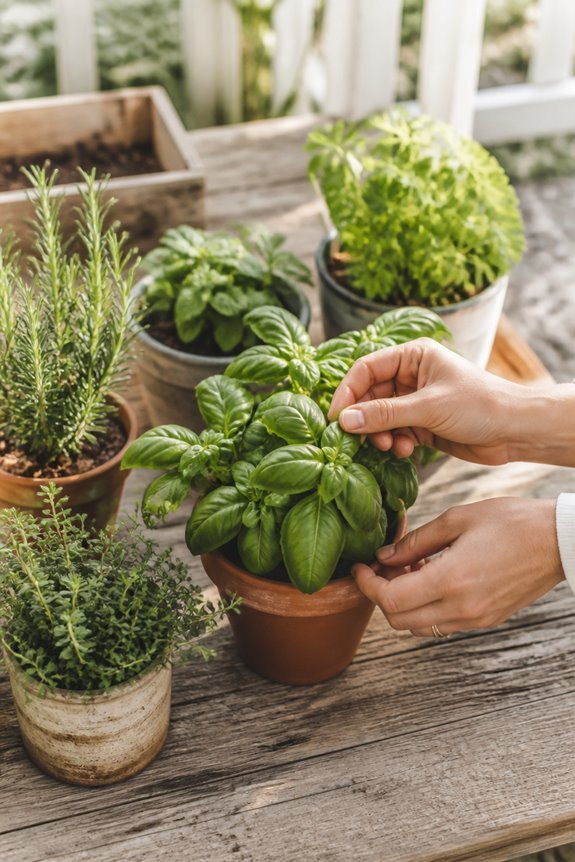
Fresh herbs beat the dried stuff in your spice cabinet every single time. And growing them yourself? It’s simpler than you think.
Grab a few 6-8 inch pots and fill them with well-draining soil mixed with compost. Basil, parsley, and chives love sunny spots and fast-draining containers. These plants forgive beginner mistakes. They grow so quickly you might actually have trouble keeping up.
Position your pots right by the door or kitchen window. You’ll snip and cook without breaking stride. Mint needs its own container though. Left unchecked, it bullies every other plant nearby. Keep thyme and oregano slightly drier; they’re tougher than the rest.
Water when the soil feels dry to your touch. Pinch off flower buds as soon as they appear. This keeps your leaves tender and your plants productive. Before long, you will step outside and breathe in your own private herb garden.
Plant Vegetables in Small-Space Containers
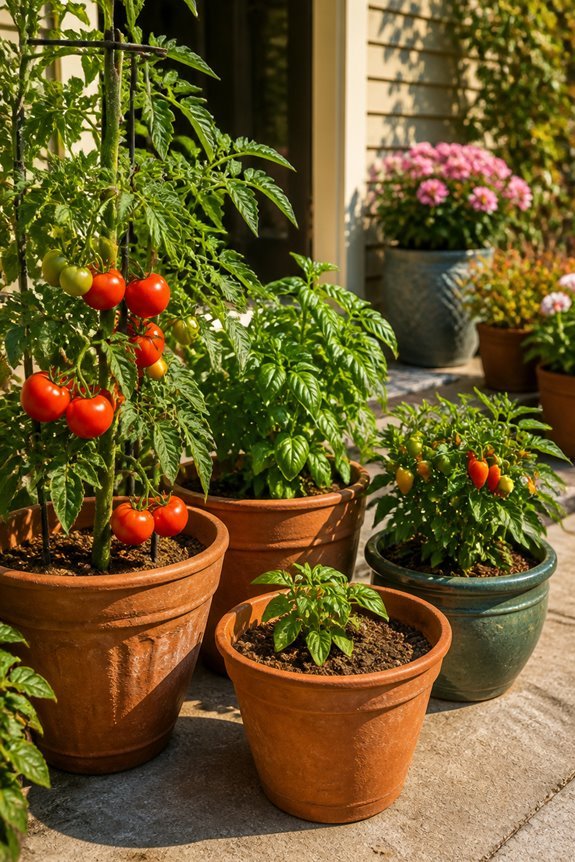
Herbs might have claimed your windowsill, but vegetables deserve a spot too. You can grow a surprising harvest even if you only have a balcony or tiny patio.
Start with tomatoes. They want five-gallon buckets and will reward you with fruit like they’re showing off. You can tuck lettuce and spinach into shallow eight-inch containers. They’re low-maintenance and happy with minimal space.
Peppers add attitude to any setup. Give them ten-inch pots and they’ll spice up your front yard with zero drama. Radishes grow almost overnight and barely need room to stretch. Zucchini works harder than you’d expect in twelve-inch containers, producing more than you can keep up with.
Your success hinges on three things. Use quality potting soil, not garden dirt. Water on a schedule so roots never dry out. Place every container where it’ll soak up six hours of sun minimum.
You’ll be amazed how much food comes from just a few pots.
Design a Low-Maintenance Succulent Container Garden
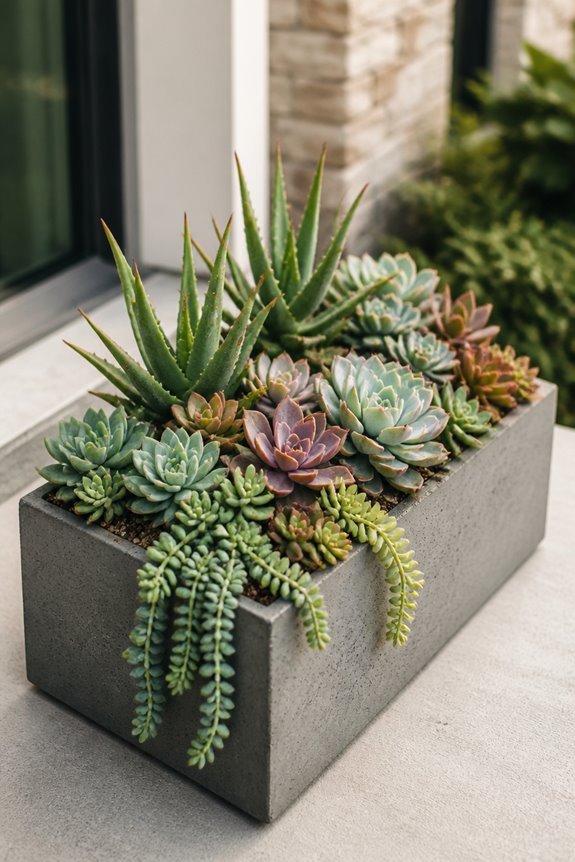
Want a garden that forgives your forgetfulness? Succulents have your back. These water-storing champs handle neglect better than most plants handle love.
Pick a shallow container around 8 inches wide. Drainage holes are non-negotiable. Fill it with cactus soil, not regular potting mix. Now for the fun part: shopping. Grab an echeveria with soft blue leaves. Add a spiky aloe for texture. Tuck in a purple sempervivum for punch. Sunset orange sedum works too.
Water your mini desert only when the soil feels bone dry. Once monthly usually does it during spring and summer. Sunlight matters more than fussing. Find a spot that gets four hours of direct light. Your front yard probably has one.
Then step back. These tough little guys thrive on benign neglect. You will not believe how little they need. Even distracted beginners look like green thumbs.
Build a Wall-Mounted Vertical Garden for Tight Spaces
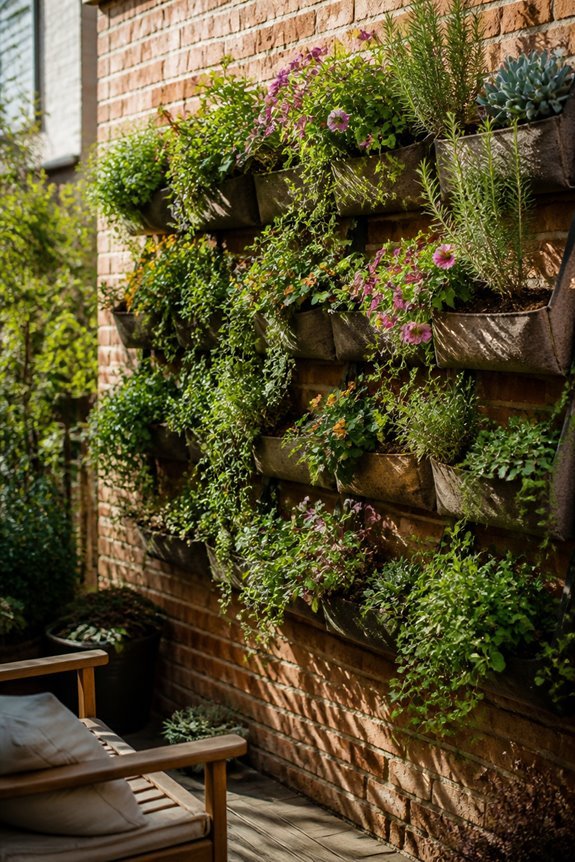
Cramped yard? You can still grow something beautiful.
Wall-mounted vertical gardens free up your floor space fast. Grab a wooden pallet or simple metal grid. Mount it to your fence or house wall. Add pockets or planters about six to twelve inches deep across the surface. Fill with soil. Tuck in shallow-rooted plants like sedums, fresh herbs, or trailing petunias.
Your plants will cascade down in green waves and purple blooms. Water flows naturally from top to bottom. No more bending over dozens of pots. Position everything where afternoon sun hits hard. That blank wall becomes a living piece of art. You’ve painted with plants instead of paint.
Stack Containers to Create Height and Visual Impact
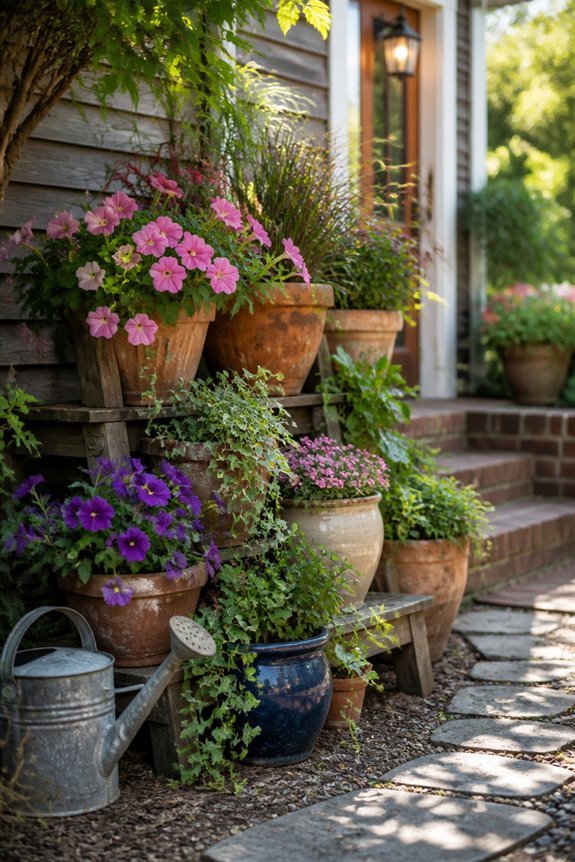
You walk past your front yard every day, but do you really look up? Most of us focus on ground level and miss half the space we have. That’s a shame, because your vertical real estate is free.
Stacking containers fixes this fast. Grab your biggest pots and set them on the ground. Then tuck smaller ones right on top like you’re building a staircase for plants. Suddenly your front yard has layers. It looks like you planned it that way. Try mixing heights: 12 inches, 18 inches, 24 inches. Your eye travels up naturally.
Pick pots with personality. Terra cotta next to bright blue or sunny yellow wakes everything up. Fill the upper containers with trailing flowers. Let them spill over the edges like green waterfalls. Your neighbors will slow down when they drive by. You’ll prove that gardening has real vertical range. Stack smart and your yard becomes something worth stopping for.
Cascade Trailing Plants Over Container Edges
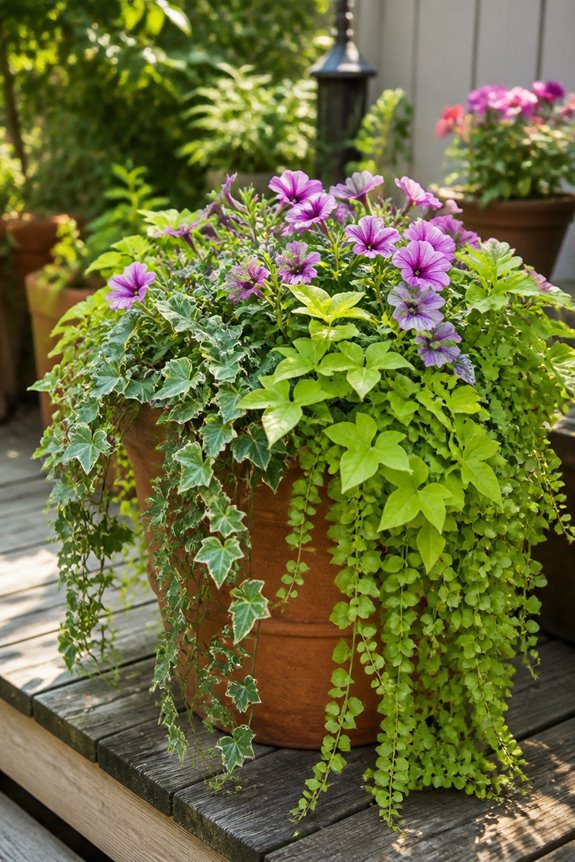
Want instant wow factor without replanting your whole yard? Trailing plants are your answer. They spill over container edges like nature’s own decoration.
You get 12 to 18 inches of cascading growth that moves in the breeze. Try petunias for color, sweet potato vine for bold leaves, or creeping Jenny for chartreuse pop. Tuck them around the rim and let gravity do the work. That purple and lime pairing? People will literally stop to ask where you shop.
You also solve a problem you didn’t know you had. Trailing plants cover plain plastic pots and weathered container sides automatically. No extra effort required. Just water, step back, and enjoy the coolest front yard on the block.
Choose Monochromatic Color Schemes for a Unified Look
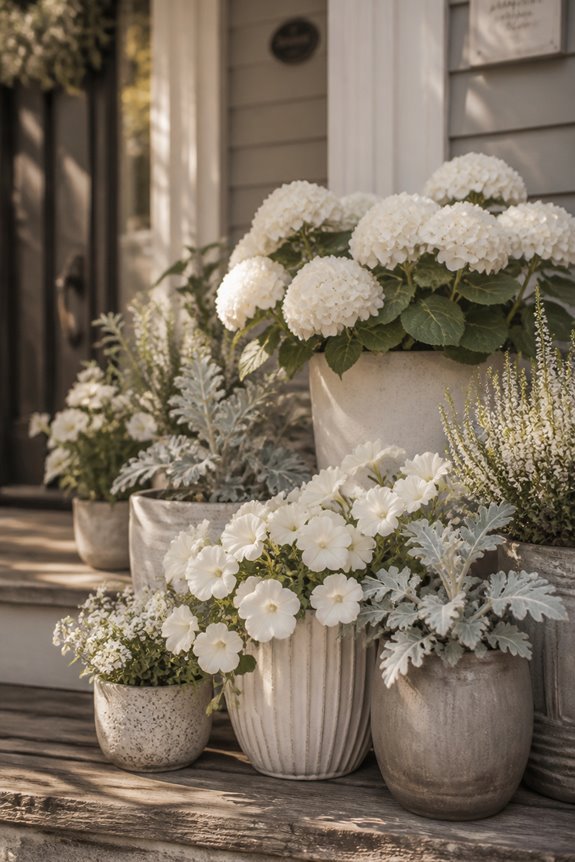
Feeling overwhelmed by too many colors in your containers? You’re not alone. A rainbow of plants can feel chaotic fast. That’s where monochromatic schemes save the day.
Pick one color family and own it. All purples. All whites. All soft pinks. Your brain relaxes instantly. Small spaces suddenly feel bigger and more pulled-together.
You still get to play with textures and shapes. Try deep eggplant petunias with silvery dusty miller and pale purple calibrachoa. Same family, totally different personalities. The contrast keeps things interesting without the visual noise.
Your neighbors might ask for your landscaper’s number. Just smile and keep your simple secret.
Pair Different Leaf Textures for Depth and Interest
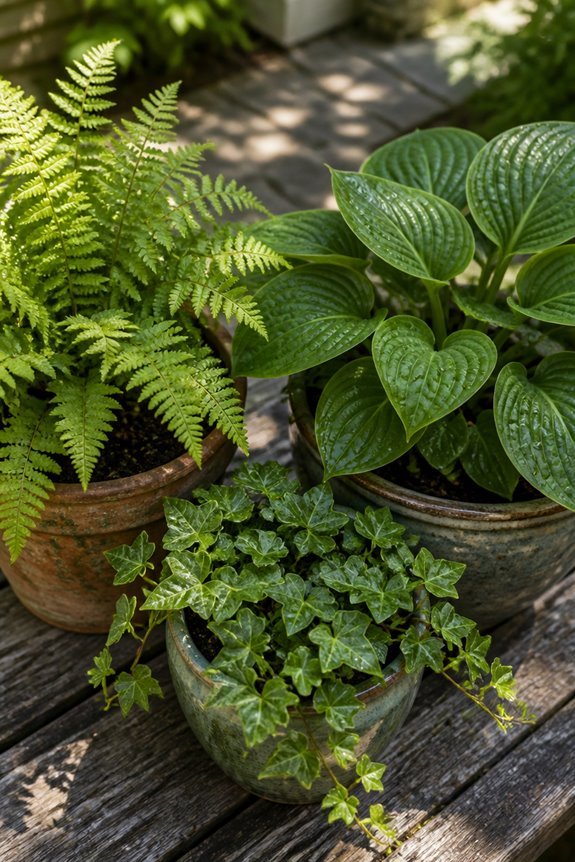
You know that flat feeling when a container looks somehow empty, even with blooms? The secret’s in the leaves. They carry just as much weight as any flower.
Try this: tuck a feathery fern right up against a chunky hosta. The pairing alone creates instant depth. Spiky grasses play off soft dusty miller like they were made for each other. Your eyes can’t help but bounce between them.
Layer the fine stuff with the bold stuff in one pot. Delicate foliage below, broad leaves above, or mix them sideways. Everything suddenly looks like you planned it that way.
Even when flowers fade or flop, the leaves keep performing. Coleus brings the color without begging for deadheading. Carex shimmers. Sweet potato vine spills and crawls. Choose a 12 to 18 inch container and stack your textures at different heights. The whole thing comes alive without a single bloom fighting for attention.
Layer Containers by Height to Draw the Eye
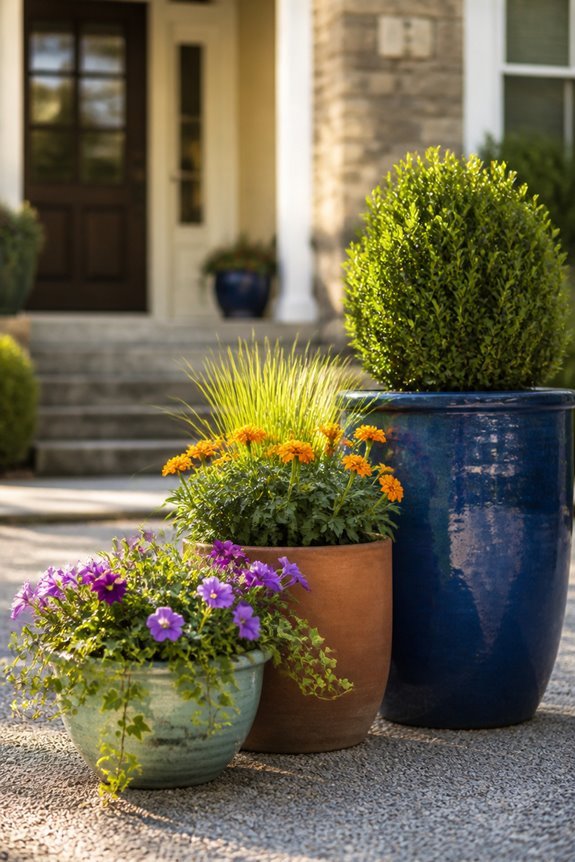
Ever feel like your containers just sit there in a line? That’s a common snag. Your yard deserves better than flat and predictable.
Start stacking things up. Put those 24-inch pots in back, 12-inch ones up front. Suddenly every plant gets its moment in the sun. No more hiding behind neighbors. You can use benches, plant stands, even flipped pots as risers. The eye loves to travel upward through layers. It feels like magic, but you made it happen.
Don’t stop at height. Mix your container colors too. Try cream pots next to terracotta. They create this stepping-stone rhythm that pulls you through the space. Your flat front yard becomes something with actual personality. Neighbors slow down. They look twice. That’s when you know you’ve nailed it.
Plant Fragrant Herbs and Flowers for Aromatic Appeal
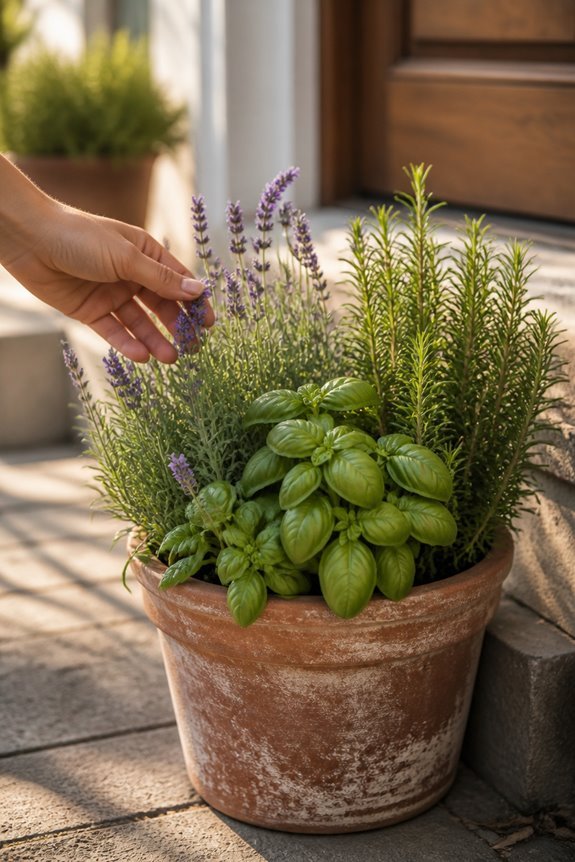
Want your front yard to do more than just look nice? Give your nose something to celebrate. Fragrant herbs and flowers turn simple containers into aromatic showstoppers.
Start with lavender in 12-inch pots. You’ll get purple blooms and that calming, spa-like scent. Your neighbors will notice. Mint grows fast, so keep it contained. Left alone, it becomes a garden bully. Rosemary brings woodsy charm and works in your kitchen too. Try petunias for bold pinks and purples with sweet fragrance. Gardenias offer creamy white blooms that smell like expensive perfume.
Cluster these scented treasures near your front door. Visitors will notice the aroma right away. Your curb appeal gets a boost, and you get a daily sensory treat.
Keep Your Container Garden Thriving Season to Season
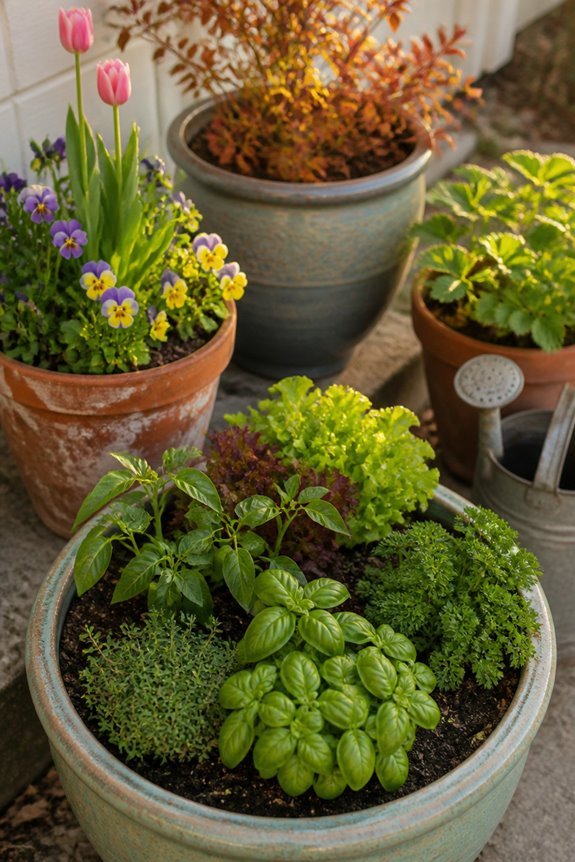
Your container garden depends on you. It can’t pull through the seasons without a little help.
Winter hits hard. Freezing roots will kill your plants fast. Wrap your pots in burlap. It works like a cozy blanket for the soil inside. Summer brings the opposite problem. Heat dries pots out before lunch. Stick your finger in the soil. Dry an inch down? Water immediately. No exceptions.
Spring and fall have their own tricks. Heavy rain sneaks up and rots roots from below. Check that your pots have drainage holes. Big ones. Then check again. Deadhead your spent flowers too. This stops lazy seed production and forces new blooms instead. Fertilize every two weeks when plants are growing. Prune anything leggy to keep shapes full and neat. Rotate your containers now and then. Even sun means even growth. Do this, and your garden pays you back with color that lasts all year.
Frequently Asked Questions
How Often Should I Water My Front Yard Container Garden During Hot Weather?
During hot weather, one should water front yard container gardens daily, or even twice daily if temperatures exceed 85°F. Containers dry out rapidly in heat, so checking soil moisture frequently becomes essential. Morning watering proves most effective for plant health.
What Is the Best Soil Mix to Use for Container Gardening in Small Spaces?
Ironically, the finest container soil requires no actual garden dirt whatsoever. A quality mix combines equal parts peat moss or coconut coir, perlite, and compost. This lightweight blend guarantees proper drainage while retaining adequate moisture for thriving plants.
Can I Leave My Containers Outside During Winter Months?
Containers can remain outside during winter, though gardeners should consider their climate zone and container material. Ceramic and terracotta may crack from freezing temperatures, while plastic and wood containers withstand cold better. Insulating containers or moving them against building walls provides additional protection.
How Do I Prevent Pests and Diseases in Container Plants?
Container gardeners prevent pests and diseases by ensuring proper drainage, maintaining adequate air circulation between plants, inspecting foliage regularly for early signs of infestation, removing affected leaves promptly, and applying organic treatments when necessary.
What’s the Cost to Start a Front Yard Container Garden?
Picture vibrant blooms spilling from terra-cotta pots lining a modest entrance. Starting costs vary widely—one can begin modestly with $50-$150 for basic containers, soil, and seedlings, or invest $300-$500 for premium materials and larger selections.
Conclusion
Front yard container gardens transform tiny spaces into gorgeous green zones. Studies show that homes with plants sell 5-6% faster, proving that even small pots pack serious curb appeal power! Gardeners who embrace containers discover they’re easier to maintain than traditional beds. These pocket-sized gardens attract butterflies, impress neighbors, and honestly? They make people way happier. Small spaces, big dreams, and endless possibilities await.