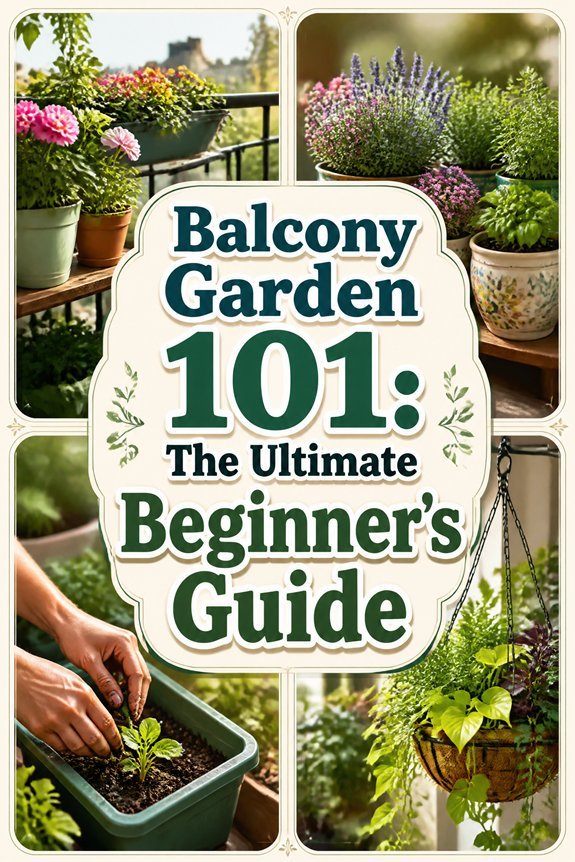
Even a modest balcony can become a surprisingly productive garden with the right approach. Sunlight is your starting point—most vegetables and herbs need six hours of direct light, though leafy greens tolerate partial shade. Take time to observe how sun moves across your space before buying a single plant.
Containers make or break your success. Always choose pots with drainage holes, and invest in quality potting mix rather than garden soil, which compacts in containers. Terracotta breathes well but dries quickly; plastic retains moisture longer. Matching container size to mature plant size prevents the frustration of stunted growth.
Watering trips up more beginners than any other factor. Container plants dry out faster than ground plantings, especially in summer heat, yet overwatering causes root rot just as surely as drought causes wilting. Stick your finger an inch into the soil—dry at that depth means it’s time to water.
Pests arrive uninvited even on high floors. Aphids, spider mites, and whiteflies find balcony plants with surprising ease.
Inspect leaves regularly, catch problems early, and keep a simple organic soap spray on hand. Learning which plants thrive in your specific conditions comes with patience and small failures along the way.
Check Your Sunlight and Space
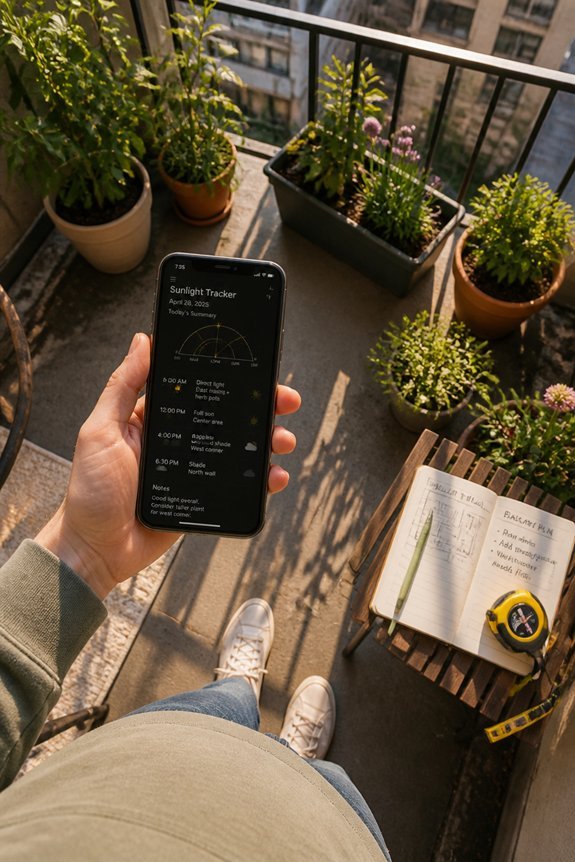
How much sunlight does a balcony actually receive throughout the day? Most balconies get between four and eight hours of direct sunlight, depending on their direction and surrounding buildings. North-facing balconies receive minimal light, while south-facing ones get the most exposure.
Gardeners should observe their balcony at different times: morning, noon, and evening. This determines which plants will thrive in those conditions. Full-sun plants need six or more hours of direct light daily. Shade-tolerant varieties work better for balconies receiving fewer than four hours.
Space constraints also matter considerably. Balconies vary in size, weight capacity, and railing configuration. Smaller spaces require compact containers, vertical gardening solutions, and lightweight soil.
Checking building codes and lease agreements prevents future complications with landlords or property managers regarding plant placement and structural safety.
Choose the Right Containers
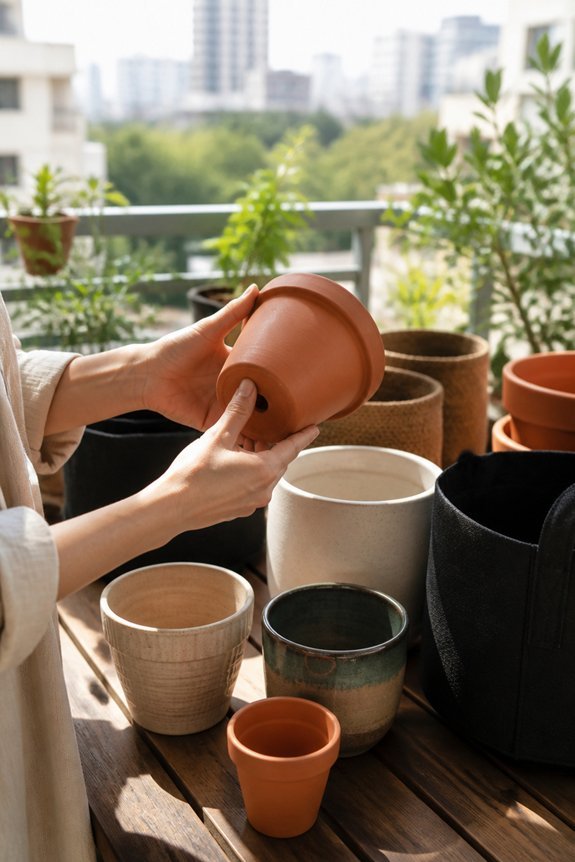
Container selection forms the foundation of balcony gardening success, as the right pots directly affect plant health, safety, and aesthetics. Gardeners should select containers with drainage holes, preventing water accumulation and root rot. Terracotta pots offer breathability but dry quickly, requiring frequent watering. Plastic containers retain moisture longer and weigh less, making them suitable for weight-restricted balconies. Ceramic pots provide visual appeal while offering moderate drainage properties.
Size matters greatly. Small pots suit herbs and shallow-rooted plants, while larger containers accommodate vegetables and flowering shrubs. A general rule suggests using pots at least 6 inches deep for most plants.
Material durability varies by climate. Terracotta cracks in freezing temperatures, whereas plastic and ceramic withstand temperature fluctuations better. Weight considerations are essential on balconies with structural limitations.
Choose Soil and Fertilizer for Balcony Gardens
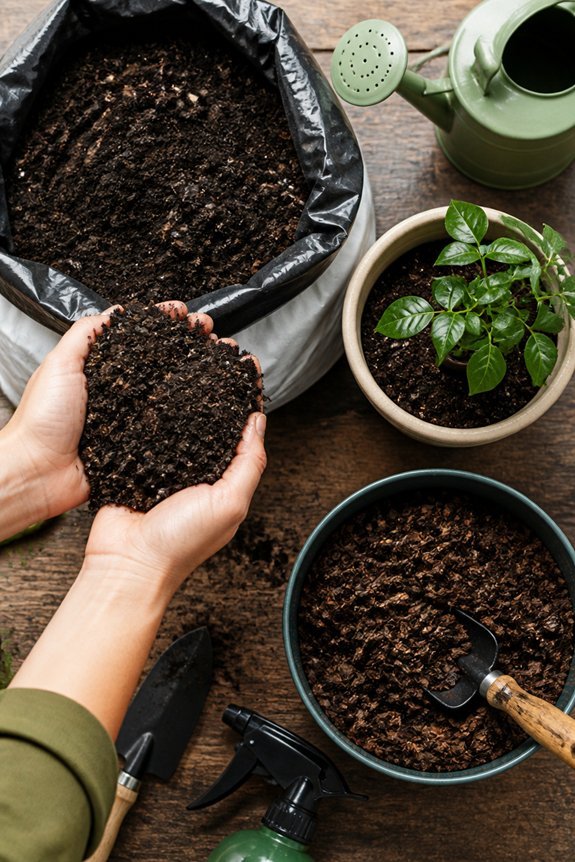
Since container plants rely entirely on the soil within their pots, selecting the right growing medium becomes critical for balcony gardening success. Standard garden soil compacts too densely for containers, restricting root growth and drainage. Instead, use potting mix, a lightweight blend containing peat moss, coconut coir, compost, and perlite.
Quality potting mixes drain well while retaining adequate moisture for plant roots. Brands like Miracle-Gro and Fox Farm offer reliable options for various plant types.
Fertilizer replenishes nutrients that leach from containers during watering. Container plants need supplemental feeding every two to four weeks during growing season. Use balanced fertilizers, such as 10-10-10 formulations, or select specialty fertilizers for specific plants like vegetables or flowering varieties.
Pick Balcony Plants That Match Your Conditions
The success of a balcony garden depends largely on selecting plants suited to the specific growing environment available. Gardeners must assess light conditions first, since sun exposure varies notably across different balcony orientations. North-facing balconies receive limited direct sunlight, making shade-tolerant plants like hostas and ferns suitable choices. South-facing areas offer abundant light, supporting sun-loving plants such as tomatoes, peppers, and marigolds. East and west-facing balconies provide moderate conditions appropriate for most vegetables and flowering plants.
Wind exposure presents another critical factor. Exposed balconies require sturdy, wind-resistant varieties including sedums and ornamental grasses. Sheltered locations accommodate more delicate specimens.
Temperature fluctuations also matter: sheltered urban balconies stay warmer than exposed suburban ones, influencing plant selection and frost timing.
Matching plants to these specific conditions guarantees healthier growth and better harvests.
Start With Easy Herbs, Vegetables, and Flowers
Once gardeners understand their balcony’s specific conditions, beginner-friendly plants offer a practical next step. Herbs like basil, parsley, and chives thrive in containers with minimal care. These plants tolerate various light levels and require only consistent watering.
For vegetables, cherry tomatoes, lettuce, and peppers perform well in balcony environments. They need adequate sunlight, typically six to eight hours daily, and well-draining soil.
Flowers such as marigolds, petunias, and zinnias add visual interest while remaining hardy. These species handle container life effectively and adapt to different moisture conditions.
Beginners should select plants matching their balcony’s light availability and wind exposure. Starting with multiple plant types allows gardeners to observe which varieties perform best in their specific space.
Set Up a Watering System for Your Balcony Garden
Consistent watering presents one of the most critical challenges for container gardeners, since balcony plants dry out faster than ground gardens. Wind exposure, sun intensity, and container size all affect moisture loss rates.
Drip irrigation systems offer a reliable solution, delivering water directly to soil while minimizing waste. Soaker hoses work well for multiple containers arranged in rows. Self-watering containers feature built-in reservoirs that release moisture gradually over several days.
For manual watering, use a watering can with a fine spout to control water distribution. Check soil moisture daily by inserting a finger two inches deep into the potting mix. Water when the soil feels dry at that depth. Morning watering prevents fungal issues and allows plants to absorb moisture throughout the day.
What to Do When Things Go Wrong
Despite proper watering schedules and appropriate sunlight, balcony gardens sometimes develop problems that require quick attention. Common issues include pests like spider mites, aphids, and whiteflies, which damage leaves and spread disease. Yellow leaves often signal nutrient deficiencies or overwatering, while wilting suggests insufficient water or root problems. Fungal infections manifest as white powder or dark spots on foliage. These conditions worsen in humid, poorly ventilated spaces.
Address problems by inspecting plants regularly for early signs of damage, removing affected leaves or stems promptly, and adjusting watering frequency based on soil moisture. Increase air circulation with fans if needed. Apply organic pest control solutions when necessary, and relocate struggling plants to better light conditions.
Early intervention prevents minor issues from becoming severe garden failures.
Frequently Asked Questions
How Do I Protect My Balcony Garden From Strong Winds and Extreme Weather Conditions?
Gardeners protect balcony plants by installing windbreaks using trellises or screens, securing containers with stakes, selecting hardy species, and relocating delicate plants during severe weather. Regular monitoring and strategic placement against building walls offer additional protection from harsh conditions.
Can I Grow a Balcony Garden in an Apartment With No Direct Sunlight Available?
Yes, one can cultivate a balcony garden without direct sunlight. Shade-tolerant plants such as ferns, hostas, and leafy greens thrive in low-light conditions. Supplemental grow lights effectively compensate for insufficient natural light, enabling successful indoor gardening in apartments.
What Is the Best Time of Year to Start a Balcony Garden for Beginners?
Like planting seeds of ambition, beginners should start their balcony gardens in spring when temperatures warm and daylight lengthens. This golden season offers ideal growing conditions, allowing novices to establish healthy plants before summer’s intensity arrives.
How Do I Prevent Pests and Diseases in a Small Balcony Garden Space?
One prevents pests and diseases in small balcony spaces by maintaining proper air circulation, inspecting plants regularly, removing affected leaves promptly, using neem oil sprays, avoiding overwatering, and isolating infested plants immediately to protect neighboring specimens.
Are There Weight Restrictions I Should Know About for My Balcony Garden Setup?
Like Icarus flying too close to the sun, gardeners must respect their balcony’s structural limits. Most residential balconies support 40-50 pounds per square foot. One should consult building codes and verify load capacity before installing heavy containers, soil, and water systems.
Conclusion
Balcony gardeners who follow these fundamentals—assessing light, selecting proper containers, using quality soil, choosing appropriate plants, maintaining consistent watering, and addressing problems promptly—can cultivate thriving gardens in confined spaces. Like Icarus maneuvering between extremes, successful balcony gardeners must balance competing demands: adequate sunlight versus shade protection, sufficient moisture versus drainage, and plant density versus air circulation. Attention to these core principles transforms small outdoor areas into productive growing environments.