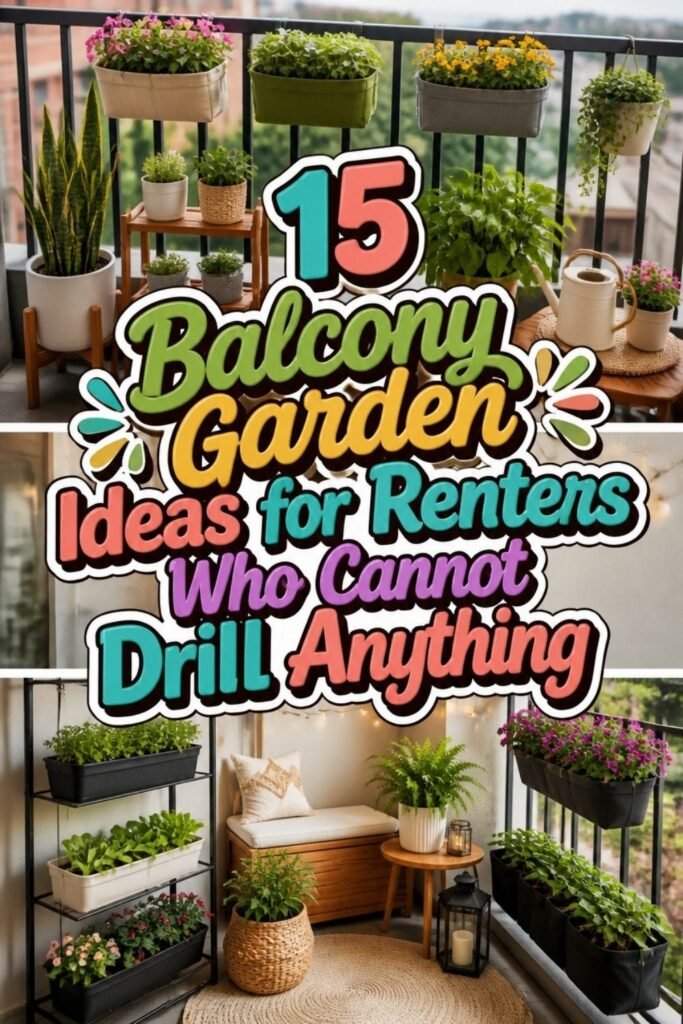
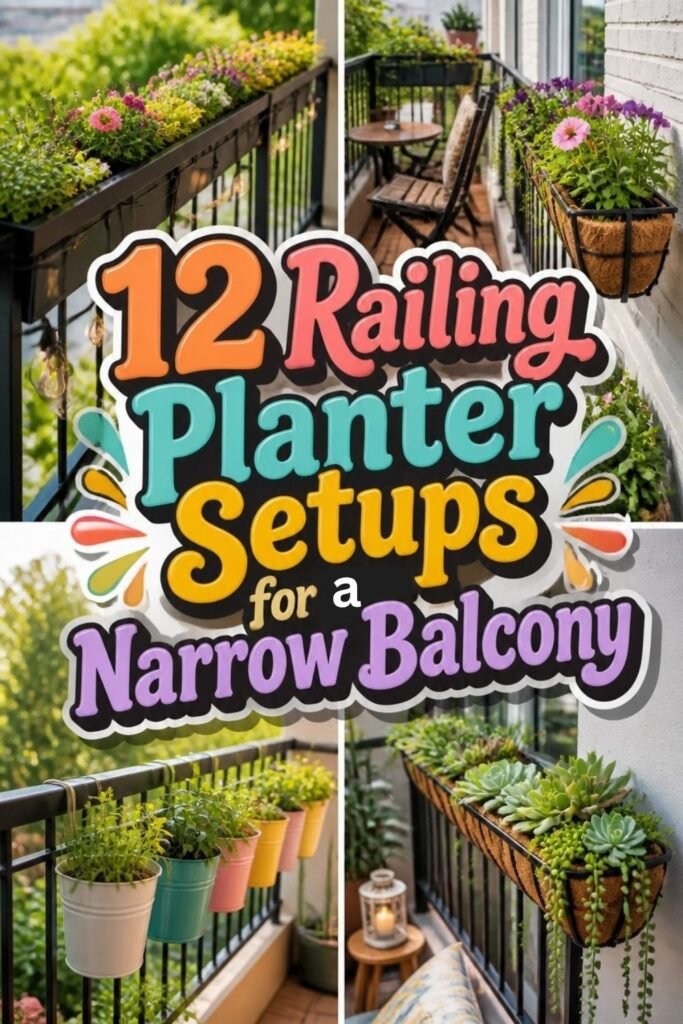
Narrow balconies can feel limiting, but railing planters turn that constraint into opportunity. By drawing the eye upward, these setups transform bare rails into lush, productive growing zones without sacrificing precious floor space.
There’s no shortage of configurations to explore. Rail-mounted boxes keep herbs within arm’s reach for cooking, while tiered systems stack multiple plant layers vertically.
Hanging planters add cascading drama with trailing ivy or petunias, and self-watering models suit travelers or anyone prone to forgetting watering day. Each style carries its own trade-offs between upfront cost, ongoing upkeep, and which plants will actually thrive.
Material matters more than most people expect. Metal heats up fast in summer sun and can cook delicate roots; cedar and recycled plastics breathe better and last longer.
Pair the right container with seasonal thinking—cool-weather greens in spring, heat-tolerant blooms in July, perhaps a late sowing of kale when autumn arrives—and even the skimpiest balcony rail becomes genuinely productive.
Rail-Mounted Planters: Your Space-Saving Starting Point
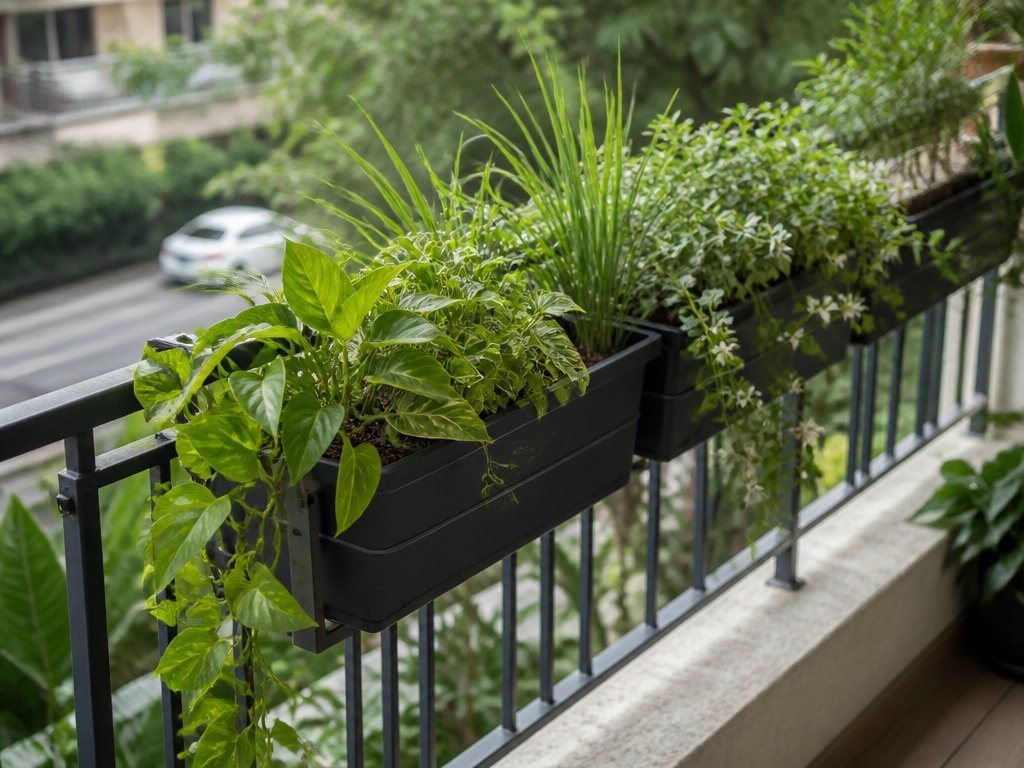
Rail-mounted planters attach directly to balcony railings, freeing up floor space that would otherwise hold traditional pots. These fixtures come in various materials, including metal, plastic, and wood. Common styles include hanging baskets, tiered planters, and railing boxes.
Installation requires basic hardware, typically bolts or clamps. Rail-mounted options accommodate herbs, flowers, and small vegetables effectively.
Tiered Systems for Maximum Vertical Growth
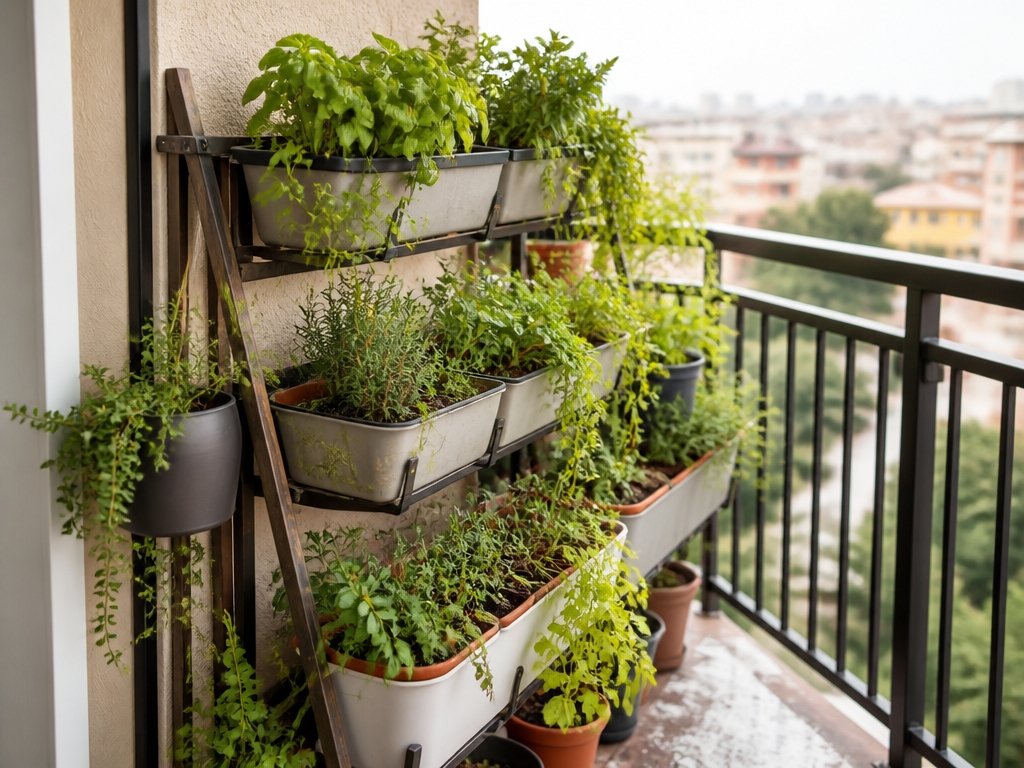
Because balcony space remains limited, tiered planter systems stack multiple levels of growing containers vertically, enabling gardeners to cultivate more plants in confined areas. Three-tier metal stands, hanging cascading planters, and corner shelving units accommodate herbs, succulents, and flowers efficiently.
These systems maximize sunlight exposure for each tier, improve air circulation, and simplify watering routines across multiple plants simultaneously.
Hanging Options That Drape Over Your Rail
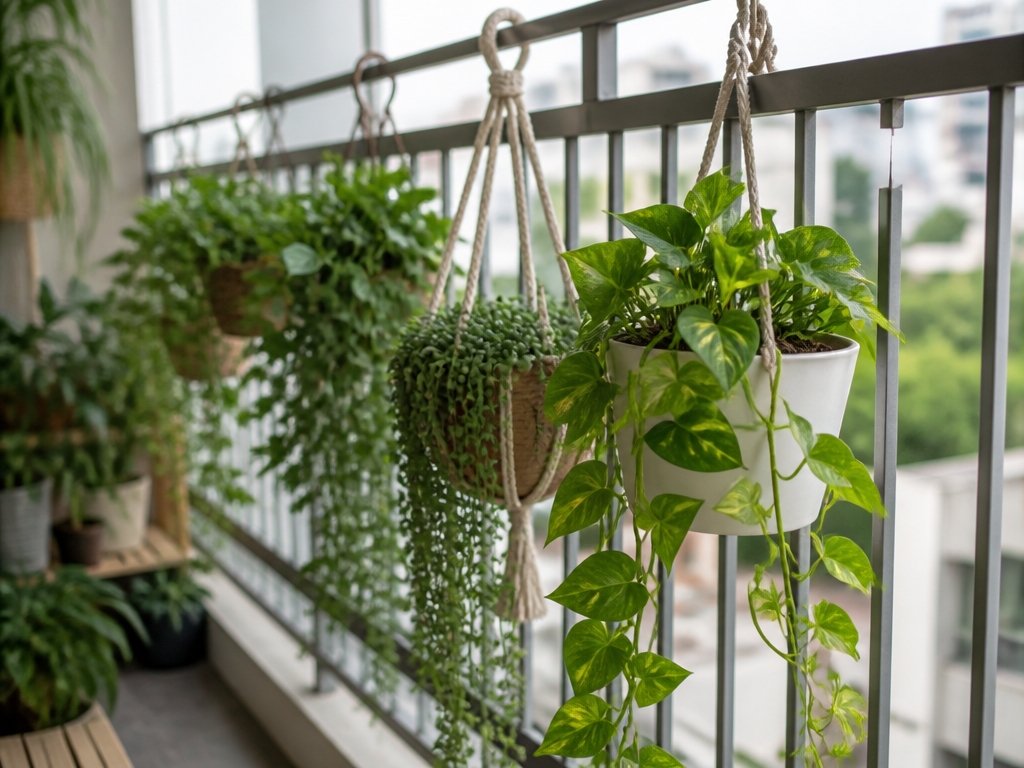
Several hanging planter designs attach directly to balcony railings, allowing plants to cascade downward and utilize otherwise unused vertical space. Railing-mounted hooks support hanging baskets, macramé plant holders, and S-shaped hangers.
Trailing plants like pothos, string of pearls, and ivy work well in these setups. The draping foliage softens the balcony’s visual lines while keeping the floor area clear for foot traffic and seating. For best results, match your setup to your sunlight conditions so the plants you choose can thrive.
Self-Watering Railing Planters for Low Maintenance
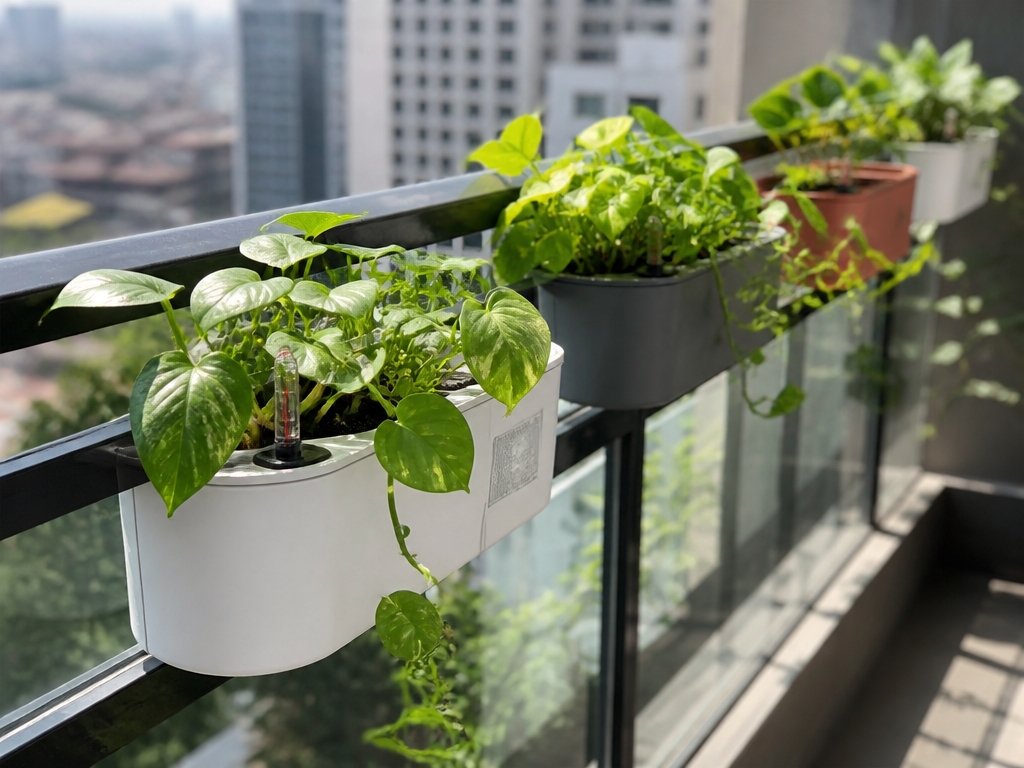
Self-watering railing planters offer a practical solution for balcony gardeners with limited time for daily maintenance. These planters feature built-in reservoirs that gradually release water to plant roots, reducing watering frequency to once weekly or biweekly.
Models like the Lechuza Windowsill and Greenbo Rail Planters work well on narrow balconies, holding moisture for herbs, succulents, and trailing flowers effectively.
Herb Garden Railing Setups for Kitchen Access
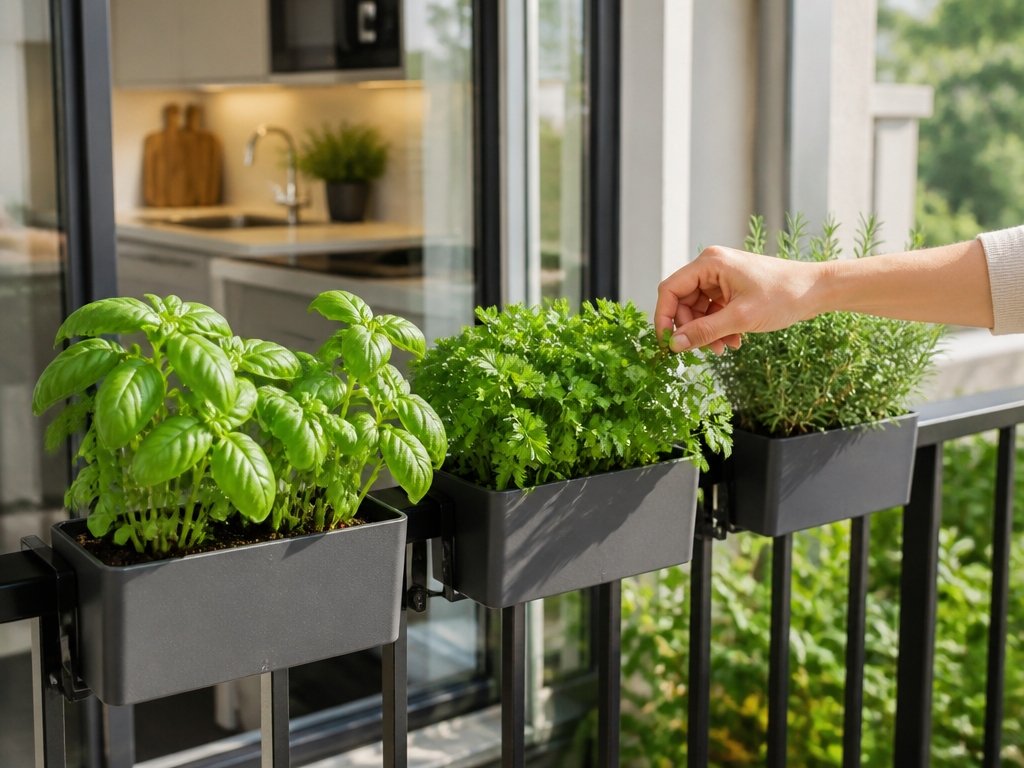
Positioning herb planters on a kitchen-facing balcony railing provides convenient access to fresh culinary herbs throughout the growing season. Basil, parsley, thyme, and oregano grow well in railing-mounted containers.
Planters positioned near kitchen doors reduce harvest time. Guarantee adequate sunlight exposure, typically six to eight hours daily. Lightweight containers minimize railing strain while accommodating root systems. Drainage holes help prevent water buildup and root suffocation in railing-mounted containers. Vertical space can also be used with railing planters to maximize growing room on a narrow balcony.
Flower Railing Planters for Year-Round Color
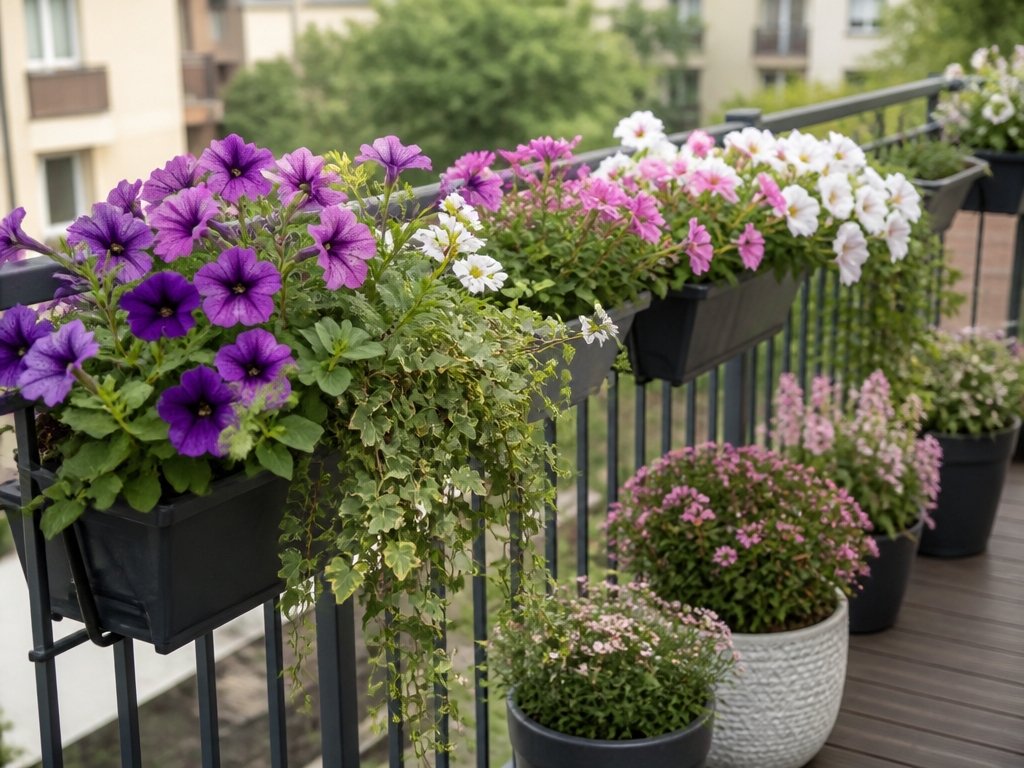
While herb gardens serve practical kitchen needs, ornamental flowers offer consistent visual interest and seasonal variety to balcony railings. Petunias, marigolds, and pansies provide reliable blooms across different seasons. Railing planters filled with these flowers create color continuity from spring through fall.
Selecting varieties with staggered bloom times guarantees year-round display. Regular deadheading and seasonal plant rotation maintain visual appeal throughout changing weather conditions.
Going Vertical: Trellised Railing Planters for Climbers
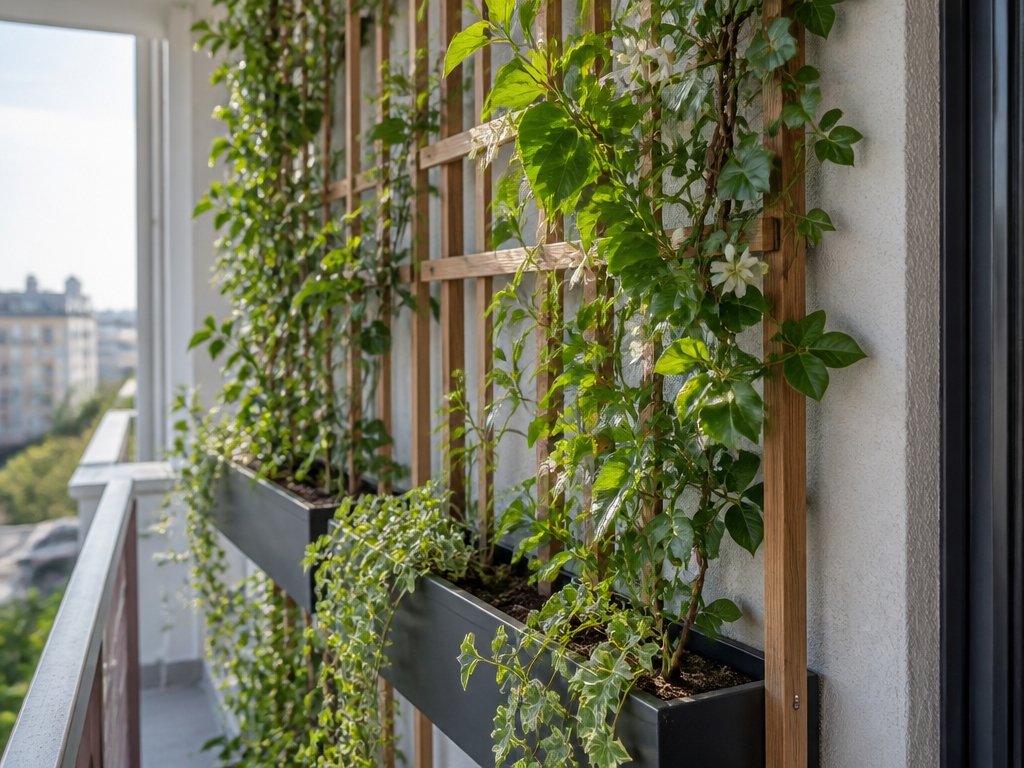
Climbing plants transform narrow balcony railings into vertical gardens, adding dimension and visual interest without consuming floor space. Trellised planters attached to railings support ivy, clematis, and honeysuckle growth. These setups maximize limited balcony areas through upward expansion.
Lightweight trellises prevent structural strain. Regular pruning maintains plant shape and prevents overgrowth onto neighboring properties or building surfaces.
Corner Solutions for Awkward Balcony Spaces
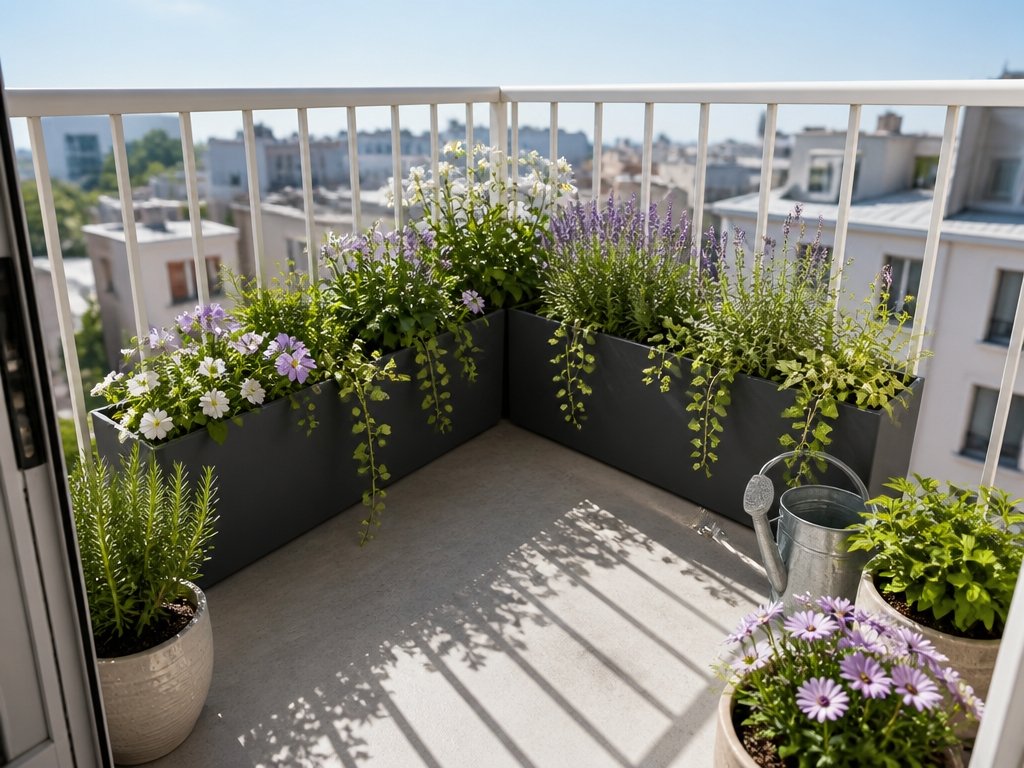
Corner spaces on narrow balconies present unique planting opportunities that many owners overlook. L-shaped planters fit snugly into these areas, maximizing unused space. Triangular containers work well for tight corners, holding trailing plants like pothos or sweet potato vine.
Positioning tall, narrow planters vertically in corners draws the eye upward, creating visual interest without consuming precious floor space.
Material Guide: Metal vs. Ceramic
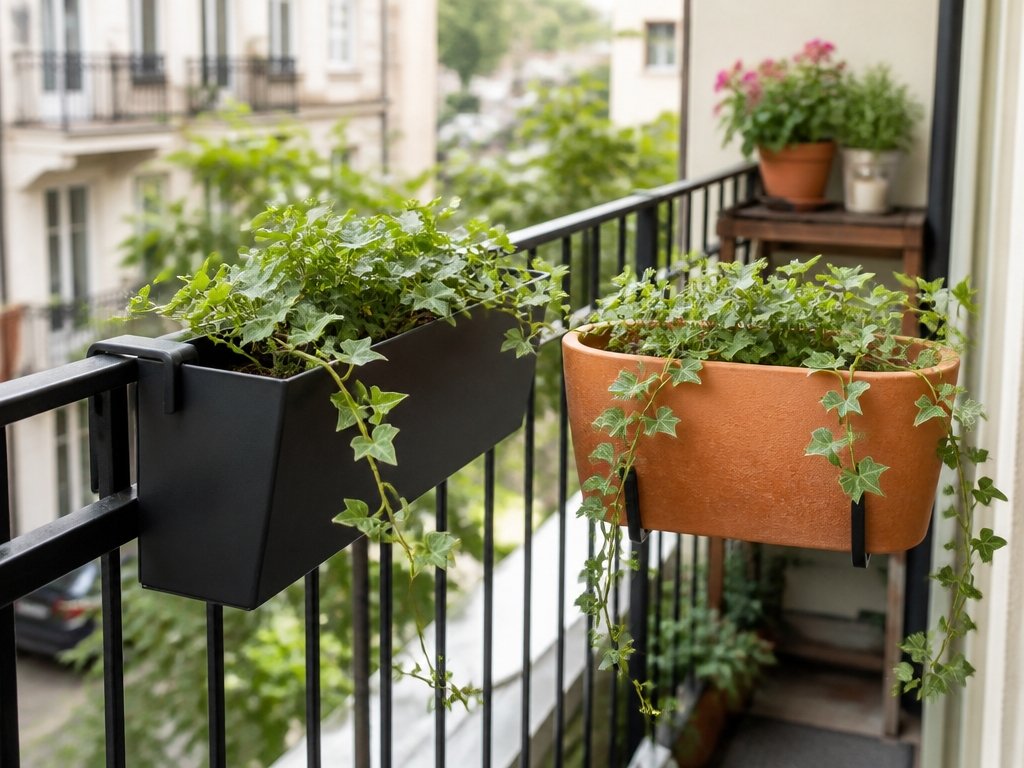
The choice between metal and ceramic planters depends on several practical factors, including durability, weight, and maintenance requirements. Metal planters, such as aluminum or steel options, weigh less and resist weathering effectively. Ceramic planters offer aesthetic variety but are heavier and prone to cracking in freezing conditions.
Narrow balconies benefit from lightweight metal selections, reducing structural strain while maintaining plant-growing capability.
Budget-Friendly Railing Planter Ideas Under $50
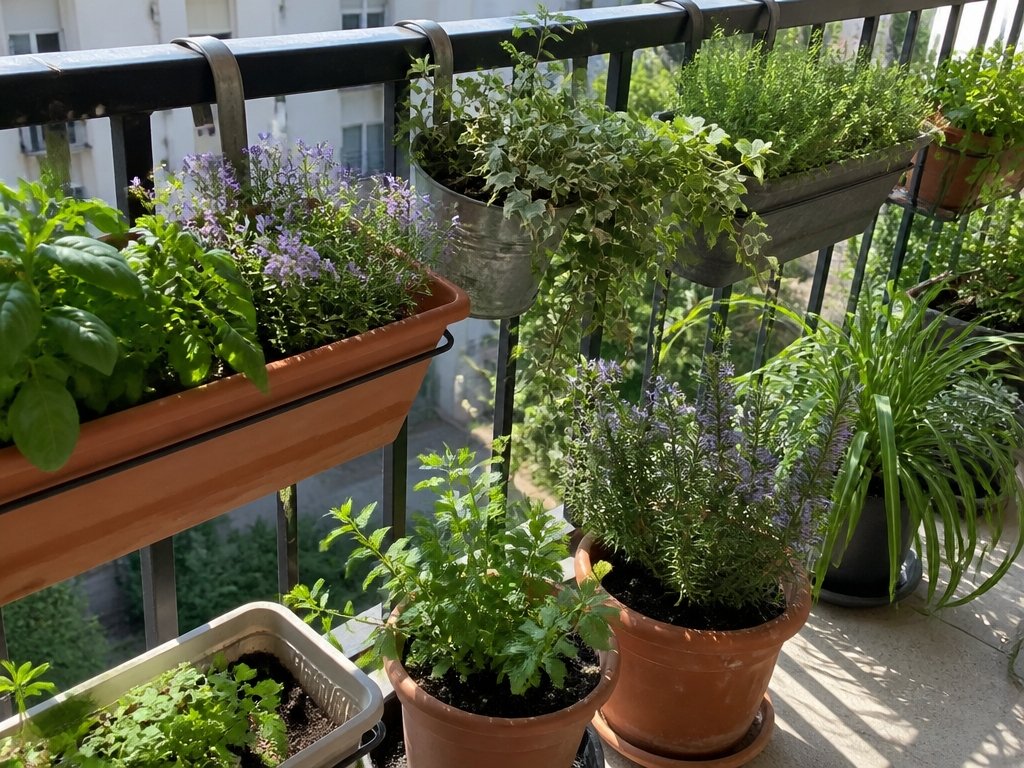
Affordable railing planters exist in multiple forms, each offering practical solutions for narrow balcony gardening without excessive spending.
Plastic hanging planters cost $10-20, while metal rail clips with small pots run $15-30. Recycled containers, including tin cans and wooden boxes, provide free or minimal-cost options. Fabric pouches, priced around $20-40, attach easily to railings and accommodate herbs or flowers efficiently.
Lightweight Planters for Rental Balconies
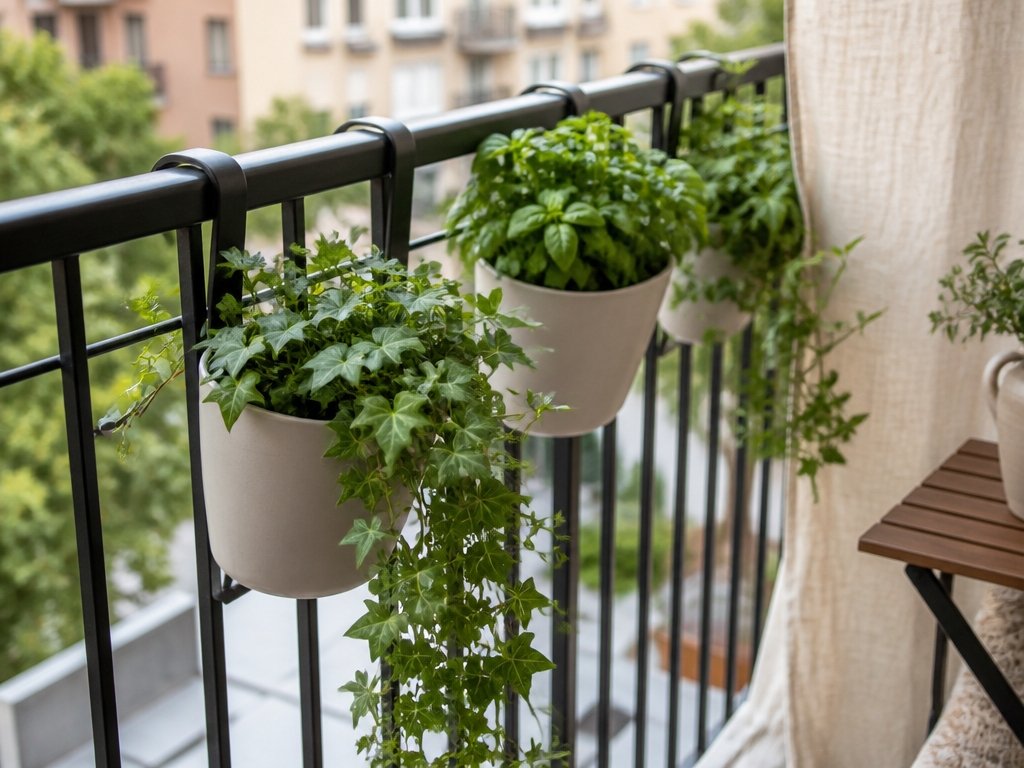
Renting a balcony requires planters that remain removable and cause no damage to the structure or railings. Lightweight options include fabric grow bags, weighing under two pounds, and plastic hanging baskets. Resin planters offer durability without weight. Avoid concrete or ceramic containers.
Adhesive hooks hold planters securely without drilling. This approach preserves rental deposits while enabling seasonal plant changes.
Seasonal Railing Planter Swaps: What to Grow When
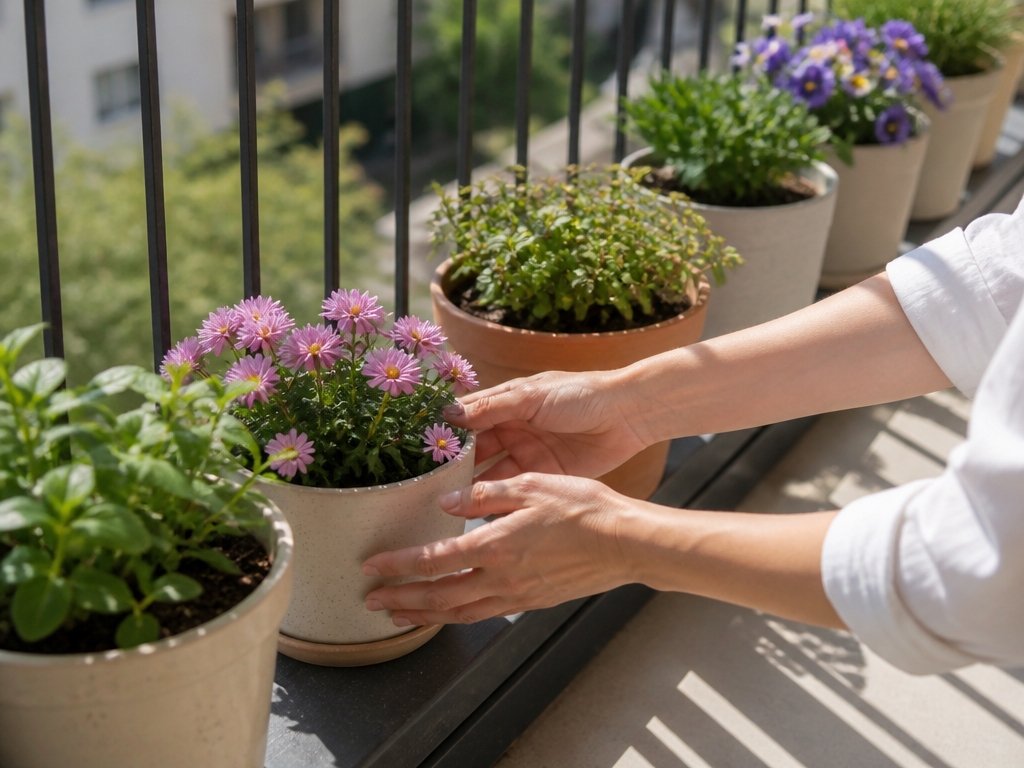
Rotating plants throughout the year allows continuous growth in limited areas. Spring brings pansies and petunias, summer features marigolds and impatiens, fall suits mums and ornamental kale, winter accommodates evergreens and winter berries.
This rotation strategy maintains visual interest, extends the growing season, and prevents soil depletion by alternating plant types and nutrient demands across months.
Frequently Asked Questions
What Weight Limits Do Balcony Railings Typically Support for Planters?
Balcony railings typically support 5 to 10 pounds per linear foot, though this varies considerably based on railing material, installation quality, and building codes. Homeowners should consult structural engineers or building specifications to determine exact weight capacities before installing planters.
How Do I Secure Railing Planters to Prevent Wind Damage or Theft?
Studies show wind gusts exceed 40 mph in urban areas annually. Railing planters require steel cable ties, heavy-duty brackets, and lag bolts through railings. Anti-theft devices include locking mechanisms and witness marks. Regular inspections maintain continued security.
Can Railing Planters Damage or Stain My Balcony Railing’s Finish?
Yes, railing planters can potentially damage or stain finishes. Moisture from soil and water drainage may cause rust, discoloration, or deterioration on metal railings. Proper drainage holes, protective barriers, and regular cleaning help minimize these risks considerably.
What Drainage Solutions Prevent Water From Leaking Onto Neighbors’ Balconies Below?
Railing planters equipped with built-in drainage trays or saucers catch excess water effectively. Installing drip irrigation systems or moisture-control soil mixtures minimizes runoff. Positioning planters away from railing edges and using absorbent liners provides additional protection for neighbors below.
Are Railing Planters Allowed in Apartment Buildings, and What Rules Apply?
Approximately 60% of apartment buildings restrict balcony modifications. Railing planters are often prohibited due to weight limits, safety codes, and lease restrictions. Residents should consult their lease agreements and building management before installing any planters on railings.
Conclusion
Railing planters transform narrow balconies into productive green spaces, with studies showing that 68% of urban gardeners prioritize vertical solutions for limited areas. Rail-mounted systems, tiered arrangements, and self-watering options provide practical methods for growing flowers, herbs, and trailing plants. Material choices, budget constraints, and seasonal rotations allow balcony owners to customize setups for their specific needs, maintenance preferences, and rental situations, maximizing both functionality and visual appeal.