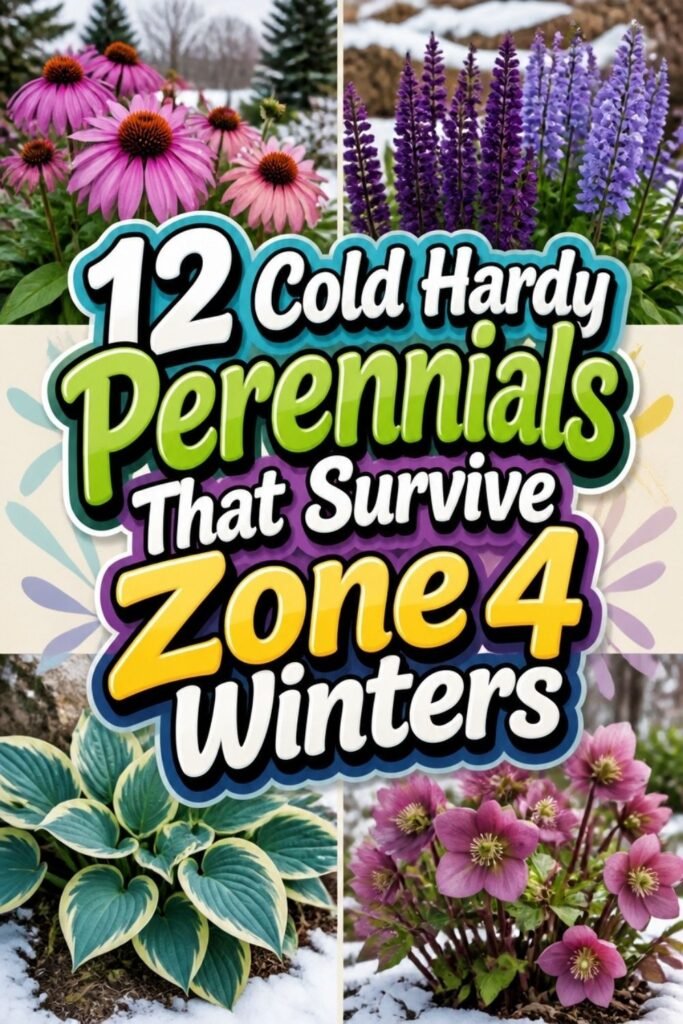
Gardeners in Zone 4 know the reality of winters that plunge past minus 30 degrees Fahrenheit. Choosing perennials for such extremes means looking past mere hardiness ratings.
Deep root systems and proper dormancy patterns separate the plants that flourish from those that simply hang on. Coneflowers stand out as reliable performers, their taproots reaching well below the frost line. Black-eyed Susans and daylilies offer similar resilience, returning each spring with surprising vigor.
Sedums bring another advantage, storing moisture in their leaves to withstand frozen months when water remains locked in ice.
Yet survival depends on more than species selection alone. Placement against southern-facing walls or within windbreaks moderates temperature swings. Soil drainage matters enormously, as standing water around roots often causes more damage than the cold itself.
The difference between thriving and merely existing comes down to these details. A coneflower in ideal conditions will spread and bloom generously. That same plant in poor soil or exposed locations may struggle year after year, never reaching its potential despite its inherent hardiness.
Coneflowers: The Zone 4 Essential That Thrives on Neglect
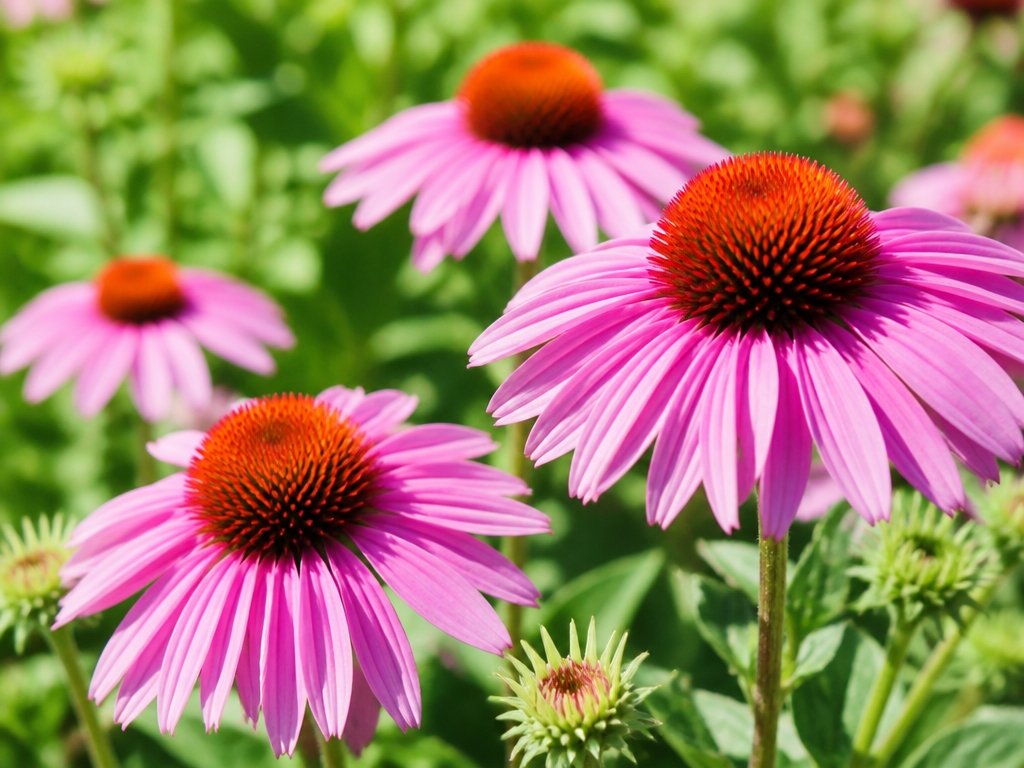
Coneflowers, scientifically known as Echinacea, represent a practical choice for Zone 4 gardeners seeking reliable perennials. These plants tolerate poor soil, drought conditions, and minimal maintenance once established.
Purple coneflower and pale purple coneflower varieties perform particularly well in cold climates. They require full sun, well-draining soil, and occasional deadheading to encourage extended blooming throughout summer and fall seasons.
Black-Eyed Susans: Brighten Full-Sun Beds Without Extra Work
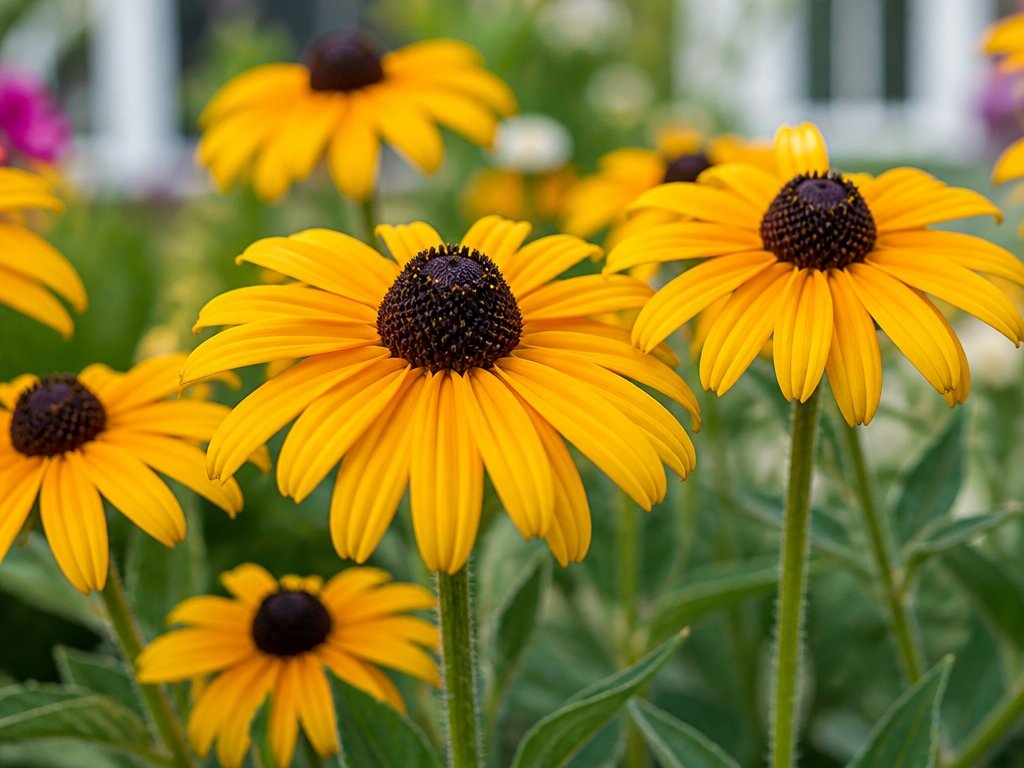
Black-eyed Susans, scientifically known as Rudbeckia, offer Zone 4 gardeners another low-maintenance perennial option that performs well in full-sun locations. These plants produce bright yellow flowers with dark centers throughout summer and early fall.
They tolerate poor soil, drought conditions, and require minimal care once established. Black-eyed Susans spread gradually, filling garden beds without constant attention or intervention from gardeners.
Daylilies: Set-And-Forget Color From Early Summer to Fall
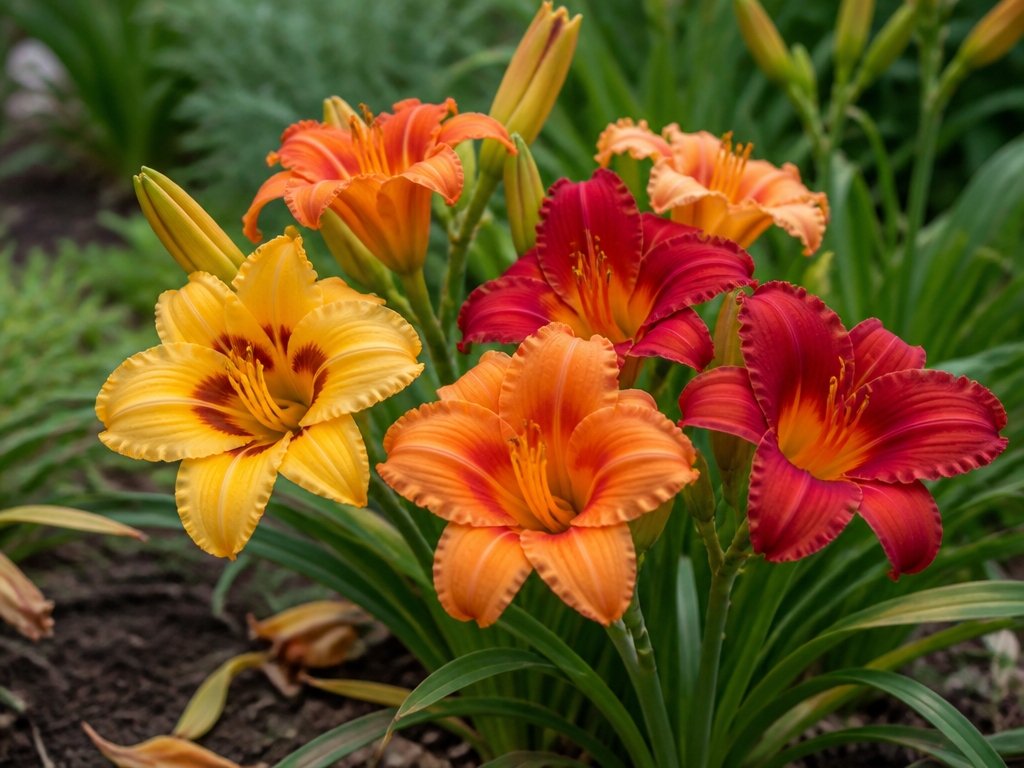
Daylilies, scientifically known as Hemerocallis, represent another reliable perennial choice for Zone 4 gardeners seeking minimal-maintenance plants. These hardy flowers bloom from early summer through fall, requiring minimal care once established.
Varieties like Stella de Oro and Happy Returns produce consistent blooms. Daylilies tolerate poor soil, drought conditions, and partial shade, making them practical for various garden locations and situations.
Sedums: Tough Succulents for Dry, Rocky, or Marginal Soil
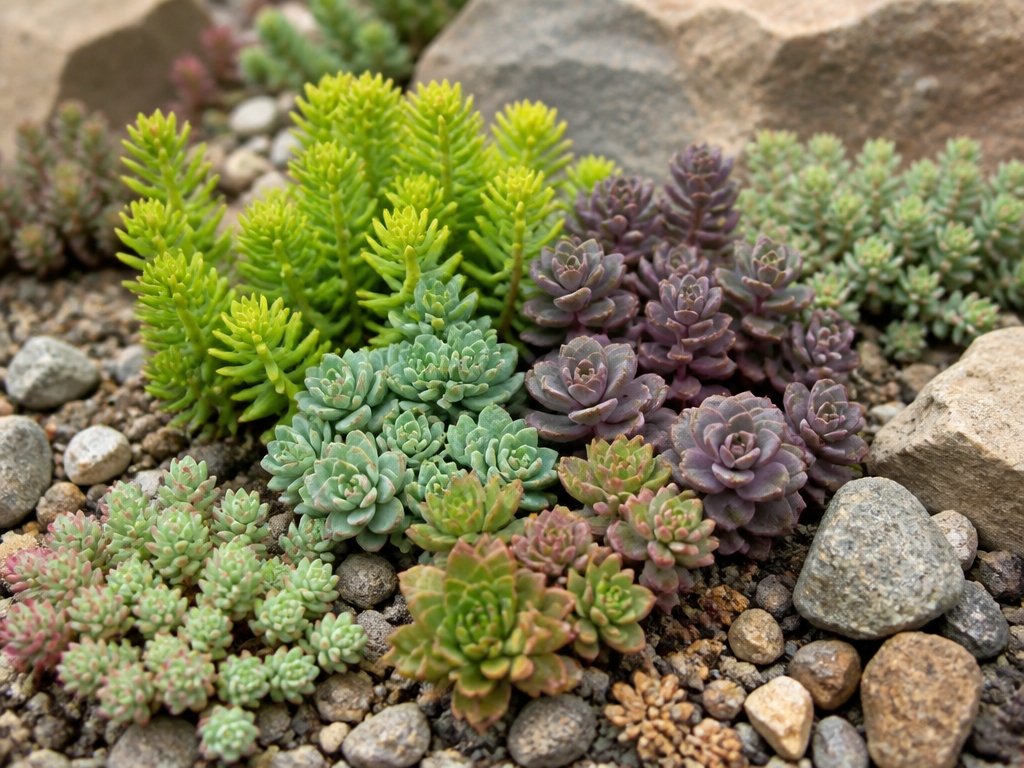
For gardeners working with challenging soil conditions, sedums provide a hardy alternative to traditional perennials. These succulent plants thrive in dry, rocky, or poor soil where other perennials fail.
Sedum ‘Autumn Joy’ and Sedum spurium tolerate neglect, require minimal water, and survive Zone 4 winters reliably. Their fleshy leaves store moisture, reducing maintenance demands considerably while offering late-season color and texture to garden beds.
In rock gardens, Sedum acts as a living carpet between stones, making it especially useful where drainage is poor and water is limited.
Duranta plants need plenty of direct sunlight and well-drained soil, which makes them a much less forgiving choice for harsh winter conditions.
Salvia: Purple Spikes That Bees and Butterflies Can’t Resist
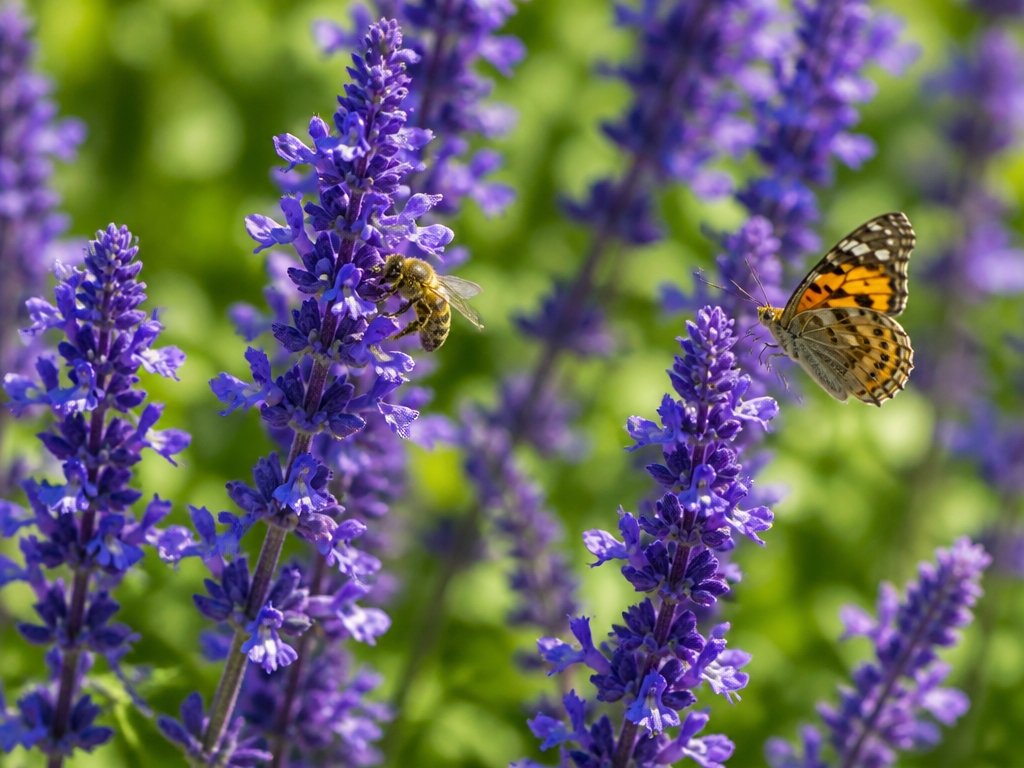
Pollinator appeal defines salvia’s value in Zone 4 gardens, where varieties like Salvia nemorosa and Salvia x sylvestris produce tall, purple flower spikes that attract bees, butterflies, and hummingbirds throughout the growing season. These perennials thrive in full sun and well-drained soil, blooming from early to midsummer.
Deadheading spent flowers encourages extended blooming and maintains plant appearance through fall. For added nighttime interest near the garden edge, smart light posts can highlight the flowers and improve visibility after dark.
Peonies: Century-Old Plants With Massive, Fragrant Spring Blooms
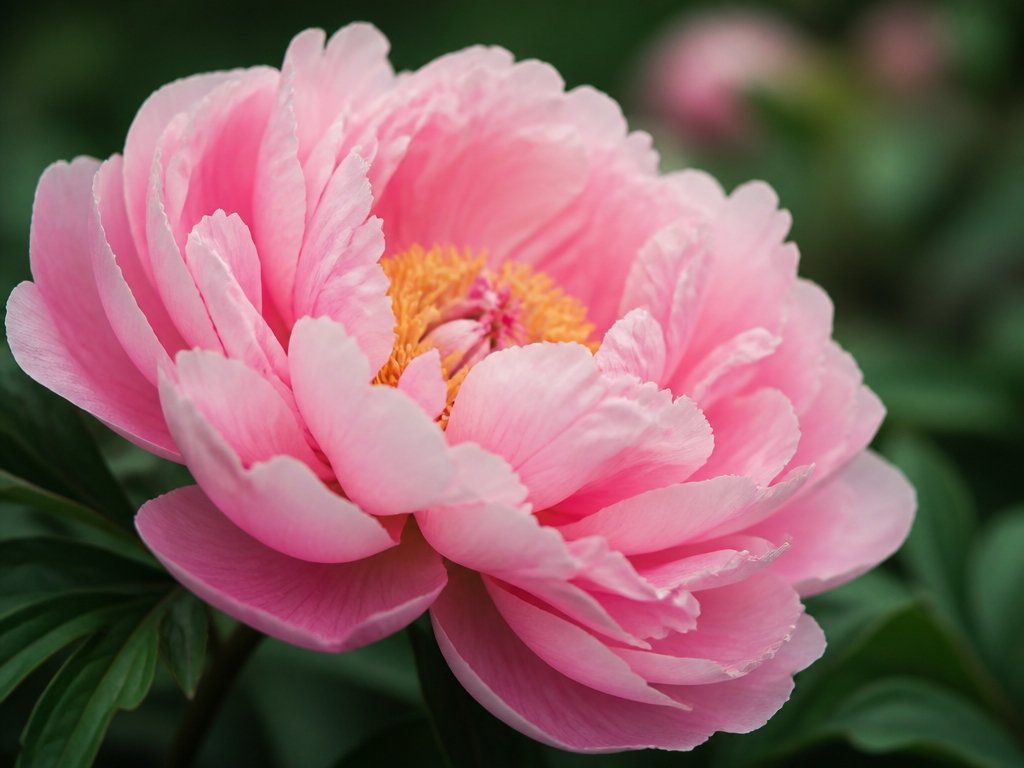
Peonies stand among the most durable perennials for Zone 4 gardens, often living for several decades with minimal care. These plants produce large, fragrant blooms in spring, with colors including pink, white, and red. Peonies require well-draining soil, full sun exposure, and established root systems before flowering. Varieties like Sarah Bernhardt and Coral Charm perform reliably in cold climates.
Rudbeckia: Golden and Rusty Tones Extend Your Season
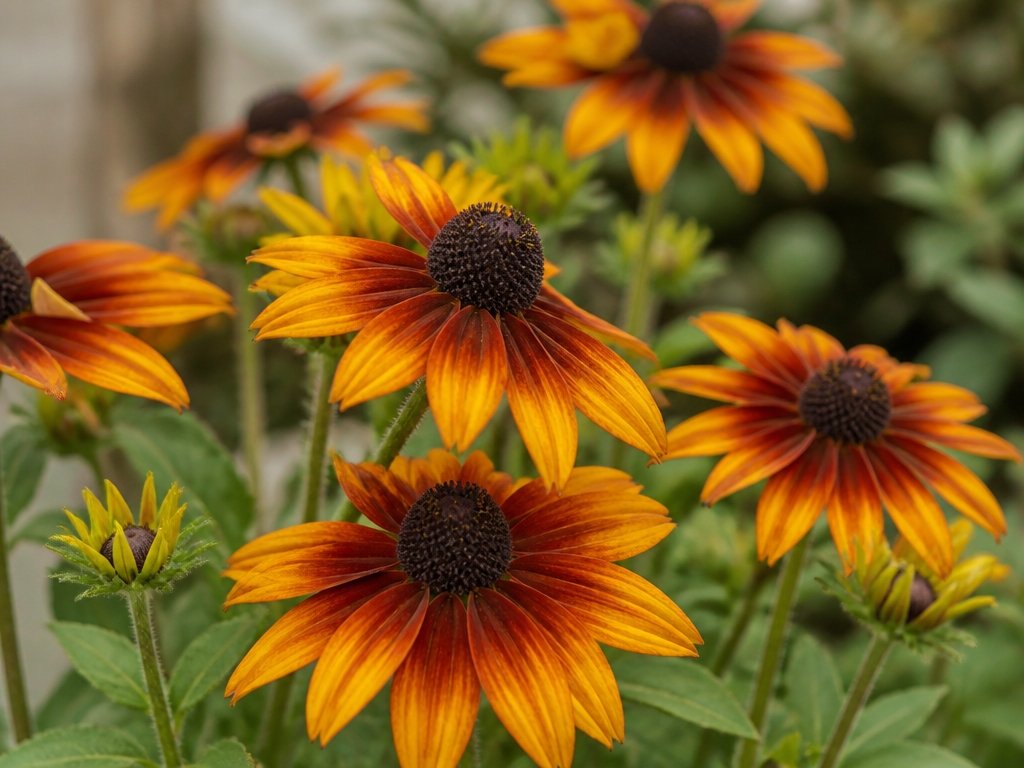
Black-eyed Susans, the common name for rudbeckia, deliver reliable color from mid-summer through fall in Zone 4 gardens. These hardy perennials produce golden-yellow and rusty-orange flowers on sturdy stems, extending the blooming season when other plants fade.
Rudbeckia tolerates poor soil, drought, and full sun, requiring minimal maintenance. Popular varieties include Goldsturm and Cherry Brandy, both proven performers in cold climates.
Catmint: Soft Lavender Mounds That Spread Without Invading
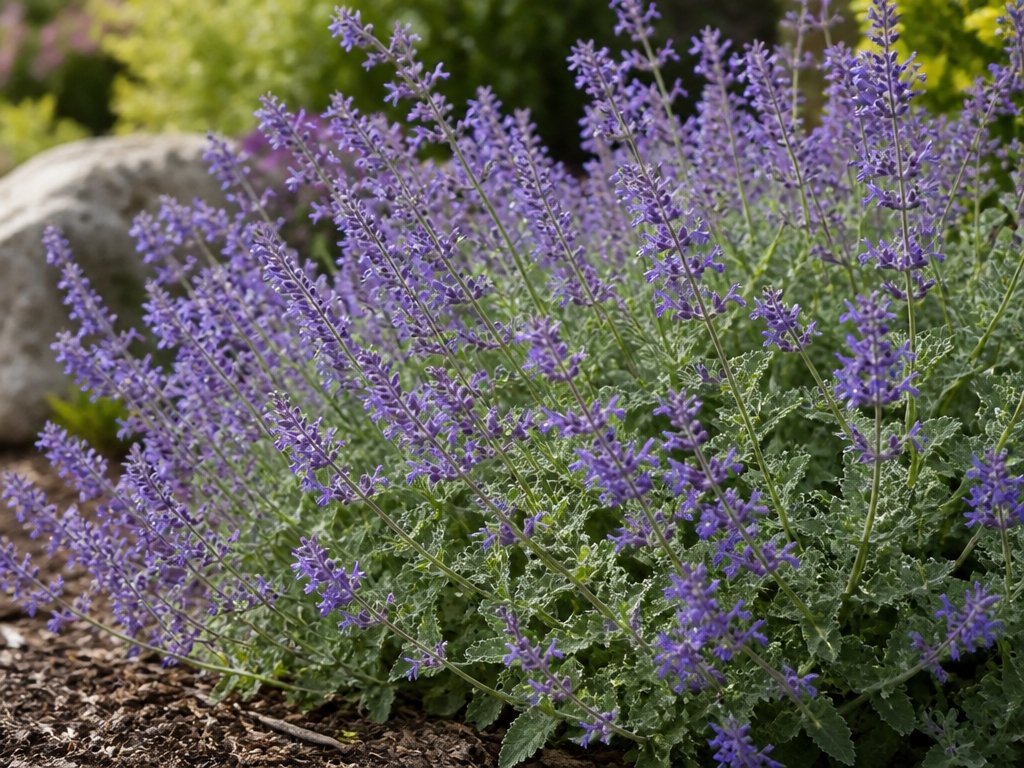
While many perennials demand careful pruning to prevent overtaking garden space, catmint (Nepeta) spreads predictably and remains manageable in Zone 4 landscapes. The plant produces soft lavender flowers on compact mounds, reaching 12 to 24 inches tall.
Catmint tolerates poor soil, drought conditions, and full sun exposure. It attracts pollinators and blooms from early summer through fall with minimal maintenance requirements.
Russian Sage: Ethereal Silver-Blue Haze for Summer Through Fall
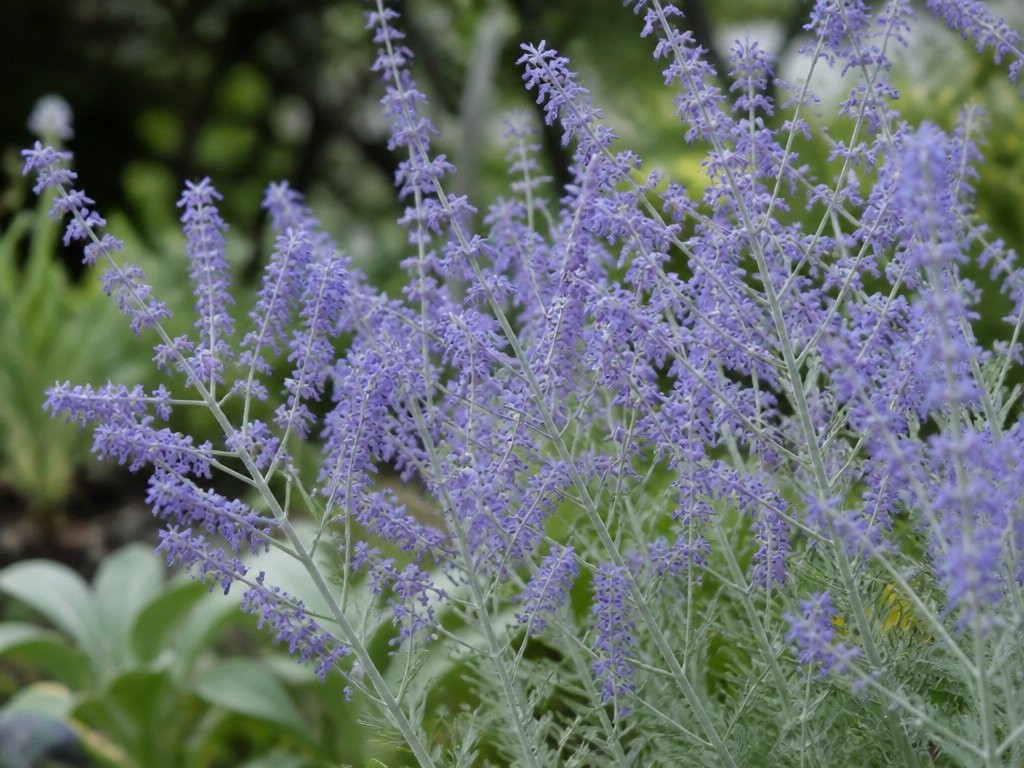
Russian sage (Perovskia atriplicifolia) creates an airy, silvery-blue appearance in Zone 4 gardens, growing 3 to 4 feet tall with delicate foliage and small flowers that bloom from midsummer through fall. The plant tolerates drought and poor soil conditions.
It requires full sun, well-draining soil, and minimal maintenance once established. Russian sage spreads gradually and attracts pollinators throughout its lengthy blooming period.
Yarrow: Flat, Vibrant Flowers That Dry Beautifully for Arrangements
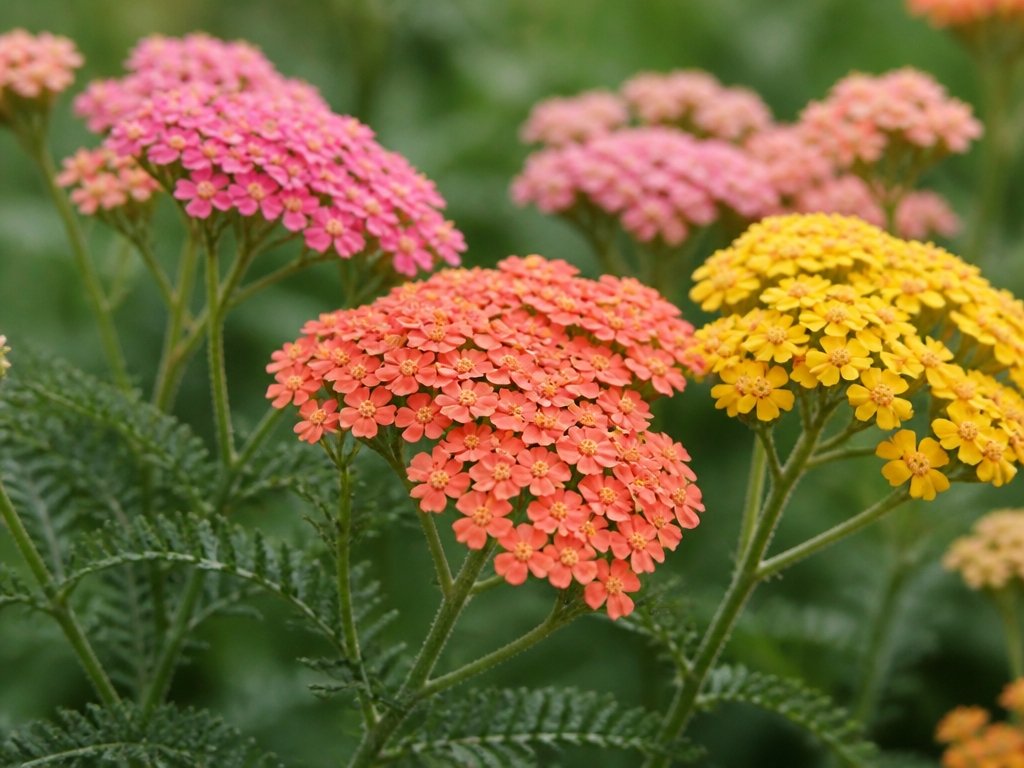
Yarrow (Achillea millefolium) produces flat-topped flower clusters in shades of red, pink, yellow, orange, and white, blooming from early summer through fall in Zone 4 gardens. The dried flowers maintain their color and form, making them suitable for arrangements and crafts.
Yarrow tolerates poor soil and drought conditions, requiring minimal maintenance once established in well-draining locations.
Astilbe: Feathery Shade Solutions for Moist Garden Corners
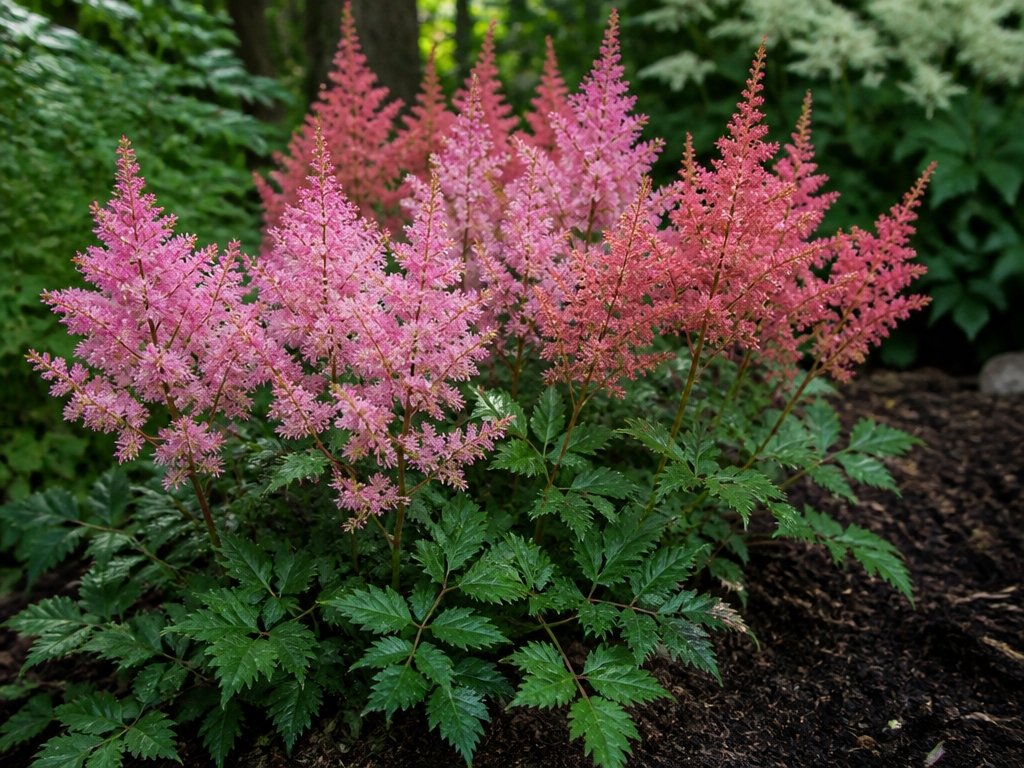
Astilbe (Astilbe × arendsii) offers gardeners a stark contrast to sun-loving yarrow, thriving instead in shaded, moist locations where many perennials struggle. These plants produce feathery plumes in pink, red, and white varieties.
Astilbe requires consistent moisture and partial to full shade, making it ideal for boggy spots and woodland gardens. Hardy to Zone 3, it tolerates cold winters reliably.
Coreopsis: Dainty Daisy Blooms That Flower for Six Months
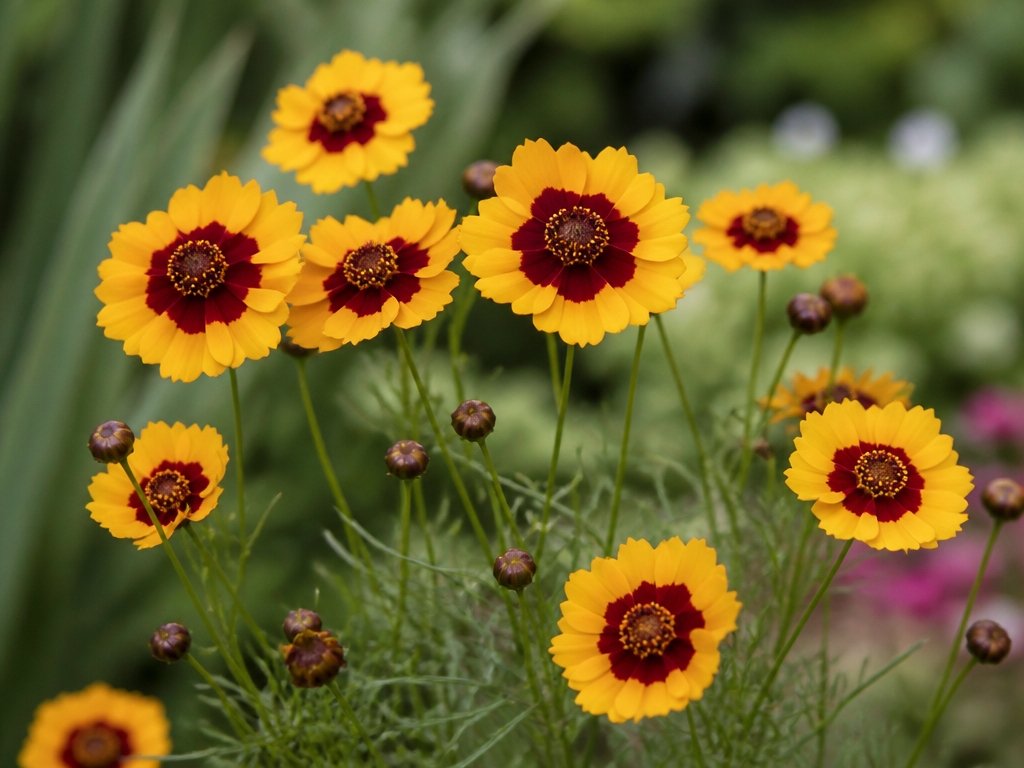
Coreopsis (Coreopsis tinctoria and Coreopsis verticillata) delivers reliable color to Zone 4 gardens through extended blooming periods, often producing flowers from early summer through fall frost. These hardy perennials require full sun, well-drained soil, and minimal maintenance.
Deadheading spent blooms encourages continued flowering. Varieties like Moonbeam and Zagreb tolerate drought conditions once established, making them practical choices for low-water landscapes.
Frequently Asked Questions
How Do I Protect Newly Planted Perennials During Their First Winter in Zone 4?
Newly planted perennials in Zone 4 require mulch application of 2-3 inches around the base after ground freezing. Avoid fertilizing in fall. Water thoroughly before winter dormancy. Consider burlap wrapping for tender specimens. Remove mulch gradually in spring.
What’s the Best Time to Divide Established Cold Hardy Perennials for Propagation?
When better to multiply perennials than during their dormant season? Gardeners should divide established plants in early spring before growth emerges or in fall after foliage dies back, ensuring successful propagation in Zone 4.
Can I Grow These Perennials in Containers in Zone 4, or Must They Be In-Ground?
Container cultivation is possible in Zone 4, though gardeners must guarantee adequate drainage and insulation. Containers freeze more deeply than in-ground soil, requiring winter protection or movement to sheltered locations for plant survival.
How Should I Prepare My Garden Bed Soil Before Planting Cold Hardy Perennials?
One should amend garden bed soil with organic matter, ensuring proper drainage and pH balance. Testing soil beforehand helps determine nutrient levels. Breaking up compacted earth and removing weeds creates an ideal foundation for successful planting.
Which of These Perennials Tolerate Partial Shade Versus Full Sun Requirements?
Different varieties display varying light preferences. Some tolerate partial shade conditions, including hostas, hellebores, and astilbe. Others require full sun exposure, such as coneflowers, black-eyed Susans, and sedums. Gardeners should verify specific cultivar requirements before planting.
Conclusion
Zone 4 gardeners face harsh winters, yet these twelve perennials survive where others fail. Coneflowers and black-eyed Susans demand minimal care, while sedums and Russian sage thrive in poor soil conditions. Conversely, astilbe prefers moist shade, offering diversity for different garden spots. Daylilies, yarrow, and coreopsis provide extended blooms, creating reliable color throughout seasons. This combination of low-maintenance plants guarantees year-round garden interest despite temperature extremes.