
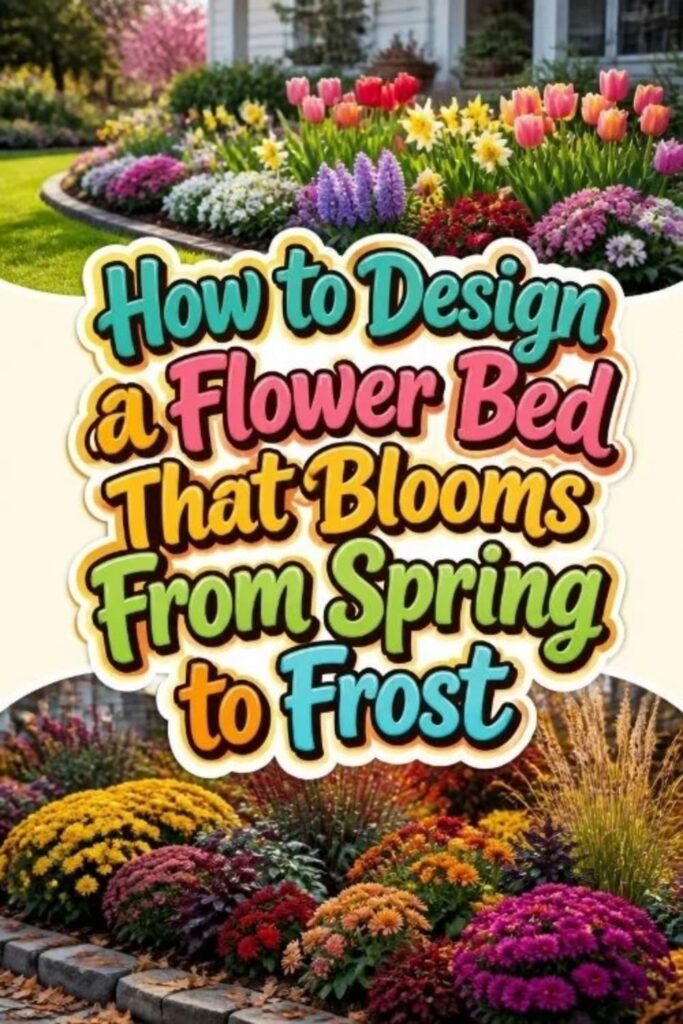
Creating a flower bed that blooms from spring through frost starts with smart planning.
Choose plants with staggered flowering periods to ensure something is always in color. Early tulips, summer zinnias, and fall asters make excellent companions through the seasons.
The right location sets the foundation for success. Most flowering plants need six to eight hours of sunlight each day. Before planting, work plenty of compost into the soil to improve drainage and fertility.
Arrangement matters just as much as selection. Place taller plants toward the back and shorter ones in front for easy viewing.
Proper spacing allows each plant room to grow without competing for light or nutrients.
Choose the Right Location and Prepare Your Soil
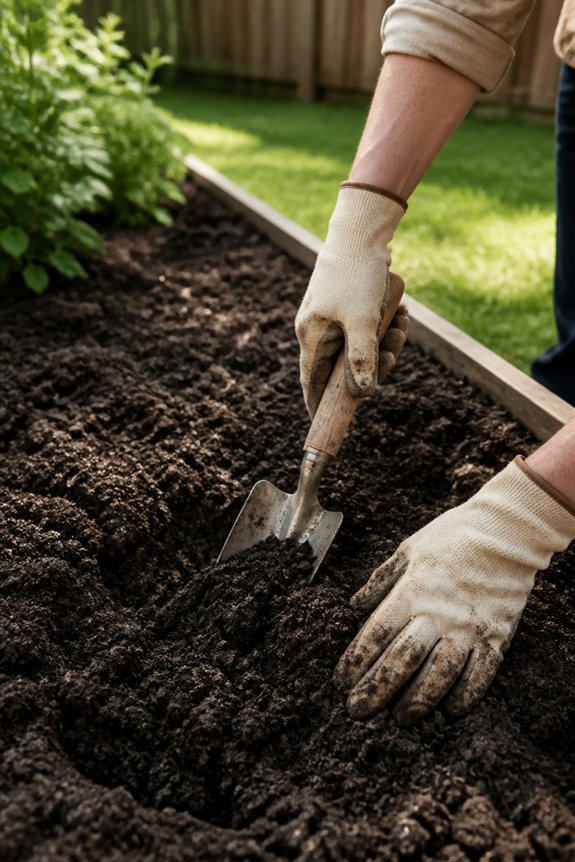
The foundation of any successful flower bed starts with location and soil preparation. Most flowering plants require six to eight hours of direct sunlight daily, though some varieties tolerate partial shade. Gardeners should observe their yard throughout the day, noting which areas receive adequate light.
Soil quality determines plant health and blooming success. Testing soil pH and nutrient levels reveals what amendments are necessary. Roses and tulips prefer slightly acidic soil, while daylilies adapt to various pH ranges.
Adding compost, peat moss, or aged manure improves soil structure and drainage. Heavy clay soil benefits from organic matter incorporation, preventing waterlogging. Sandy soil requires amendments to retain moisture and nutrients. Proper preparation guarantees flowers receive necessary resources for sustained growth and vibrant blooms.
Also read: How to Plan a Small Garden Layout in an Afternoon
Arrange Your Plants by Height, Color, and Spacing
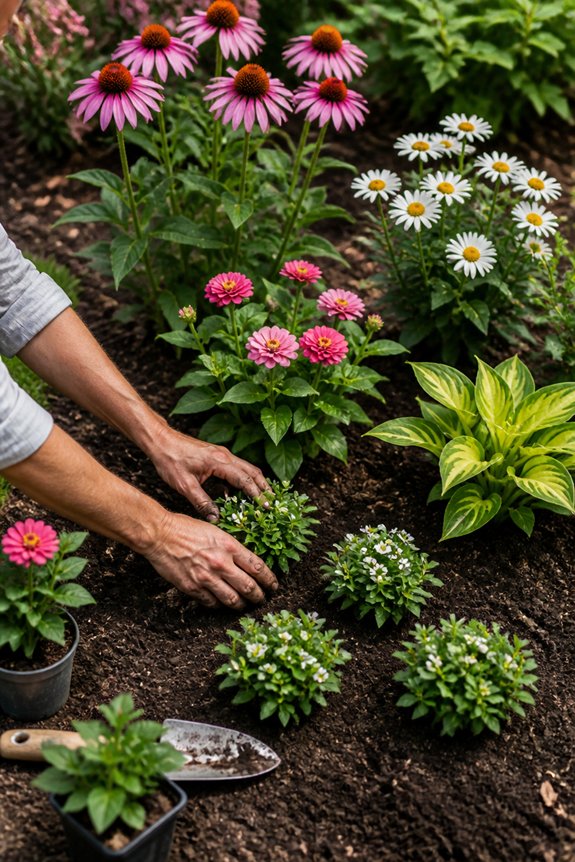
Strategic plant arrangement transforms a flower bed from random plantings into a visually organized space. Tall plants, such as sunflowers or delphiniums, belong in the back or center, depending on bed shape. Medium-height specimens like coneflowers and black-eyed Susans fit in the middle layer. Short plants, including alyssum and marigolds, go in front where visibility remains unobstructed.
Color coordination prevents visual chaos. Grouping similar hues creates harmony, while complementary colors like purple and yellow add contrast.
Spacing requirements vary by plant type. Most perennials need 12 to 24 inches between centers to avoid overcrowding. Check mature plant sizes on labels. Proper spacing guarantees adequate air circulation, reduces disease, and allows each plant room to develop fully without competing for nutrients or sunlight.
Plan Your Bloom Timeline: Spring, Summer, and Fall
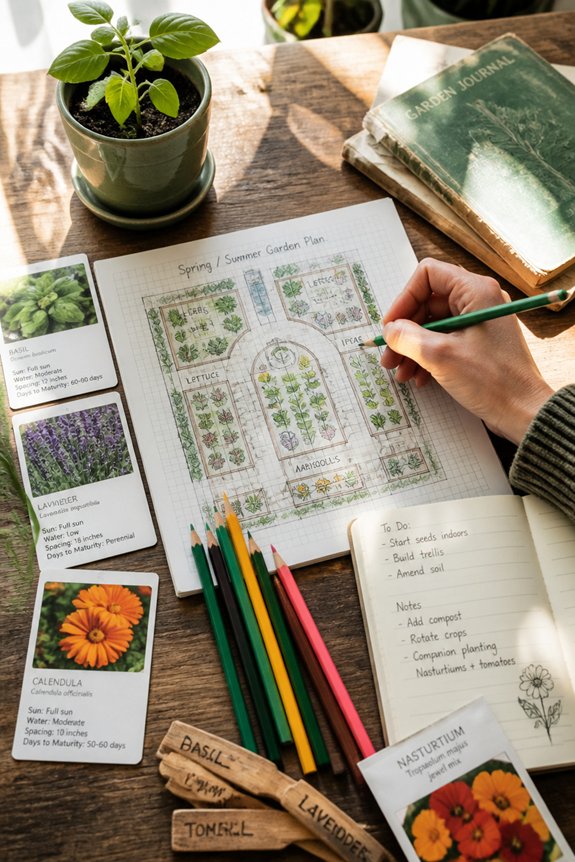
Continuous blooms throughout the growing season require planning flower beds with spring, summer, and fall bloomers in mind. Spring flowers like tulips, daffodils, and pansies emerge early, providing initial color after winter dormancy. Summer bloomers, including zinnias, marigolds, and coneflowers, sustain interest during peak growing months through late August.
Fall varieties such as asters, mums, and sedum extend the display into cooler weather. Gardeners should select plants with staggered bloom times, ensuring flowers peak at different intervals rather than simultaneously. This approach prevents bare patches and maintains visual interest across months.
Consulting bloom calendars specific to local growing zones helps determine which plants flower when. Combining early, mid-season, and late bloomers creates continuous color from spring through frost.
Choose Spring Bulbs That Bloom Early
Because spring bulbs establish the foundation for seasonal color, selecting varieties with early bloom times guarantees gardens shift smoothly from winter dormancy. Early bloomers include snowdrops, which emerge in late winter, followed by crocuses and early daffodils like February Gold. These varieties typically flower within two to four weeks of planting in autumn.
Tulips and hyacinths offer mid-spring options, extending the bloom period through April. Gardeners should note that early bulbs require cold periods to develop properly, making fall planting essential.
Purchase bulbs from reputable suppliers, checking for firm texture and absence of mold. Plant bulbs at depths equal to three times their height, spacing them four to six inches apart in well-draining soil.
Layer in Summer-Flowering Perennials for Continuous Blooms
While spring bulbs provide early color, summer-flowering perennials extend the garden’s visual interest through warmer months, filling gaps left by fading bulb foliage. These plants bloom consistently from June through August, creating reliable color when spring displays fade.
Suitable options include coneflowers, black-eyed Susans, daylilies, and salvia. Coneflowers reach two to three feet tall, displaying pink, purple, or white petals. Black-eyed Susans produce golden-yellow blooms on sturdy stems. Daylilies offer variety in color and height, ranging from compact to tall varieties. Salvia adds spiky texture with purple or blue flowers.
Plant perennials in groups of three or five for visual impact. Space them appropriately according to mature width, allowing room for growth. This layering approach guarantees continuous color throughout the growing season.
Add Fall Bloomers to Extend Your Season
Fall-flowering plants bridge the gap between summer’s fading displays and winter’s dormancy, maintaining color in the garden through autumn months. Asters, sedum, and chrysanthemums provide reliable blooms when many other plants decline. Black-eyed Susans extend their flowering period into fall, while ornamental grasses add texture and visual interest through the season.
Selecting fall bloomers requires considering bloom timing and color preferences. Early fall varieties like Joe-Pye weed emerge in August, whereas late bloomers such as mums flower through November. Combining plants with staggered bloom times guarantees continuous color without gaps.
Fall bloomers typically require full sun and well-draining soil, similar to summer perennials. Incorporating these plants into existing beds creates seamless shifts between growing seasons and maximizes garden appeal throughout the year.
Keep Your Blooms Going Strong: Watering, Deadheading, and Care
Maintaining flower beds requires consistent attention to three essential tasks: watering, removing spent blooms, and general plant care.
Most flowers need about one inch of water weekly, whether from rain or irrigation. Watering deeply encourages stronger root systems, while shallow watering promotes weak growth. Deadheading, or removing faded flowers, redirects plant energy toward new blooms rather than seed production. This practice extends flowering periods considerably.
Regular weeding prevents competition for nutrients and water. Applying mulch around plants conserves soil moisture, regulates temperature, and suppresses weeds. Monitor beds for pests and diseases, removing affected leaves promptly. Staking tall varieties prevents damage from wind or rain.
These maintenance tasks guarantee continuous blooms throughout the growing season.
Frequently Asked Questions
What Budget Should I Allocate for Creating and Maintaining a Year-Round Flower Bed?
One should allocate $300-$800 initially for soil preparation, plants, and mulch. Annual maintenance costs range from $100-$300, depending on bed size and plant selection. Budget considerations should include fertilizer, pest control, and seasonal replanting expenses.
How Do I Protect My Flower Bed From Pests and Diseases Throughout the Seasons?
One protects flower beds through regular inspection, removing diseased plants promptly, applying organic pesticides when needed, ensuring proper spacing for air circulation, mulching to prevent soil-borne diseases, and rotating plant varieties annually to minimize pest buildup and disease spread.
Can I Design a Continuous Bloom Garden in Containers Instead of In-Ground Beds?
Yes, designers can create continuous bloom containers through strategic planning. Selecting spring bulbs, summer perennials, and fall bloomers allows gardeners to rotate plants, refresh soil, and maintain vibrant displays from season to season effortlessly.
Which Flowering Plants Are Deer-Resistant and Won’t Be Eaten in My Garden?
Deer typically avoid plants with strong fragrances or textures, such as lavender, Russian sage, coneflowers, black-eyed Susans, salvia, and ornamental grasses. Fuzzy-leaved plants like lamb’s ear and plants in the allium family also deter browsing deer effectively.
How Much Sunlight Does My Flower Bed Need for Optimal Blooming Year-Round?
While some flowers thrive in shade, most blooming plants require six to eight hours of direct sunlight daily for ideal performance. One should observe their garden’s light patterns before planting to guarantee continuous color throughout seasons.
Conclusion
A perpetually blooming flower bed demands strategic plant selection, careful soil preparation, and relentless maintenance routines. By combining spring bulbs, summer perennials, and fall bloomers, gardeners create a fundamentally endless flower display. Success requires six to eight hours of sunlight, consistent deadheading, regular watering, and mulching. This approach transforms ordinary garden spaces into continuously vibrant landscapes that sustain color from spring through the season’s final frost.