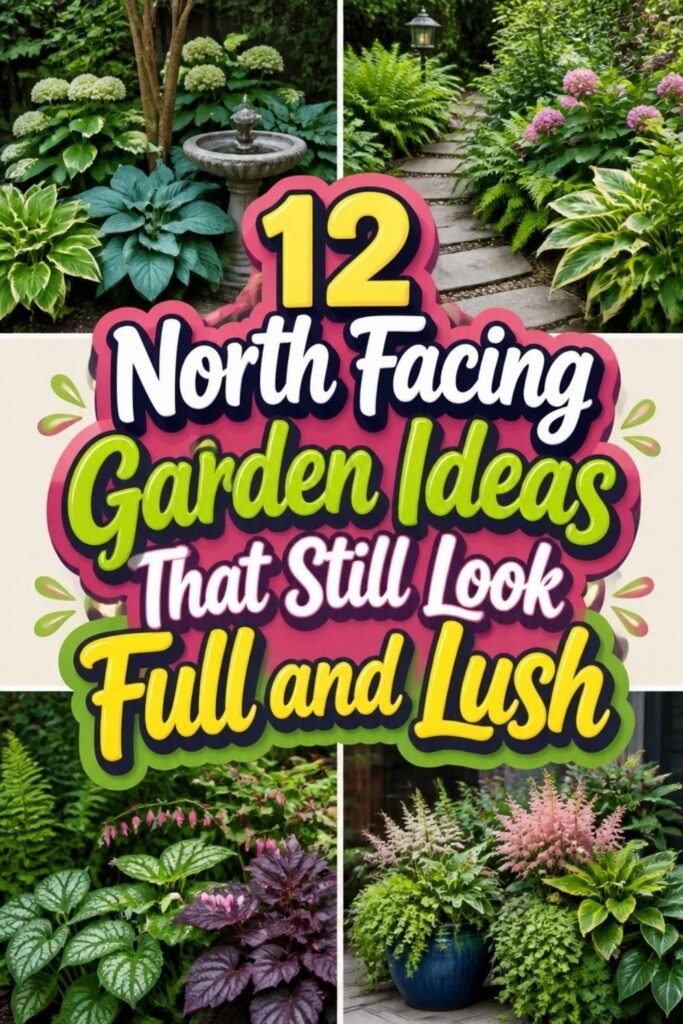
North-facing gardens carry an unfair reputation as problem spaces. In truth, they offer a chance to cultivate something entirely different from their sun-drenched counterparts. The softer, diffused light creates a tranquil atmosphere that bright gardens simply cannot replicate.
Working with limited sunlight means rethinking plant choices from the ground up. Shade-loving perennials become the stars of the show here. Hostas unfurl their sculptural leaves in countless sizes and variegations, while ferns add delicate, prehistoric texture. Low-growing ajuga carpets the ground with rich purple tones, weaving everything together without demanding a single ray of direct sun.
Hardscaping choices matter just as much as the planting palette. Pale stone paths, light gravel, and painted fences bounce whatever light does arrive back into the space. Strategically placed mirrors or glossy-leaved plants like aspidistra amplify this effect further, creating small moments of brightness that keep the garden from feeling heavy or closed in.
The real art lies in layering. Tall shrubs such as hydrangea or viburnum form the canopy. Mid-height plants like hellebores and brunnera fill the middle, and ground-level ferns or moss complete the picture. This approach builds visual depth that draws the eye through the space, ensuring something interesting remains in view across every season.
Start With Shade-Loving Perennials as Your Foundation
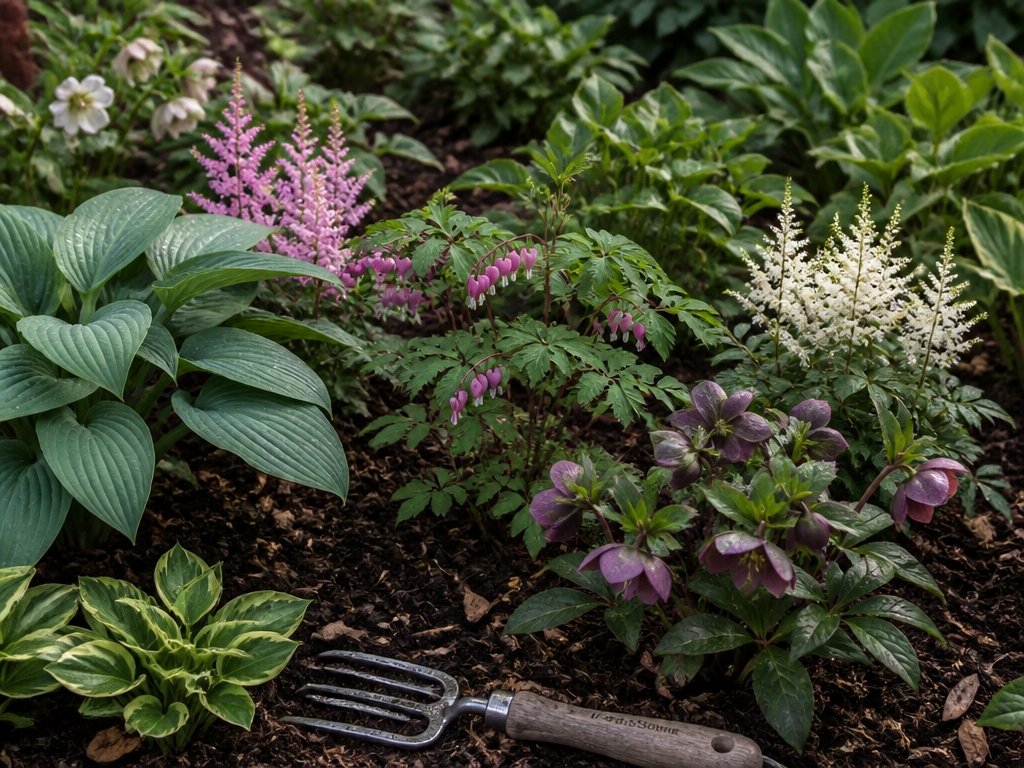
Since north-facing gardens receive limited direct sunlight, shade-loving perennials form the structural backbone of a successful planting scheme. Hostas, hellebores, and astilbe thrive in low-light conditions, providing consistent foliage and seasonal blooms.
These plants require minimal maintenance, establish quickly, and fill garden spaces reliably. Select varieties with different heights and leaf textures to create visual depth and prevent monotonous appearance. For the healthiest results, plant hostas in dappled sunlight and keep them in well-draining soil. A tough cast iron plant can also help anchor especially dark corners with its glossy foliage.
Layer Hostas and Ferns for Textured Depth
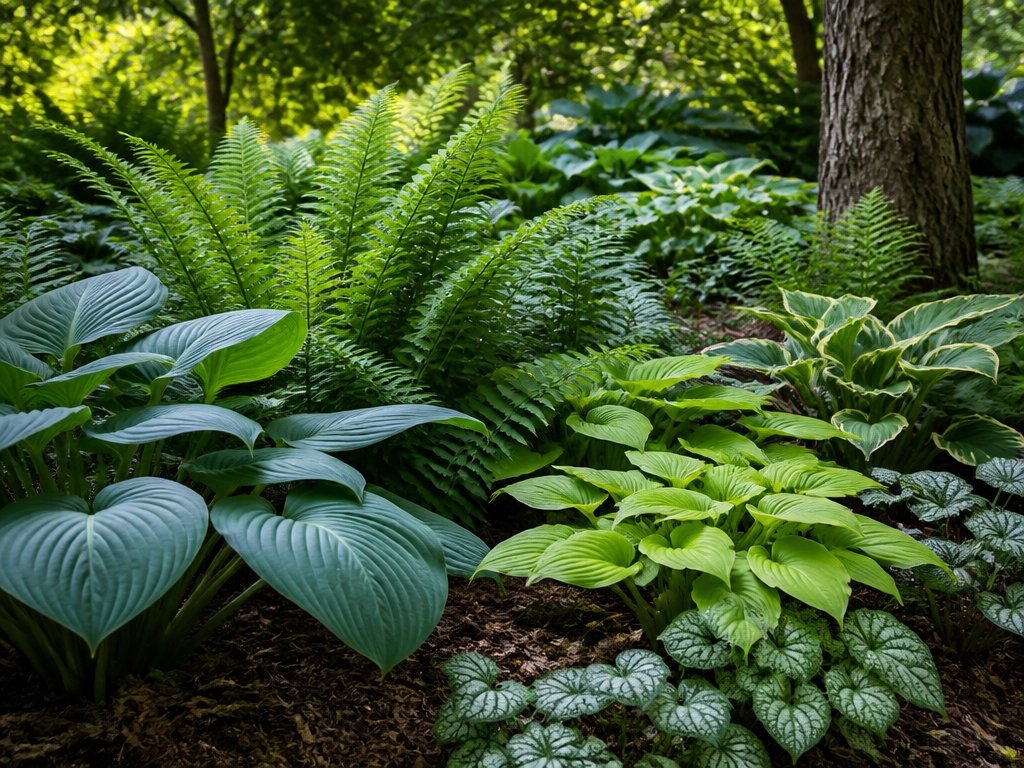
Hostas and ferns work together to create layered visual interest in north-facing gardens where shade dominates the landscape. Hostas provide broad leaves and height variation, while ferns add delicate, feathery foliage.
Pair large hosta varieties like Sum and Substance with smaller ferns such as Japanese painted ferns. This combination produces dimensional planting that fills space effectively without requiring direct sunlight.
Use Light-Colored Hardscaping to Bounce Sunlight
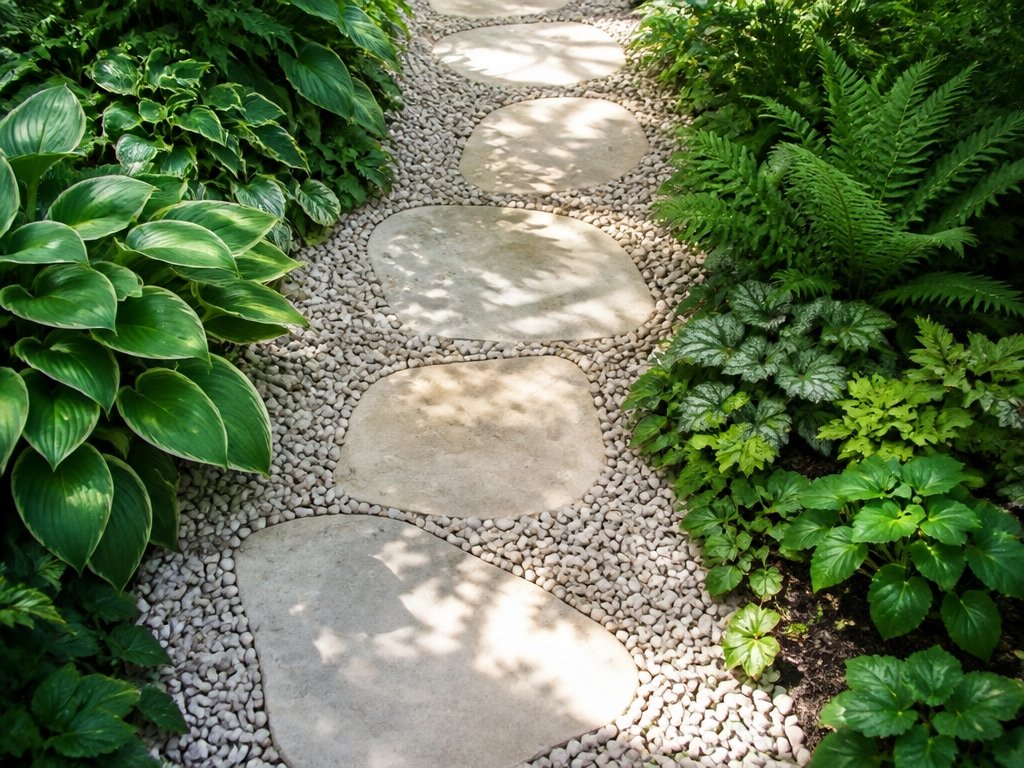
Light-colored hardscaping materials reflect sunlight into shadowed areas, improving growing conditions for north-facing gardens. Pale pavers, white gravel, and light-colored stone walls increase available light for shade-tolerant plants.
These materials absorb less heat than dark surfaces, reducing soil temperature fluctuations. Concrete stepping stones and cream-colored mulch provide practical alternatives that brighten garden spaces while supporting plant growth. Keeping plants at the right mowing height can also help them stay healthier in lower-light conditions.
Place Mirrors Strategically to Brighten Shady Corners
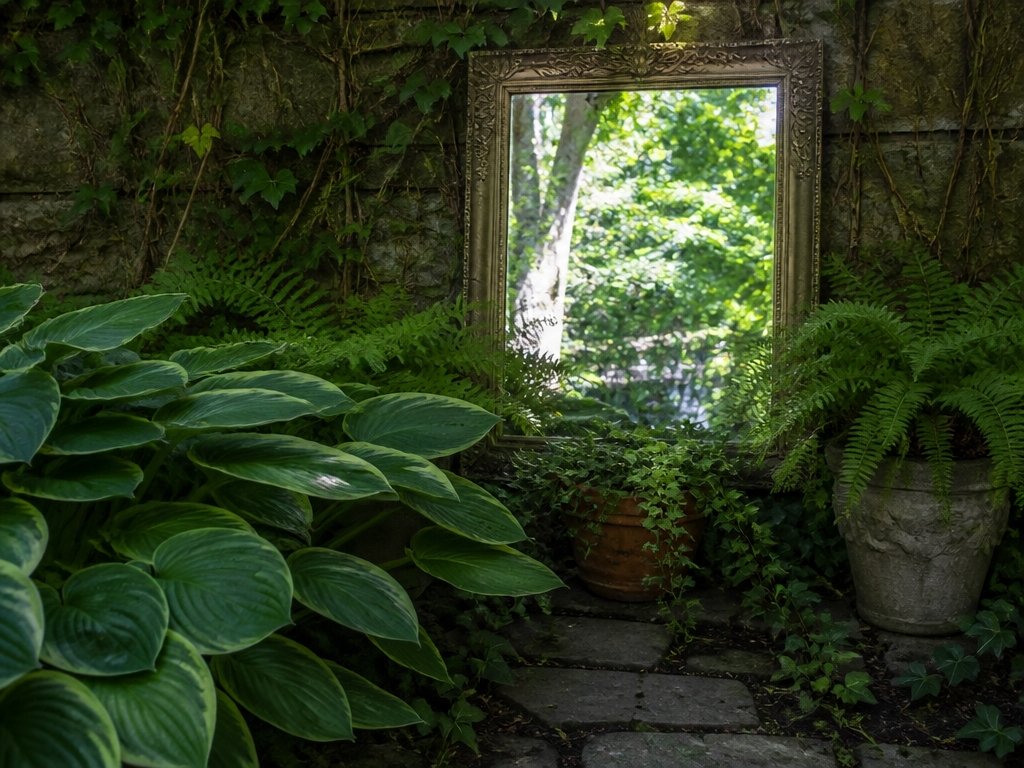
Mirrors serve as practical tools for redirecting sunlight into dark areas of north-facing gardens. Positioning mirrors at angles toward shaded corners reflects available light onto plants below.
Stainless steel or weatherproof acrylic mirrors work best outdoors, resisting rust and deterioration. Placing mirrors behind shade-tolerant plants like hostas and ferns amplifies brightness, improving growth conditions while requiring minimal maintenance.
Fill Empty Spaces With Shade-Tolerant Ground Covers
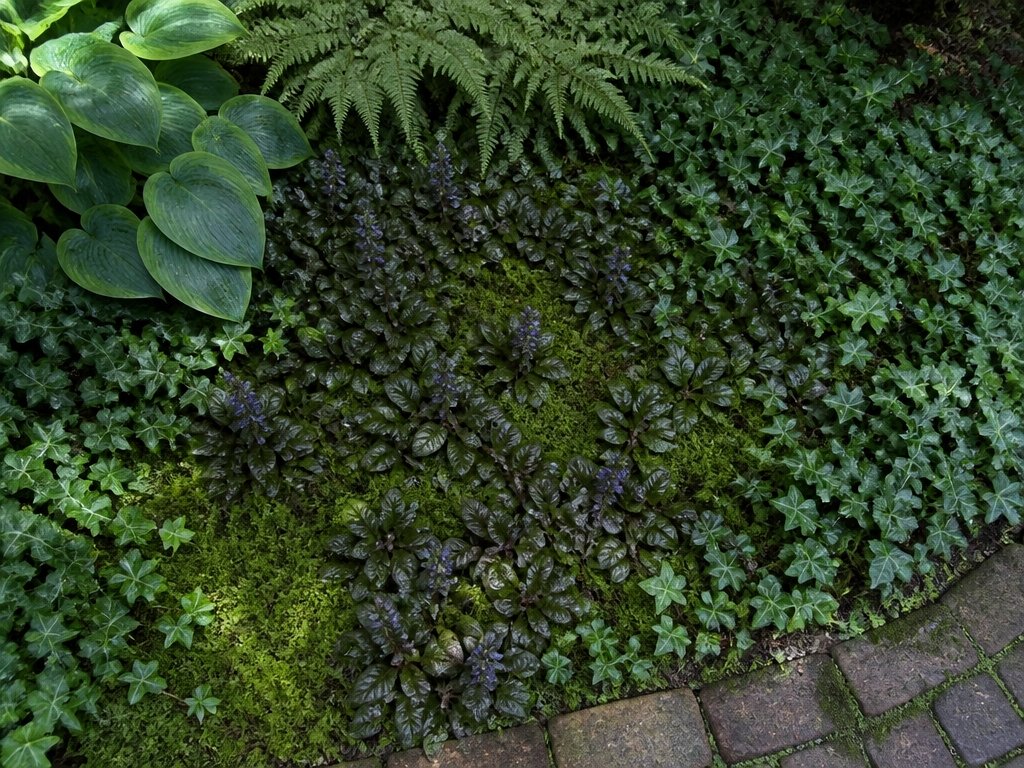
Since north-facing gardens receive limited direct sunlight, bare patches of soil often remain where traditional plants struggle to thrive. Shade-tolerant ground covers like ajuga, vinca, and creeping thyme fill these empty spaces effectively.
These low-growing plants spread across soil, suppress weeds, and create visual continuity. They require minimal maintenance, tolerate poor conditions, and establish quickly in shaded areas.
Choose Plants With Variegated or Silver Foliage
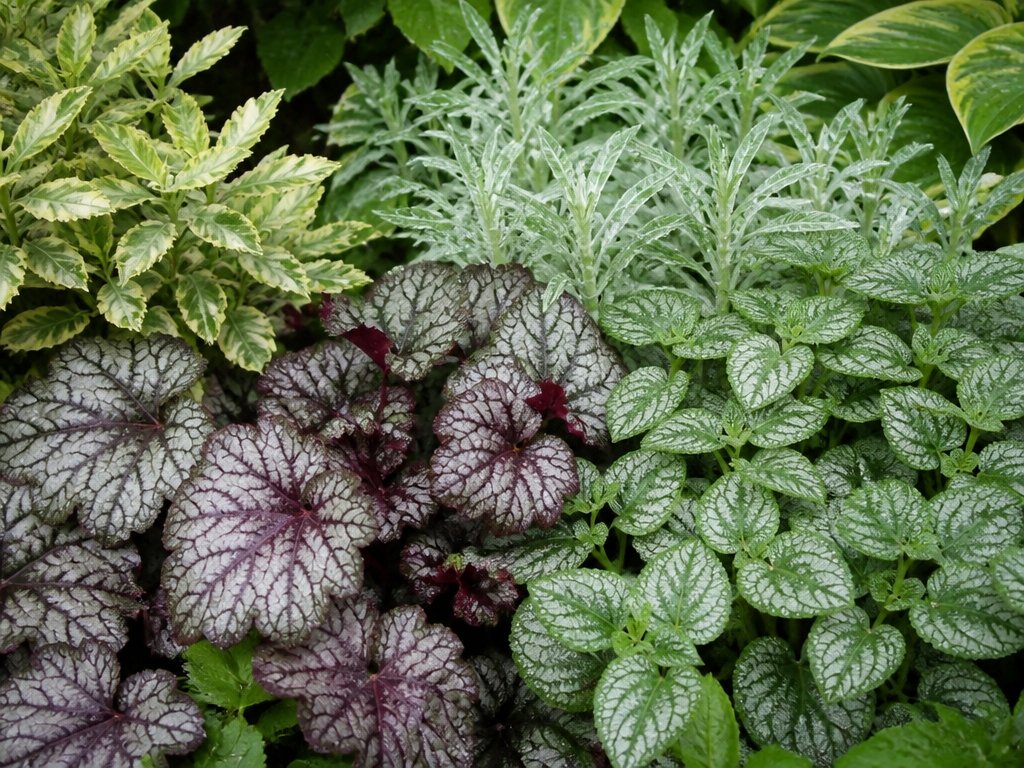
Many shade-loving plants feature leaves with white, cream, or silver markings that brighten dim garden corners. Hostas with variegated foliage, Japanese forest grass, and lamium provide visual interest without requiring sunlight.
Silver-leafed plants like artemisia and dusty miller reflect available light, creating luminous effects. These varieties maintain their distinctive coloring in partial shade, reducing the monotony of solid green spaces.
Mix Contrasting Leaf Shapes and Sizes for Drama
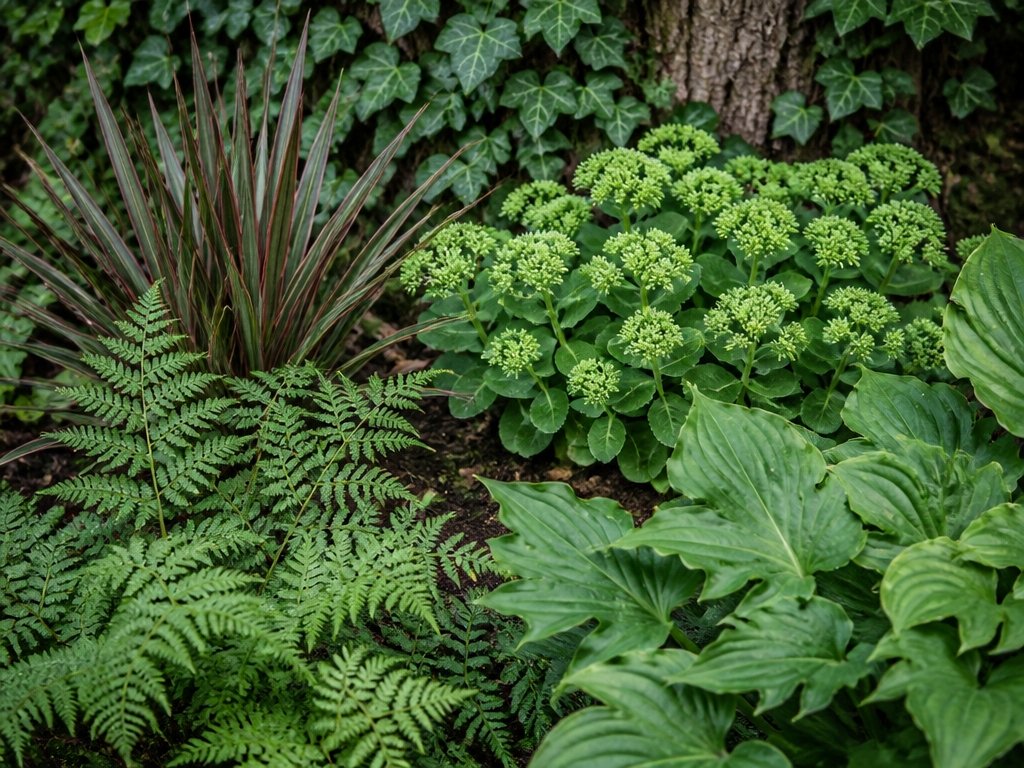
Pairing plants with different leaf structures creates visual depth in north-facing gardens. Combining finely textured ferns with broad-leafed hostas, for instance, establishes contrast. Feathery astilbe paired alongside chunky sedum produces dynamic visual interest.
Varying leaf sizes prevents monotony and draws the eye across garden beds. This layering technique works particularly well in shaded conditions where flower color remains limited.
Add Shrubs for Height and Garden Structure
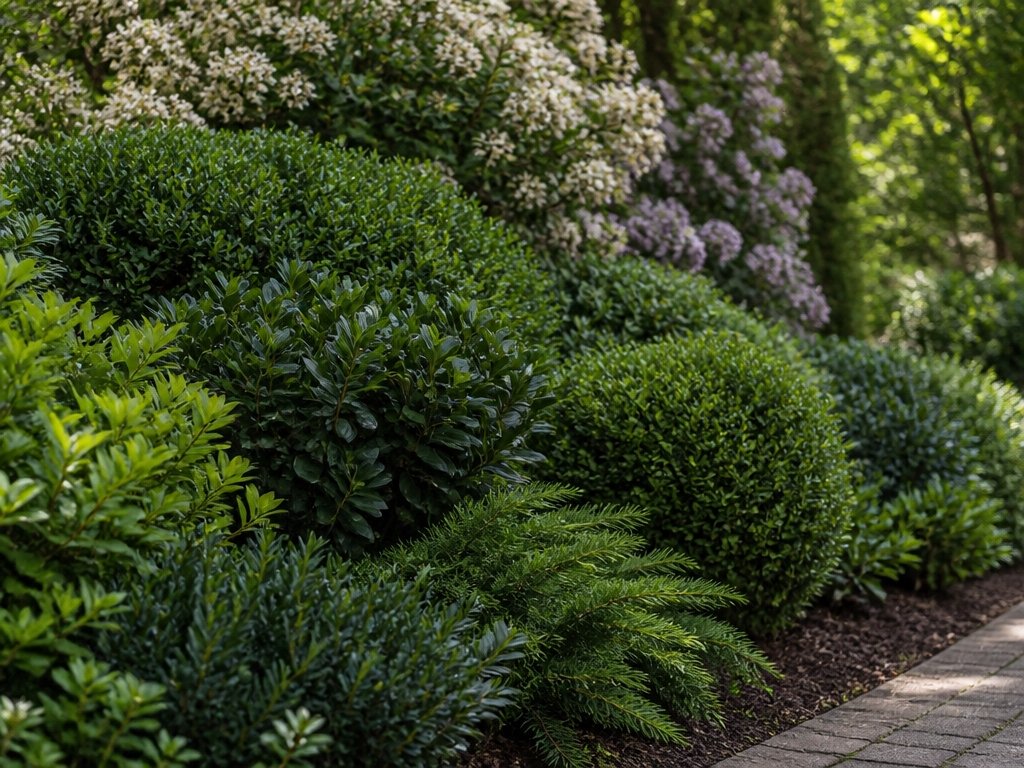
While contrasting foliage creates visual interest at ground level, shrubs establish the vertical framework that north-facing gardens need. Boxwood, privet, and yew tolerate shade effectively, providing structure year-round.
These plants reach varying heights, creating depth and layering. Positioning taller shrubs toward garden borders and shorter varieties near seating areas organizes space logically and prevents overcrowding in limited light conditions. For extra texture, river rock borders can help define planting zones and create a polished transition between different areas of the garden.
Pair Shade Plants With the Right Hardscape Materials
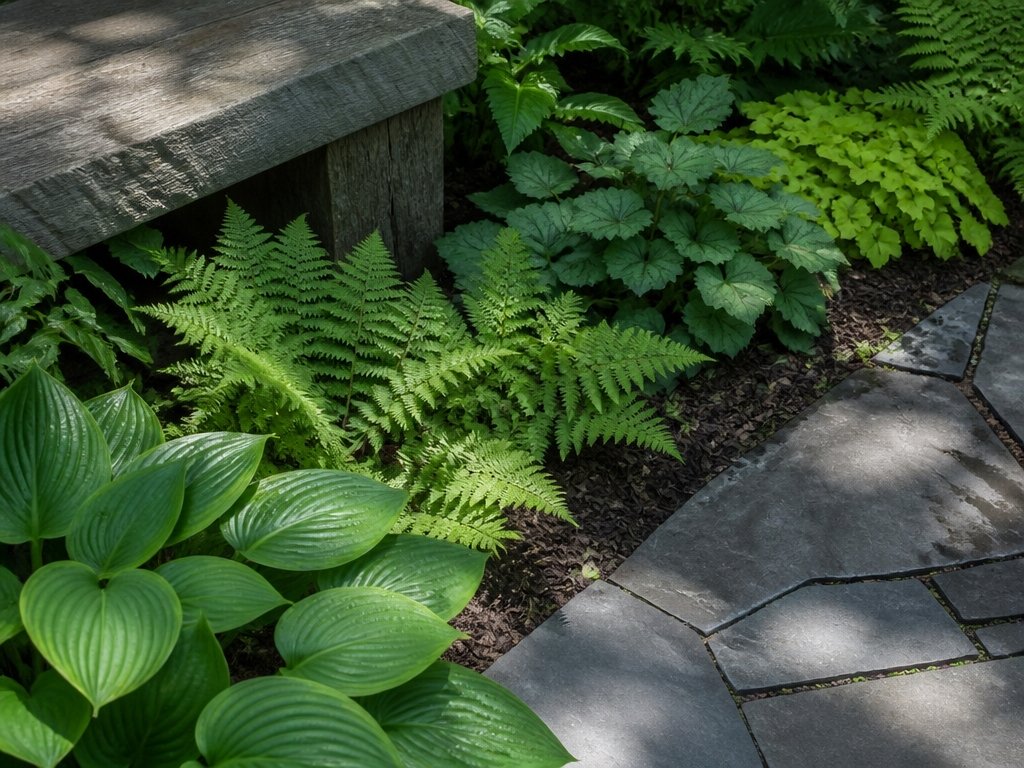
The right hardscape materials complement shade plants by reflecting available light and creating functional garden spaces. Light-colored pavers, gravel, and stone pathways bounce sunlight onto surrounding foliage. Darker materials absorb heat, benefiting shade-tolerant plants like hostas and ferns.
Metal edging, wooden borders, and raised beds define planting areas while improving drainage and soil conditions essential for shade gardens.
Include Shade-Tolerant Flowers for Sustained Color
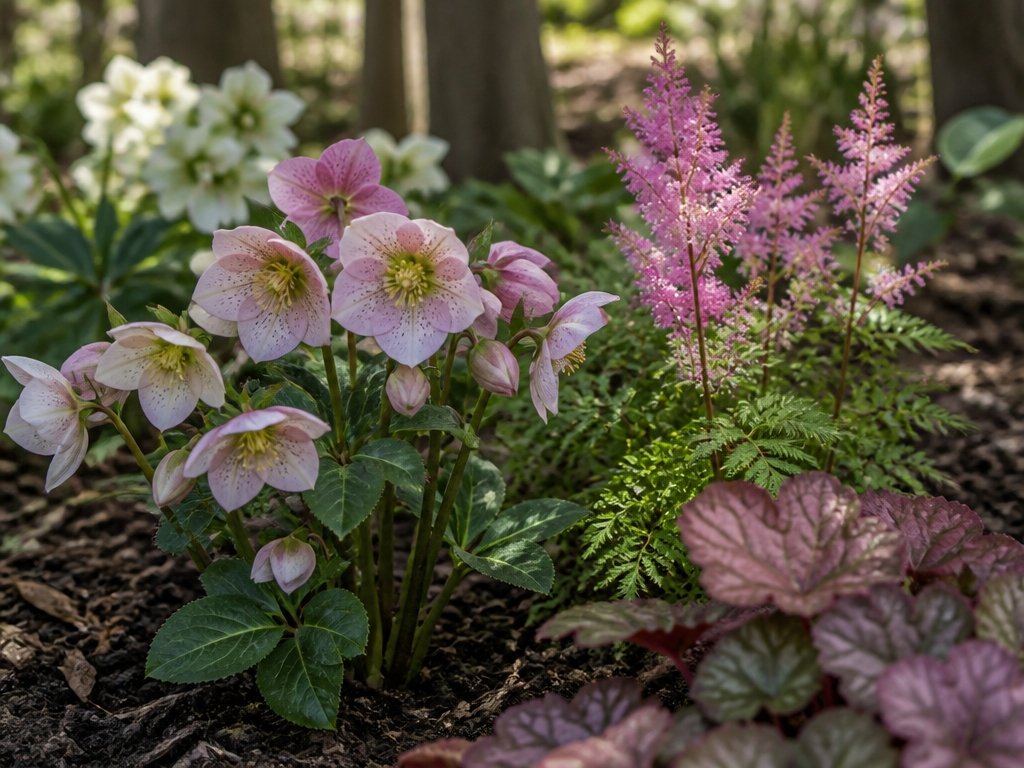
Shade-tolerant flowers provide consistent blooms and visual interest throughout the growing season. Hostas, hellebores, and astilbes flourish in low-light conditions, offering varied textures and colors. Impatiens and begonias deliver sustained flowering in shaded areas. Bleeding heart and coral bells add foliage contrast.
These plants require minimal maintenance while maintaining garden aesthetics year-round.
Prepare Your Soil Before Planting Shade Gardens
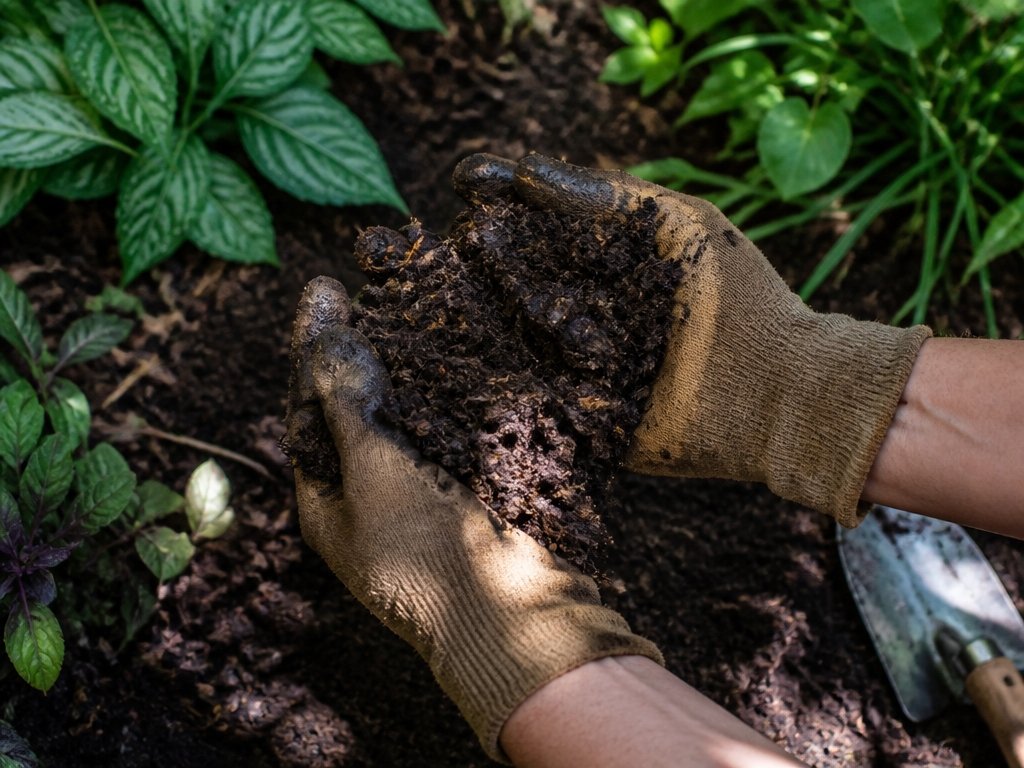
Proper soil preparation forms the foundation for successful shade gardens, requiring attention to composition, drainage, and nutrient content. Adding compost or peat moss improves soil structure and water retention in shaded areas.
Testing soil pH helps determine if amendments are needed. Shade gardens typically benefit from organic matter incorporation, which enhances microbial activity and nutrient availability for shade-tolerant plants.
Adapt Your Design for Woodland, Contemporary, or Cottage Styles
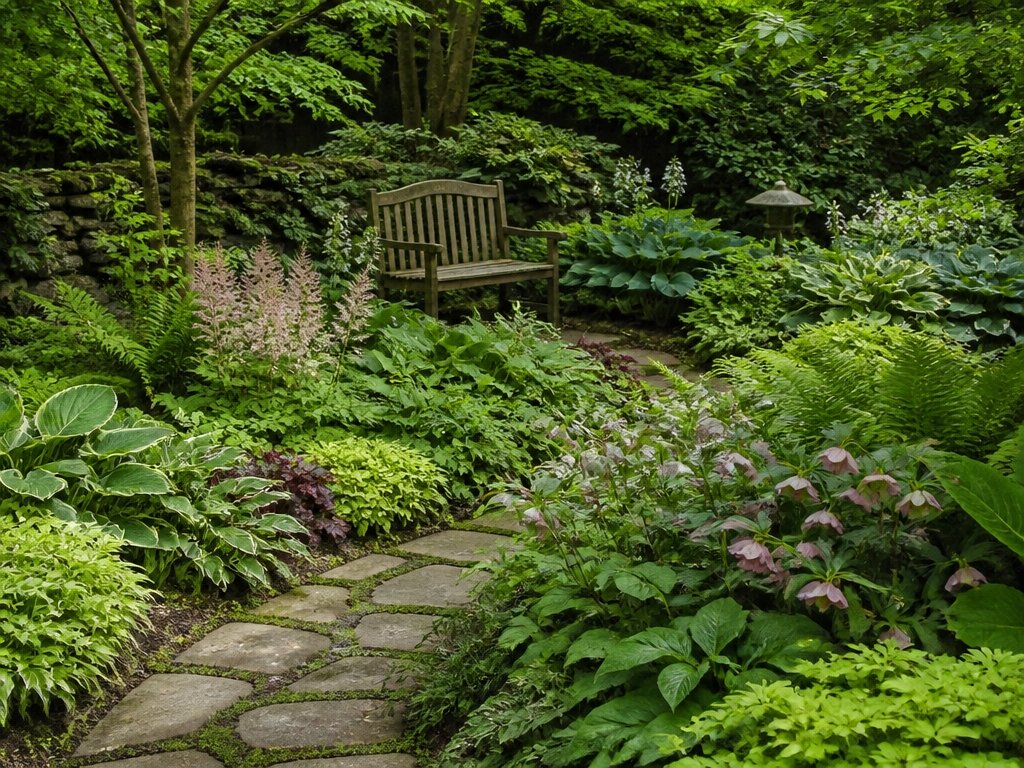
Selecting a design style shapes how plants, hardscaping, and layout work together in a north-facing shade garden. Woodland gardens feature layered foliage, ferns, and hostas beneath tree canopies. Contemporary designs emphasize clean lines, structural plants like bamboo, and minimalist hardscaping. Cottage styles incorporate shade-tolerant flowers, winding paths, and dense plantings.
Each approach determines plant selection, spacing, and visual organization for ideal results. For container accents or sheltered spots, well-draining soil helps prevent root rot and keeps moisture-loving shade plantings healthy.
Frequently Asked Questions
How Many Hours of Sunlight Does a North-Facing Garden Typically Receive Daily?
A north-facing garden typically receives between two to four hours of direct sunlight daily, depending on geographical location, season, and surrounding structures. This limited exposure necessitates shade-tolerant plant selections for gardeners seeking vibrant landscapes.
What Is the Best Time of Year to Plant Shade-Loving Plants in North-Facing Gardens?
Spring and early fall represent the ideal planting seasons for shade-loving plants in north-facing gardens. These periods provide cooler temperatures and adequate moisture, allowing root systems to establish before extreme summer heat or winter frost arrives.
Can I Grow Vegetables or Herbs Successfully in a North-Facing Garden Space?
Growing vegetables and herbs in a north-facing garden proves challenging but possible. Most vegetables require six to eight hours of direct sunlight daily. However, shade-tolerant herbs like mint, parsley, and chives can thrive with partial light exposure.
How Often Should I Water Shade Plants Compared to Sun-Loving Plants?
Studies show shade plants require 30-40% less water than sun-exposed varieties. Shade plants retain moisture longer due to reduced evaporation, necessitating less frequent watering—typically every 7-10 days versus every 3-5 days for sun lovers.
Will a North-Facing Garden Attract More Pests or Diseases Than Sunny Areas?
North-facing gardens do not inherently attract more pests or diseases than sunny areas. However, reduced sunlight and increased moisture can create conditions favoring certain fungal diseases. Proper air circulation and drainage help mitigate these risks effectively.
Conclusion
North-facing gardens, receiving only 3-4 hours of indirect sunlight daily, can achieve fullness through strategic plant and material selection. Shade-loving perennials like hostas, ferns, and hellebores form the foundation, while light-colored hardscaping and mirrors amplify available light. Ground covers fill gaps efficiently, creating visual density. Proper soil preparation guarantees plant vigor. These layered approaches transform traditionally challenging spaces into thriving, textured gardens that maintain year-round interest and structure.