Octagon gazebos have remained a beloved choice for outdoor living spaces, blending timeless geometry with genuine functionality. Their eight-sided shape creates natural sightlines in every direction, making them perfect for gardens, patios, or lakeside retreats.
Whether hosting summer gatherings or enjoying quiet morning coffee, these structures elevate any landscape they occupy.
Traditional Victorian octagon gazebos showcase elaborate craftsmanship with intricate spindle work and curved braces. Painted in soft pastels or classic white, they evoke the romantic elegance of a bygone era.
Natural wood gazebos take a different approach, embracing cedar or red planks that weather beautifully over time. These rustic interpretations feel right at home among wildflowers and winding stone paths.
Contemporary designs strip away ornamentation in favor of sleek metal roofing and minimalist railings. Powder-coated aluminum frames paired with tempered glass panels create striking focal points in modern backyards.
The geometric precision of an octagon pairs unexpectedly well with industrial materials, offering a sophisticated alternative to conventional gazebo shapes.
Selecting the ideal style requires honest assessment of your property and lifestyle.
Consider how the structure will relate to existing architecture, regional climate demands, and long-term maintenance commitments. A well-chosen octagon gazebo becomes more than shelter—it transforms into a destination that draws people outdoors year after year.
Classic Victorian Octagon Gazebos With Ornate Details
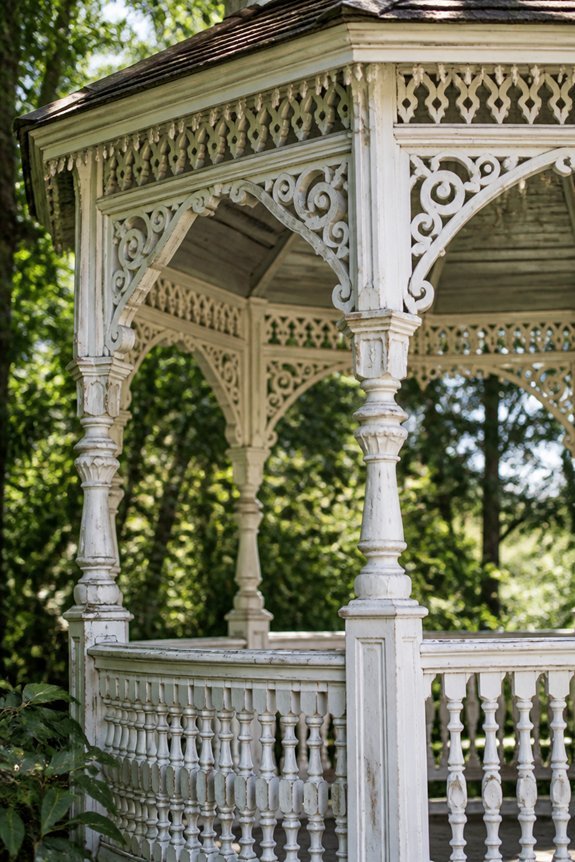
Classic Victorian octagon gazebos bring 19th-century charm to any outdoor space. Their ornamental details catch the eye immediately. Decorative trim, turned spindles, and peaked roofs with finials define this beloved style.
Look for gingerbread trim along rooflines and beams. Ornate railings feature balusters or lattice patterns. Scalloped shingles add texture to roof sections. Decorative brackets beneath eaves complete the look.
The eight-sided shape offers real benefits. It stays sturdy through changing seasons. You get multiple entry points and viewing angles from every side.
Builders favor cedar or pine for these structures. Both woods hold up well and look beautiful. Most Victorian gazebos span 10 to 16 feet across. That size works perfectly for small gatherings.
White, cream, and soft pastels dominate the color palette. These shades highlight the intricate details. Your gazebo becomes a natural focal point in formal gardens or residential yards.
Modern Minimalist Designs For Contemporary Landscapes
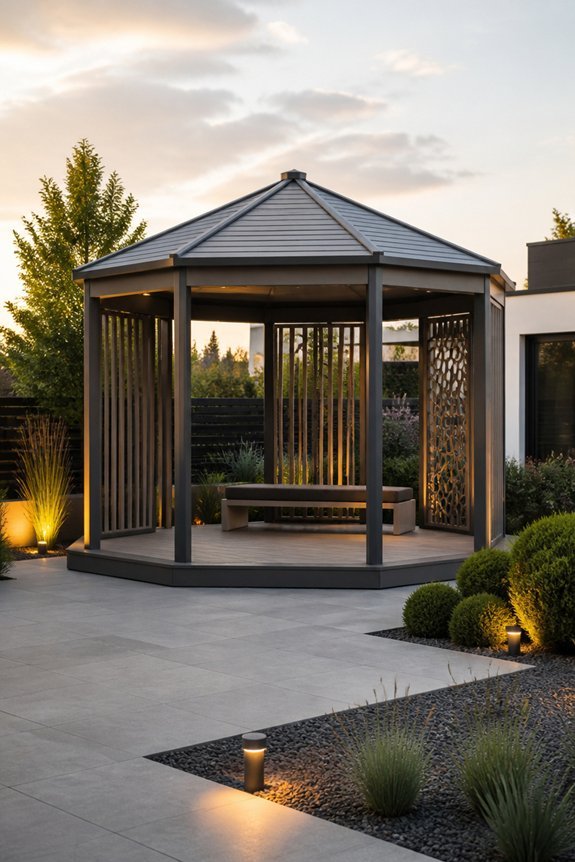
Modern minimalist octagon gazebos strip away excess. Clean lines and open frameworks replace ornate Victorian details. Function leads every design choice.
Steel, aluminum, and treated wood form the bones of these structures. Neutral palettes of gray, black, white, and natural wood keep things understated. Geometric precision shows up in flat roofs and barely-there ornamentation.
Large openings pull sightlines outward and invite airflow inside. Pergola-style tops filter sunlight without blocking it completely. The whole composition settles quietly into contemporary surroundings.
These gazebos anchor modern gardens, patios, and courtyards. They create focal points that feel at home near clean architecture. Installation stays straightforward with level ground and basic supports. Updated outdoor spaces gain practical character without the fuss.
Also read: 10 Enclosed Gazebo Ideas for a Private Outdoor Escape
Rustic Wooden Gazebos With Natural Charm
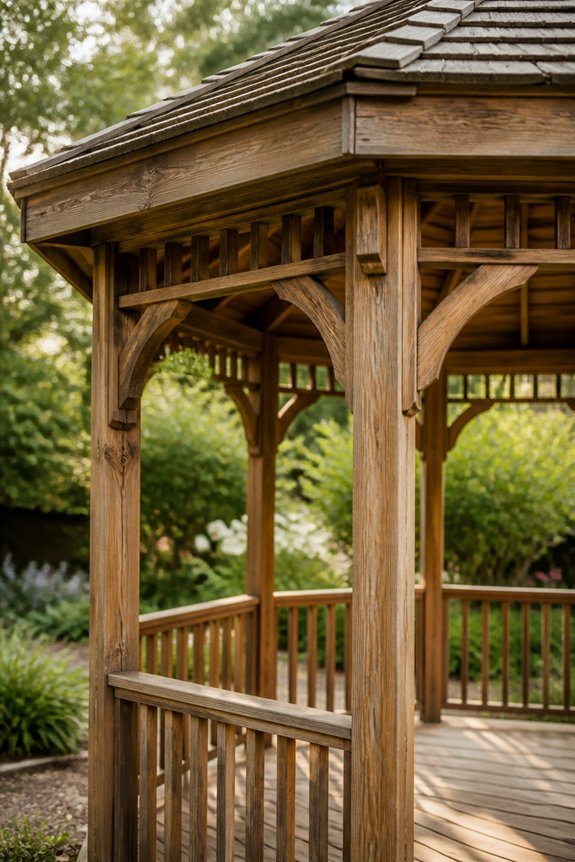
You can spot a rustic octagon gazebo by its weathered wood and organic shapes. These structures celebrate imperfection. They let materials age naturally instead of fighting time.
Cedar, redwood, and reclaimed timber work beautifully here. Each plank shows off its grain, knots, and shifting colors. Exposed beams and simple railings keep the focus on the wood itself. Rough posts and hand-split shingles add genuine texture.
A clear sealant or light stain protects your investment without hiding character. Stone foundations and gravel bases feel right at home with this style. Native plantings complete the picture.
These gazebos fit woodland edges, cottage gardens, and open farmland. They blend into natural surroundings without looking forced or too polished.
Cottage-Style Gazebos With Charming Finishing Touches
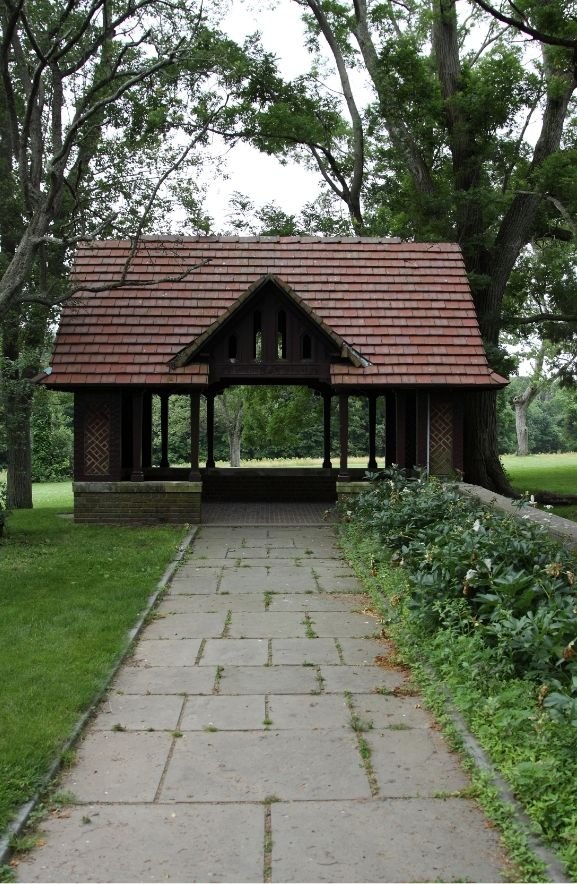
Cottage-style gazebos feel like a warm hug in your backyard. They skip the rugged weathered look and go straight for cozy charm.
These octagon structures pile on the details. Think gingerbread trim along the edges. Lattice panels that catch the light just right. Scalloped roof edges that remind you of grandma’s porch.
Soft colors set the mood here. Cream, pale blue, or sage green keep things gentle and inviting. Window boxes overflow with blooming plants. Vintage lanterns hang ready for dusk. Inside, wainscoting adds that homey touch you didn’t know you needed.
Comfort matters too. Cushioned seats wear floral or gingham patterns. Spindle railings or picket designs keep you safe without spoiling the view. String lights or tiny chandeliers twinkle overhead once the sun drops.
All these pieces work together. Your basic octagon frame becomes something special. It fits right in with traditional homes and makes your landscape feel complete.
Metal and Glass Combinations For Light and Elegance
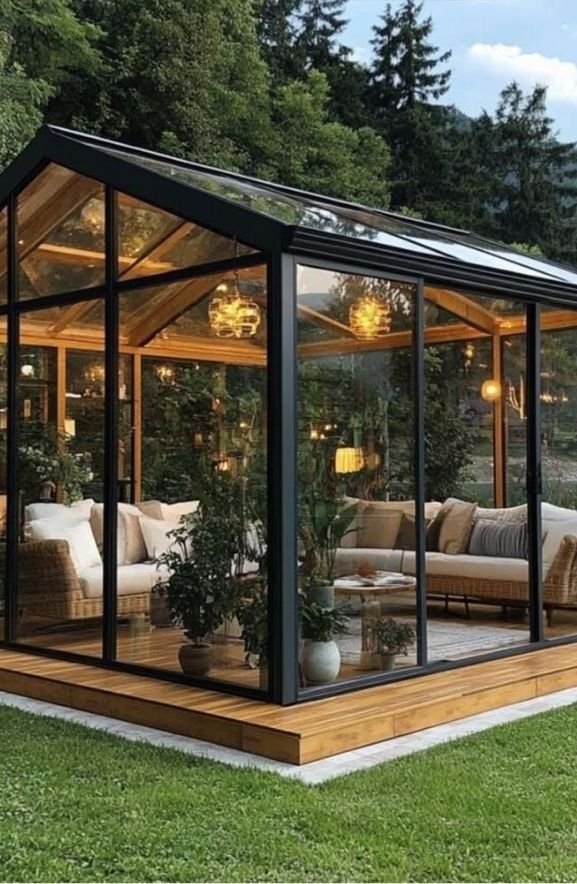
Octagon gazebos blend glass panels with metal frames to flood your outdoor space with light. You get wide sight lines and a bright, open feel. Natural daylight flows in while still keeping wind and rain out.
Aluminum frames resist rust and barely need upkeep. Steel gives you more strength but needs a fresh protective coat now and then.
Your glass choices shape the mood. Tempered glass handles bumps and temperature swings without worry. Frosted glass softens the view and adds privacy while light still slips through.
This pairing works beautifully with modern or transitional homes. Shadows shrink inside. Evenings stretch longer when you can see clearly and stay sheltered from sudden weather shifts.
Screened Octagon Gazebos To Keep Insects Out
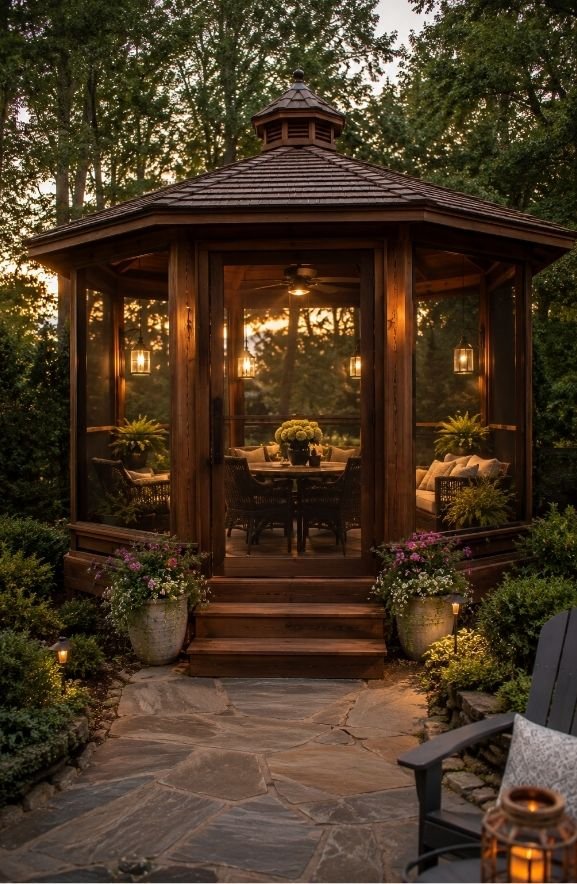
Screened octagon gazebos give you outdoor comfort without the bug bites. Mesh panels line each side to block mosquitoes, flies, and other pests. You still get fresh air flowing through. No more swatting away insects during your dinner parties.
The screening material matters. Fiberglass mesh works well for most climates. Aluminum mesh lasts longer in harsh weather. Pick your mesh size based on what bugs live near you. Smaller holes stop tiny gnats. Larger ones work fine for basic mosquito protection.
The eight-sided shape helps here. Panels fit evenly around every angle. You get consistent coverage without awkward gaps.
upkeep stays simple. Rinse the mesh with a garden hose every few weeks. Patch small tears before they spread. Most kits include repair strips for quick fixes.
You lose some of that wide-open view. You gain something better. Summer evenings become usable again. No citronella candles needed. Just screened walls between you and the pests.
Hardtop Metal Gazebos For Year-Round Use
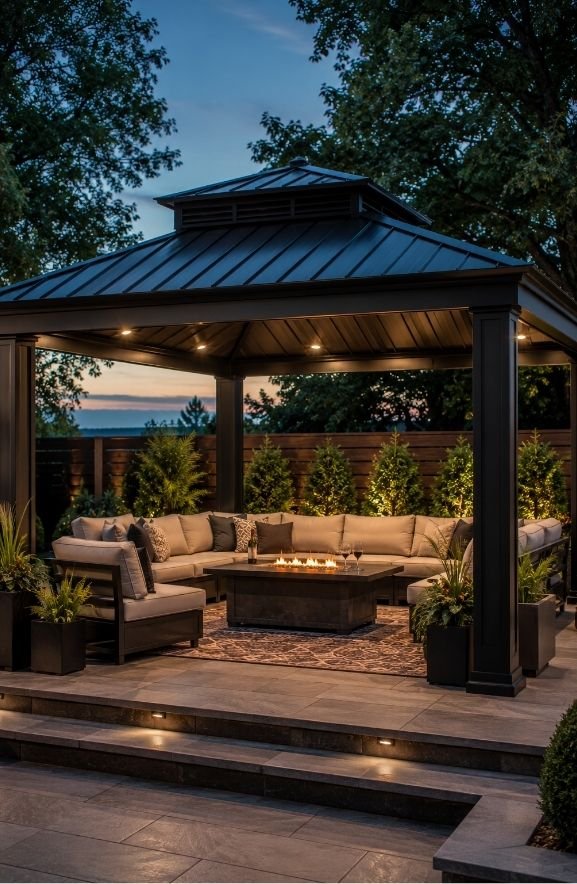
Hardtop gazebos keep you outside longer. Their solid metal roofs block rain and snow completely. You get spring through winter use instead of packing up when weather turns.
Aluminum and steel frames hold up against heavy precipitation, strong wind, and shifting temperatures. Protective coatings stop rust from forming. Gable roofs shed snow well. Flat tops give you clean modern lines. Both work. It depends on your look.
You’ll need concrete underneath for stability. Check seals and fasteners once a year to avoid leaks. Most models let you add lights or vents for extra comfort. Yes, they cost more upfront. But you barely maintain them, and they last. That math works out over time.
Building On Solid Ground: Stone and Brick Gazebos
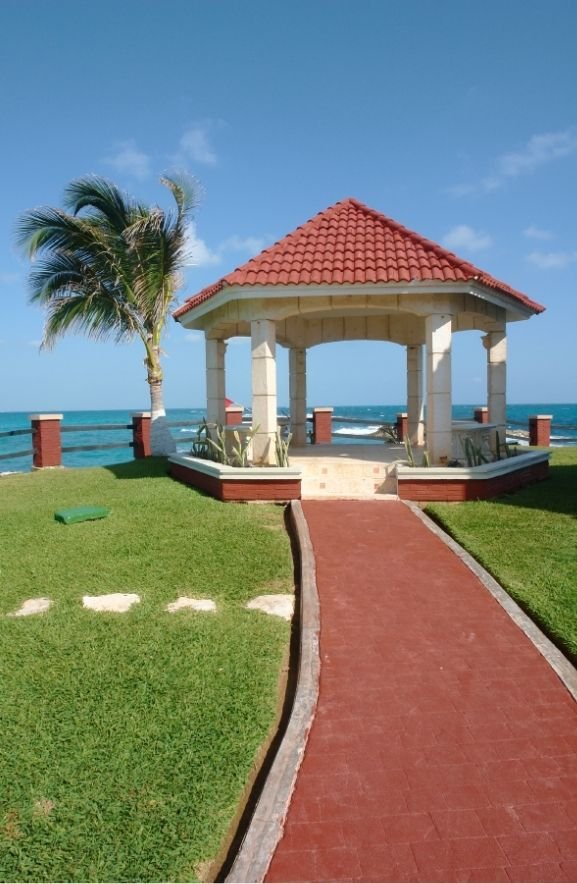
Stone and brick gazebos stand the test of time. They laugh off harsh weather, extreme heat, and freezing cold without breaking down.
Granite and limestone options need barely any upkeep. Decades pass, and they still look sharp. Brick brings that same staying power with a timeless, classic look. Both materials soak up heat during the day. Your gazebo stays cooler inside when summer hits hard.
A solid concrete foundation is a must. Without it, shifting and cracking will creep in. Expect to invest more here than with wood or metal. Most projects run $3,000 to $10,000 and climb higher for elaborate designs.
This permanence pays off for long-term property value. Check mortar joints now and then. Reseal when needed. Your gazebo will keep standing strong.
Where To Position Your Octagon Gazebo For Impact
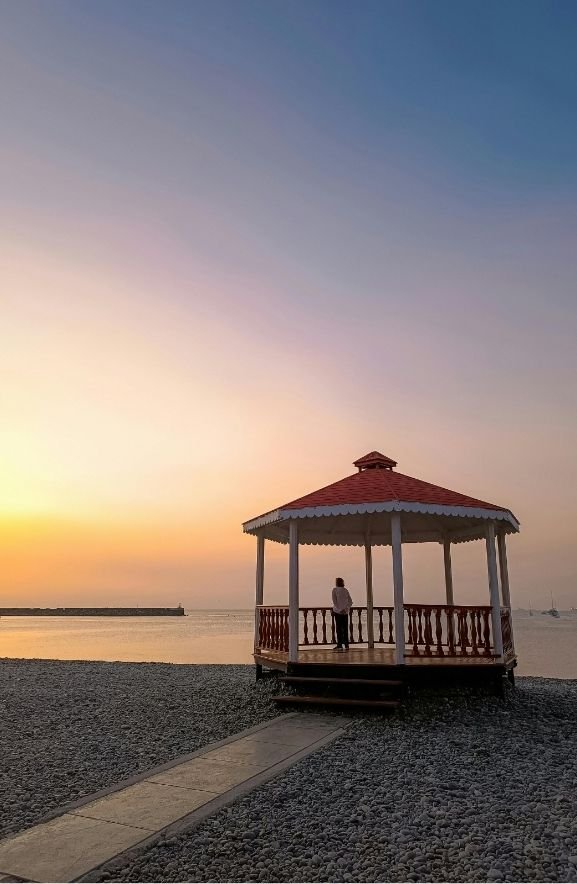
Location shapes how well your octagon gazebo functions. Level ground is essential. Keep it clear of overhanging branches that could snap in storms.
Placement depends on what you want to achieve. Near your rear patio, the gazebo extends your outdoor living space. Set it at your garden’s center to spotlight landscaping. Tuck it into a corner along property lines to preserve open yard space.
Distance from your house matters. Twenty to thirty feet creates a sense of destination. You will walk there with purpose.
Sun and wind deserve attention too. Face it south for afternoon shade. Face it north to stay cooler in summer heat.
Paths should link naturally to main areas without blocking flow. Thoughtful positioning balances beauty and everyday use across your landscape.
Furnishing and Decorating Your Gazebo Interior
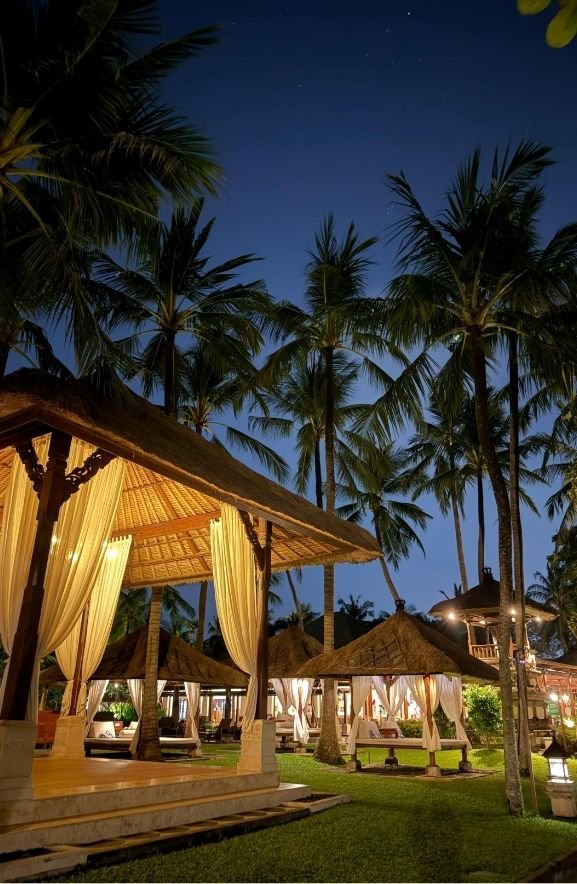
Arrange benches and cushioned chairs to encourage lingering conversations. A sturdy table keeps drinks and snacks within easy reach. String lights cast a warm glow as evening approaches.
Outdoor rugs and potted plants add color that complements your landscape. Weather-resistant storage protects cushions during unexpected showers. Select furniture built to withstand sun and rain while reflecting your personal style.
String Lights and Solar Options To Set the Mood
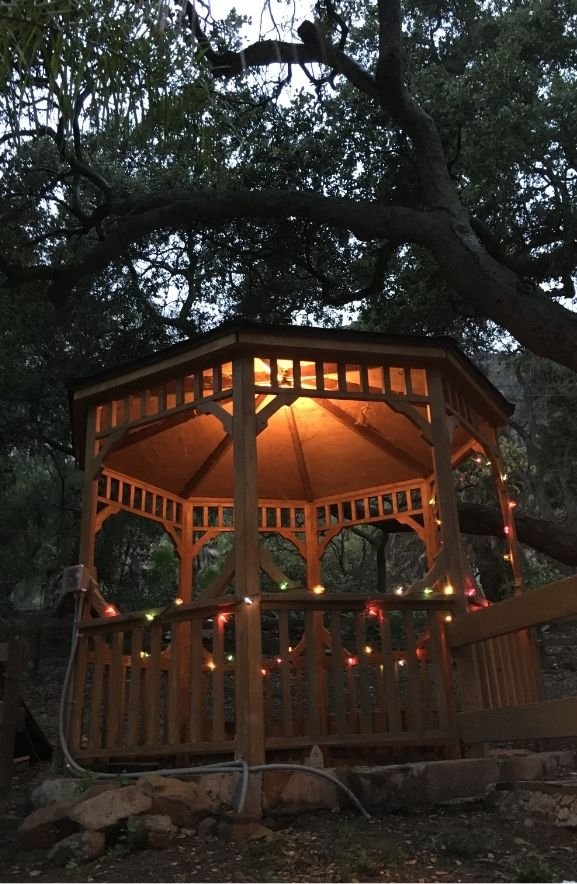
String lights bring instant charm to your octagon gazebo once the sun goes down. Edison bulbs cast a warm, nostalgic glow perfect for dinner conversations. Fairy lights twinkle overhead like scattered stars. Both options draw the eye upward and make the space feel magical.
Solar solutions keep things simple and budget-friendly. No electrician needed, no digging trenches for wiring. Solar lanterns perch nicely on tables or hang from corner posts. Pathway lights around the base add safety and frame your gazebo beautifully. LED options sip energy and stick around for years.
Mix and match for the best results. Try solar stake lights along your walk plus string lights above. Or go all-solar for off-grid setups. Check brightness levels before you buy, some lights barely glow while others overpower. Warm white feels cozy, cool white works for task lighting. Make sure everything can handle rain and wind.
Octagon Gazebos For Every Budget: Where To Invest
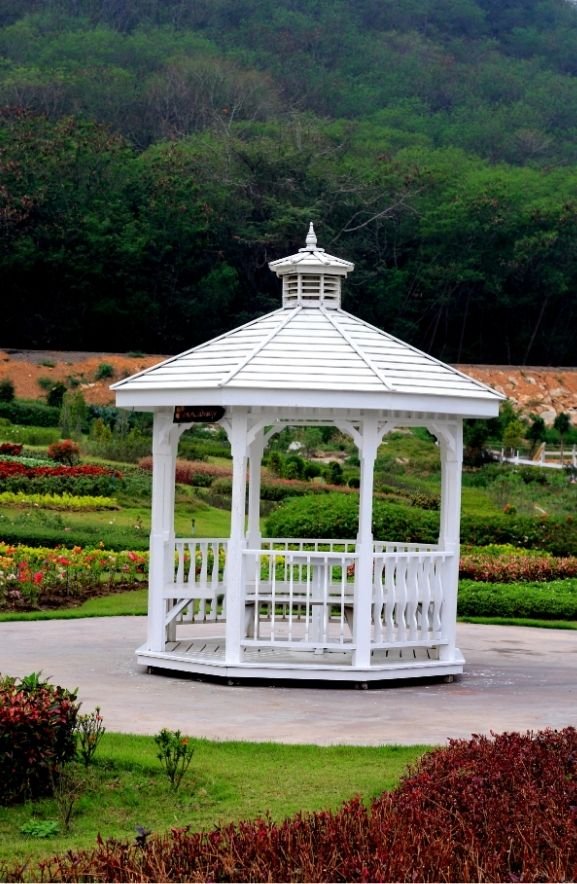
Budget considerations shape every aspect of octagon gazebo selection. Materials, size, installation complexity, and long-term maintenance all factor into your decision.
Entry-level options typically run $1,000 to $3,000. These feature basic metal frames with vinyl or polyester canopies. They work well for casual use and tight budgets.
Mid-range models fall between $3,000 and $8,000. You get wood construction, upgraded fabrics, and improved durability. Most homeowners find this range hits the sweet spot.
Premium gazebos exceed $8,000. Hardwood frames, professional installation, and extended warranties come standard here. These become lasting backyard centerpieces.
Material costs extend beyond the purchase price. Wood needs regular staining. Metal requires rust prevention. Vinyl demands minimal upkeep. Factor these into your total investment.
Installation expenses vary widely. Foundation requirements and local labor rates make each project unique. Get multiple quotes before committing.
Quality construction pays off over time. You replace less often and repair less frequently. Compare manufacturers carefully. Value matters, but never sacrifice structural integrity or weather resistance.
Frequently Asked Questions
How Do I Obtain the Necessary Permits and Zoning Approvals for Installing an Octagon Gazebo?
One must contact the local building department to obtain permit applications and zoning requirement information. Submission typically requires property surveys, structure plans, and proof of setback compliance. Approval timelines vary by jurisdiction.
What Is the Average Lifespan and Maintenance Schedule Required for Octagon Gazebos?
Like a well-maintained garden thriving through seasons, octagon gazebos typically last 15-20 years. Regular maintenance includes annual inspections, resealing wood every 2-3 years, cleaning gutters quarterly, and treating for rot or pest damage promptly.
Can Octagon Gazebos Withstand Extreme Weather Conditions Like Hurricanes or Heavy Snow?
Octagon gazebos can withstand moderate weather but require reinforced construction for hurricanes. Heavy snow loads demand sturdy frames and proper roof angles. Professional installation and quality materials greatly enhance their weather resistance capabilities.
What Size Octagon Gazebo Is Appropriate for My Yard or Outdoor Space?
A homeowner with a 2,000-square-foot yard selected a 12-foot octagon gazebo, leaving adequate clearance. Size selection depends on yard dimensions, furniture placement, and intended use—smaller spaces suit 10-foot models; larger properties accommodate 14-16 foot versions.
How Much Does Professional Installation Typically Cost Versus DIY Building?
Professional installation typically ranges from $2,000 to $5,000, depending on complexity and location. DIY building costs only materials—usually $1,500 to $3,000—but requires significant time and skill investment.
Conclusion
Octagon gazebos serve as thoughtful outdoor enhancements, offering homeowners numerous aesthetic directions to explore. Whether selecting Victorian embellishments, contemporary clean lines, or rustic wood finishes, these structures accommodate various design preferences and financial considerations. Proper positioning, interior furnishings, and lighting selections contribute to creating purposeful gathering spaces. Each gazebo style presents distinct advantages, allowing property owners to establish personalized outdoor retreats suited to their specific needs and preferences.