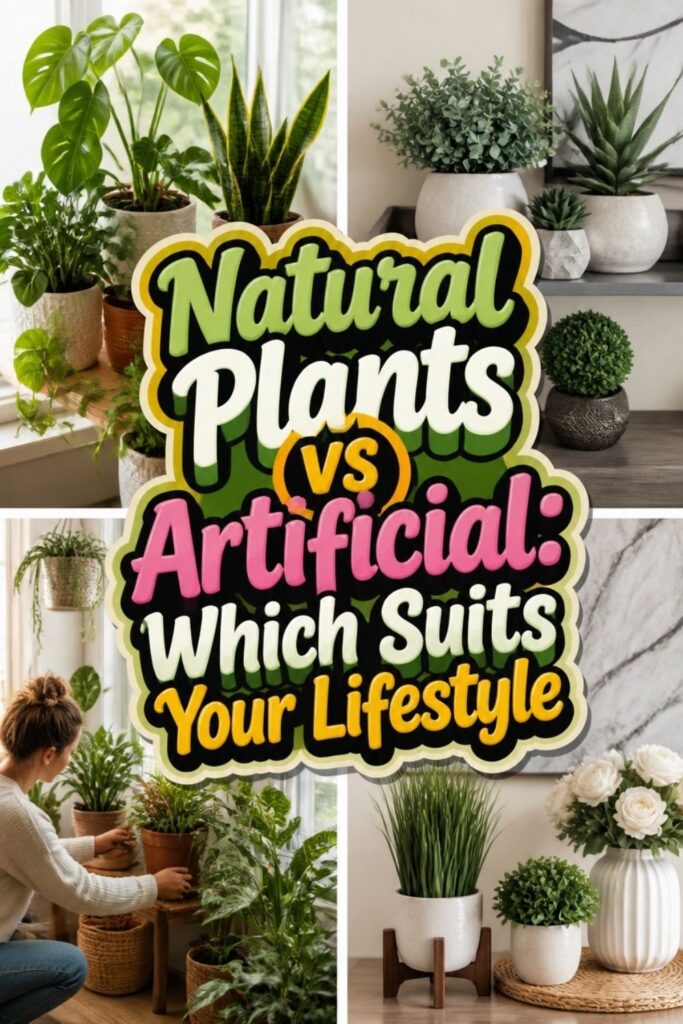
Some people thrive with houseplants that need daily attention, while others barely remember to water themselves. Your schedule and habits matter more than any aesthetic ideal when choosing between real and artificial greenery.
Natural plants offer genuine benefits: they filter indoor air, boost mood, and bring living energy into a space. Yet they demand consistent care, proper light, and the right humidity.
Forget to water them during a busy week or vacation, and you’ll return to wilted leaves or worse.
Artificial options have evolved far beyond the obvious plastic look of decades past. Modern versions mimic textures and colors convincingly, need only occasional dusting, and pose no risk to curious pets or allergy sufferers.
They suit frequent travelers and those who prefer low-effort decor.
The best choice isn’t about which option looks better in a magazine. It’s about honesty regarding your time, your travel patterns, and your willingness to nurture living things.
Matching your plants to your actual lifestyle prevents guilt and dead foliage alike.


Be Realistic About Daily Care
Think about how often you are actually home and willing to check on plants. If watering, pruning, and adjusting plants for better light already sound difficult to maintain, artificial greenery may fit your routine better.
Look at the room itself too. Dark corners and spaces with difficult growing conditions can make artificial plants the easier choice, while naturally bright areas give living plants a better chance to thrive.
You also do not have to choose one option for the entire home. Mixing real plants in easy-to-maintain locations with artificial greenery in darker or less convenient spaces can give you the benefits of both without creating an unrealistic care routine.
Decision Criteria: What Actually Matters for Your Space
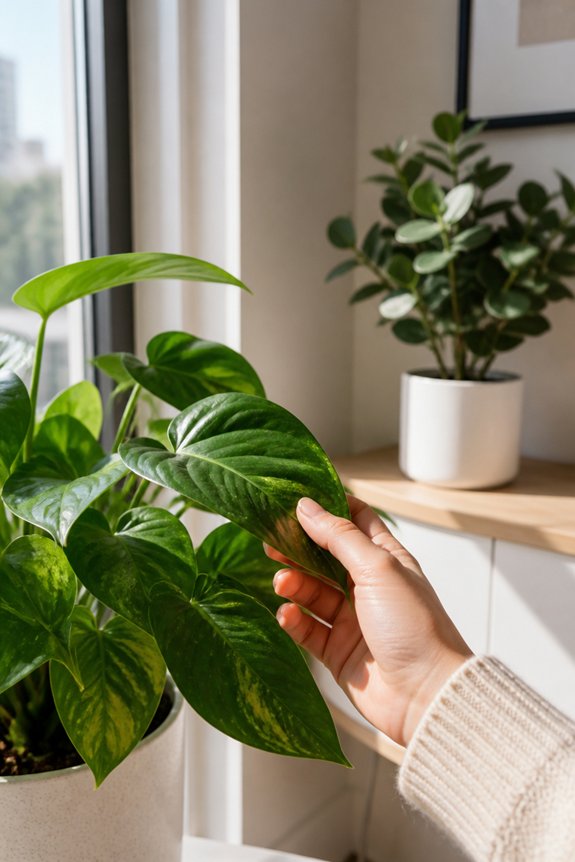
When choosing between natural and artificial plants, several practical factors determine which option suits a particular environment. Key considerations include available light, maintenance capacity, allergies, pet safety, and budget constraints.
Natural plants require watering, sunlight, and regular care. Artificial plants need dusting but survive in low-light spaces. Pet owners should verify toxicity levels. Cost varies considerably between options depending on quality and longevity desired.
Real Plants vs. Artificial: A Side-by-Side Breakdown
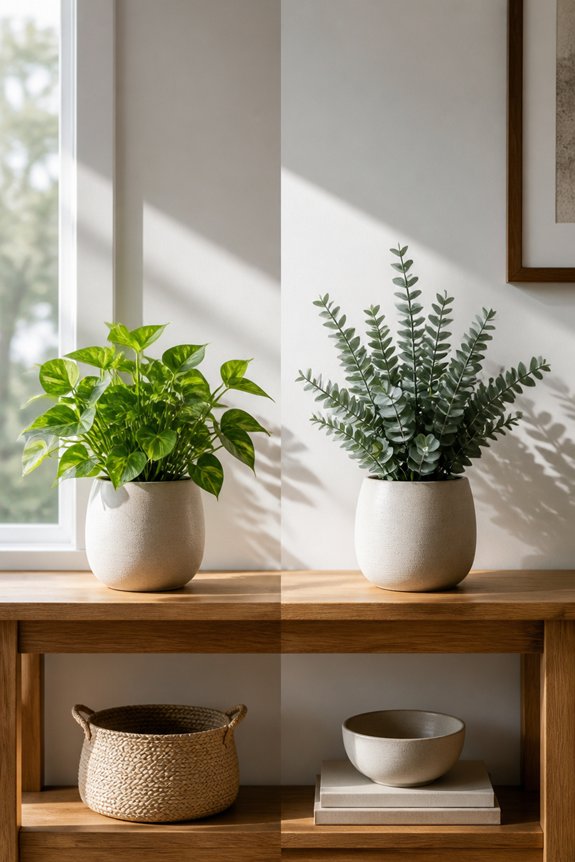
Understanding how natural and artificial plants compare across specific dimensions helps individuals make informed decisions for their particular situations. Natural plants require watering, sunlight, and regular maintenance, while artificial plants need occasional dusting.
Real plants improve air quality and provide aesthetic appeal through growth patterns. Artificial plants offer convenience, require no care, and work in low-light environments like bathrooms or offices.
Does Your Lifestyle Support Living Plants?
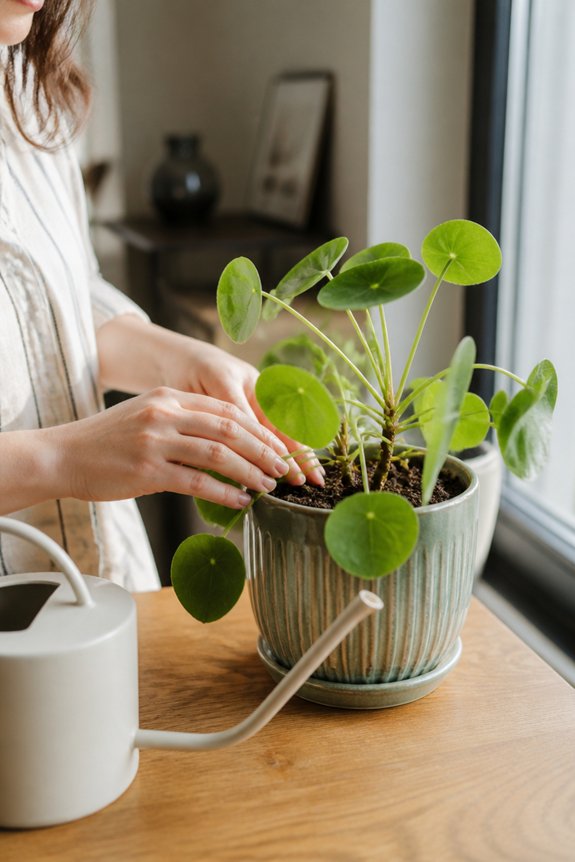
How much time and attention can a person realistically devote to plant care each week?
Individuals with busy schedules, frequent travel, or limited indoor light should consider artificial plants. Those with stable routines, consistent home presence, and suitable growing conditions can maintain living plants.
Work demands, family commitments, and environmental factors determine whether real plants are practical choices for specific households.
What You’ll Actually Spend Over Time
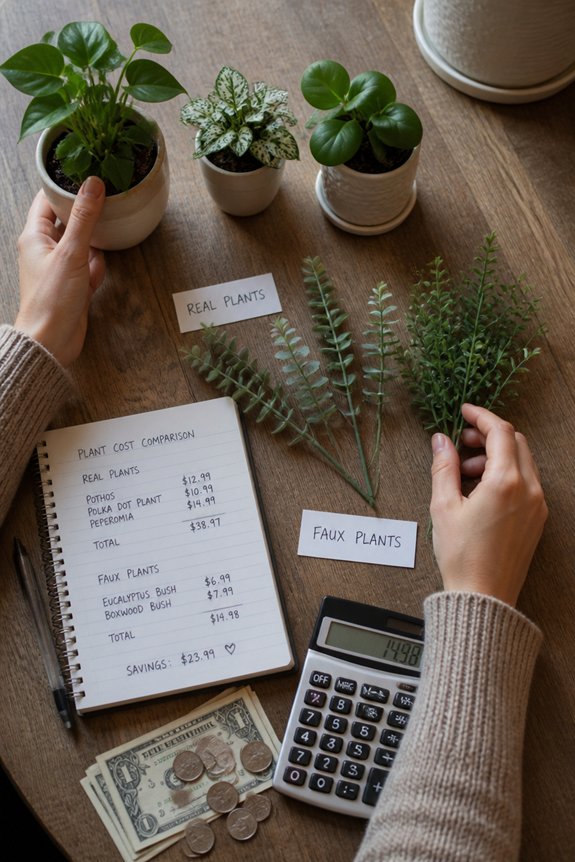
The financial comparison between living and artificial plants extends beyond the initial purchase price. Living plants require ongoing expenses: water, fertilizer, soil, and occasional replacements due to death or disease. Artificial plants cost more upfront but need only periodic cleaning.
Over five years, living plants in multiple rooms typically cost more than artificial alternatives, depending on plant types and maintenance frequency.
The Health and Mental Benefits You Should Know About
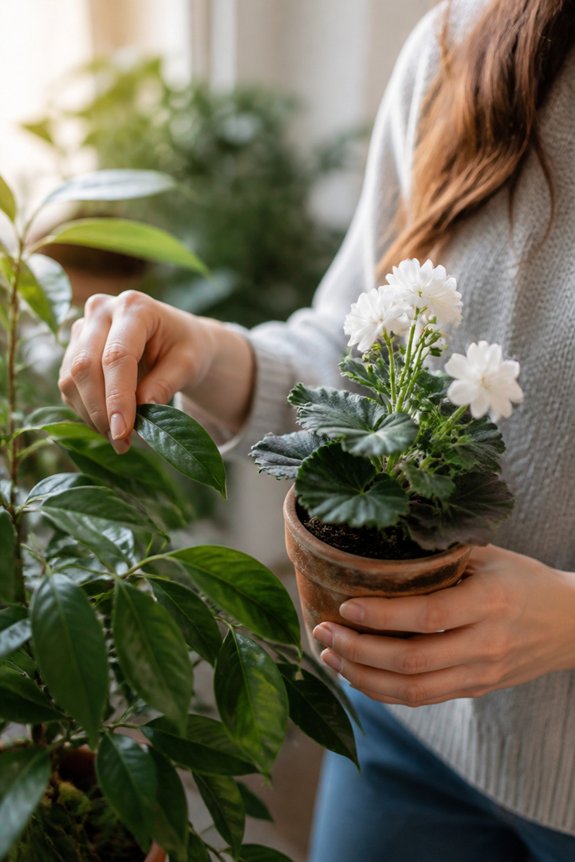
While cost matters when choosing between plant types, the impact on human health and mental well-being offers another important consideration. Natural plants provide oxygen, reduce indoor air pollutants like formaldehyde, and lower stress levels through biophilic connection.
Artificial plants require no maintenance, allergen management, or watering but offer no air-purifying benefits. Real plants support cognitive function and mood improvement more effectively than synthetic alternatives.
When a Hybrid Approach Makes Sense
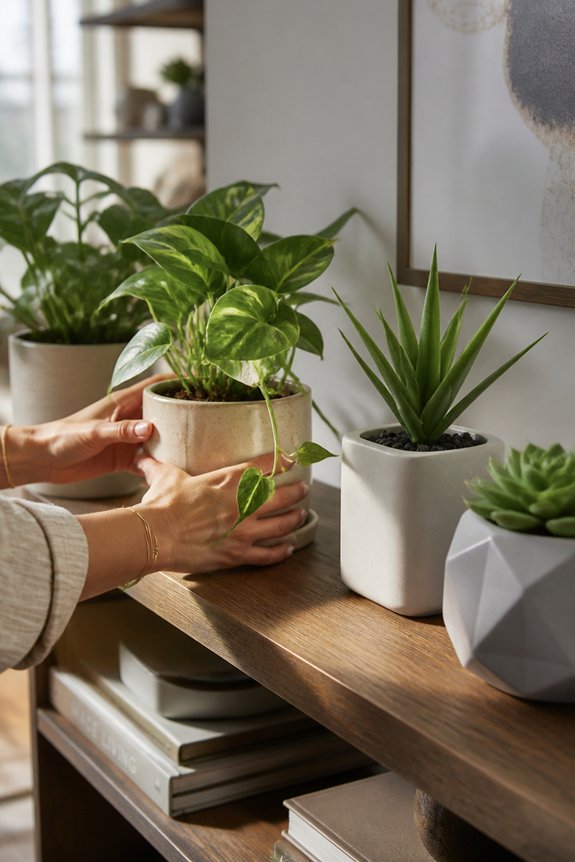
Many homeowners find that combining natural and artificial plants creates a practical solution for different spaces and needs. Natural plants in living rooms provide air purification and aesthetic appeal, while artificial plants work well in bathrooms, offices, and low-light areas.
This hybrid approach reduces maintenance demands, saves money, and accommodates varying light conditions throughout the home effectively.
Choose What Fits Your Life (Not the Other Way Around)
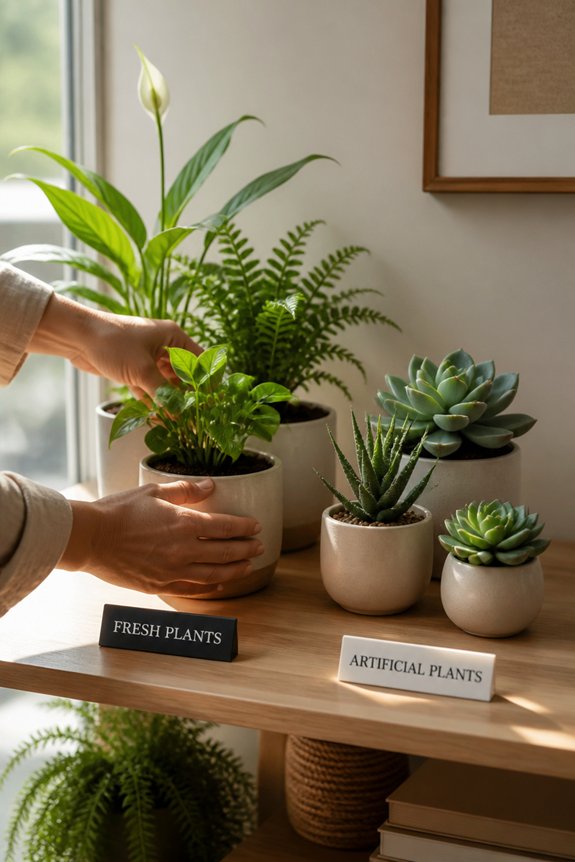
Beyond calculating maintenance hours and weighing costs, homeowners should start by examining their actual daily routines, schedules, and lifestyle priorities.
A busy professional working sixty-hour weeks may find artificial plants practical, requiring minimal attention. Conversely, a retired gardener with abundant free time might prefer natural plants, which demand regular watering, pruning, and seasonal care. Matching plant choice to available time guarantees sustainable satisfaction.
Frequently Asked Questions
Can Artificial Plants Trigger Allergies or Affect Indoor Air Quality Negatively?
Artificial plants do not trigger allergies or produce allergens like natural plants. However, they may accumulate dust, potentially affecting air quality if not regularly cleaned. They neither purify air nor release oxygen, unlike living plants.
How Do I Dispose of Artificial Plants Responsibly at End of Life?
When artificial plants reach their twilight years, one should separate recyclable materials like plastic and metal components for proper recycling facilities. Alternatively, donate usable items to thrift stores, schools, or community centers before consigning them to landfills.
Which Plants Are Safest if I Have Curious Pets or Small Children?
Non-toxic plants like spider plants, Boston ferns, and African violets pose minimal risk. Artificial plants eliminate toxicity concerns entirely, though small pieces present choking hazards. Pet owners should research specific species before purchasing.
Do Real Plants Require Special Lighting, and What’s the Cost Difference?
One must purchase specialized grow lights—a delightful expense—to keep houseplants alive indoors. Real plants demand $50-300+ monthly for ideal lighting, whereas artificial alternatives require merely sunlight-adjacent placement and zero operational costs.
Can Artificial Plants Fade or Deteriorate Differently in Various Room Environments?
Artificial plants deteriorate differently depending on room conditions. Direct sunlight causes fading and material brittleness, while humidity can degrade certain fabrics. Dry environments preserve them longest. Dust accumulation is inevitable across all spaces, requiring regular maintenance regardless of location.
Conclusion
The choice between natural and artificial plants requires honest self-assessment. Those with consistent schedules, adequate lighting, and genuine interest in plant care should select living plants for air quality and mental health benefits. Conversely, busy individuals, frequent travelers, and pet owners benefit from artificial options requiring no watering, pruning, or maintenance. The best decision prioritizes personal capacity and environmental conditions over aesthetic preferences alone.