Lush gardens operate on fundamental design principles that transcend plant choice. Layering different heights creates visual richness and makes spaces feel fuller. Color coordination across seasons maintains abundance year-round rather than peaking briefly. Texture variation prevents monotony while adding dimension. Strategic plant groupings create focal points that draw the eye and anchor garden compositions. Understanding these principles allows you to design gardens that feel established and generous regardless of your climate, budget, or available space. These twenty-seven concepts apply proven landscape design methods to show how thoughtful planning creates the sense of botanical abundance that makes a backyard feel truly special.
Create Vertical Gardens to Maximize Square Footage
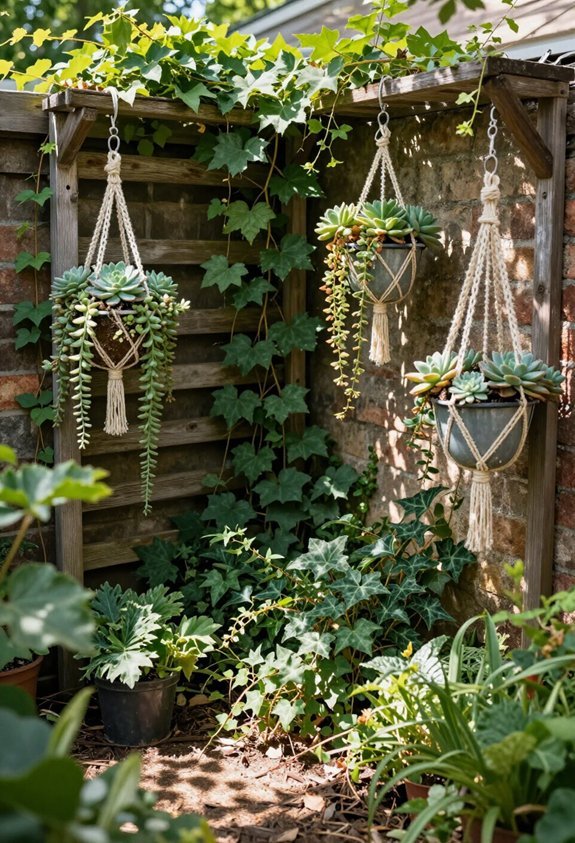
How can gardeners make the most of limited outdoor space? Vertical gardens offer an effective solution by utilizing wall space, fences, and structures that would otherwise remain unused. By growing plants upward instead of outward, gardeners can substantially increase their planting area without requiring additional ground space. Vertical gardening systems include wall-mounted planters, trellises, hanging baskets, and tiered shelving units that accommodate various plant types. These structures work particularly well for herbs, leafy greens, strawberries, and flowering plants that don’t require deep root systems. Installing vertical gardens also improves air circulation around plants, reducing disease risk and promoting healthier growth. Additionally, this method makes harvesting and maintenance more convenient since plants are positioned at accessible heights, eliminating the need for excessive bending or stooping.
Also read: 40+ BACKYARD IDEAS You’ll Want To Copy!
Design Raised Beds in Tight Footprints
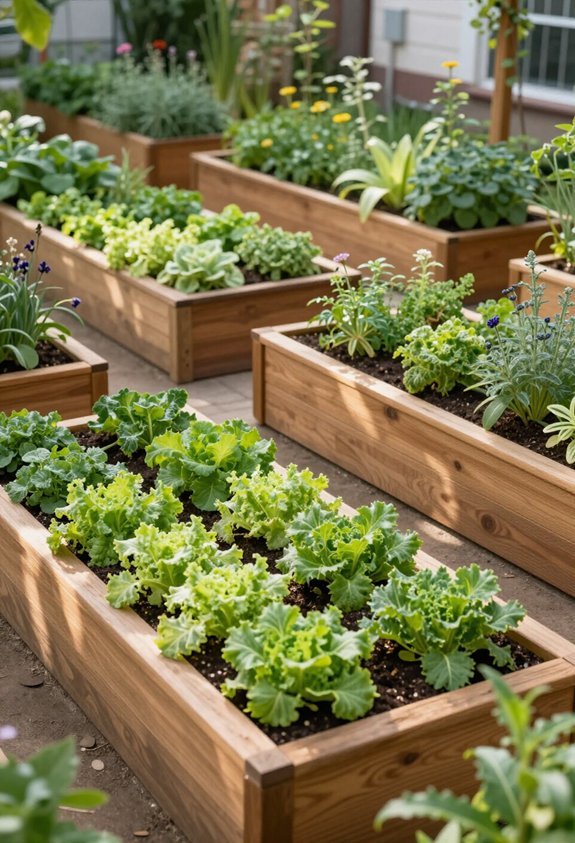
For gardeners working with limited outdoor space, raised beds provide a practical alternative to traditional ground-level gardens, allowing them to create dedicated growing areas within compact footprints while maintaining better control over soil quality, drainage, and plant density. These elevated structures can be constructed from untreated wood, composite materials, or galvanized metal, with heights ranging from six to twelve inches depending on available space and accessibility needs. Narrow rectangular designs, typically two to three feet wide, enable gardeners to reach the center without stepping into beds, preventing soil compaction. Strategic placement along fence lines, patios, or sunny corners maximizes existing space efficiently. Installing drip irrigation systems within raised beds conserves water while delivering moisture directly to plant roots, making this approach ideal for small-scale vegetable and herb cultivation.
Tuck Plants Into Hardscape Gaps and Crevices
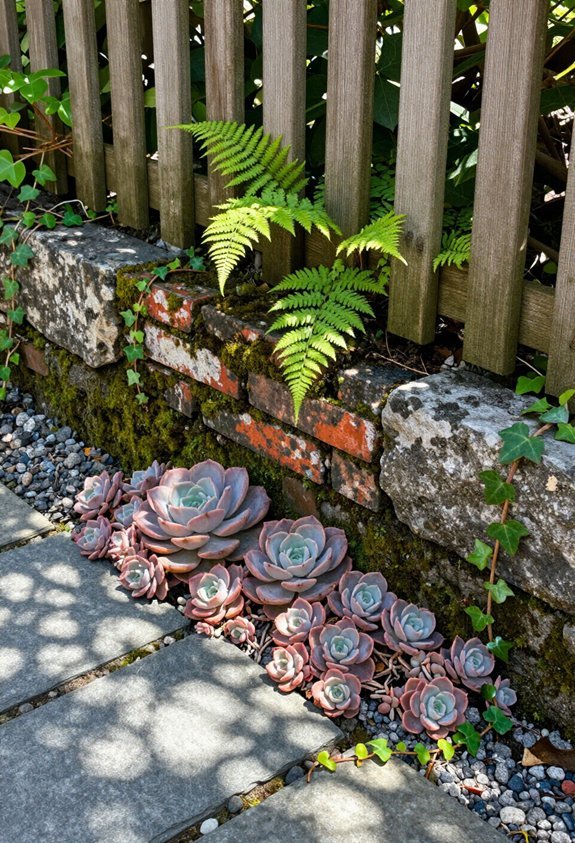
Beyond the structured approach of raised beds, gardeners can maximize limited space by identifying and utilizing the gaps, cracks, and narrow openings that naturally exist within hardscape features like patios, walkways, retaining walls, and stone borders. These overlooked spaces present excellent opportunities for planting low-growing herbs, succulents, sedums, and trailing groundcovers that require minimal soil depth and maintenance. Before planting, gardeners should clear debris from crevices, add appropriate soil or growing medium, and select plants suited to the specific light and moisture conditions of each location. This technique transforms otherwise wasted areas into productive planting zones, adding visual interest and greenery throughout the garden while requiring no additional construction or significant space allocation.
Cluster Container Gardens on Patios and Decks
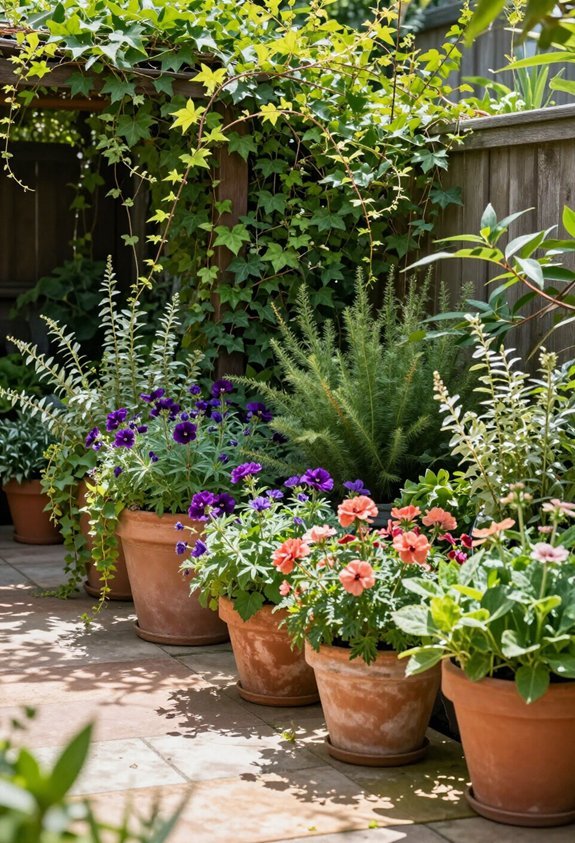
Container gardening on patios and decks offers a flexible and accessible solution for those seeking to grow plants in compact outdoor spaces without the need for in-ground beds or extensive soil preparation. Grouping multiple containers together creates visual impact and maximizes growing space, allowing gardeners to cultivate diverse plant varieties in a concentrated area. Selecting containers of varying heights and sizes adds dimension and interest to the arrangement, while ensuring adequate drainage prevents waterlogging and root rot. Placing taller plants toward the back and shorter specimens toward the front establishes a tiered effect that showcases each plant effectively. Clustering containers also simplifies maintenance routines, as watering, fertilizing, and pest management become more efficient when plants are positioned closely together in designated zones.
Train Climbing Plants to Hide Boundaries
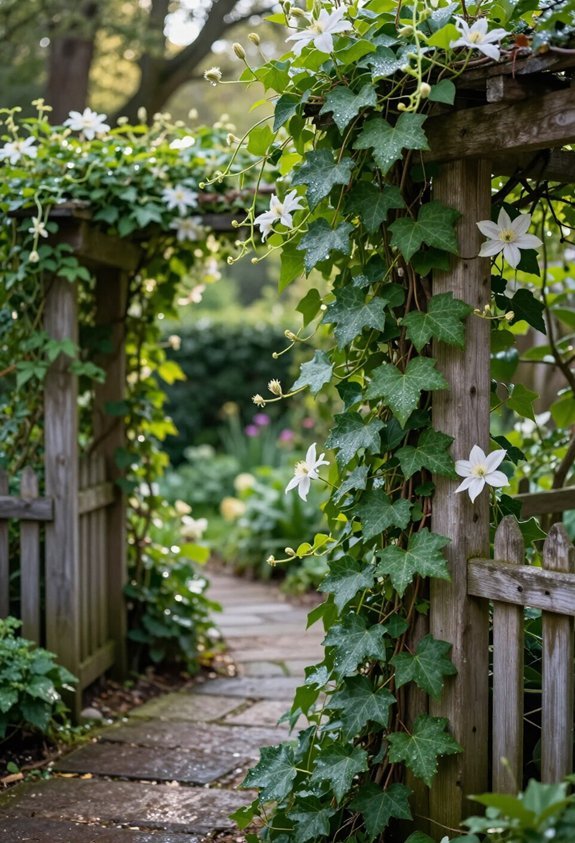
Climbing plants offer an effective method for concealing unsightly boundaries, fences, and walls while simultaneously adding vertical greenery and visual interest to outdoor spaces. Gardeners should select climbing varieties suited to their climate and sunlight conditions, such as ivy, clematis, or climbing roses, which attach naturally to structures through tendrils or aerial rootlets. Installing trellises, arbors, or wire frameworks along fence lines provides necessary support for plant growth and directional training. Regular pruning encourages dense foliage development while maintaining desired shapes and coverage patterns. Gardeners must water climbing plants consistently during establishment periods and monitor growth to prevent overgrowth onto rooflines or structures requiring protection. This strategic approach transforms functional boundaries into lush, living features that enhance privacy and aesthetic appeal throughout the backyard landscape.
Build a Shade Garden Under Mature Trees
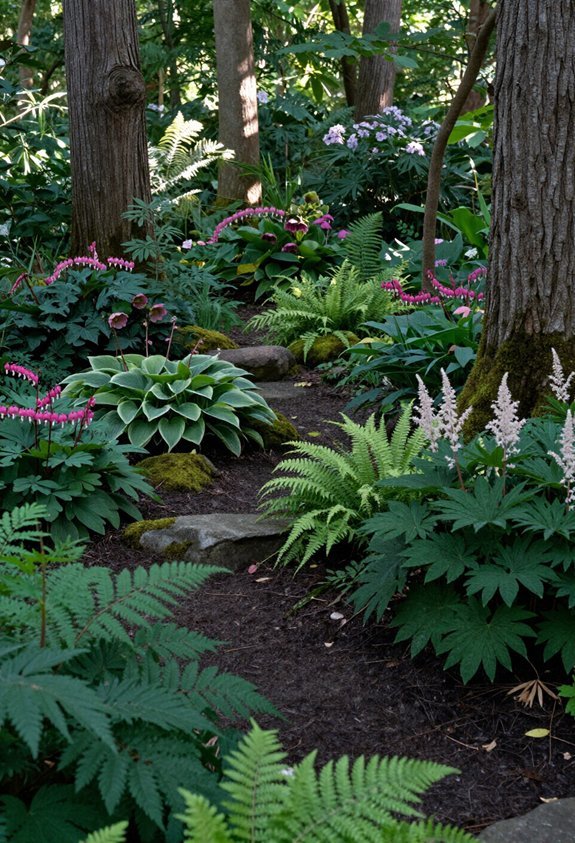
While mature trees provide valuable shade and structure to backyard landscapes, the ground beneath them often remains underutilized due to insufficient sunlight and root competition. Creating a shade garden transforms this space into a productive growing area by selecting appropriate plants adapted to low-light conditions. Hostas, ferns, and shade-tolerant groundcovers thrive in these environments and require minimal maintenance once established. Before planting, amend the soil with compost to improve its quality and water retention, counteracting the drying effects of tree roots. Space plants adequately to reduce competition for water and nutrients, and apply mulch around them to conserve moisture. Regular watering during dry periods guarantees successful establishment, while periodic pruning of lower tree branches gradually increases light penetration, allowing the shade garden to flourish.
Choose Shade-Tolerant Plants for Dark Corners
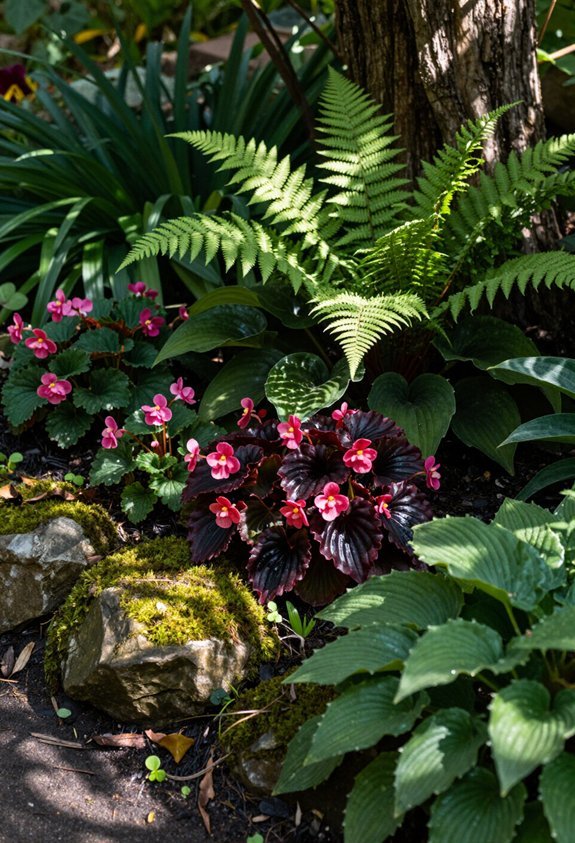
Dark corners of a backyard present unique challenges that require careful plant selection, as many popular garden varieties demand direct sunlight to grow well. Shade-tolerant plants such as hostas, ferns, and coral bells thrive in low-light conditions and develop vibrant foliage without abundant sun exposure. Impatiens and begonias produce delicate flowers in shaded areas, adding color and visual interest to otherwise dim spaces. Groundcovers like ajuga and creeping jenny spread across dark corners, creating dense, attractive plant coverage that suppresses weeds. Shade-loving shrubs including boxwood and yew provide structural framework and year-round greenery. When selecting plants for dark corners, gardeners should research specific light requirements, soil preferences, and moisture needs to guarantee successful establishment and long-term growth in these challenging garden locations.
Layer Hostas, Ferns, and Shade-Loving Textures
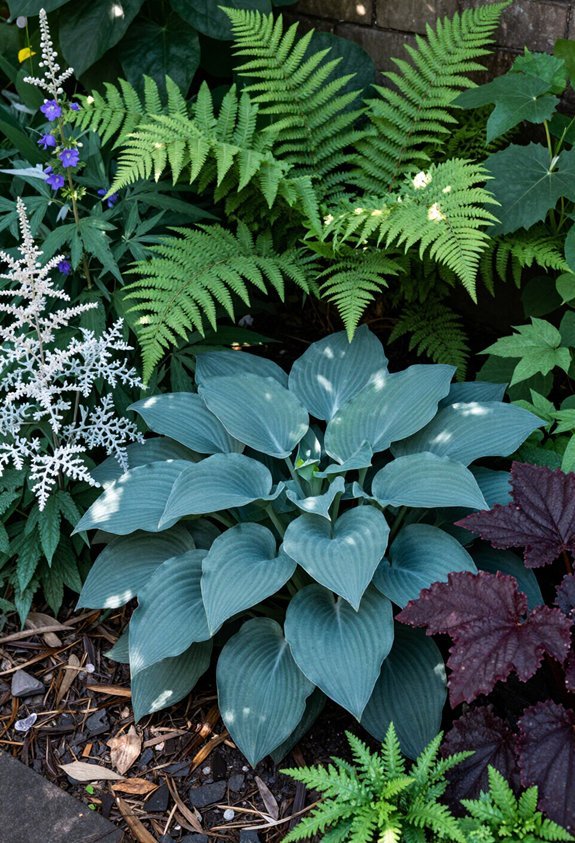
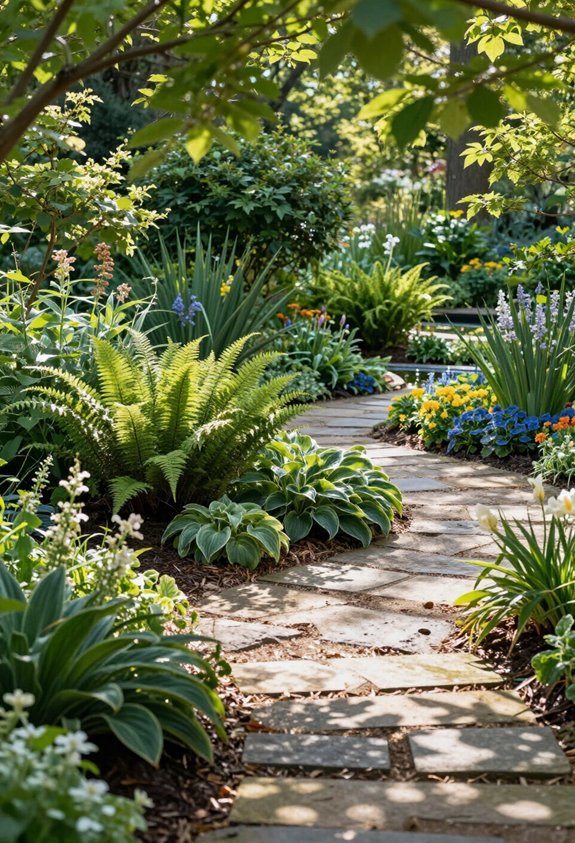
Creating depth and visual interest in shaded garden areas requires layering plants with complementary textures and growth habits, a technique that transforms flat, monotonous spaces into dynamic garden zones. Hostas serve as excellent foundational plants, offering large, textured leaves in various colors and patterns that provide structural backbone to shade gardens. Ferns add delicate, feathery foliage that contrasts sharply with hostas’ bold forms, creating visual complexity. Layering these plants at different heights—positioning taller specimens behind shorter varieties—establishes dimension and prevents crowding. Additional shade-tolerant plants with varied textures, such as coral bells with their colorful foliage or astilbe with its airy plumes, further enhance the composition. Strategic placement of these complementary textures generates visual movement throughout the shaded space, making the garden appear more expansive and sophisticated.
Use Pale Foliage to Brighten Dim Zones
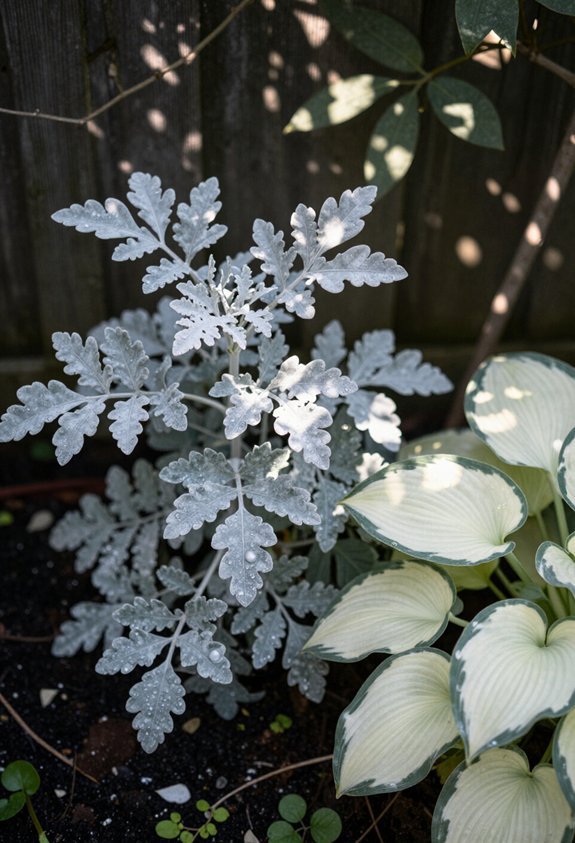
Pale foliage plants serve as natural light sources in shaded garden areas, reflecting available sunlight and creating the illusion of brightness in otherwise dim zones. Plants with silver, cream, or white-variegated leaves, such as hostas with pale edges, Japanese forest grass, and coral bells, effectively brighten shadowy spots without requiring direct sun exposure. These lighter-colored leaves absorb less heat than dark green varieties, making them particularly suitable for cooler, shaded locations. When strategically placed throughout dim garden sections, pale foliage creates visual pathways and focal points that draw the eye, making spaces appear larger and more luminous. Combining pale foliage with darker shade plants establishes contrast, further enhancing the brightening effect and adding visual interest to otherwise monotonous shaded areas.
Install Shade-Tolerant Groundcovers for Quick Fill
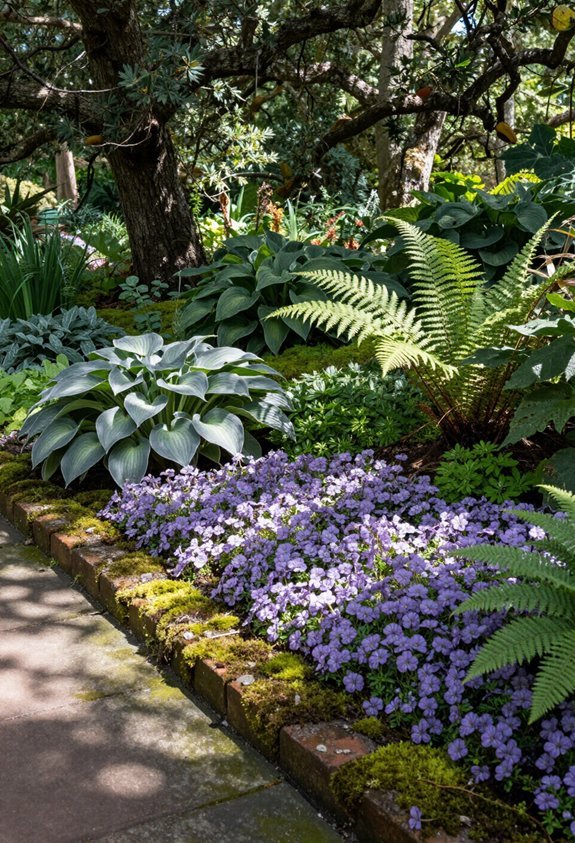
Shade-tolerant groundcovers offer an efficient solution for filling bare patches and covering large areas in dim garden zones where grass and sun-loving plants struggle to thrive. These low-growing plants spread horizontally across soil, suppressing weeds while creating a cohesive garden appearance without requiring constant maintenance. Popular options include creeping jenny, ajuga, and pachysandra, each thriving in various light conditions and soil types. When installing groundcovers, gardeners should prepare soil by removing existing vegetation and adding organic matter to improve drainage and nutrient content. Spacing plants according to their mature width guarantees complete coverage within one to two growing seasons. Regular watering during establishment, combined with occasional trimming, promotes healthy growth and prevents groundcovers from encroaching on neighboring plants, resulting in a polished, well-maintained garden aesthetic.
Layer Evergreens With Seasonal Bloomers
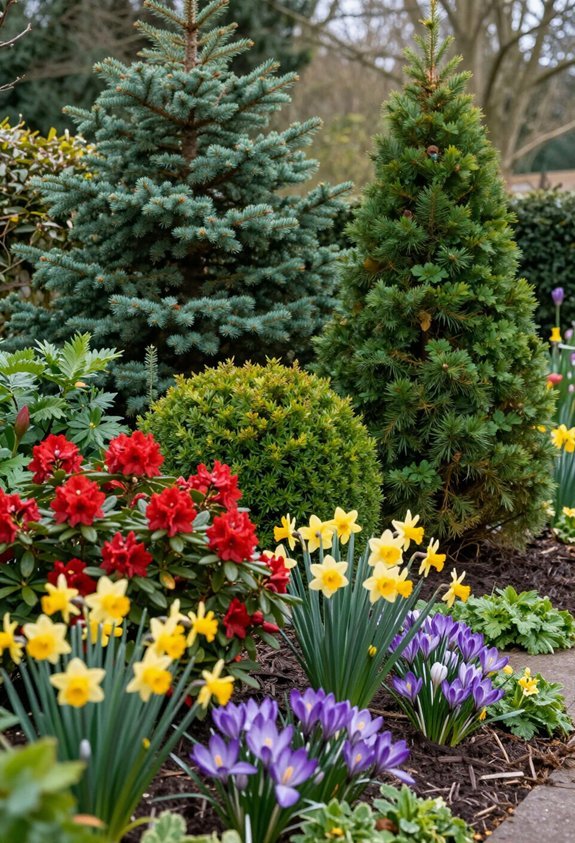
While groundcovers provide reliable year-round coverage in shaded areas, layering evergreen plants with seasonal bloomers creates visual interest and guarantees the garden maintains color and texture throughout all four seasons. Evergreens like boxwood, holly, and dwarf conifers form a permanent structural foundation, providing consistent green foliage during winter months when deciduous plants appear bare. Seasonal bloomers, such as spring-flowering hellebores, summer hydrangeas, and fall asters, can be planted among these evergreens to introduce dynamic color changes. This layering technique maximizes garden depth and prevents monotonous appearance, as different plants reach their peak visual appeal at different times. Gardeners should select bloomers with varying heights and bloom times to secure continuous seasonal changes, creating a sophisticated, well-orchestrated landscape that remains visually engaging year-round.
Pair Flowering Shrubs With Neutral Backdrops
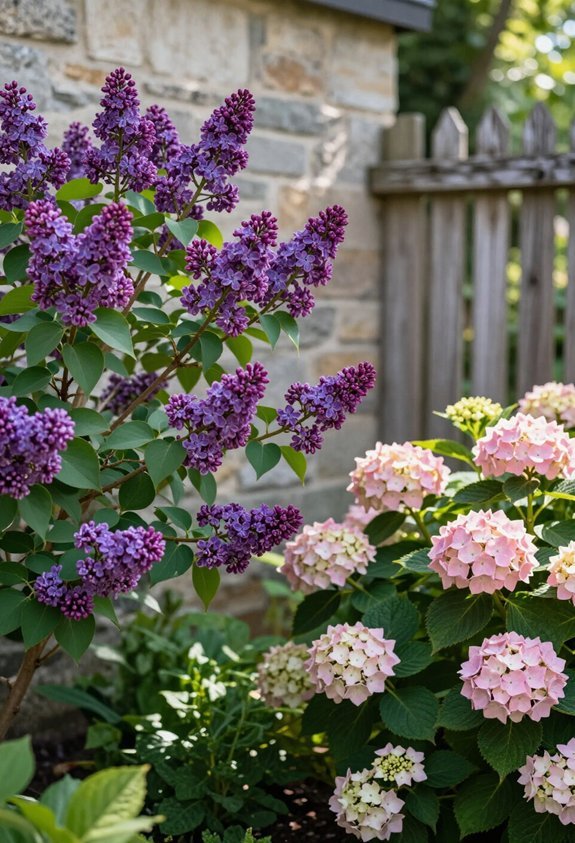
Flowering shrubs truly stand out when positioned against neutral-colored backgrounds that do not compete for visual attention, allowing the blooms themselves to become the focal point of the garden design. Neutral backdrops, such as gray fences, tan walls, or green hedges, create an ideal canvas that emphasizes the vibrant colors and delicate textures of flowering plants. When gardeners select shrubs with striking blooms—including roses, hydrangeas, or lilacs—and place them strategically against these understated backgrounds, the flowers gain maximum visibility and impact. This design approach simplifies the visual landscape, reducing clutter and drawing the eye directly to the botanical features that gardeners wish to highlight. Consequently, even modest flowering shrubs appear more dramatic and purposeful within the overall garden composition.
Choose Foliage Plants for Greenery When Blooms Fade
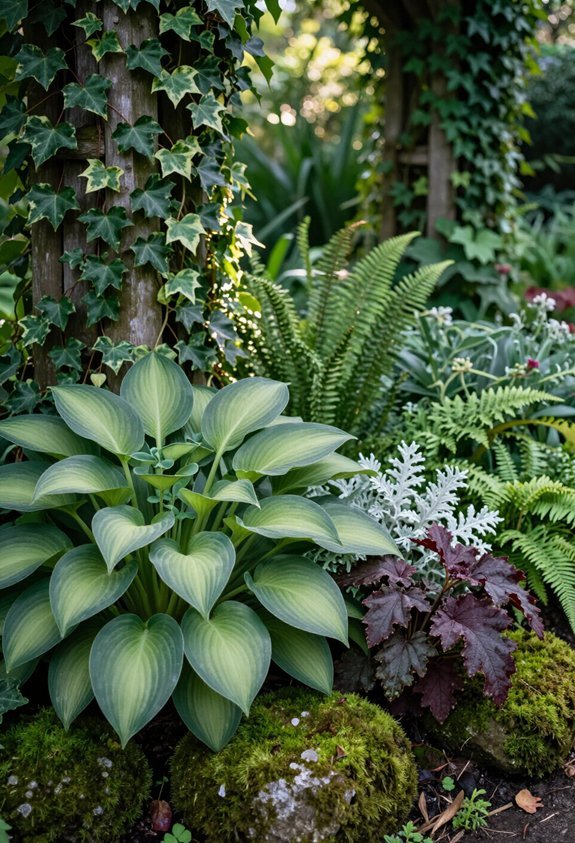
Garden designers recognize that flowering shrubs provide visual interest for only a portion of the year, making it essential to incorporate foliage plants that maintain structure and color throughout the seasons when blooms are not present. Foliage plants like hostas, ferns, and ornamental grasses offer texture and depth that sustain garden appeal during dormant periods. These plants thrive in various light conditions and soil types, providing flexibility in garden design. Selecting foliage with varying leaf colors, such as burgundy, chartreuse, or variegated patterns, creates visual contrast without relying on flowers. Additionally, evergreen foliage plants maintain year-round presence, preventing gardens from appearing bare during winter months. By strategically combining flowering shrubs with complementary foliage plants, gardeners establish lush, dynamic landscapes that remain visually engaging across all seasons.
Mix Annuals and Perennials for Continuous Color
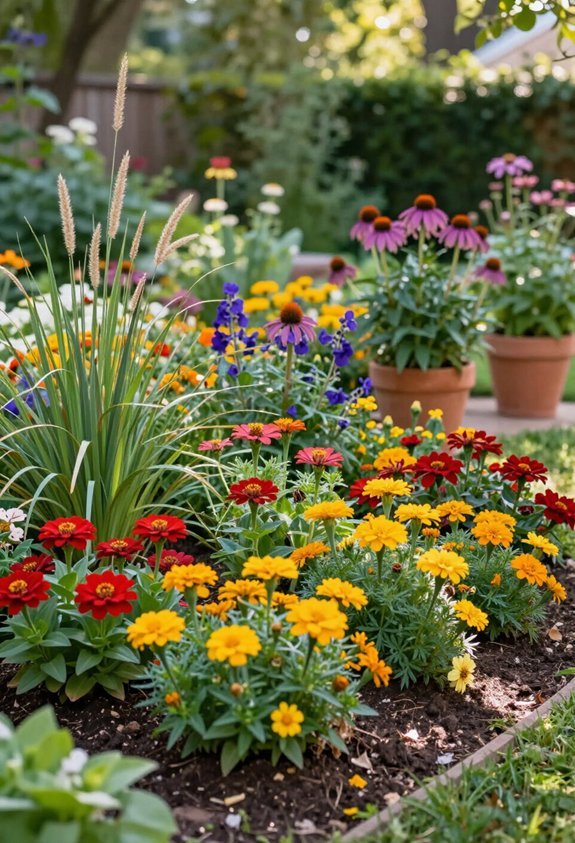
Because annual flowers complete their life cycle within a single growing season while perennial plants return year after year, combining these two types of plants creates a garden that displays continuous blooms from spring through fall. Gardeners should plant perennials as the foundation of their garden beds, since these reliable plants provide structure and return predictably each season. Annual flowers then fill the spaces between perennials, offering vibrant colors during their growing months. This strategic layering guarantees that when certain perennials finish blooming, annuals maintain visual interest and color throughout the garden. By selecting annuals and perennials with staggered bloom times, gardeners create a dynamic landscape where flowers continuously replace one another, preventing bare or dull periods in the yard.
Select Fast-Growing Plants for Instant Impact
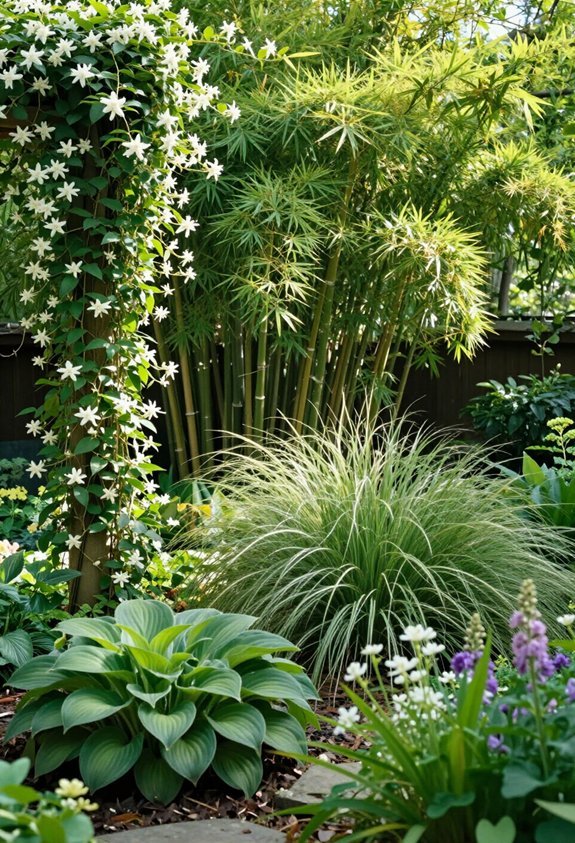
While newly planted gardens often appear sparse and incomplete during their first growing season, fast-growing plants offer an effective solution to fill spaces quickly and create a fuller, more established appearance in just weeks or months. Gardeners can select varieties such as zinnias, sunflowers, and marigolds, which reach mature height rapidly and produce abundant flowers. Climbing vines like morning glories and clematis cover walls and trellises efficiently, providing vertical interest without lengthy waiting periods. Fast-growing shrubs such as butterfly bush and hydrangea similarly establish themselves quickly, forming substantial foliage and blooms. When combined strategically with slower-growing perennials and trees, these vigorous plants bridge the gap between planting and maturity, allowing gardeners to enjoy lush, vibrant landscapes immediately while permanent plantings develop beneath them.
Build Depth by Layering Plants by Height
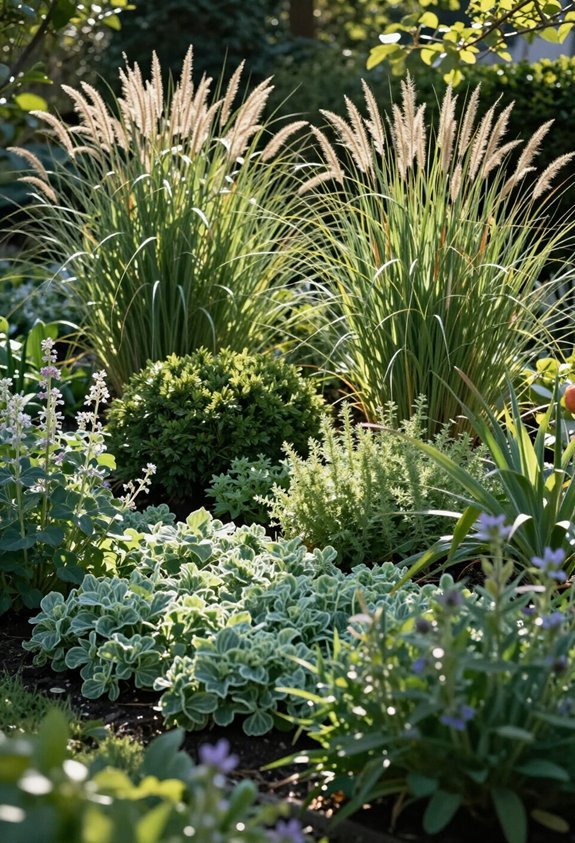
Strategic layering of plants according to their mature heights creates visual depth and dimension in backyard gardens, transforming flat landscapes into dynamic compositions that draw the eye through multiple planes. Gardeners should position tall plants, such as trees or shrubs, toward the back or center as anchors, medium-height plants in the middle layer for succession, and low-growing ground covers or flowers in the front for accessibility and viewing. This tiered arrangement prevents overcrowding, guarantees all plants receive adequate sunlight, and allows each specimen to showcase its characteristics without obstruction. By understanding each plant’s eventual size and spacing accordingly, gardeners create layered gardens that appear fuller, more organized, and visually interesting from every angle throughout the growing season.
Use Color Contrast to Create Garden Drama
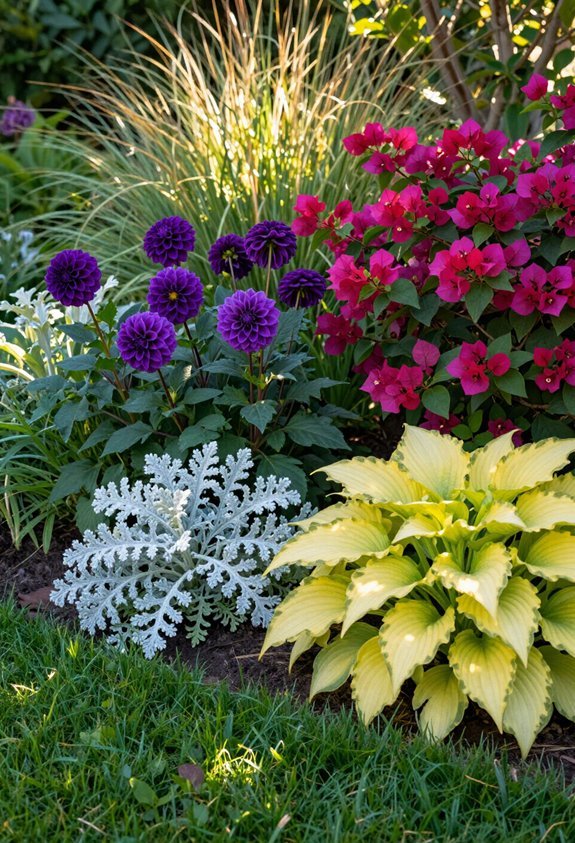
Once gardeners have established a well-structured garden with plants arranged in complementary layers, they can further enhance the visual appeal by introducing color contrast, which creates dramatic focal points and guides the viewer’s eye through the landscape. Pairing complementary colors—such as purple flowers with yellow blooms or red foliage with green plants—produces striking visual effects that capture attention immediately. Gardeners should consider using bold, saturated hues in strategic locations to draw focus toward specific areas, while softer, muted tones can provide visual rest and balance. Seasonal color changes offer opportunities to refresh the garden’s appearance throughout the year. By thoughtfully selecting plant colors and arranging them with intentional contrast, gardeners transform ordinary landscapes into visually compelling outdoor spaces that showcase depth, dimension, and deliberate design.
Combine Leaf Shapes and Sizes for Texture
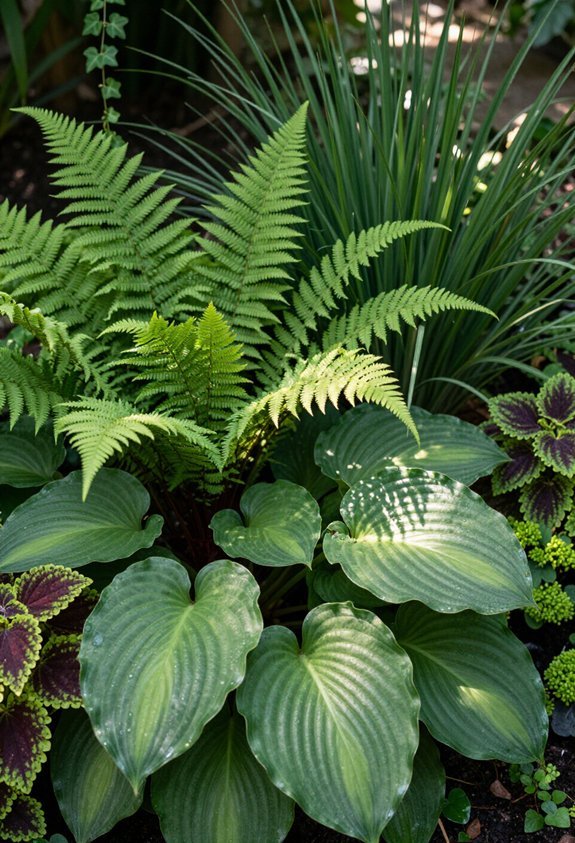
Beyond color, the texture created by different leaf shapes and sizes plays an equally important role in establishing visual interest and depth throughout a garden space. Pairing broad, flat leaves with delicate, feathery foliage creates striking contrasts that draw the eye and prevent monotony. Large-leafed plants like hostas or elephant ears provide bold focal points, while finely textured plants such as asparagus ferns or ornamental grasses add airiness and movement. Gardeners should arrange these contrasting textures in clusters or drifts, allowing each plant type to highlight the unique characteristics of its neighbors. By strategically combining various leaf forms throughout the garden, designers create dynamic compositions that maintain visual appeal even when flowering plants fade.
Add Vining Plants for Vertical Motion
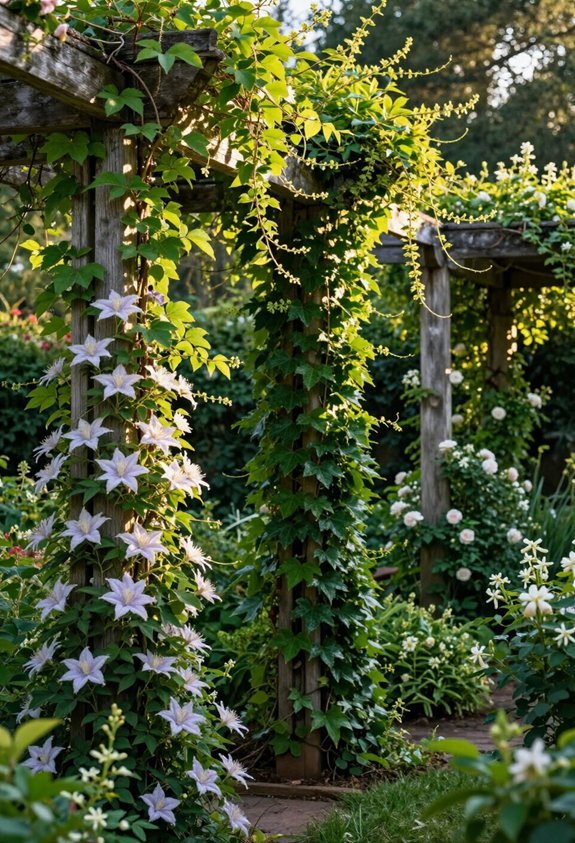
While horizontal layers of foliage create the foundation of garden design, the addition of vining plants introduces essential vertical dimension that transforms a flat landscape into a multi-level composition with greater visual complexity and spatial depth. Vining plants such as clematis, honeysuckle, and climbing jasmine grow upward along trellises, arbors, and fences, utilizing otherwise empty garden space. These climbing varieties serve multiple functions: they soften hardscape elements, provide shade structures, and create natural screens for privacy. When selecting vining plants, gardeners should consider their growth habits, light requirements, and mature heights to guarantee proper placement. Installing sturdy support structures before planting prevents damage and allows vines to establish secure attachments, ultimately creating cohesive vertical gardens that enhance overall landscape aesthetics.
Design Pathways That Frame Garden Layers
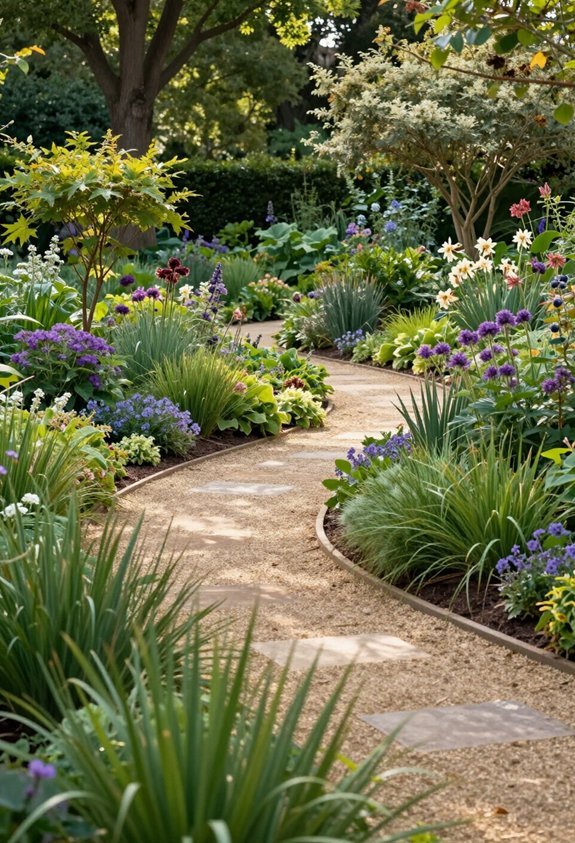
Pathways serve as the structural framework that connects different garden layers while guiding visitors through the landscape in a purposeful and organized manner. By strategically placing walkways between planting beds, gardeners create defined zones that separate ground-level flowers from mid-height shrubs and towering trees above. Materials like gravel, stepping stones, or mulch offer practical options for constructing these routes, each contributing distinct visual textures to the garden design. Curved pathways encourage exploration and create the illusion of expanded space, whereas straight paths provide efficient navigation through densely planted areas. Well-designed pathways also improve accessibility for maintenance tasks and allow adequate air circulation among plants. The intentional placement of these routes transforms a garden into a cohesive, layered composition that feels both organized and inviting.
Create a Pollinator Garden With Native Plants
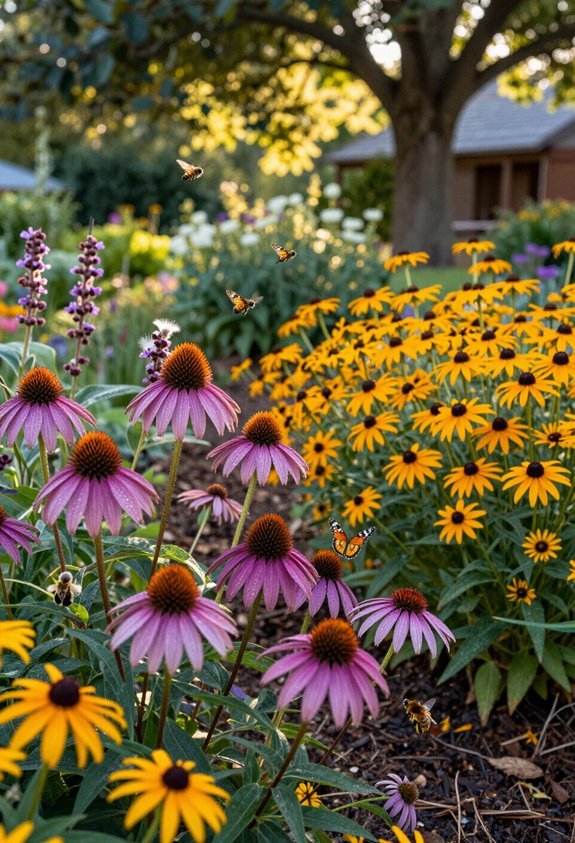
Native plants serve as the foundation of a thriving pollinator garden because they have evolved alongside local bees, butterflies, and other beneficial insects, creating natural partnerships that support both the plants and their pollinators. When selecting native plants, gardeners should research which species grow naturally in their specific region, since these plants require less maintenance and provide the nectar and pollen that local pollinators need for survival. Planting diverse native species that bloom at different times throughout the growing season guarantees pollinators have consistent food sources from spring through fall. Grouping plants by color and height creates visual organization while maximizing pollinator access. Avoiding pesticides and providing water sources further supports these essential garden visitors, transforming a backyard into an ecosystem that sustains both plant life and pollinator populations effectively.
Build a Rain Garden for Sustainable Water Management
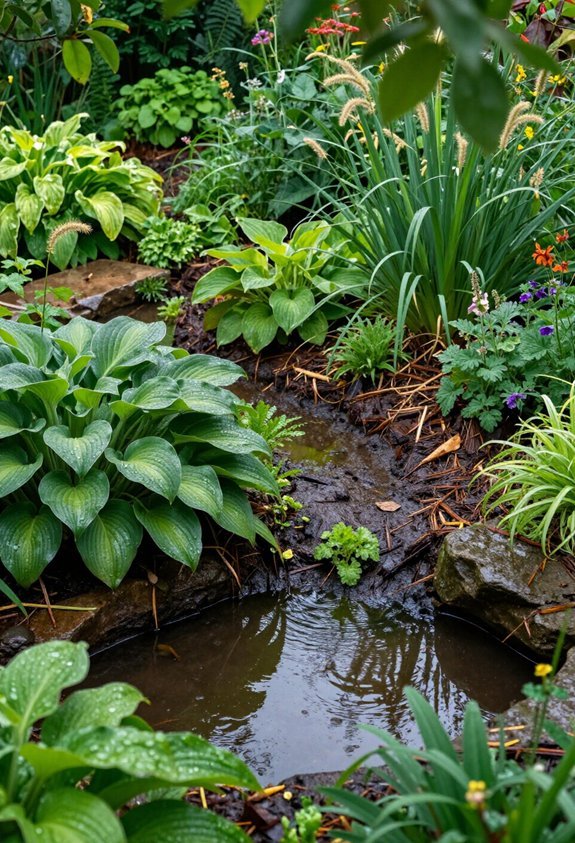
Rain gardens capture and filter stormwater runoff from roofs, driveways, and other hard surfaces, reducing the amount of water that flows into storm drains and allowing it to infiltrate gradually into the soil where it replenishes groundwater supplies and reduces flooding. To build a rain garden, gardeners should select a low-lying area at least 4 to 8 feet away from home foundations, then dig a shallow basin 4 to 8 inches deep. Filling this basin with native plants, gravel, and mulch creates a natural filtration system that removes pollutants while water soaks downward. This sustainable approach manages excess water efficiently, protects local waterways from contamination, and supports the landscape’s natural water cycle. Rain gardens transform outdoor spaces into functional environmental assets.
Pair Seating Areas Within Planting Beds
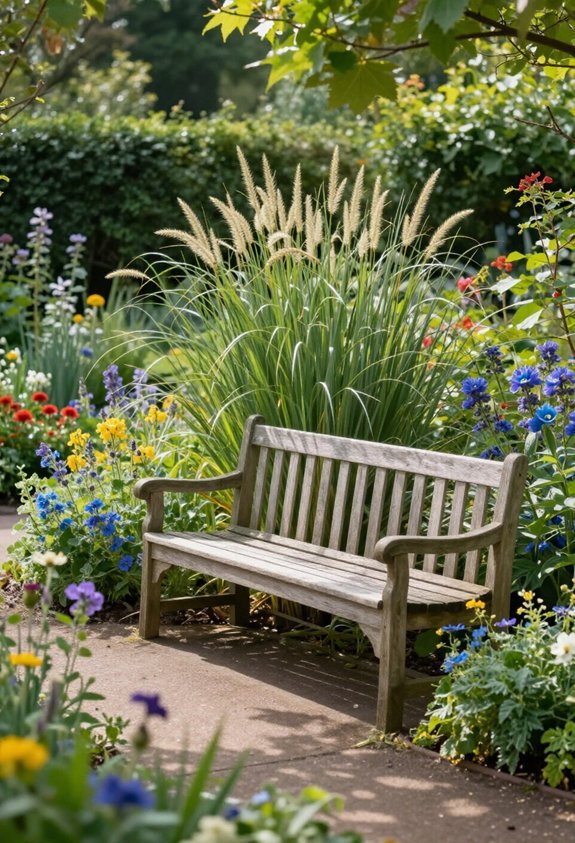
Creating designated seating areas within planting beds transforms a garden into a functional retreat where gardeners and visitors can rest while surrounded by growing plants and flowers. Strategically positioned benches or chairs nestled among beds provide comfortable vantage points for observing garden progress, reading, or simply enjoying natural surroundings. When selecting seating locations, gardeners should consider sunlight patterns, proximity to water sources, and accessibility from main pathways. Installing stepping stones or pavers around seating areas prevents soil compaction and maintains organized movement through planting zones. Materials like stone, wood, or metal can complement garden aesthetics while withstanding outdoor weather conditions. This integration of functional seating within planting beds encourages regular garden engagement, allowing occupants to monitor plant health, identify pest issues, and appreciate the evolving landscape throughout growing seasons.
Install Low-Voltage Lighting to Showcase Design
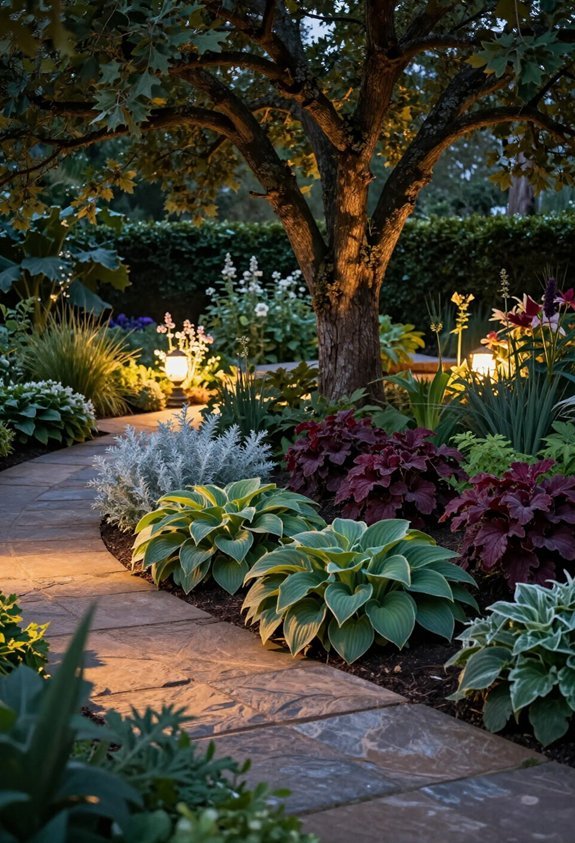
Low-voltage lighting systems offer an excellent way to extend the visual appeal of a backyard garden into evening hours while highlighting the design elements and seating areas that were carefully positioned throughout the landscape. These systems use minimal electricity, making them both cost-effective and environmentally responsible choices for homeowners. Path lights guide visitors safely through garden sections, while uplighting beneath trees creates dramatic shadows and depth. Spotlights can emphasize focal points like water features or architectural structures. String lights draped overhead establish ambiance and define outdoor rooms. Installing these lights requires burying cables along garden beds and pathways, positioning fixtures strategically to avoid creating harsh glare. Properly placed lighting transforms the garden into a welcoming nighttime destination.
Automate Watering With Drip Irrigation
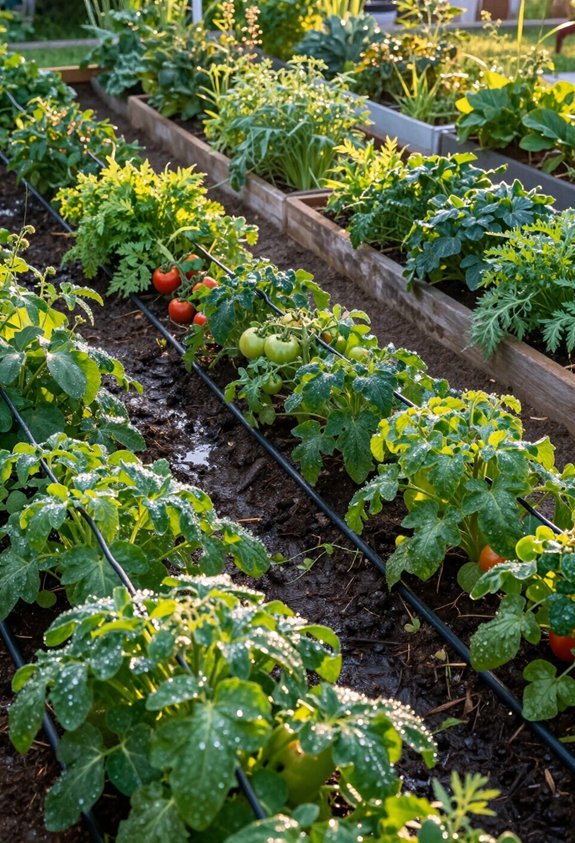
Drip irrigation systems deliver water directly to plant roots through a network of tubing and emitters positioned near the soil surface, eliminating the waste that occurs with traditional overhead watering methods. These systems can be installed above or below ground, depending on garden layout and preference. Timers control water delivery automatically, releasing water at specific intervals throughout the day or week. This consistent moisture level promotes healthier plant growth and stronger root development. Gardeners benefit from reduced water consumption, lower utility bills, and decreased disease risk since leaves remain dry. Installation involves connecting main supply lines to smaller tubes that branch toward individual plants, then positioning emitters at each location. Regular maintenance, including checking for clogs and adjusting water pressure, guarantees ideal system performance throughout growing seasons.
Design Narrow Beds Along House Foundations
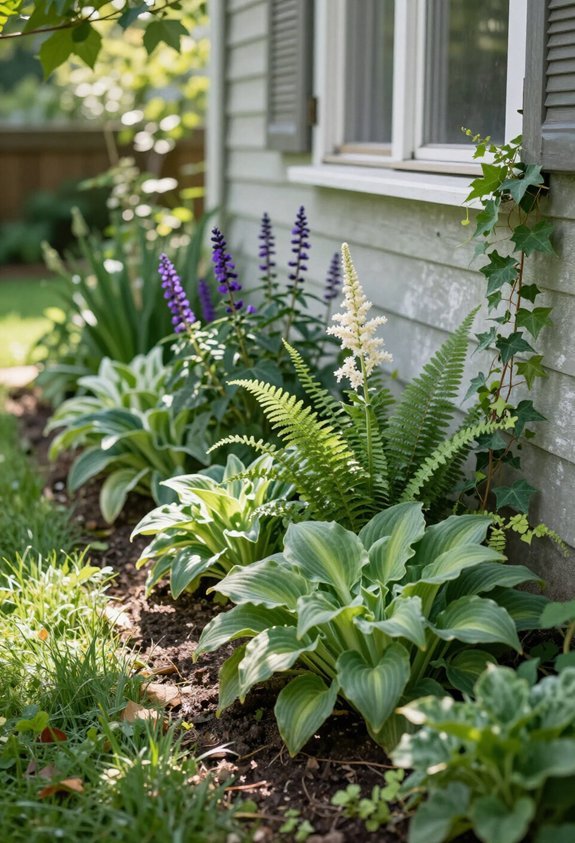
Narrow planting beds positioned along house foundations provide an excellent way to maximize garden space while complementing the drip irrigation systems installed throughout the yard, since these linear gardens can easily connect to the same automated watering setup that serves larger garden areas. Homeowners should measure the available space carefully, typically ranging from two to four feet wide, ensuring adequate room for plant growth and maintenance access. Soil preparation is critical; amending native soil with compost creates a nutrient-rich foundation for vegetables, herbs, or flowering plants. Selecting shade-tolerant species suits foundation beds that receive limited direct sunlight from the house structure. This strategic placement utilizes otherwise unused space while maintaining visual balance and creating a cohesive garden design throughout the landscape.
Group Plants by Light and Water Requirements
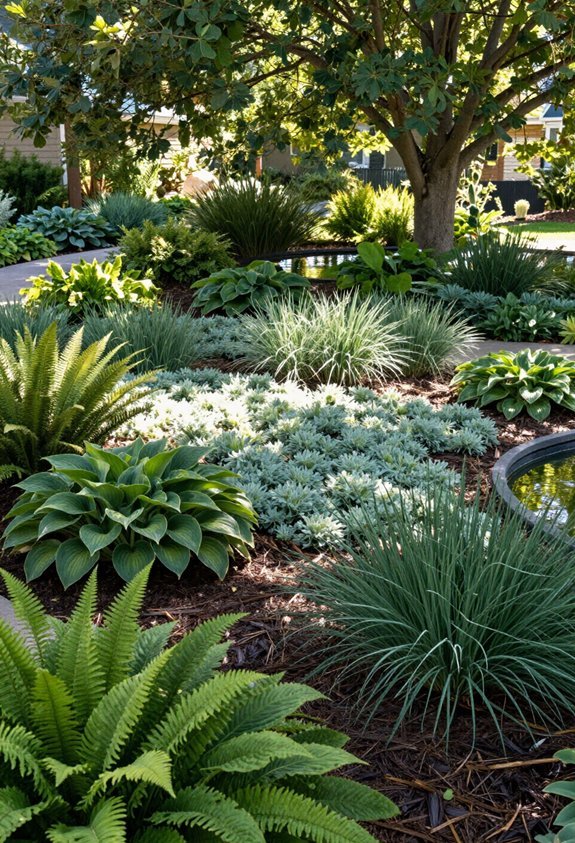
To create a thriving backyard garden that requires minimal maintenance and produces healthy plants, gardeners should organize their plantings based on shared environmental needs, clustering together species that demand similar amounts of sunlight and water. This strategic grouping prevents overwatering shade-loving plants or under-watering sun-dependent varieties, which commonly occurs when incompatible plants grow together. Gardeners should map their yard’s sunlight patterns throughout the day, identifying full-sun areas receiving six or more hours of direct light and shaded zones beneath trees or structures. Next, they should categorize plants into groups: sun-lovers, partial-shade tolerant species, and shade-adapted varieties. Similarly, grouping drought-resistant plants separately from moisture-loving specimens guarantees each receives appropriate irrigation, reducing waste and promoting ideal growth throughout the garden.
Frequently Asked Questions
How Often Should I Water My Backyard Garden in Hot Summer Months?
During hot summer months, gardeners should water their backyard garden daily or every other day, depending on soil moisture and plant types. Early morning watering is ideal to minimize evaporation and disease risk while keeping plants hydrated throughout heat stress.
What’s the Best Time of Year to Plant a New Backyard Garden?
Spring and fall represent ideal planting seasons for backyard gardens. Spring offers warming soil and increasing daylight, while fall provides cooler temperatures reducing transplant stress. Summer planting requires intensive watering; winter is generally unsuitable.
How Do I Prevent Common Garden Pests Without Using Harmful Chemicals?
Gardeners can prevent pests naturally by introducing beneficial insects, using neem oil sprays, installing physical barriers, practicing crop rotation, removing infected plants promptly, and maintaining healthy soil rich in organic matter.
What Budget Should I Allocate for a Small Backyard Garden Project?
A small backyard garden typically requires $300-$1,000 initially, depending on size and features. Budget covers soil, seeds, tools, and materials. Ongoing maintenance costs approximately $50-$200 annually for supplies and replacements.
How Long Does It Take for Newly Planted Gardens to Look Established?
Most newly planted gardens require 2-3 years to appear fully established. During this period, plants develop stronger root systems, fill in spaces, and mature. Initial growth accelerates after the first season as plants acclimate to their environment.
Conclusion
By implementing these strategic gardening approaches—including vertical installations, raised beds, container arrangements, and automated irrigation systems—homeowners can transform limited outdoor spaces into thriving gardens. Grouping plants according to their specific light and water needs guarantees healthy growth, while climbing plants and low-voltage lighting enhance both functionality and visual appeal. These systematic methods maximize growing potential while maintaining sustainable practices throughout the entire garden design.