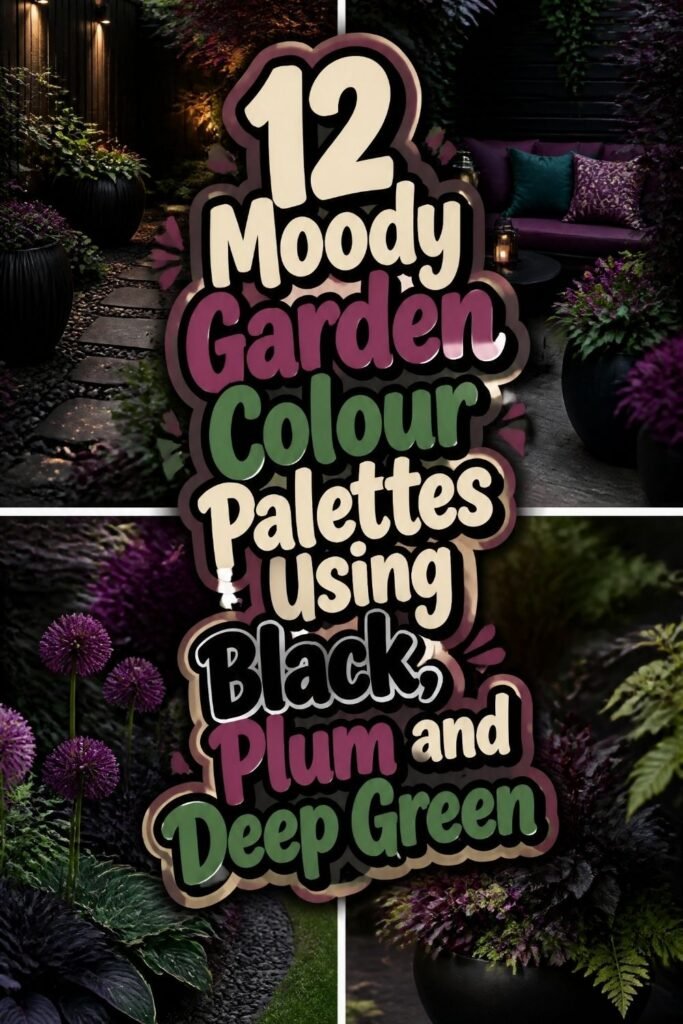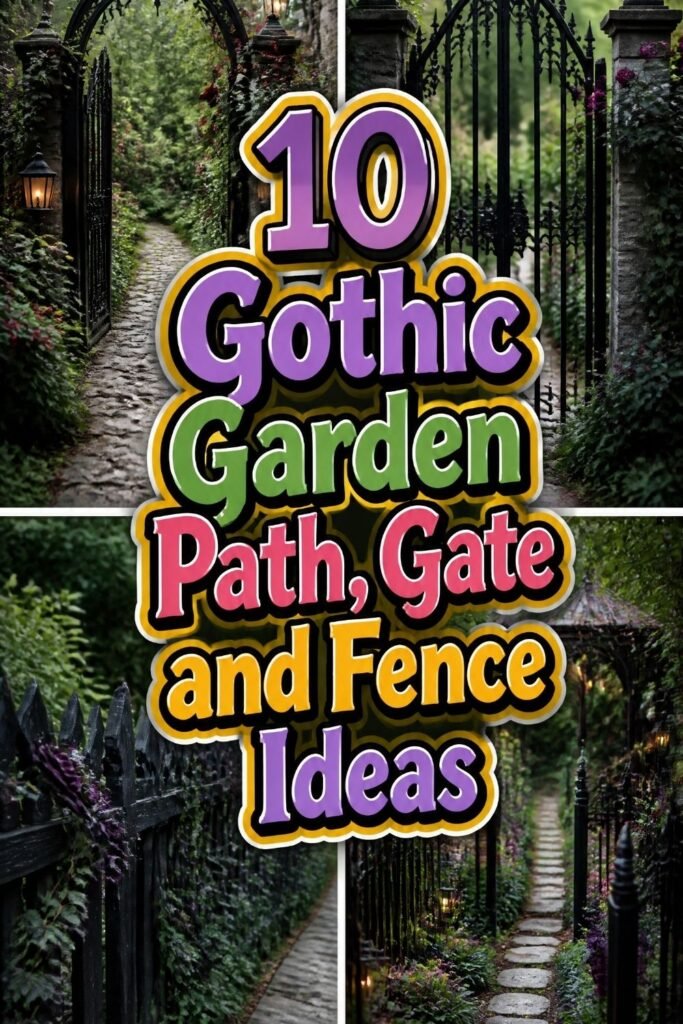
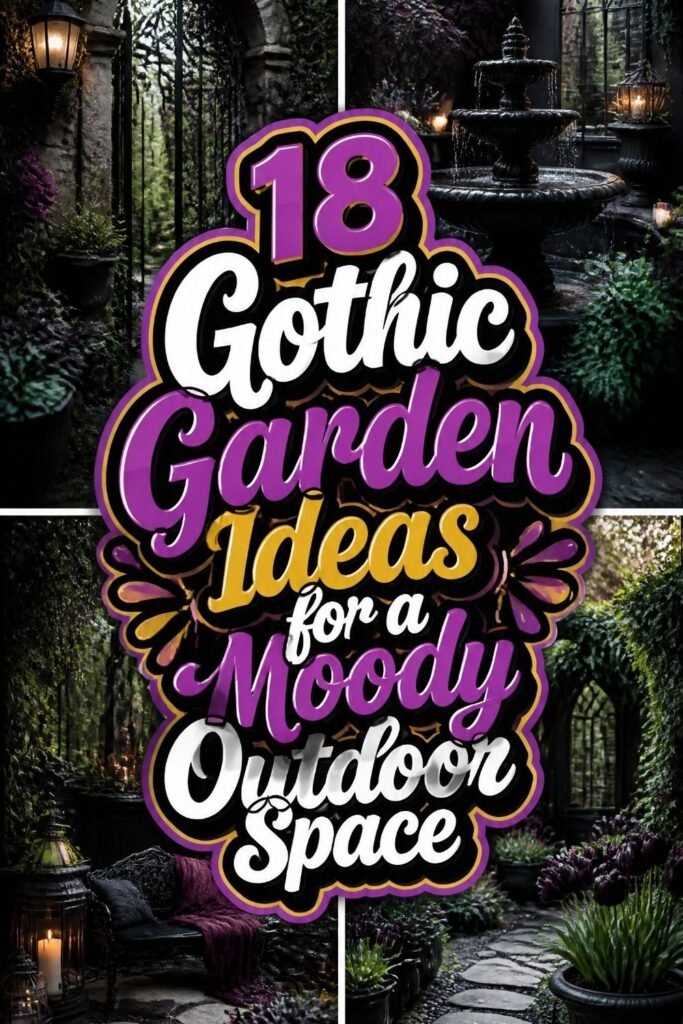
A gothic garden invites you into a world where shadow and texture take center stage. Dark foliage plants like black mondo grass, burgundy dahlias, and deep plum flowers build the foundation. These moody choices create depth that changes dramatically with shifting light.
Wrought-iron arbors draped in climbing vines add vertical drama to any outdoor space. Stone pathways meander with intention, while weathered urns and aged statuary provide focal points that feel discovered rather than placed. The structure should feel both deliberate and slightly untamed.
Lighting transforms everything after sunset. Strategic uplighting casts theatrical shadows across walls and plantings. A reflective pond or still water feature mirrors the sky and surrounding darkness, doubling the atmospheric effect.
Maintaining this aesthetic through every season requires thoughtful planning. Evergreen shrubs with dark foliage anchor the winter garden. Spring bulbs in deep purples and near-black varieties extend the palette. The following sections outline specific techniques to achieve this look throughout the year.
What Makes a Gothic Garden?
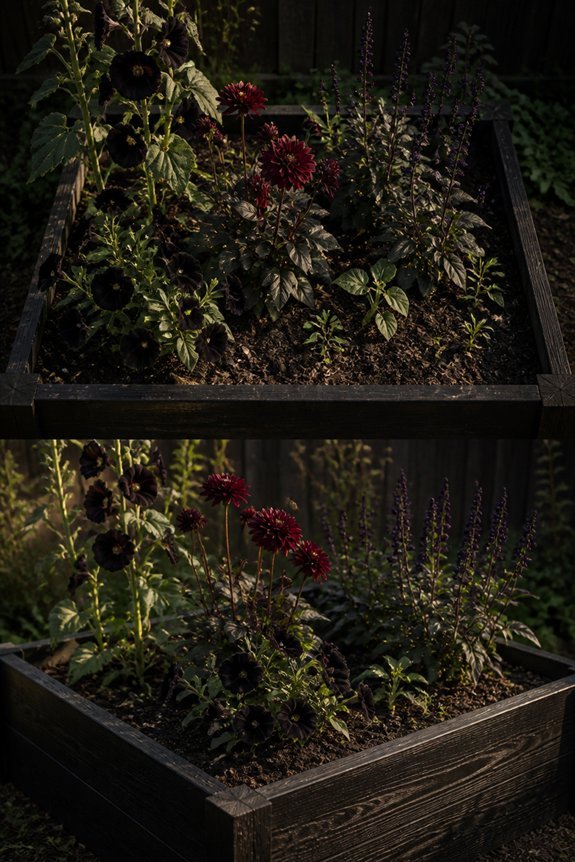
A gothic garden combines dark aesthetics, dramatic architecture, and moody plant selections to create an intentionally shadowed outdoor space. Key elements include black wrought-iron fencing, stone gargoyles, and ivy-covered structures.
Dark foliage plants like black petunias, burgundy dahlias, and deep purple hostas contribute to the somber atmosphere. Arches, pergolas, and ornamental gates serve as focal points, establishing the garden’s theatrical character through carefully arranged architectural features. Many gothic gardens incorporate fast-growing climbing plants such as pothos, philodendrons, and Swedish ivy to drape over structures, though these vigorous growers benefit from pre-winter pruning to maintain their dramatic, controlled appearance.
Black and Deep Purple Foliage Plants
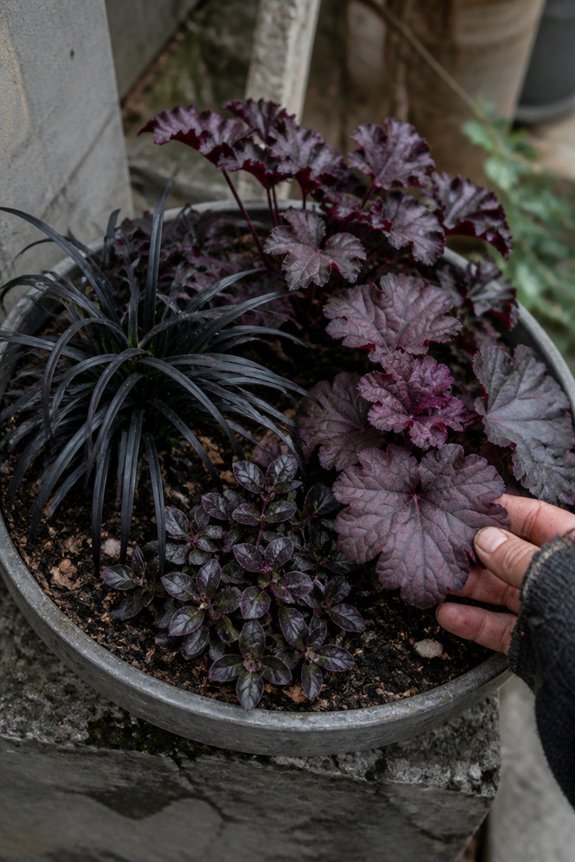
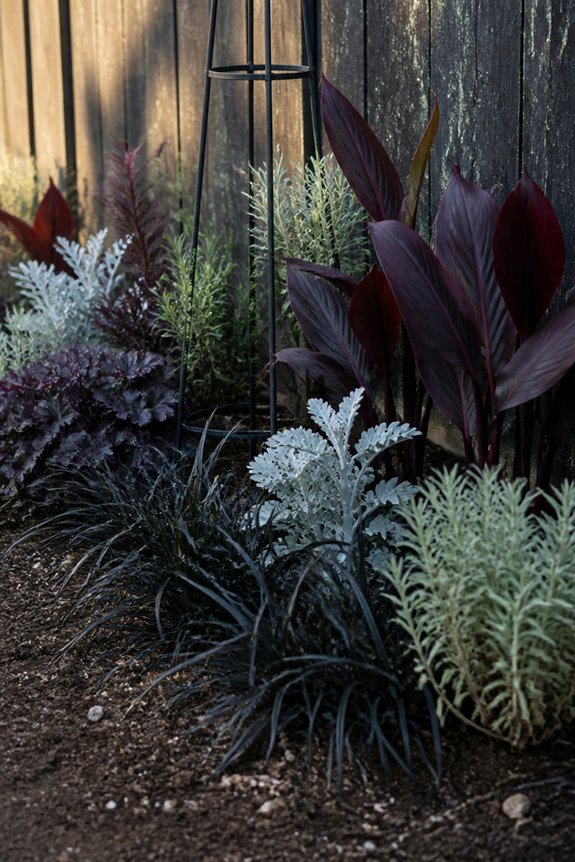
Many dark foliage plants serve as the visual foundation of a gothic garden, creating depth and contrast through their deep coloring. Black mondo grass, purple-leaved heuchera, and dark burgundy Japanese maples provide year-round dark tones. Ornamental sweet potato vine with black leaves and purple-tinged hostas add textural variety.
These plants work together to establish the moody aesthetic characteristic of gothic garden design.
Midnight Blooms: Flowers in Black, Burgundy, and Plum
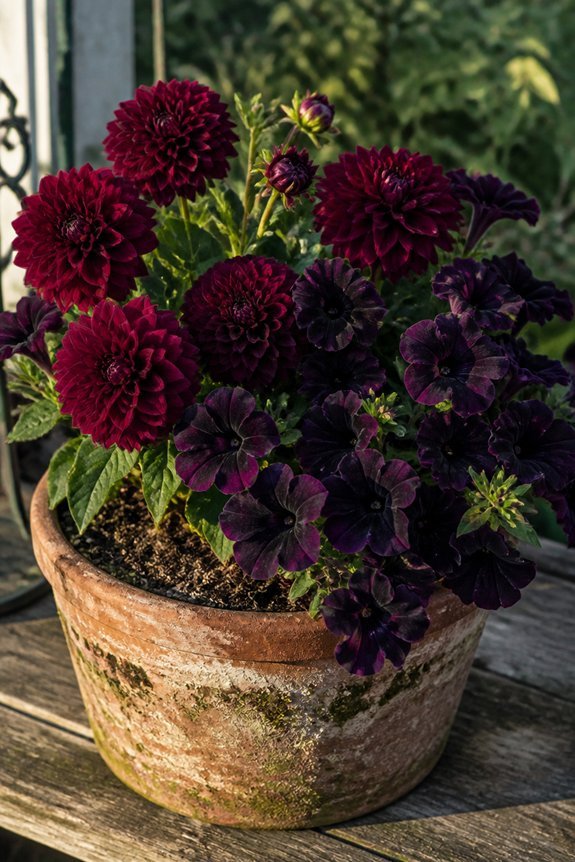
Dark flowers complement the shadowy foliage established in gothic gardens, intensifying the moody visual effect through rich, deep blooms. Black petunias, burgundy dahlias, and plum-colored roses provide suitable options for this aesthetic. Hellebores and dark tulip varieties also work effectively.
These flowers create visual depth and contrast against lighter elements, establishing a cohesive dark palette throughout the garden space.
Wrought-Iron Structures and Metal Accents

Ornamental metalwork forms a fundamental component of gothic garden design, providing structural elements and decorative details that enhance the overall aesthetic. Wrought-iron arbors, gates, and fencing create dark frameworks for climbing plants. Metal plant stands, obelisks, and sculptures add vertical interest. Copper weathervanes, iron benches, and cast-metal planters introduce functional accents.
These elements develop a cohesive, atmospheric garden environment reflecting gothic principles.
Gothic Archways and Ornamental Gates
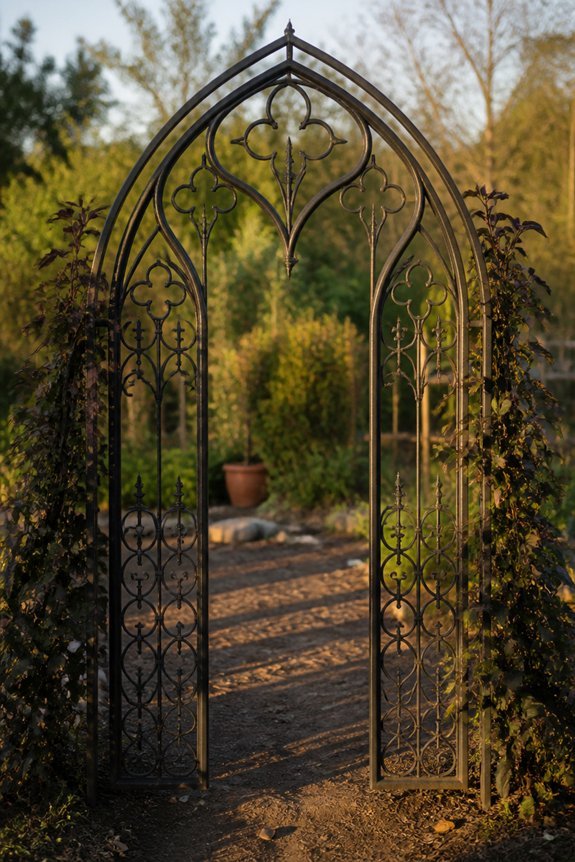
While wrought-iron structures provide the foundational framework of a gothic garden, archways and gates serve as prominent focal points that define spaces and control movement through the landscape. Black metal arches with pointed tops create vertical interest.
Ornamental gates featuring spear-topped finials, intricate scrollwork, and heavy iron construction establish clear boundaries. These elements function both as decorative features and practical garden dividers, directing visitors along intended pathways.
Dark Reflective Water Features

Stillness in a gothic garden often comes from water elements that mirror the sky, surrounding structures, and vegetation. Dark ponds, black-bottomed fountains, and reflective pools create moody focal points. These features work best when positioned near stone walls, iron fixtures, and shadowed plantings.
Still water amplifies the garden’s dramatic aesthetic while providing visual depth and atmospheric contrast throughout seasons.
Shadowy Stone Pathways and Pavers
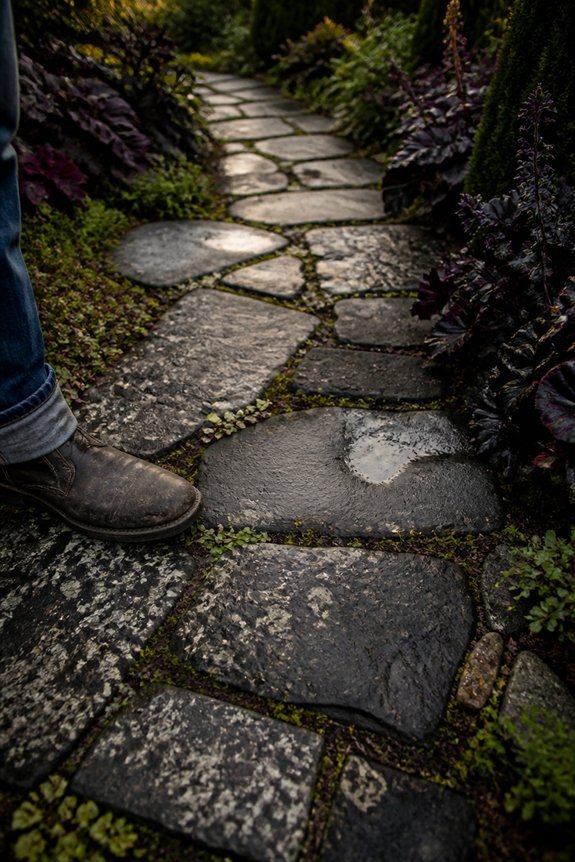
Because pathways guide movement through a garden, their material and placement greatly affect the overall gothic aesthetic. Dark slate, charcoal stone, and black granite create shadowy pathways that complement moody landscapes. Irregular flagstone patterns add visual interest and aged character.
Weathered pavers, arranged in geometric or winding designs, establish clear routes while maintaining atmospheric darkness. These materials absorb light effectively, enhancing the garden’s somber mood.
Atmospheric Lighting Techniques for Gothic Drama

Strategic lighting transforms a gothic garden by creating shadows, depth, and visual drama through carefully positioned fixtures. Uplighting on stone structures produces stark contrasts. Pathway lights guide visitors while maintaining mystery. Lanterns with flickering bulbs simulate candlelight. Spotlights directed at dark foliage create silhouettes.
Low-voltage systems offer control and efficiency. These techniques combine to establish atmosphere without excessive brightness.
Candlelit Corners: Lighting the Gothic Garden
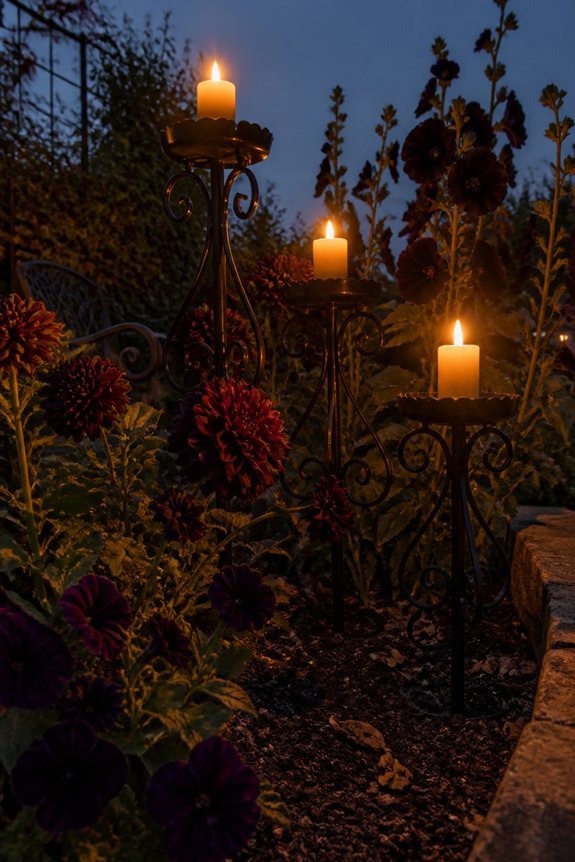
While atmospheric lighting techniques establish the overall mood of a gothic garden, candlelit corners offer a more intimate, focused approach to illumination.
Placing pillar candles in glass hurricanes along pathways creates contained pools of light. Grouped candles on stone pedestals or wrought iron stands establish focal points. Black or deep purple candleholders complement gothic aesthetics. Wind-resistant designs protect flames in outdoor settings.
Victorian-Inspired Garden Statuary and Sculptures

Victorian-inspired statuary and sculptures serve as focal points that anchor gothic garden design through deliberate placement and historical aesthetic choices. Consider stone angels, weeping maidens, or classical urns positioned at garden intersections.
These pieces create visual interest, establish mood, and guide viewer attention through outdoor spaces. Materials like weathered marble, cast iron, and aged bronze enhance the gothic aesthetic while providing durable garden elements.
Ornate Benches: Where to Sit in Your Gothic Retreat
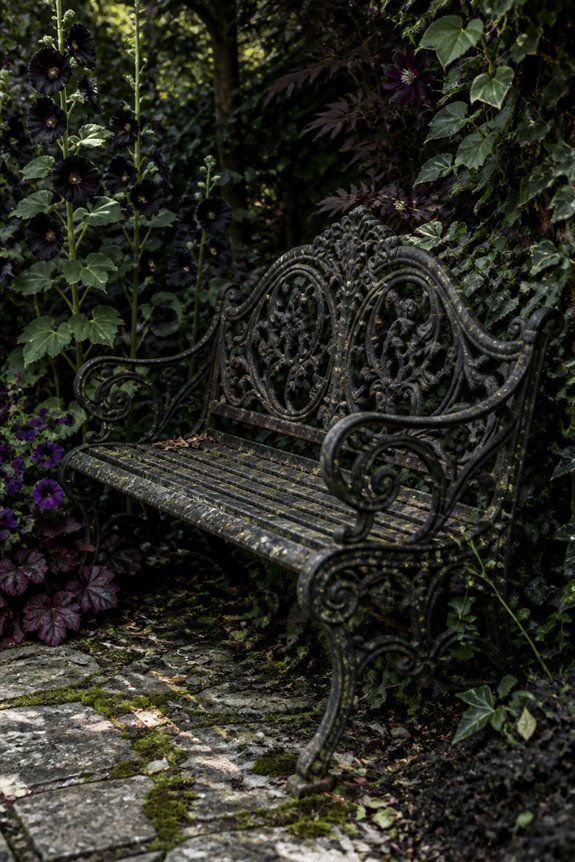
Ornate benches function as both practical seating and decorative elements within gothic garden spaces, complementing the sculptural focal points discussed previously. Iron benches with intricate scrollwork, wrought-iron frames, and dark finishes suit gothic aesthetics effectively.
Placement near stone statuary, beneath arbors, or along shadowed pathways creates intentional seating areas. Materials like cast iron, weathered wood, and slate accommodate the moody atmosphere while providing functional rest spots.
Toxic Plants in the Dark Garden

Because gothic gardens often feature dense plantings and shadowed corners, selecting plants requires careful consideration of toxicity levels, especially in spaces where children or pets may wander. Nightshade, foxglove, and oleander contain toxic compounds. Ivy and yew berries pose ingestion risks.
Thorny plants like roses and blackthorn require protective placement. Labeling dangerous species and positioning them away from high-traffic areas reduces exposure hazards effectively.
Cemetery Garden Elements and Graveyard Aesthetics
Gravestones, monuments, and memorial structures form the foundation of cemetery garden design, creating focal points that organize the overall landscape. Iron gates, wrought-iron fencing, and stone benches enhance the somber aesthetic. Pathways of gravel or slate guide visitors through the space.
Weathered statuary, crosses, and urns add authentic graveyard character. Ivy-covered walls and moss-covered stones reinforce the aged, melancholic atmosphere desired in gothic garden spaces.
Climbing Vines for Gothic Vertical Drama

Vertical plant growth transforms bare walls, structures, and fencing into dramatic architectural elements that define gothic garden spaces. Ivy, clematis, and climbing roses create moody layers of texture and shadow. These vines conceal imperfections, add depth, and establish visual boundaries.
They thrive on trellises, arbors, and stone walls, enhancing the garden’s dark, atmospheric quality through dense foliage and strategic placement.
Hedge and Fence Placement for Private Garden Rooms

Strategic barriers divide gothic gardens into distinct spaces, creating enclosed areas that enhance mystery and seclusion. Tall hedges, such as yew or boxwood, form solid walls between sections. Black iron fencing, paired with climbing ivy, establishes defined boundaries. Stone walls add permanence and visual weight. Tiered hedges create depth through ascending plant heights, with shorter varieties positioned in front of taller ones to enhance the layered, mysterious atmosphere of gothic garden rooms. These divisions create private rooms within the larger garden, each with distinct purposes and atmospheres.
Building With Stone: Walls, Steps, and Dark Borders

Stone serves as a fundamental building material in gothic gardens, providing structure, definition, and visual depth through walls, pathways, and borders. Dark slate, granite, and limestone create distinct garden rooms and separation zones. Weathered stone steps establish elevation changes, while blackened borders frame planting beds.
These materials develop patina over time, enhancing the moody aesthetic without requiring maintenance.
Weathered Urns: Aging Containers for Authenticity
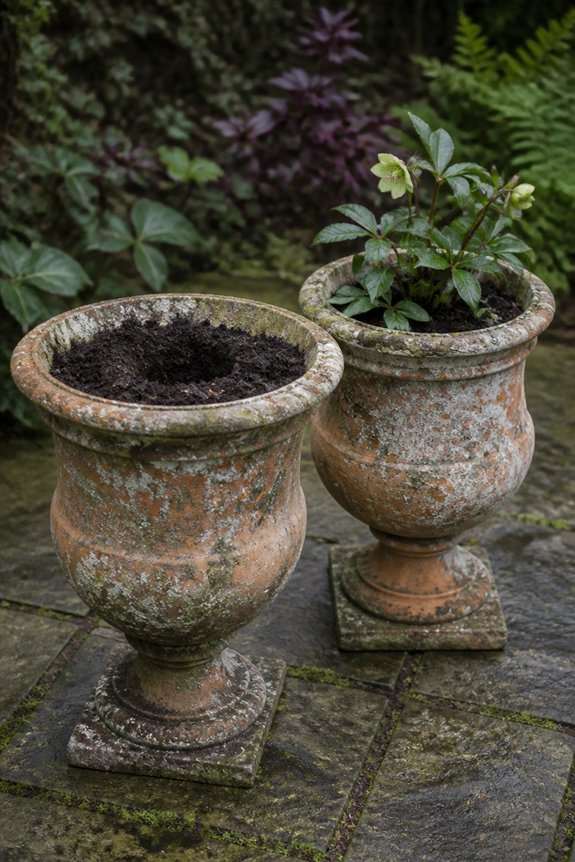
As stone walls and borders establish a garden’s structural framework, weathered urns function as focal points and vertical plantings that reinforce gothic aesthetics. Aged terracotta, concrete, and stone containers develop patina and lichen over time, creating authentic period appeal.
Positioning urns at garden entrances, along pathways, or near seating areas anchors the moody atmosphere. Pairing them with dark ivy, black petunias, or burgundy plants enhances the gothic visual effect.
Keeping Your Gothic Garden Haunting Year-Round
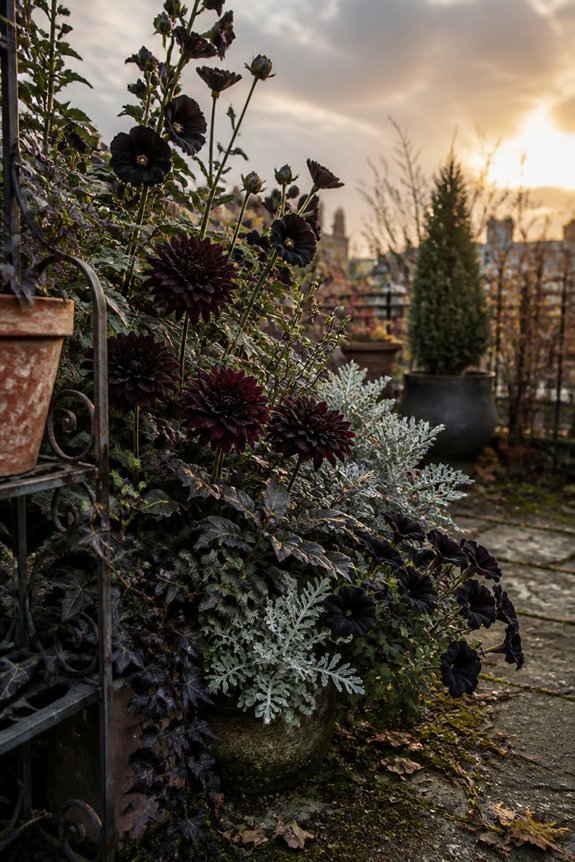
Weathered urns establish focal points, yet maintaining the garden’s dark atmosphere requires planning beyond the growing season. Winter plantings include black pansies, burgundy ornamental kale, and evergreen structures.
Lighting with uplights on statuary creates shadows during shorter days. Skeletal branches from bare trees, combined with dark mulch and stone pathways, sustain the moody aesthetic year-round without active growth.
Frequently Asked Questions
What Is the Ideal Garden Size for Creating an Authentic Gothic Aesthetic?
One need not possess vast acreage to achieve authentic gothic aesthetics. A compact garden of 500-1,000 square feet suffices admirably, provided it incorporates essential elements: towering structures, dark foliage, shadowed pathways, and ornamental ironwork that establish the desired moody atmosphere effectively.
How Much Budget Should I Allocate for a Complete Gothic Garden Transformation?
A gothic garden transformation typically requires $5,000 to $15,000, depending on size and complexity. Budget allocation should prioritize hardscaping elements like wrought iron structures and stone pathways, followed by plants, lighting fixtures, and decorative ornaments.
Can I Incorporate Gothic Elements Into an Existing Traditional Garden Design?
One might assume traditional gardens and gothic aesthetics are incompatible opposites, yet they integrate seamlessly. Adding dark foliage, wrought iron fixtures, stone statuary, and moody color palettes transforms conventional landscapes into atmospheric gothic spaces without complete redesign.
What Maintenance Schedule Keeps a Gothic Garden Looking Dramatic Year-Round?
A gothic garden maintains its dramatic appeal through monthly pruning of dark foliage, seasonal deadheading, regular weeding to preserve moody aesthetics, winter mulching for structure, and consistent cleaning of ornamental features like statuary and wrought iron elements.
Are There Gothic Garden Styles Suitable for Small Urban Spaces or Patios?
Yes, compact gothic gardens thrive in urban settings. Container planting with dark foliage, climbing ivy on walls, and strategic lighting create drama in limited areas. Vertical gardening maximizes visual impact while maintaining the moody aesthetic.
Conclusion
A gothic garden represents an exercise in embracing darker aesthetics through plants, structures, and design elements. Black mondo grass, burgundy dahlias, wrought-iron features, and weathered stone combine to establish visual depth. Reflective ponds and strategic lighting enhance the moody atmosphere. Maintaining this space requires seasonal attention to foliage, pruning, and weathering elements. The result provides a distinguished outdoor retreat distinguished by understated elegance and contemplative qualities.