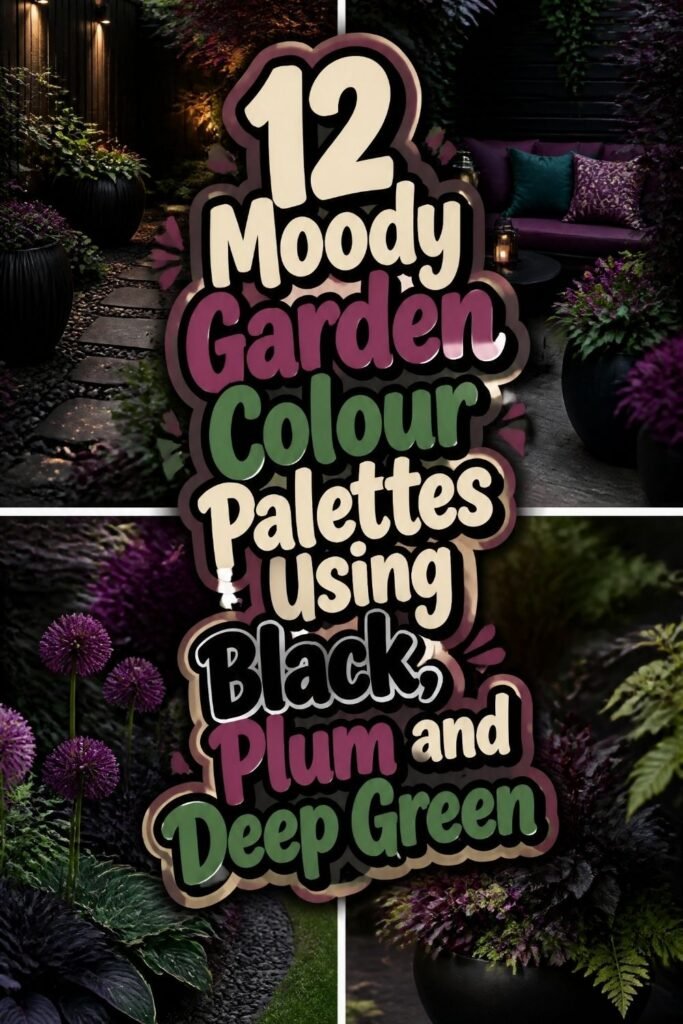
Moody gardens draw their power from the interplay of black, plum, and deep green. These three colors layer together to create visual depth that feels both dramatic and calming. When balanced well, they establish spaces that invite slow exploration and quiet reflection.
Dark hardscaping anchors the palette. Richly colored plants and strategic foliage placement transform ordinary outdoor areas into something more intentional. The result feels sophisticated without trying too hard. Each element supports the others, building cohesion through restraint rather than abundance.
Twelve distinct palettes emerge from this foundation, each offering its own seasonal rhythm. Some lean heavier on shadowed stone and charcoal mulch. Others let plum tones take center stage through Japanese maples or burgundy smoke bush. Deep green provides the constant thread that holds everything together through winter dormancy and summer abundance.
Practical benefits follow naturally from this approach. Dark palettes require less maintenance since imperfections fade into the overall mood. Visual interest persists year-round, even when flowers have finished their show. The color relationships remain cohesive because they were built from the start, not assembled piece by piece.
Build Your Foundation: Deep Green and Plum Palettes
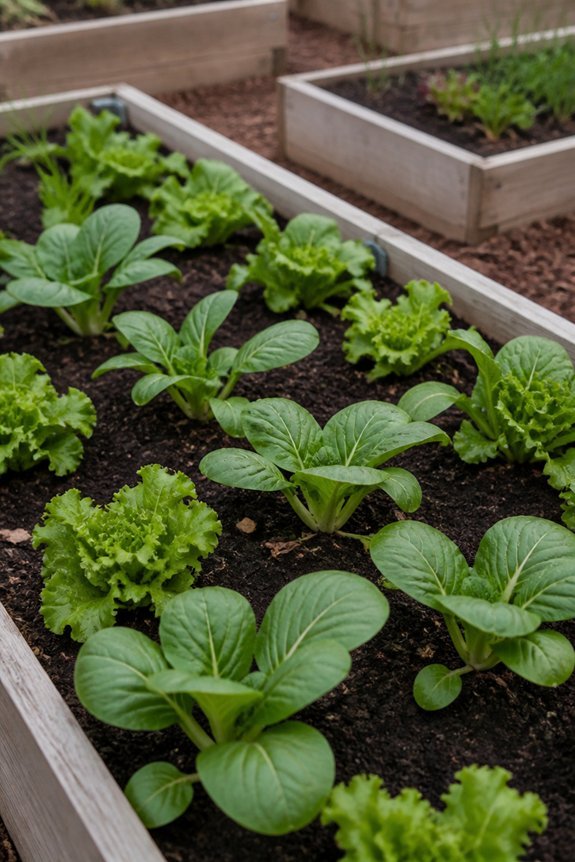
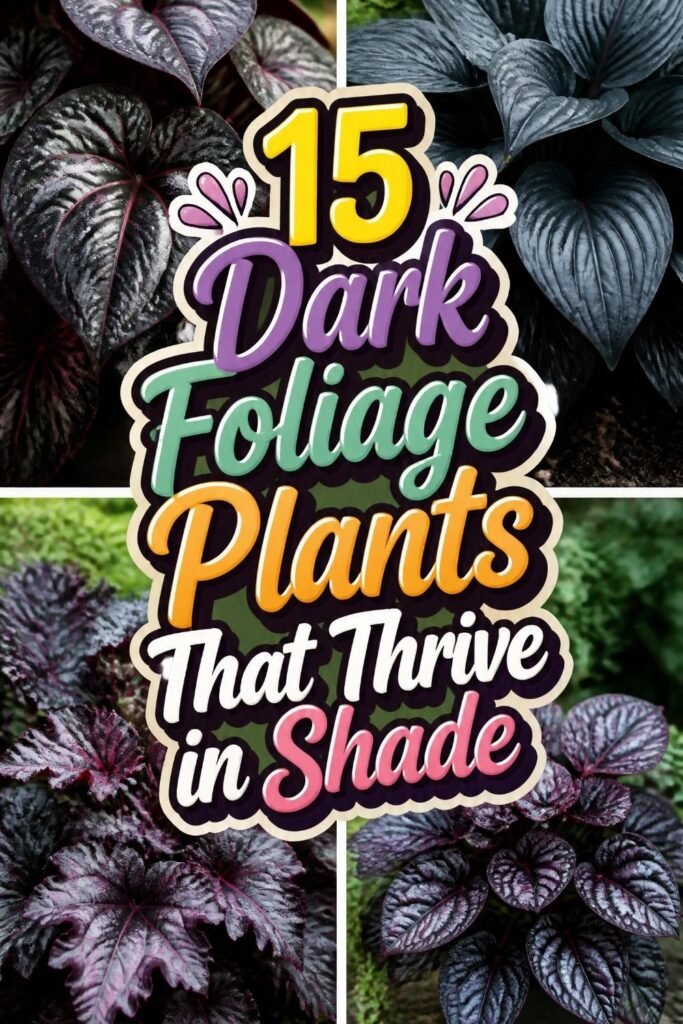
Deep greens and plums form a reliable foundation for garden color schemes, offering rich tones that work well together and with many other plants. Hostas, heucheras, and Japanese maples provide deep green foliage, while plum-colored plants like Alternanthera and Persian shield add contrast.
These colors create visual depth and balance without requiring constant maintenance or careful replanting schedules.
Black Hardscape: The Frame That Makes Colours Pop
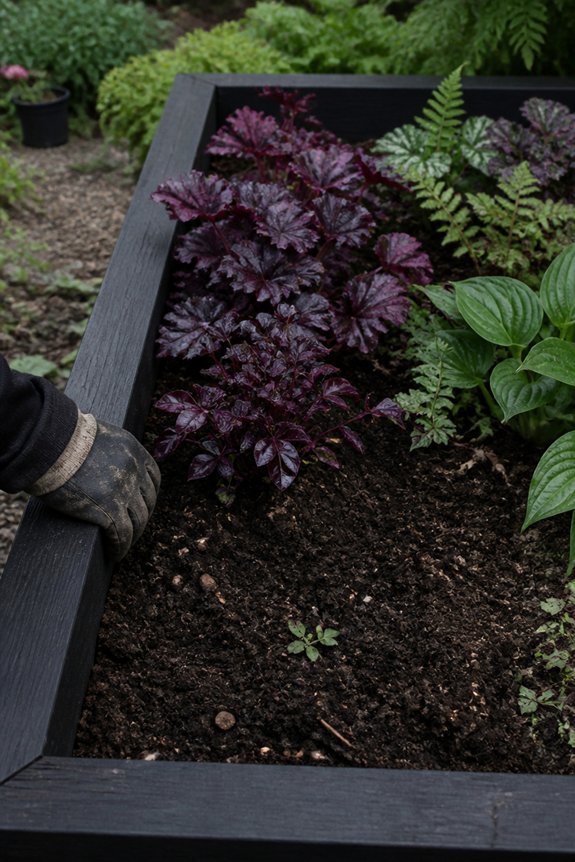
Black paving stones, fences, and mulch create a visual frame that intensifies the colors of surrounding plants. Dark hardscaping absorbs light, causing adjacent deep greens and plums to appear more vibrant and saturated.
Black gravel pathways, composite decking, and painted metal structures serve practical purposes while enhancing color contrast throughout garden spaces.
Midnight Garden: Black, Plum, and Silver Accents
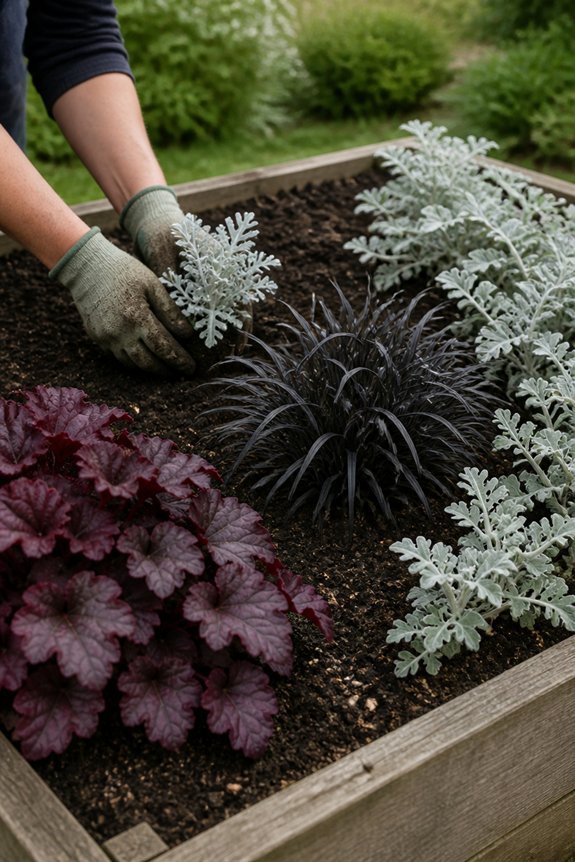
Elegance emerges when gardeners combine three distinct colors that work together to create sophisticated outdoor spaces. Black provides structure through hardscaping, plum offers depth via flowering plants like petunias and salvias, and silver accents brighten the composition through dusty miller or artemisia foliage.
This combination creates visual contrast, establishes focal points, and produces cohesive garden designs that appear intentional and refined.
Emerald Drama: Deep Green With Jewel-Toned Plum
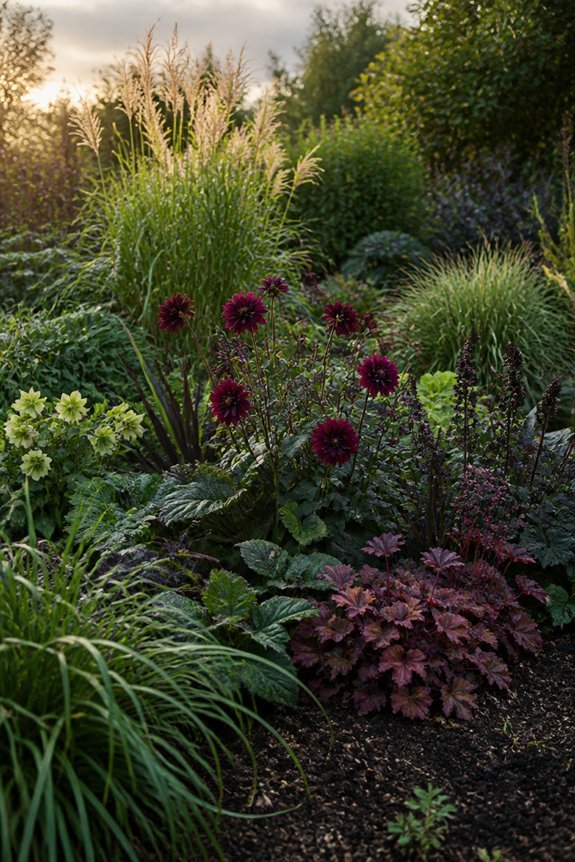
Rich foliage and jewel-toned flowers create visual weight and sophistication in garden spaces. Emerald green serves as the foundation, while deep plum accents add drama through flowering plants like clematis and salvia. Silver-leafed companions such as artemisia provide contrast.
This combination produces depth and richness, establishing a luxurious garden atmosphere without bright, competing colors.
Gothic Romance: Black Fencing, Plum Blooms, Dark Foliage
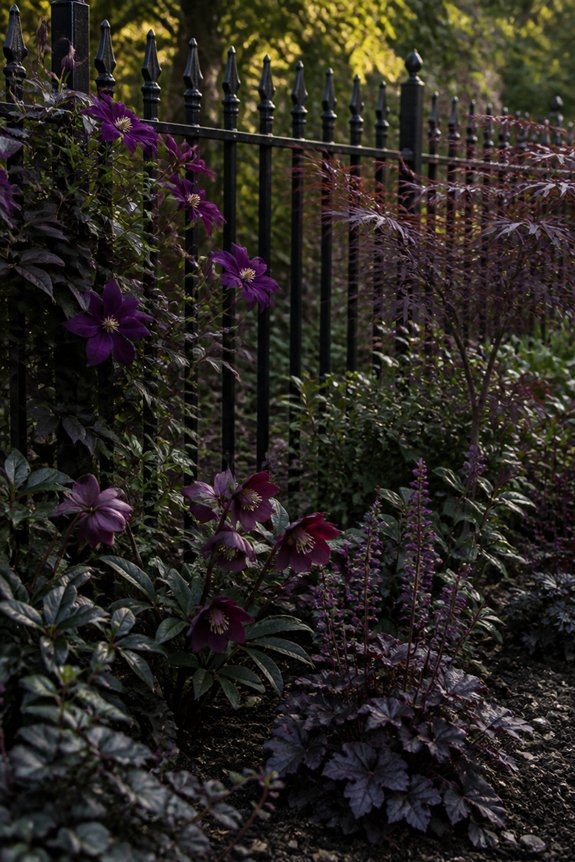
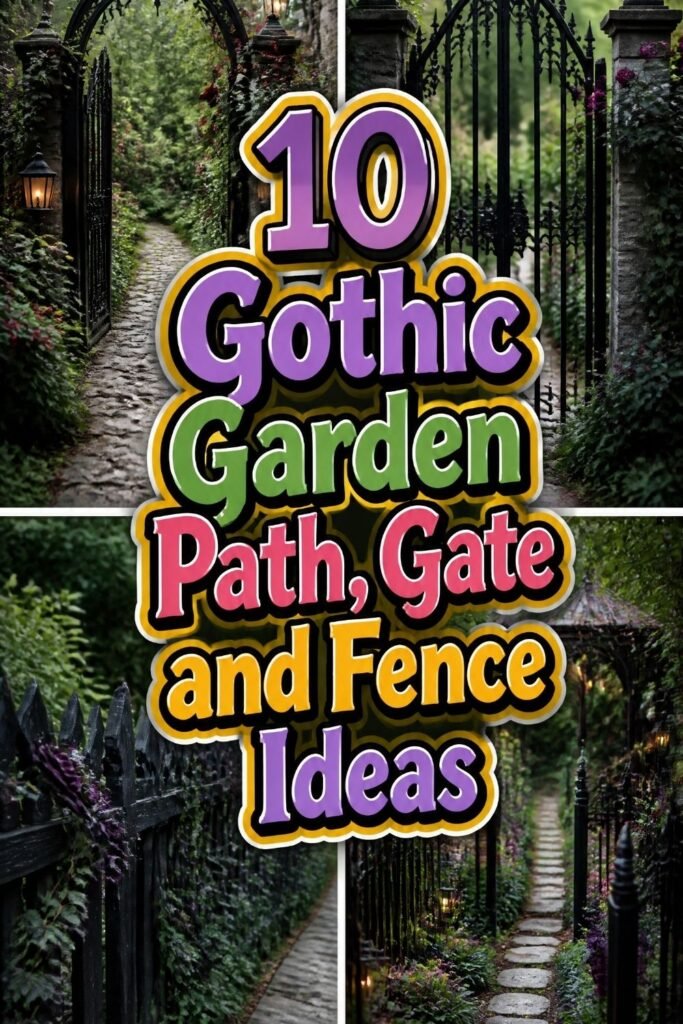
Taking the jewel-toned approach further, a gardener can intensify the mood by introducing structural elements alongside deeper plant selections. Black wrought-iron or metal fencing provides architectural contrast, while plum-colored blooms like clematis and petunias add visual depth. Dark foliage plants such as black mondo grass, burgundy Japanese maples, and deep purple heuchera create layered, cohesive garden scenes.
Shadowed Sanctuary: Layered Green and Black Canopy
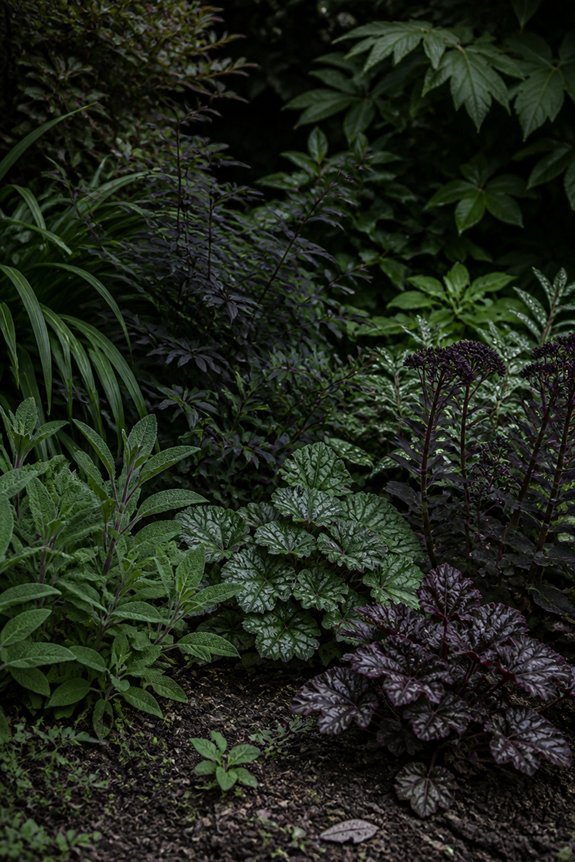
When layering multiple canopy levels, gardeners create depth and visual interest through strategic plant placement and color variation. Dark green upper layers filter light, allowing shade-tolerant plants below. Black fencing or structures anchor compositions.
Deep green understory plants, including hostas and ferns, thrive in filtered conditions. This layered approach produces a cohesive, shadowed environment with balanced light exposure throughout the garden space.
Twilight Elegance: Plum Plants Against Charcoal Pathways
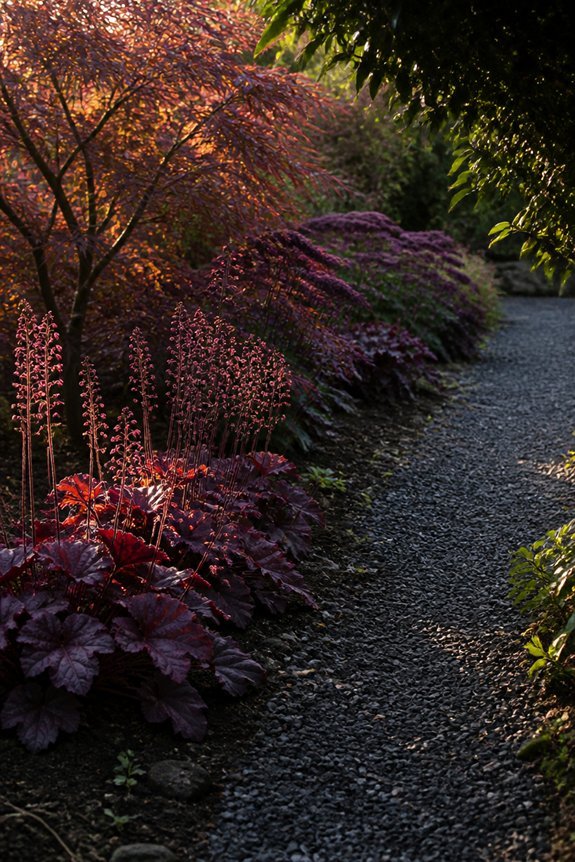
Moving beyond layered green canopies, gardeners can introduce deeper purple and plum tones to create evening-inspired garden schemes. Plum-colored plants like heuchera and salvia pair effectively with charcoal pathways made from slate or dark gravel.
This combination establishes visual contrast, emphasizing plant forms during twilight hours. The darker pathway surface absorbs remaining daylight, intensifying the plum foliage’s prominence and creating sophisticated garden compositions.
Deep Forest: Layered Greens With Black Structural Elements
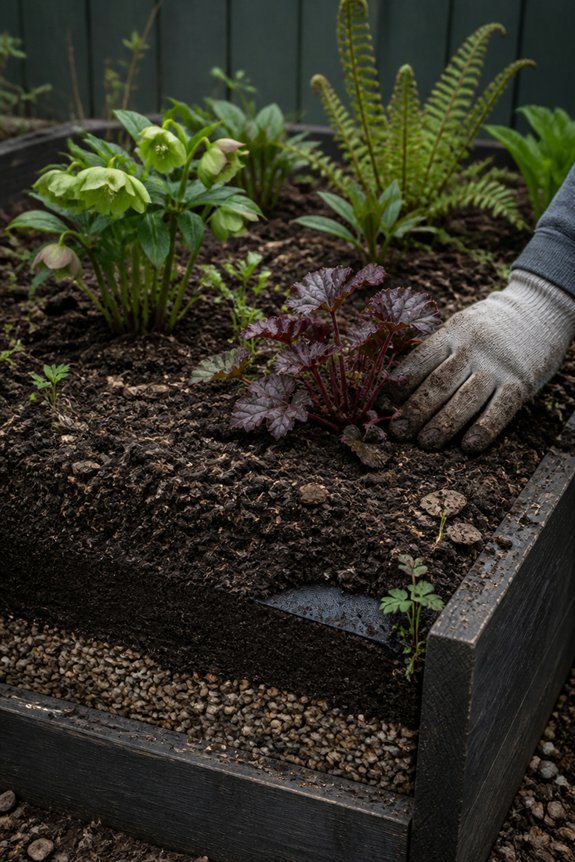
Dark structural elements, such as black metal trellises, iron arbors, and charcoal-painted fencing, create strong frameworks within garden spaces filled with varied green foliage. Layering different shades of green, from light ferns to deep emerald shrubs, adds visual depth.
Black structures provide contrast and definition, making green plants appear more prominent. This combination produces a forest-like atmosphere with organized, defined boundaries throughout the garden space.
Aubergine Luxe: Plum as Your Focal Colour
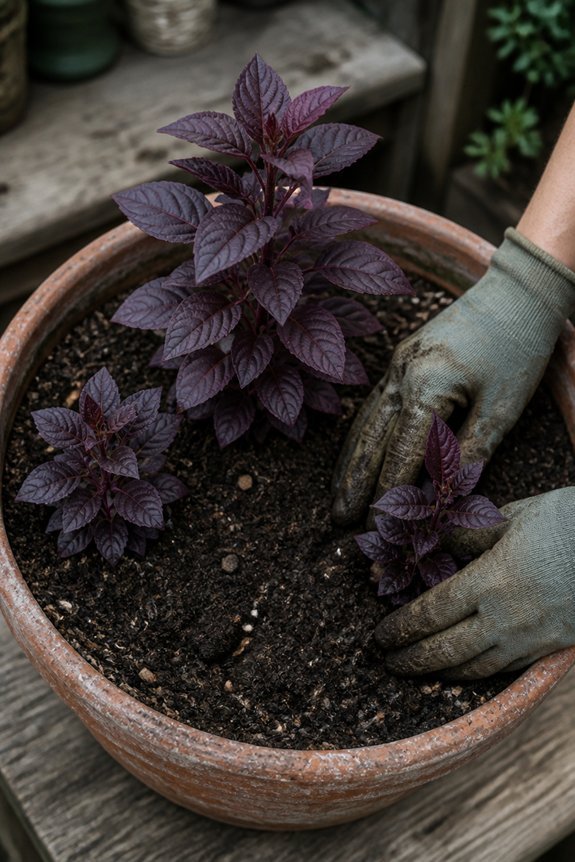
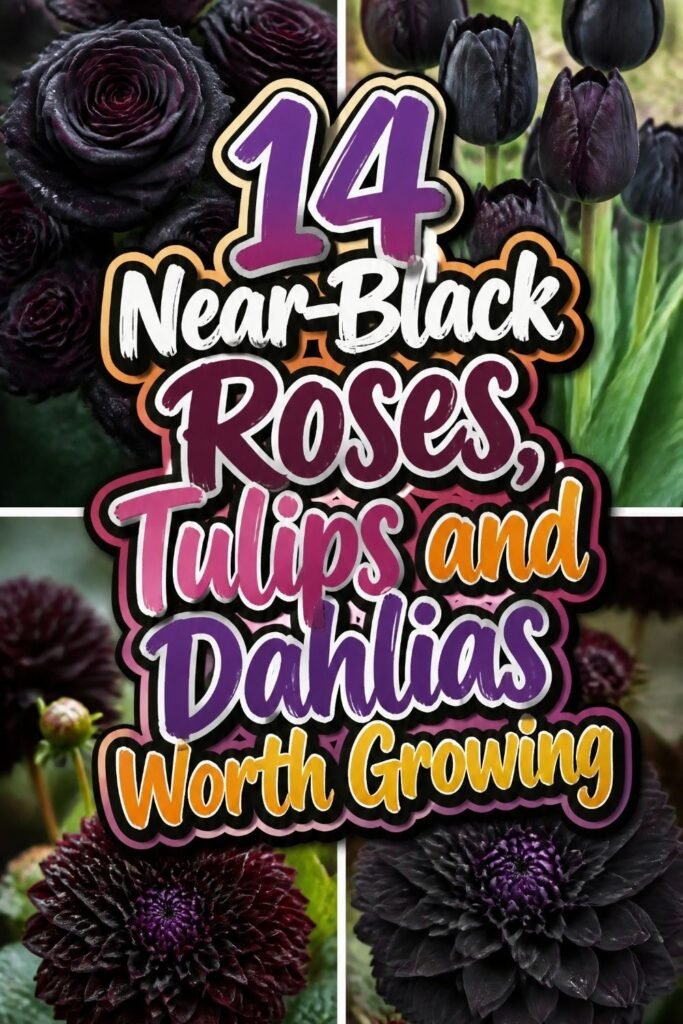
While deep forest palettes rely on structural contrast through black elements, aubergine offers a different approach by using rich plum tones as the garden’s primary visual anchor. Plum-colored plants like petunias, salvias, and dahlias create focal points without black’s severity.
This method allows softer shifts between dark purples and complementary silvers or deep greens, producing cohesive garden designs with reduced visual harshness.
Moody Minimalist: Black, Plum, and One Deep Green
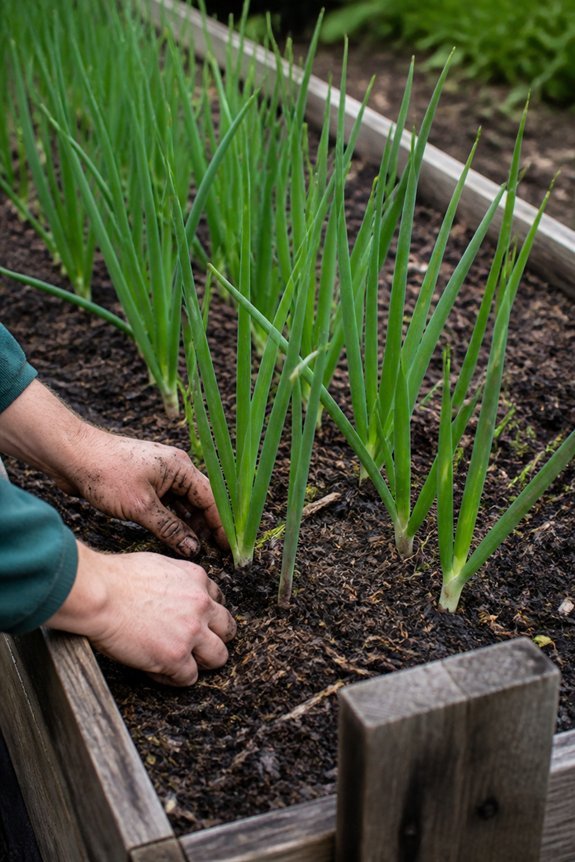
Reducing a garden’s color scheme to three primary elements, black, plum, and a single deep green, creates visual restraint while maintaining depth and interest.
Black provides grounding through dark mulch, containers, or structures. Plum flowers, such as clematis or hellebores, offer focal points. Deep green foliage from boxwood or yew establishes stability.
This minimalist approach eliminates visual competition, allowing each element distinct presence and clarity.
Night Garden Palette: Lighting Black, Plum, and Green
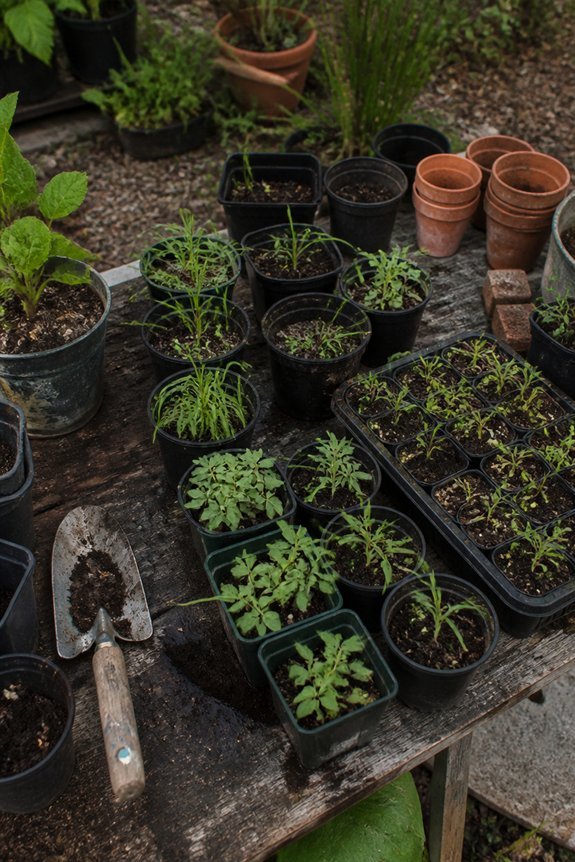
The minimalist three-color scheme of black, plum, and deep green gains new dimension when artificial lighting enters the garden after dark. Uplighting beneath plants creates silhouettes, while spotlights on dark foliage enhance plum tones. Path lights define ground-level structure.
Cool LED temperatures maintain the moody aesthetic, whereas warm lights soften the palette’s intensity. Strategic placement transforms the garden into a sophisticated nighttime environment.
Year-Round Moody: Seasonal Depth and Persistent Colour
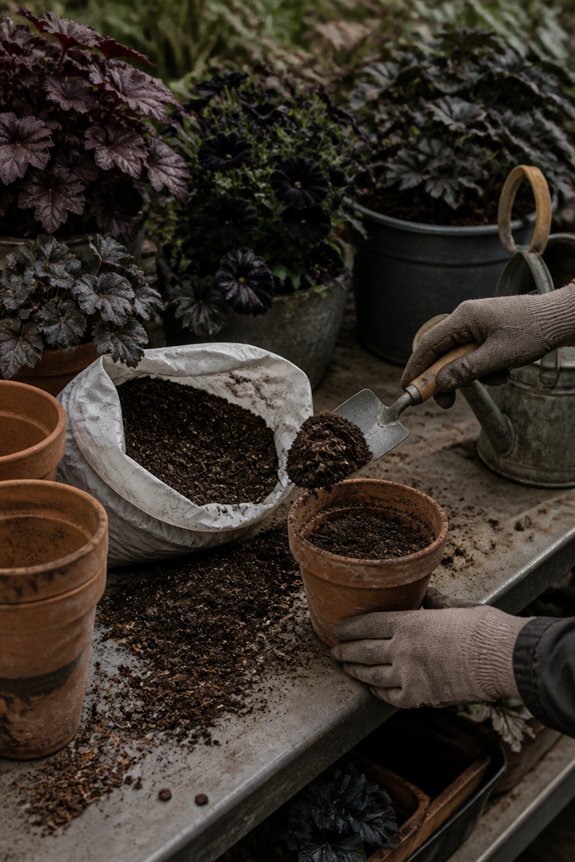
Maintaining a moody garden palette across all seasons requires selecting plants and materials that sustain dark tones through spring, summer, fall, and winter. Black mondo grass, plum Japanese maples, and deep green conifers provide year-round structure. Ornamental kale, dark-leafed heuchera, and burgundy sedums extend color through colder months. Hardscape elements like charcoal mulch and slate pathways guarantee consistent depth regardless of plant dormancy cycles.
Frequently Asked Questions
How Do Moody Dark Palettes Affect Garden Maintenance and Cleaning Requirements?
Dark moody palettes require increased maintenance attention. Black and deep-toned surfaces accumulate dust, debris, and algae more visibly than lighter colors. Gardeners must clean planting beds, pathways, and structures more frequently to maintain the intended aesthetic appeal and prevent deterioration.
Which Companion Plants Thrive in Low-Light Conditions Alongside Black and Plum Schemes?
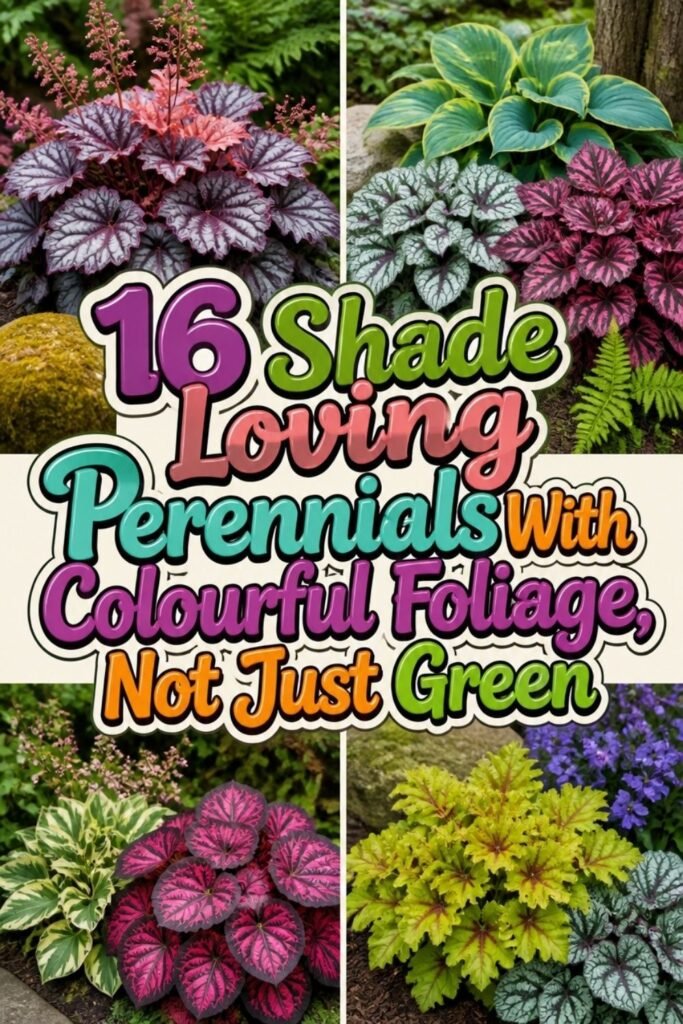
Remarkably, shade-tolerant plants naturally complement dark garden schemes. Hostas, hellebores, and heucheras thrive alongside black and plum tones. Ferns and astilbe add textural contrast. Shade-loving sedums and ajuga provide ground coverage, while dark-leafed begonias enhance moody aesthetics perfectly.
What Budget Considerations Should I Account for When Implementing Dark Garden Designs?
Dark garden implementations require careful financial planning. Initial costs include premium shade-tolerant plants, specialized soil amendments, and hardscaping materials. Ongoing expenses involve maintenance, strategic lighting installations, and potential irrigation adjustments to accommodate low-light conditions.
How Can I Prevent a Moody Garden From Feeling Too Dark or Depressing?
One might assume dark gardens inevitably feel gloomy, yet strategic lighting and texture contrasts prove otherwise. Incorporating silvery foliage, metallic accents, and uplighting transforms shadowy spaces into sophisticated sanctuaries rather than melancholic retreats.
Are There Pest or Disease Issues Specific to Deep Green and Plum Plantings?
Dark-foliaged plants like plum and deep green varieties attract similar pests and diseases as their lighter counterparts. No specific vulnerabilities exist due to color alone. Standard integrated pest management practices remain effective for maintaining healthy moody gardens.
Conclusion
These twelve moody palettes transform ordinary gardens into extraordinarily dramatic spaces, using black, plum, and deep green to create literally jaw-dropping visual impact. The combinations require virtually no maintenance yet deliver maximum sophistication year-round. Black hardscaping frames jewel-toned plants with theatrical precision, while seasonal blooms maintain consistent depth. Gardeners seeking low-effort, high-drama landscapes find these palettes offer practically foolproof results, turning any outdoor space into an intensely compelling sanctuary.