

Starting a garden can feel overwhelming when you’re new to plant care. Many beginners wonder whether to try challenging varieties or ease in with something simpler. Tiny Plants for Beginners offer an ideal middle ground, bringing greenery and charm without demanding much room or constant attention.
Jade Plants, Echeveria, Haworthia, and Air Plants are popular choices for good reason. Each brings its own personality to a space, from the plump, glossy leaves of a Jade to the sculptural form of an Air Plant. Their care routines stay relatively uncomplicated, helping novice growers build confidence.
Light requirements vary among these options. Some enjoy bright, direct sun, while others prefer gentler, filtered rays.
Watering habits differ too, with succulents needing infrequent drinks and Air Plants benefiting from occasional misting. Matching these needs to your home’s conditions makes all the difference in long-term success with Tiny Plants for Beginners.

Match the Plant to Your Space
Start with the conditions you already have rather than choosing a tiny plant only for its appearance. Check how much light reaches the intended spot, how much room is available, and how often you can realistically water.
Pay particular attention to watering differences. Succulents generally prefer their soil to dry between drinks, while plants such as Fittonia need more consistent moisture. Keeping plants with similar needs together can make a beginner collection much easier to manage.
Small pots also need reliable drainage. Avoid oversized containers that hold excess moisture, and wait until roots begin crowding the current pot before moving a plant into something larger.
Start With Tiny Plants: Perfect for Your First Garden
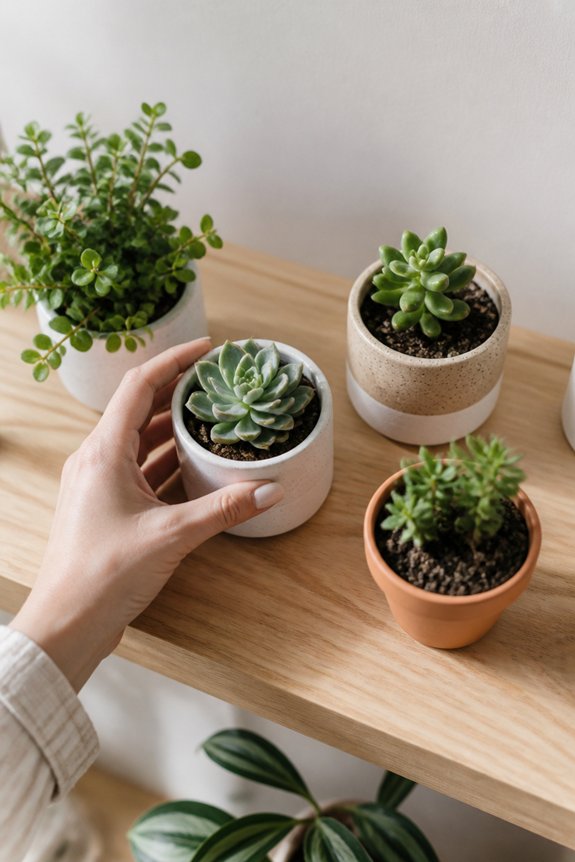
Many beginning gardeners benefit from starting with small plants rather than larger varieties. Tiny plants, including succulents, herbs, and small ferns, require less space, water, and maintenance. They fit easily on windowsills or small shelves.
These plants mature quickly, providing faster results. Beginners experience fewer failures with small plants, building confidence for future gardening projects.
How to Choose the Right Tiny Plant (Light, Water, and Space)
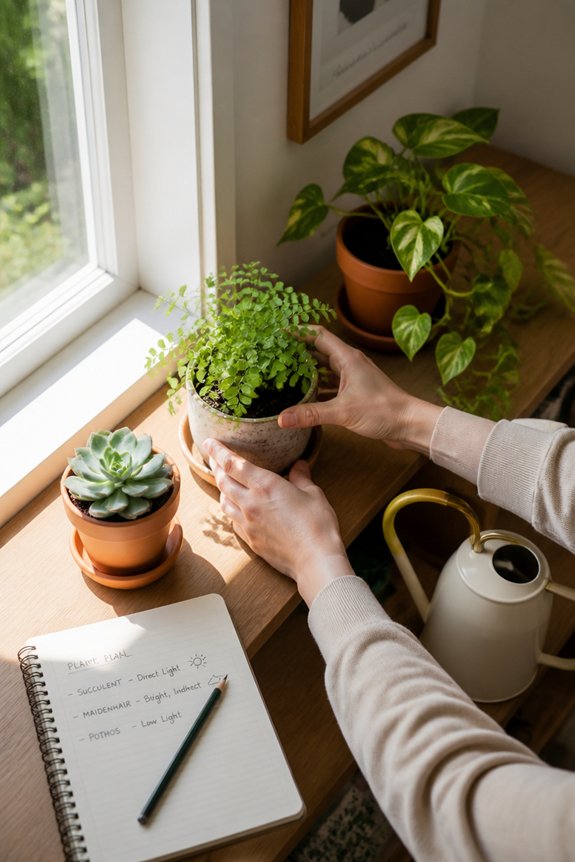
Selecting a tiny plant that thrives requires understanding three basic factors: the light available in the home, the watering schedule the gardener can maintain, and the physical space where the plant will live.
Succulents tolerate low light and infrequent watering. Pothos vines need moderate indirect light. Moss poles require consistent moisture.
Measure windowsill space, assess daily sunlight hours, and consider realistic watering frequency before purchasing any plant.
Low-Maintenance Succulents: Easy Wins for Beginners

Succulents stand out as ideal starter plants because they store water in their leaves, stems, and roots, requiring infrequent watering and tolerating neglect better than most houseplants.
Jade plants, echeveria, and aloe vera thrive in bright indirect light and well-draining soil. These varieties need watering every two to three weeks, making them practical choices for beginners managing multiple plants with inconsistent schedules.
String of Pearls: Cascading Beauty for Tight Spaces
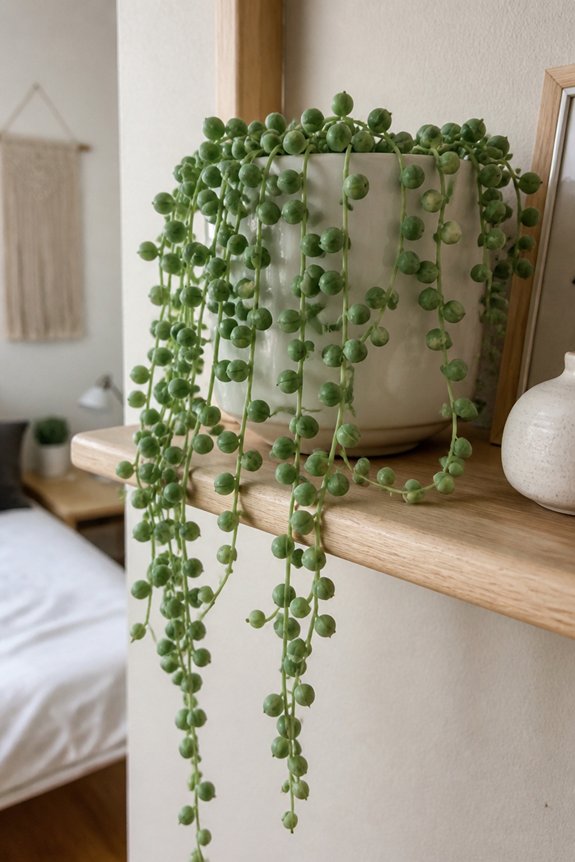
String of Pearls plants offer a practical solution for gardeners with limited floor or shelf space. These trailing succulents feature small, bead-like leaves and grow downward from containers, making them ideal for hanging baskets or elevated shelves.
They require bright, indirect light and infrequent watering. The plants tolerate neglect well, needing water only when soil dries completely, making them suitable for busy gardeners.
Haworthia: Geometric Succulents That Thrive on Neglect
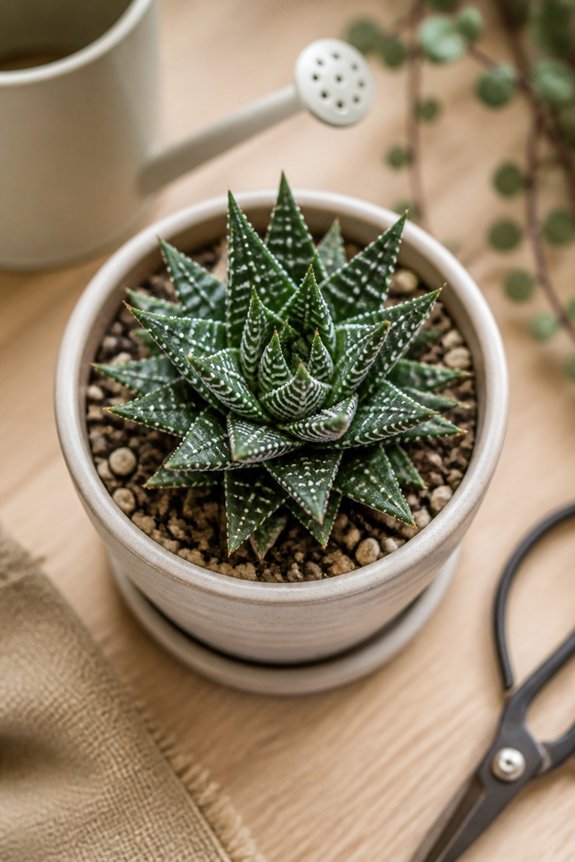
Many small succulent varieties exist, but haworthia plants stand out for their compact size, distinctive patterns, and minimal care requirements. These geometric succulents feature striped leaves arranged in rosette formations.
Haworthia species like H. attenuata and H. fasciata grow slowly, reaching only a few inches tall. They require infrequent watering, bright indirect light, and well-draining soil. Their low-maintenance nature makes them ideal for forgetful gardeners.
Jade Plants: Compact Versions of the Classic Heirloom
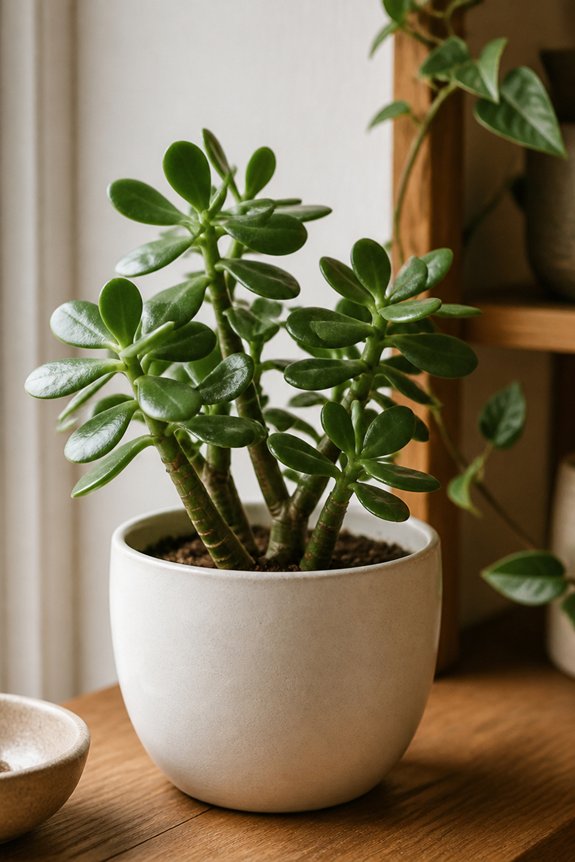
While traditional jade plants grow into large, woody shrubs over time, compact cultivars offer the same appeal in smaller packages. Varieties like Jade ‘Little Jade’ and ‘Minima’ reach only six to twelve inches tall, making them ideal for shelves and desks.
These plants require bright light, infrequent watering, and well-draining soil. They tolerate neglect reasonably well, developing thick leaves and sturdy stems with minimal care.
Air Plants: No Soil, No Problem
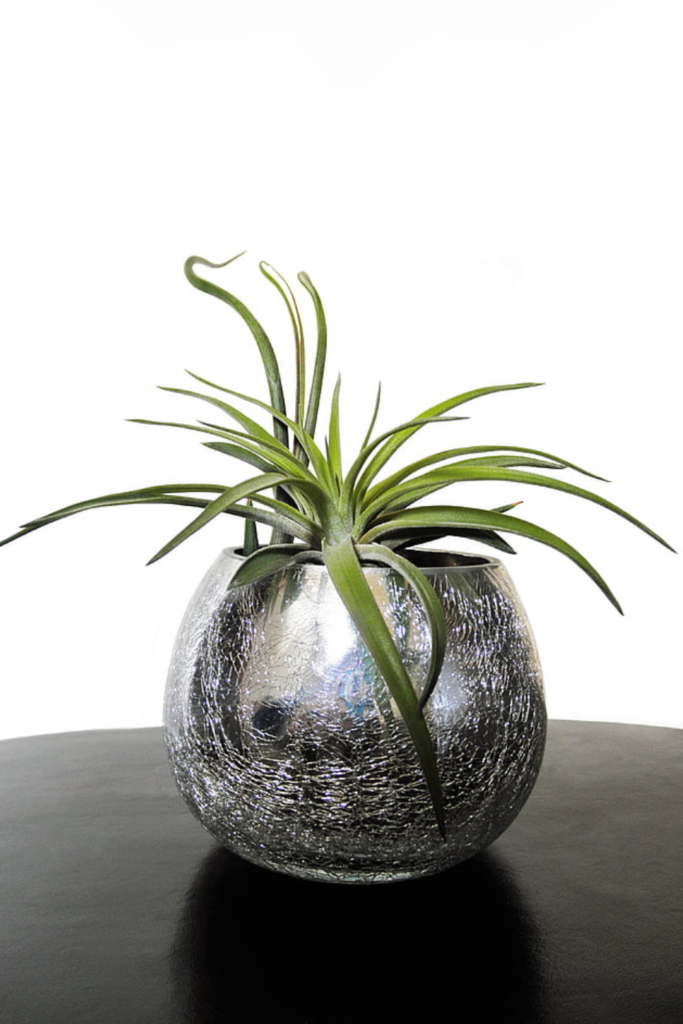
Unlike traditional potted plants, air plants absorb water and nutrients directly through their leaves, eliminating the need for soil entirely. These plants, including Tillandsia varieties, require weekly misting or soaking in water for several hours. They thrive in bright, indirect light and need good air circulation.
Air plants work well mounted on cork, driftwood, or displayed in glass containers, making them practical choices for small spaces.
Textured Leaves: Peperomia and Fittonia for Visual Interest

Peperomia and Fittonia offer compact plants with distinctive leaf textures that add visual variety to small growing spaces.
Peperomia features thick, textured leaves in various patterns and colors, requiring moderate light and infrequent watering. Fittonia displays delicate, veined leaves with red or white markings, preferring consistent moisture and indirect light. Both plants remain small, making them suitable for shelves, desks, and windowsills in any room.
Echeveria: Rosette-Shaped Succulents in Every Color

How do succulent plants manage to thrive with minimal care while displaying striking rosette formations? Echeveria species offer compact, layered leaves in shades of green, pink, red, and purple. These succulents require bright light, infrequent watering, and well-draining soil.
Popular varieties include Echeveria elegans and Echeveria pulvinata. Their shallow root systems make them ideal for small containers and confined spaces.
Tropical Tiny Plants: Parlor Palm and Ponytail Palm

While succulents thrive in dry conditions with minimal watering, tropical plants require different care approaches, offering lush foliage and distinct architectural forms for small spaces.
Parlor palms produce elegant, feathery fronds and tolerate low light. Ponytail palms feature swollen trunk bases storing water, requiring bright indirect light and infrequent watering. Both varieties add vertical interest to compact environments.
Statement Plants: Calathea Orbifolia and ZZ Mini for Pattern Lovers
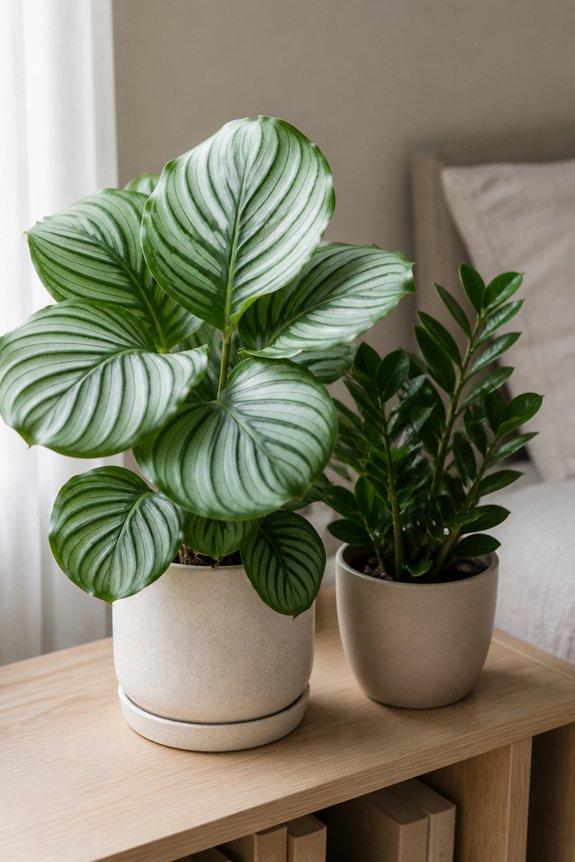
For plant enthusiasts who value visual interest, Calathea Orbifolia and ZZ Mini offer distinctive foliage patterns that serve as focal points in small spaces.
Calathea Orbifolia displays striking silver-striped leaves, requiring indirect light and consistent moisture. ZZ Mini features glossy, dark leaflets arranged in feather-like formations, tolerating low light and irregular watering. Both plants add visual appeal while remaining manageable for beginners seeking pattern-focused specimens.
Unique Conversation Starters: Lithops and Baby Tears
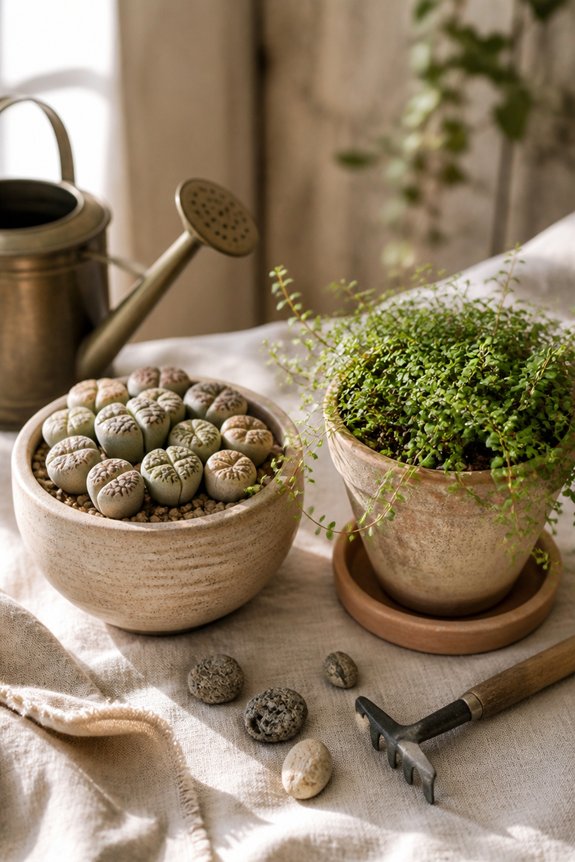
Unusual plant species like Lithops and Baby Tears appeal to beginners seeking distinctive specimens that spark conversation. Lithops, also called living stones, feature unique rock-like leaves and require minimal water. Baby Tears displays delicate, tiny foliage ideal for terrariums.
Both plants thrive in bright, indirect light and well-draining soil, making them practical choices for collectors interested in uncommon varieties.
How to Group Your Tiny Plants for Show-Stopping Displays
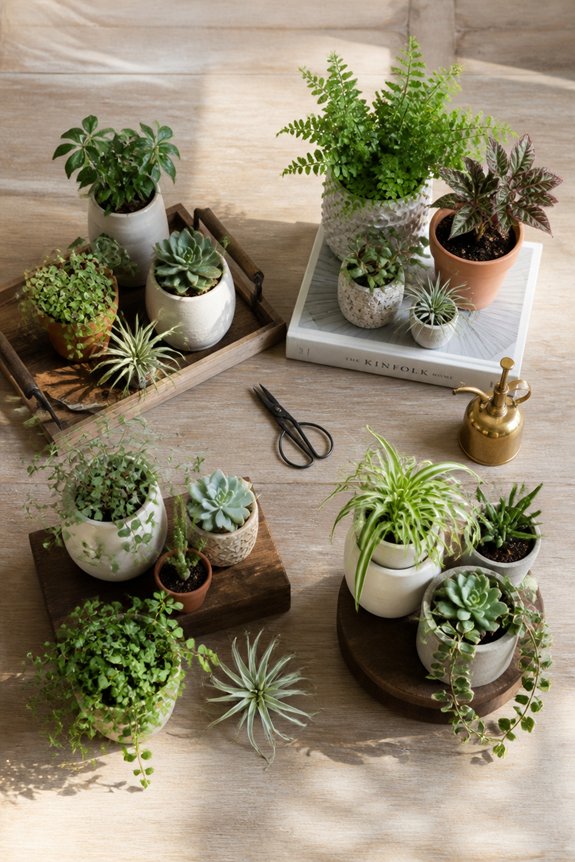
Grouping small plants together creates visual impact through arrangement, color contrast, and varied textures. Pairing lithops with baby tears produces striking combinations of form and foliage density. Shallow trays or terrariums work well for clustered displays.
Arranging specimens by height, placing taller plants toward the back, guarantees visibility. Mixing green, silver, and burgundy varieties enhances overall composition and viewer interest.
Watering, Light, and Repotting: 5 Beginner Mistakes to Avoid
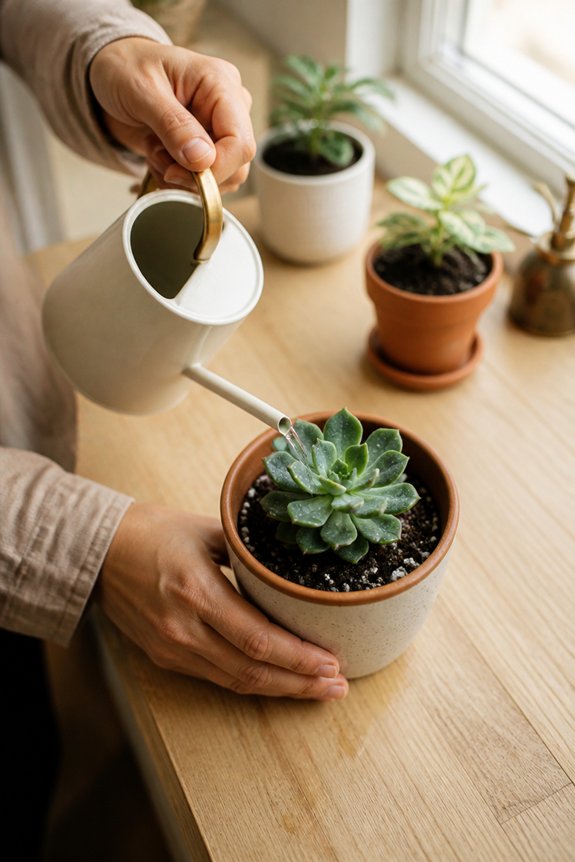
Three critical factors, water, light, and soil refreshment, determine whether tiny plants thrive or decline. Overwatering causes root rot in succulents and ferns alike. Insufficient light stunts growth. Repotting too frequently damages delicate roots.
Neglecting drainage holes traps moisture. Using oversized containers creates waterlogging problems. Beginners must match watering frequency to each plant’s needs, provide appropriate light conditions, and repot only when roots emerge from drainage holes.
Can You Propagate Tiny Plants? Growth and Expansion
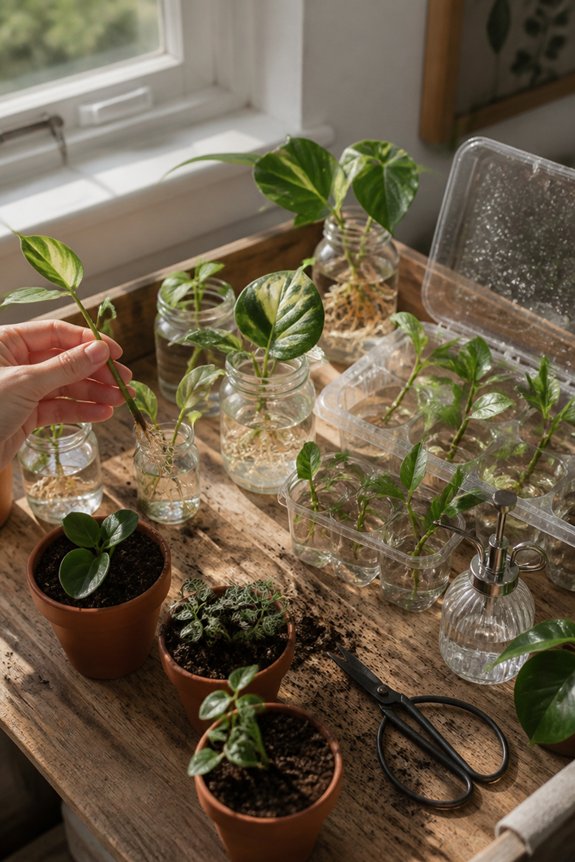
Once beginners master the fundamentals of watering, light, and repotting, expanding their plant collection becomes possible through propagation. Succulents, pothos, and spider plants propagate readily from leaves or stem cuttings.
Propagation requires minimal supplies: soil, containers, and patience. New plants develop roots within weeks, then shift to standard care routines, allowing collectors to multiply their collections economically and efficiently.
Your Next Steps: Building Confidence as a Plant Parent

After successfully propagating plants and maintaining a small collection, beginners can strengthen their plant care skills by tracking growth patterns, noting which species thrive in their specific environment, and adjusting care routines based on observable results.
Documenting watering schedules, light exposure, and seasonal changes builds competence. Expanding to slightly larger specimens, such as pothos or snake plants, provides manageable challenges that reinforce foundational techniques and develop consistent plant parenting habits.
Frequently Asked Questions
What’s the Ideal Temperature Range for Keeping Tiny Plants Healthy Indoors?
Research indicates that 65-75°F represents the ideal range where approximately 80% of small houseplants thrive indoors. Most miniature varieties prefer daytime temperatures around 70°F with slightly cooler nighttime conditions, avoiding drafts and sudden fluctuations that stress delicate foliage.
How Do I Know if My Tiny Plant Is Outgrowing Its Current Pot?
One observes signs a tiny plant needs repotting when roots emerge from drainage holes, growth slows considerably, soil dries rapidly after watering, or the plant becomes top-heavy and unstable. These indicators suggest the container has become too restrictive for continued development.
Are Tiny Plants Safe to Keep Around Pets and Children?
Most tiny plants are safe; however, some species prove toxic if ingested. Pet owners and parents should research specific plant varieties beforehand, selecting non-toxic options like spider plants or African violets while avoiding lilies and dieffenbachia.
What’s the Best Fertilizer Type and Schedule for Beginner-Friendly Tiny Plants?
One might assume tiny plants require constant feeding, yet research reveals they thrive with minimal nutrition. Diluted liquid fertilizer applied monthly during growing season proves most effective for beginners maintaining small houseplants successfully.
How Long Does It Typically Take Tiny Plants to Reach Full Maturity?
Tiny plants typically reach full maturity between 6 to 18 months, depending on species and growing conditions. Succulents mature faster, often within 6-12 months, while slower-growing varieties like small ferns may require up to 18 months.
Conclusion
Beginners who plant tiny varieties like Jade Plants, Haworthia, and Peperomia build foundational skills without facing overwhelming obstacles. These small specimens require minimal resources, thrive in various conditions, and allow for propagation experiments. Starting small mirrors planting a seed before harvesting the garden—patience and consistent care yield confidence. Selecting distinctive types guarantees sustained interest, transforming novice gardeners into capable plant parents managing diverse collections effectively.