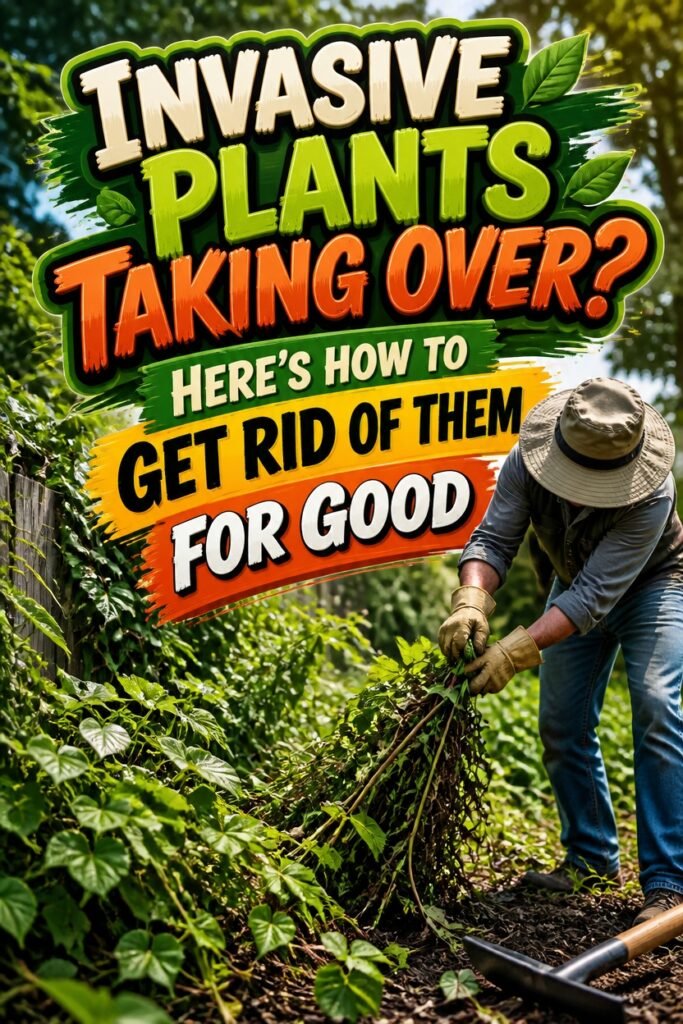
Invasive plants don’t politely wait for an invitation. They spread aggressively through gardens and wild spaces alike, crowding out native species and throwing local ecosystems off balance.
Once these invaders take hold, getting rid of them demands more than a casual weekend of weeding.
A truly effective strategy combines several approaches. Manual removal works well for smaller infestations, while targeted herbicide application becomes necessary for more stubborn patches.
Physical barriers can prevent regrowth, and introducing vigorous native plantings helps restore what was lost. The trick is matching the right method to your specific situation.
Timing matters just as much as technique. Acting during the right season, before plants set seed, can mean the difference between lasting success and another round of battle next year.
Knowing what comes after removal, whether that’s soil restoration or ongoing monitoring, seals the victory.
Identify Invasive Plants in Your Garden
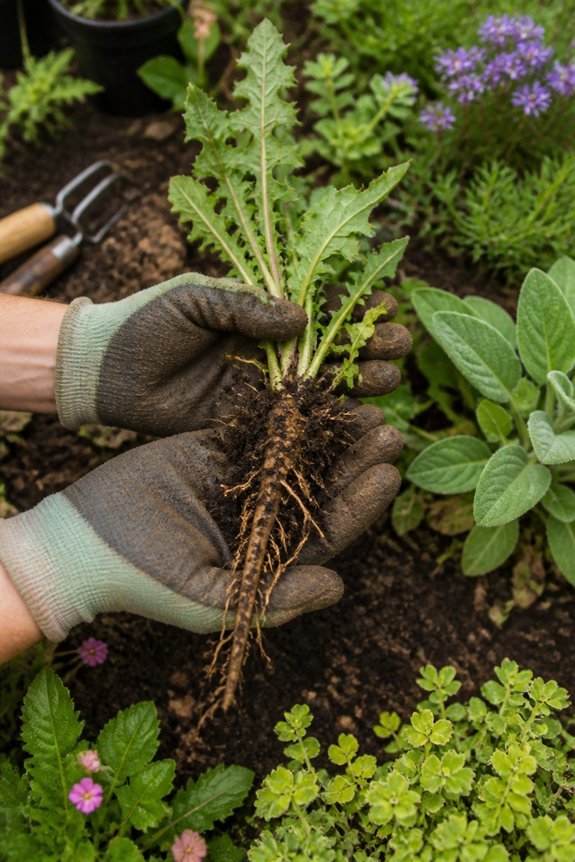
How can a gardener distinguish invasive plants from native species? Invasive plants typically grow faster, spread aggressively, and outcompete native vegetation for resources. Gardeners should observe plant growth patterns, checking for rapid expansion across garden beds.
Common invasive species include Japanese knotweed, which displays tall, bamboo-like stems, English ivy, characterized by climbing vines with evergreen leaves, and garlic mustard, identifiable by heart-shaped leaves and white flowers. Daylilies and ornamental grasses may also become problematic in certain regions.
To identify invasive plants accurately, gardeners should research species native to their specific geographic area. Consulting local extension offices, gardening guides, and native plant databases provides reliable identification resources.
Photographing unknown plants aids in professional identification through county agricultural services or university botanical programs.
Manual Removal of Invasive Plants: When and How
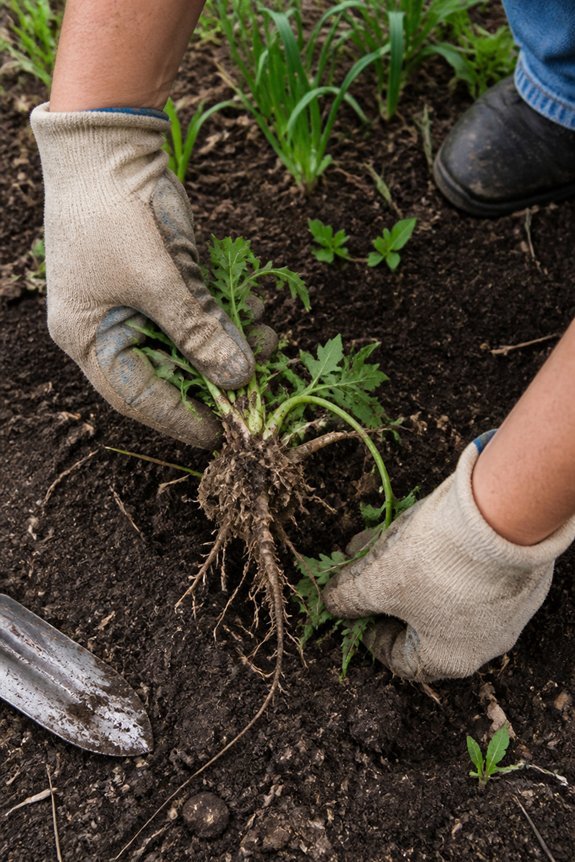
When should gardeners choose manual removal over other methods? Manual removal works best for small infestations, young plants, and gardens near water sources or food crops. Pulling invasive plants by hand prevents chemical exposure to desirable vegetation.
Effective timing occurs in spring or after rainfall, when soil is moist and roots pull out more easily. Gardeners should remove the entire root system to prevent regrowth. For woody invasives like multiflora rose or autumn olive, digging tools become necessary.
Cutting alone proves insufficient since most invasive species regenerate from root fragments. Regular follow-up removal controls new seedlings. Manual methods suit small properties, though larger areas may require combining this approach with herbicides or professional services for complete eradication.
Herbicides for Invasive Plants: Strategic Application
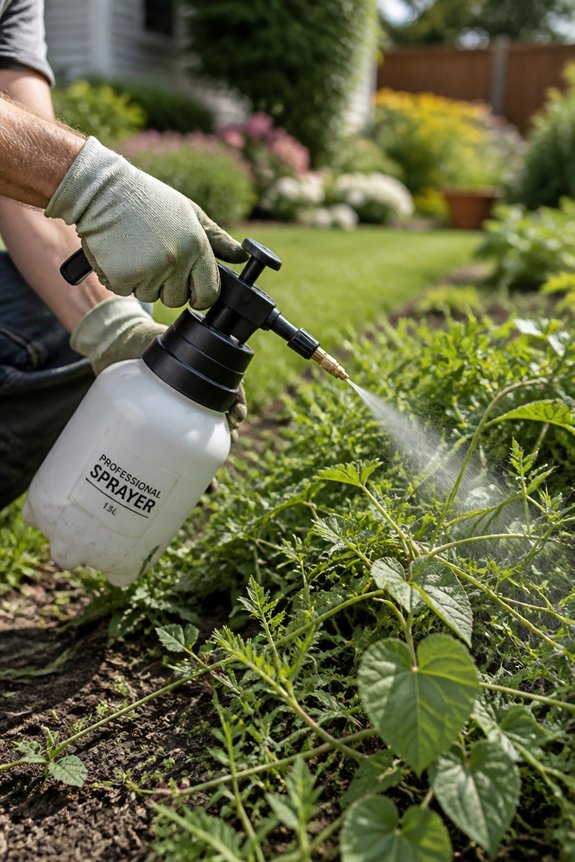
Chemical herbicides offer effective control for invasive plants when manual removal proves impractical or incomplete. Selective herbicides target specific plant species, making them suitable for mixed vegetation areas. Non-selective options like glyphosate kill most plants they contact, working best in isolated infestations.
Application timing matters greatly. Spring and fall treatments often prove most effective, as plants actively transport nutrients to roots. Foliar spraying works for leafy invasives, while basal bark application suits woody species. Cut-stump methods involve applying herbicide directly to freshly cut stems.
Effectiveness depends on proper product selection and application technique. Garlic mustard, buckthorn, and Japanese knotweed respond well to targeted herbicide use. Environmental considerations require careful planning to protect desirable plants and water sources.
Smother Invasives With Mulch and Cardboard Barriers
Blocking sunlight and air from reaching invasive plants effectively suppresses their growth without chemicals. Cardboard barriers and mulch layers work by creating physical obstacles that prevent photosynthesis and germination.
Gardeners place cardboard sheets directly over invasive vegetation, overlapping edges by six inches to eliminate gaps. Soil, wood chips, or compost mulch then covers the cardboard to anchor it and conceal it from view. The barrier typically requires four to six inches of mulch depth for adequate effectiveness.
This method suits areas with established invasive growth, including Japanese knotweed, bindweed, and crabgrass. The process takes time, usually several months, as plants gradually decompose beneath the covering.
Once invasive vegetation dies completely, the cardboard decomposes naturally, enriching soil quality for future plantings.
Plant Native Species to Block Future Growth
After invasive plants die and decompose beneath cardboard barriers, gardeners can establish native species in the cleared space. Native plants develop deep root systems that outcompete new invasive growth, creating a natural defense mechanism. Species like black-eyed Susans, serviceberry shrubs, and native grasses thrive in local conditions while requiring minimal maintenance once established.
These plants provide additional benefits. They support local insects, birds, and wildlife that depend on native vegetation for food and habitat. Native species also need less water, fertilizer, and pesticide application compared to non-native alternatives.
Gardeners should select plants suited to their specific region and soil type. Consulting local nurseries or native plant societies guarantees appropriate species selection. Planting densely enough to limit sunlight reaching the soil prevents invasive seeds from germinating, establishing a sustainable landscape.
Monthly Checks to Stop Invasive Regrowth
Gardeners must establish a regular monitoring schedule to catch invasive plants before they gain strength and spread. Monthly inspections allow property owners to identify new seedlings, shoots, and root fragments that require removal. During these checks, gardeners should examine garden beds, lawn edges, and fence lines where invasive species commonly emerge.
Common invaders like garlic mustard, buckthorn, and Japanese knotweed resprout quickly after initial treatment. Early detection prevents reinfestation and reduces the labor required for control.
Documentation through photographs or notes helps track which plants return and where treatment proved ineffective. Property owners should note seasonal patterns, weather conditions, and recent disturbances that encourage regrowth. This information guides future prevention strategies and treatment timing, ensuring invasive species remain suppressed long-term.
When to Call a Professional for Severe Infestations?
While monthly monitoring catches most invasive problems early, some infestations grow beyond what property owners can handle alone. Severe cases warrant professional intervention.
Property owners should contact specialists when invasive species cover more than half the yard, form dense mats preventing native plants from growing, or include aggressive types like Japanese knotweed, multiflora rose, or garlic mustard. Additionally, professionals become necessary when infestations persist after repeated removal attempts, involve chemical herbicides requiring certification, or threaten protected ecosystems nearby.
Licensed pest control companies and invasive species consultants possess specialized equipment, targeted herbicides, and expertise for safe, effective removal. They develop customized treatment plans addressing soil conditions and climate factors.
Initial consultations often clarify whether professional services are truly needed or if adjusted personal management strategies might suffice.
Frequently Asked Questions
What Is the Cost Difference Between DIY Invasive Plant Removal and Hiring Professionals?
DIY removal typically costs $100-$500 for equipment and supplies, while professional services range from $1,000-$5,000+ depending on infestation severity, property size, and location. Professionals offer expertise and guaranteed results, though homeowners save considerably with self-removal efforts.
How Long Does It Typically Take to Completely Eradicate Invasive Plants From a Garden?
Persistent, painstaking procedures typically require three to five years for total invasive plant eradication. The timeline depends on infestation severity, plant species, and removal methods employed. Consistent monitoring and repeated treatments guarantee long-term success and prevent reestablishment.
Are There Legal Restrictions on Removing Certain Invasive Plant Species in My Area?
Yes, regulations vary by location. Many areas require permits before removing certain invasive species, particularly on public lands or protected properties. One should contact local environmental agencies or extension services to determine specific legal requirements in their region.
Can Invasive Plants Return After Successful Removal, and How Do I Prevent Regrowth?
Like persistent weeds breaking through cracks, invasive plants can return if seeds or roots remain. Prevention requires repeated monitoring, removing seedlings promptly, applying herbicides to cut stumps, and establishing native plants to occupy ecological space.
Which Native Plants Are Best for Replacing Removed Invasive Species in My Climate Zone?
One should consult local extension services or native plant societies for climate-specific recommendations. Regional natives thrive best; examples include milkweed in temperate zones, desert marigold in arid regions, and native ferns in humid areas.
Conclusion
Invasive plant management requires a multi-faceted approach combining manual removal, herbicide application, and native species establishment. Research shows invasive plants cost the U.S. economy approximately $120 billion annually in damage and control efforts. Consistent monitoring, strategic barriers, and professional intervention for severe cases guarantee long-term success. Homeowners who implement these methods systematically reduce reinfestation rates greatly, protecting both garden aesthetics and local ecosystem health.