
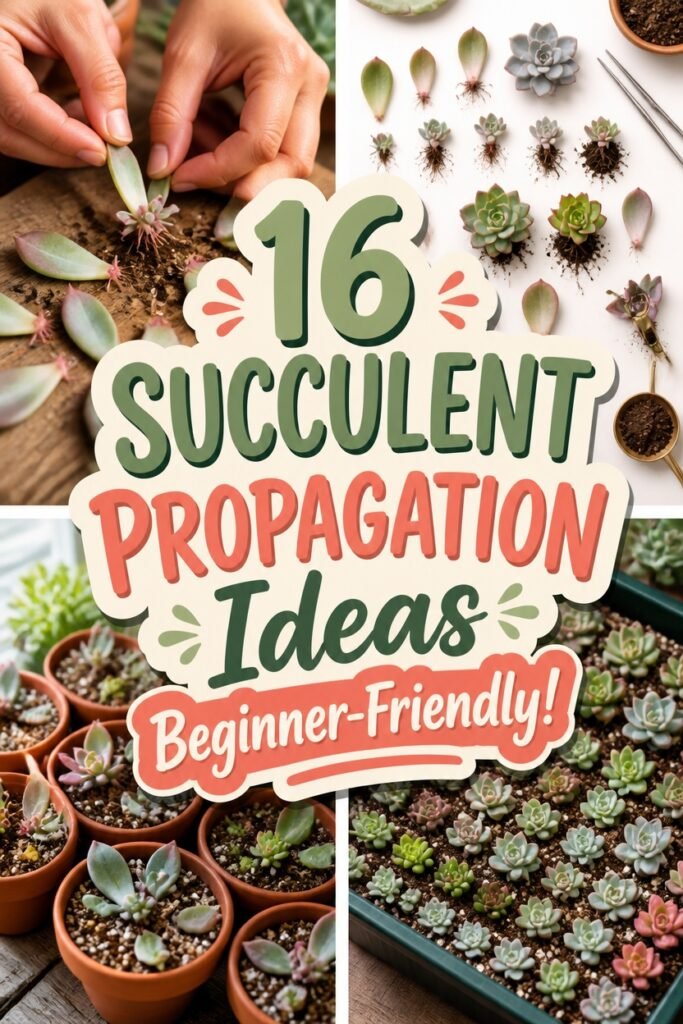
Succulent propagation is one of the easiest ways to grow a garden without buying new plants. Beginners have plenty of options to choose from, including leaf propagation, stem cuttings, simple water methods, and offset division. Each technique works well for novices and comes with its own little perks.
Getting the basics right makes all the difference. Well-draining soil, a sensible watering rhythm, and timing your efforts during spring or summer set you up for success. These small details prevent the headaches that trip up so many first-timers.
Yet even with the best preparation, propagations sometimes fail. The good news is that most problems are preventable once you know what to look for. Learning why things go wrong, and how to fix them, turns scattered results into steady, satisfying growth.
Leaf Propagation: The Easiest Method for Total Beginners
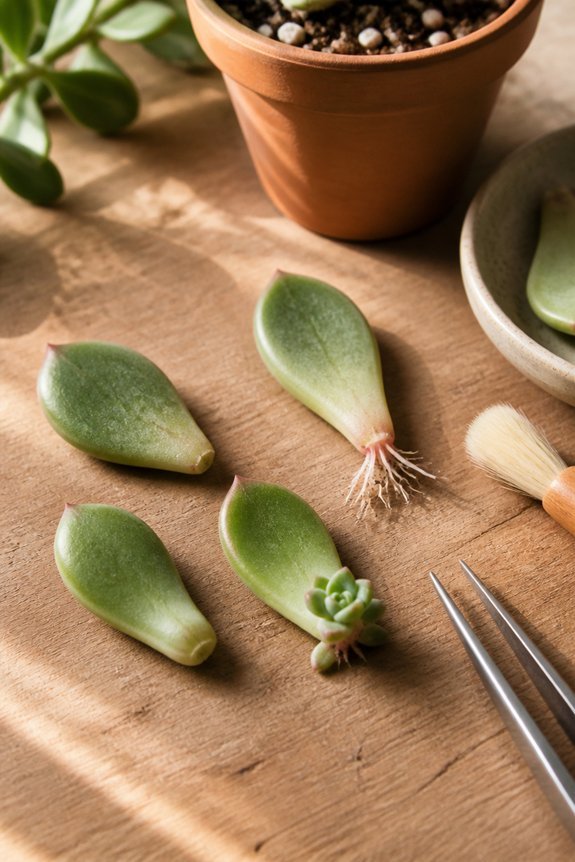
Leaf propagation is the simplest way to multiply your succulents. No special tools needed. Just you, a healthy plant, and a little patience.
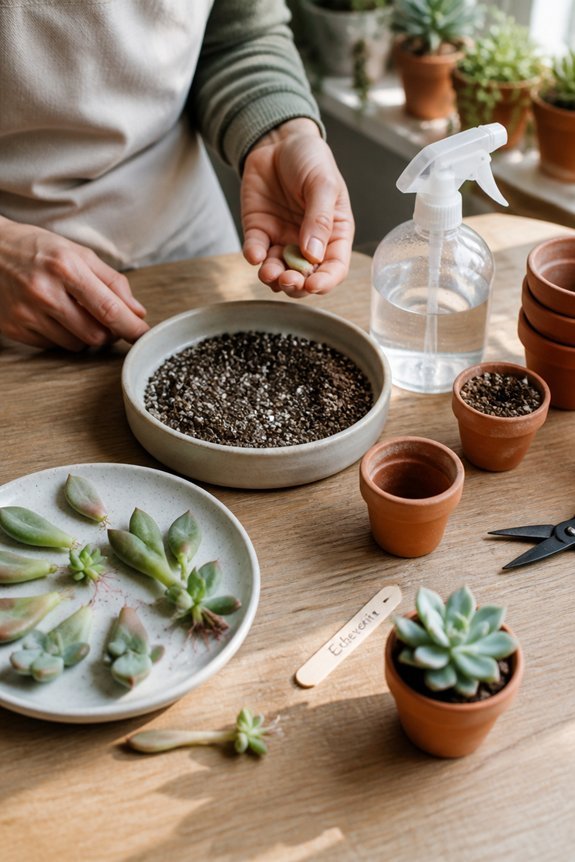
Start with plump, firm leaves. Gently twist them off the stem. You want a clean break. No torn edges. Let them sit on a paper towel for two to three days. This callus step prevents rot. Skip it, and your leaves might turn mushy.
Echeveria, Jade, and Sedum all root well this way. Aloe? Not so much. Stick with the reliable ones first.
Lay your dried leaves on top of dry, gritty soil. Cactus mix works great. Add a thin layer of perlite on top if you have it. Mist lightly every few days. Keep the soil barely damp, never soggy. Bright, indirect light is your friend here. Direct sun will cook them.
Tiny roots usually appear in two weeks. Baby rosettes follow soon after. Wait until the mother leaf shrivels before potting up your new plant. This means it has done its job.
Also read: 11 SUCCULENT CONTAINER IDEAS Ideas Easy To Maintain!
Stem Cuttings: Growing New Plants From Healthy Branches
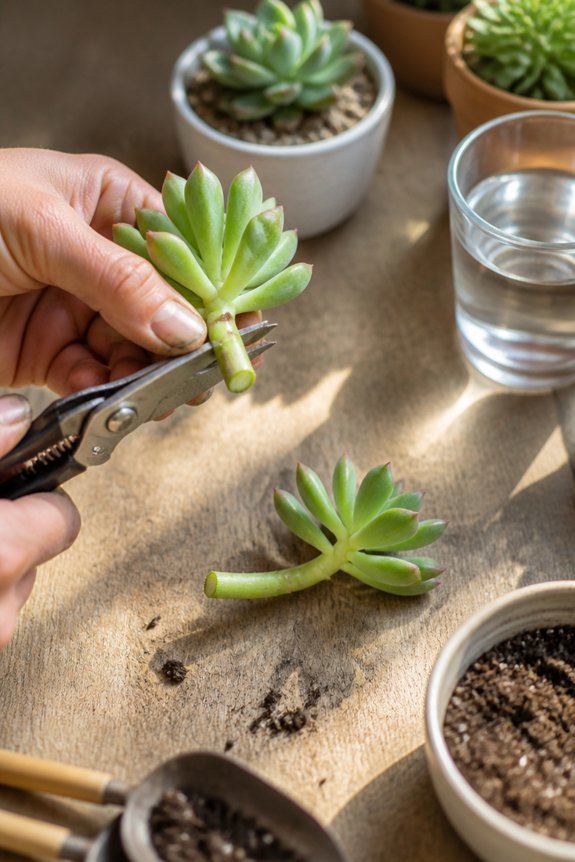
Stem cuttings work great for succulents with branches or stretched-out growth. You simply snip a healthy piece about four to six inches long. Let the cut end dry and harden for a few days first. This callus prevents rot once you plant it.
Jade plants love this method. Echeveria and aloe do too. Stick your prepared cutting into gritty, well-draining soil. Then wait. Roots usually show up in two to four weeks. Hold back on water during this time. Too much moisture kills cuttings fast.
Once you see new roots, you can slowly increase watering. This approach beats leaf propagation for speed. You get a full-sized plant much sooner. Perfect if you are impatient to expand your collection.
Water Propagation: A Clear Path to Root Development
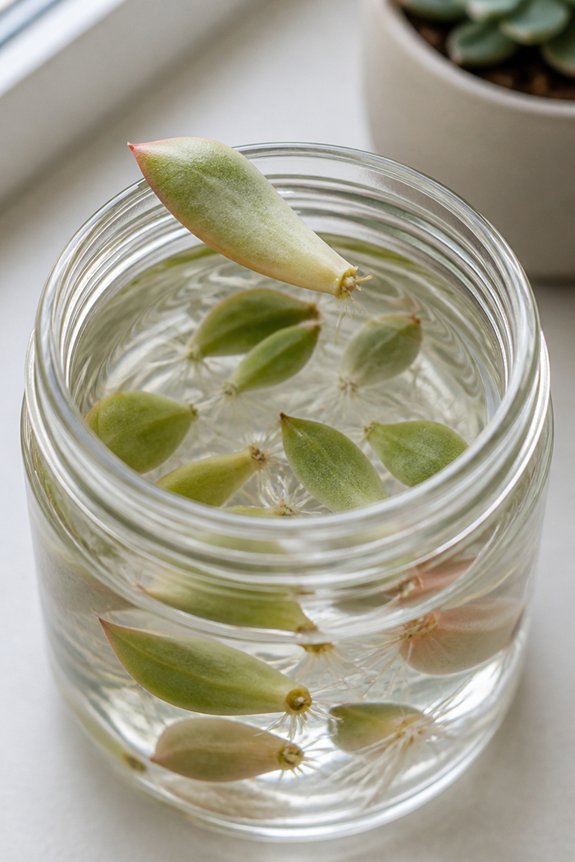
Water propagation lets you watch roots grow in real time. You place cuttings in clear containers. Roots appear over a few weeks. It’s slow but satisfying.
Change the water every two to three days. Fresh water stops bacteria from taking over. Your developing roots need oxygen to stay healthy.
Echeveria, jade plants, and aloe respond well to this method. You’ll see exactly when roots hit the half-inch mark. That’s your signal to move them to soil.
The transplant can be tricky. Water roots are delicate. Let the soil dry slightly between waterings at first. This prevents rot while your plant adjusts.
Choose this method if you enjoy checking progress daily. Skip it if you want instant results.
Propagate From Offsets: The Easiest Division Method
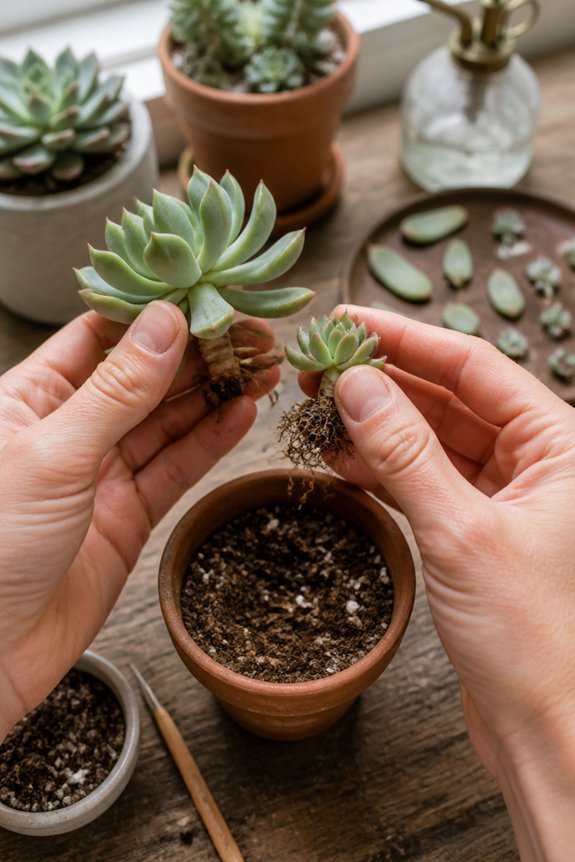
Offsets are nature’s little gift to succulent lovers. These tiny pups cluster around mature plants, ready to become new rosettes all on their own.
Look for offsets about one to two inches wide. Echeveria, sempervivum, and aloe are especially generous with their babies. Gently twist or cut the pup from the parent. Let the wound dry for three to five days. This prevents rot when you plant it.
The beauty here? Those roots are already formed. Your new plant settles in fast with barely any fuss. Beginners love this method because it actually works. No waiting weeks for cuttings to root. No guessing if something went wrong underground. Just a small plant doing what it already knows how to do.
Behead Leggy Plants and Regrow Them
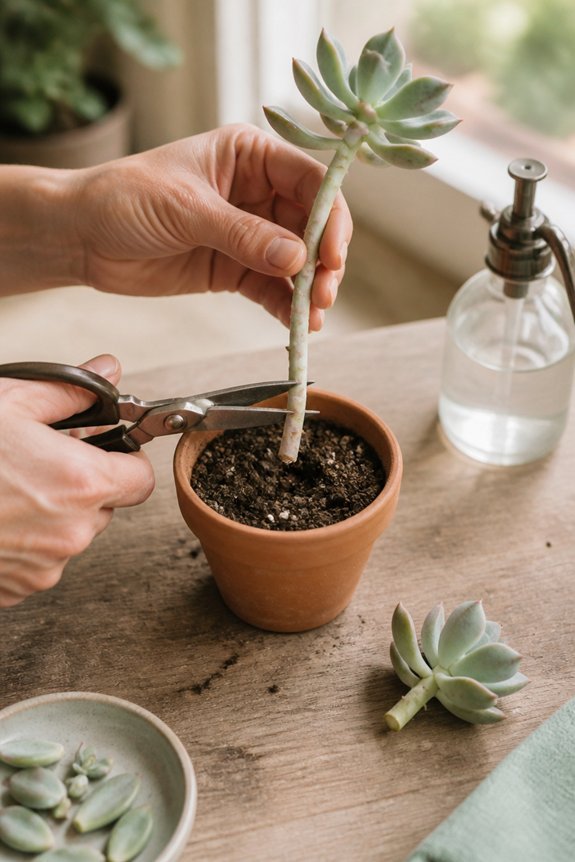
Some succulents get tall and sparse over time. Jade plants and aloe are common culprits. Their stems stretch out, leaving bare patches below.
Beheading fixes this. It sounds dramatic, but it is simple. You cut off the top portion, let it dry, then replant it.
Use clean, sharp shears. Make your cut where the stem still looks healthy. Let the severed end callus over for three to four days. This prevents rot.
Place the dried cutting on sandy, well-draining soil. Do not bury it deeply. New roots emerge in two to four weeks with light watering.
The leftover stem stays in its pot. Watch for tiny new shoots sprouting from the sides. These grow into full branches.
You now have two plants from one. The fresh cutting becomes a compact new specimen. The original plant fills out and looks younger. It is an easy trick for overcrowded or aging succulents.
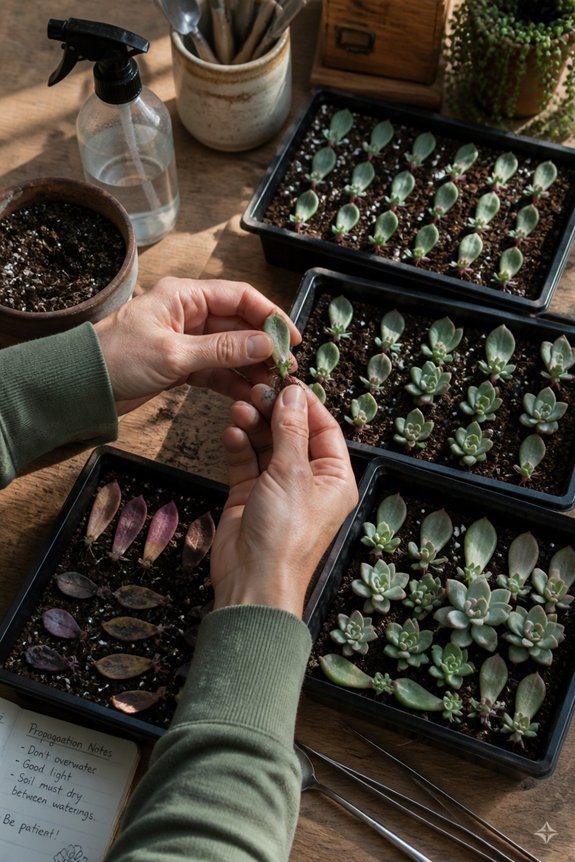
DIY Propagation Boxes for Succulents
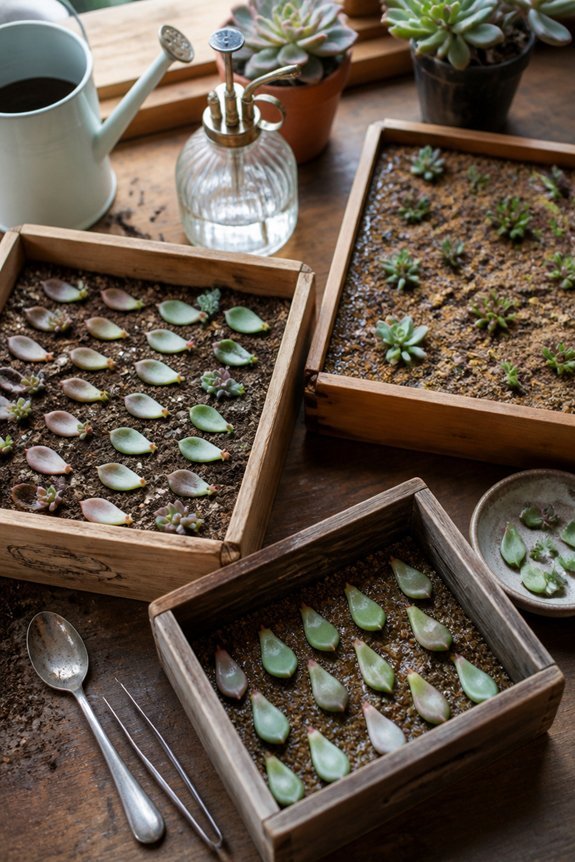
You can build a propagation box with simple items you already own. A clear plastic container works great. A shallow tray or even an old takeout box does the job too.
Airflow matters more than you think. Your container needs drainage holes or at least some way for air to move through. Trapped moisture rots delicate cuttings fast.
Cactus mix makes an excellent base. You can also blend perlite with regular potting soil for a lighter mix. Spread this evenly across the bottom.
Lay your cuttings and leaves on top. Press them gently so they make contact with the soil. Do not bury them completely. Root growth happens from the base, not from deep planting.
Bright indirect light helps roots form quickly. A spot near an east-facing window works perfectly. Skip the harsh afternoon sun. It dries out leaves before roots can develop.
Check your soil every few days. Water lightly when the surface feels dry. Slightly damp beats soggy every time.
Most succulents show tiny white roots within two to four weeks. Some slower varieties need a bit longer. Patience pays off here. Once roots appear, you can transplant to small pots or keep growing them in the box.
Choose the Right Propagation Soil
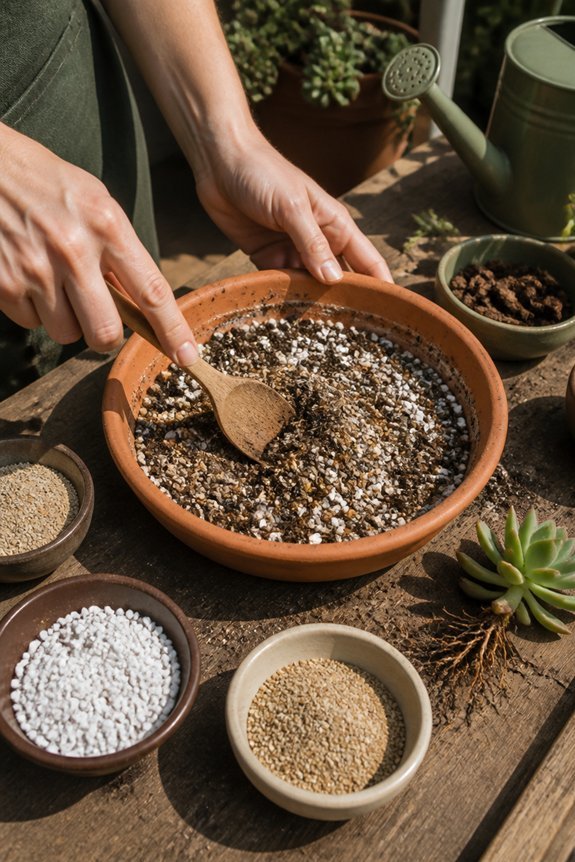
Your propagation box is only as good as what you put inside it. Soil quality directly impacts root development and seedling survival.
Standard potting soil holds too much water. Succulent roots rot quickly in soggy conditions. You need something that drains fast.
Mix your own blend with regular potting soil and perlite or coarse sand. A 1:1 ratio works perfectly. This gives roots nutrients without drowning them.
Cactus soil saves time. It comes ready for desert plants. Grab a bag if you want something simple.
Skip the peat moss. It traps moisture. Succulents hate wet feet.
Boost drainage even more with extra perlite, pumice, or orchid bark. Test your mix by watering it. Good soil empties within seconds. Waterlogged roots damage young plants fast. Get the soil right, and your propagations will thank you.
How Much Light Do Propagations Need?
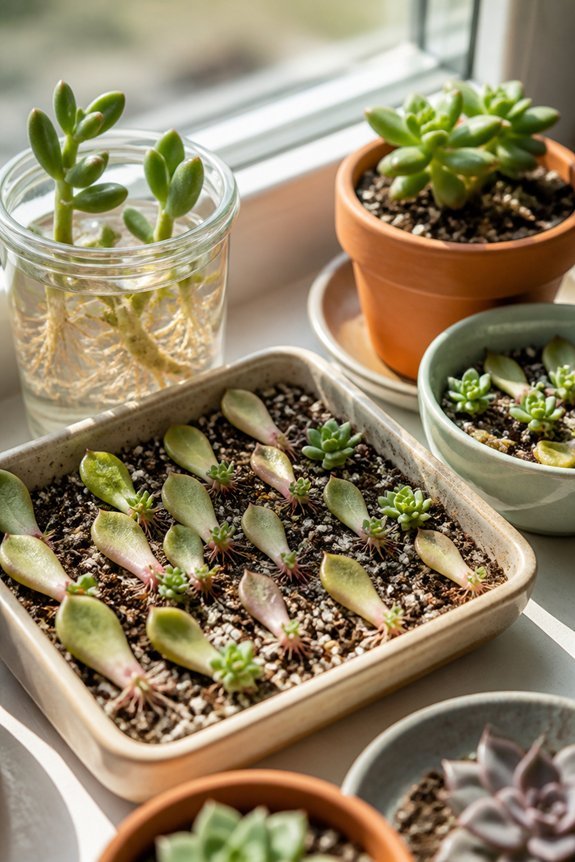
Wondering how much light your baby succulents actually need? You’re not alone. Most propagations thrive with six to eight hours of bright, indirect light each day.
Direct sun is too harsh for delicate new leaves. It can scorch them quickly. Too little light causes weird stretching and weak stems. Your propagations will look leggy and sad.
A south or west-facing window works perfectly. No good window? Grab a fluorescent or LED grow light instead. Position it six to twelve inches above your plants. Rotate the containers every few days so everything grows evenly.
Winter is trickier. Natural daylight drops, so your propagations need extra light exposure. Seedlings and leaf cuttings especially hate temperature swings. Keep their lighting consistent.
Watch your plants closely. Thin, pale growth means etiolation. That’s your cue to bump up the light. Catching it early keeps your propagations compact and healthy.
Water Your Propagations Without Rotting Them
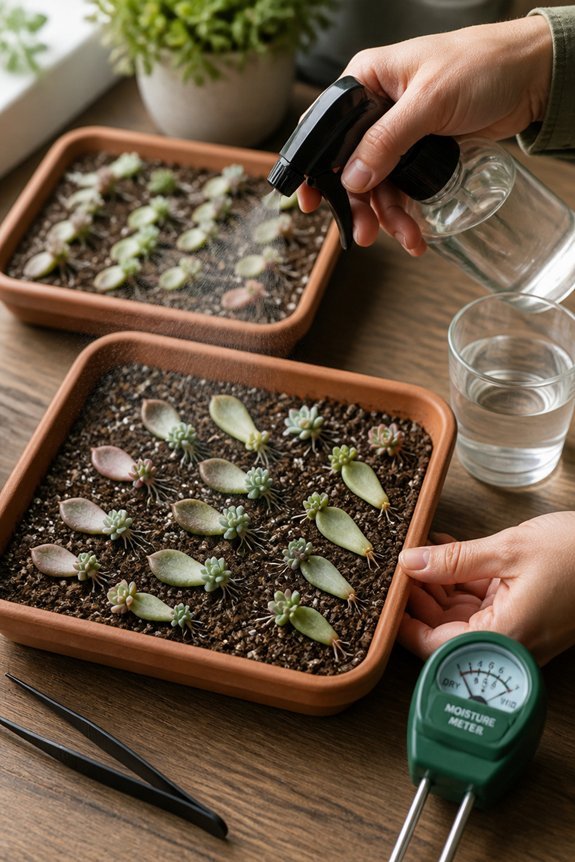
Watering propagations takes practice to master. Moisture levels affect rooting success. Too much water rots roots fast. Too little stops growth completely.
Start small with your watering. Let soil dry fully between sessions. Leaf propagations need just a light mist every few days. Never soak the soil. Stem cuttings want barely any water until roots show up. That usually takes two to three weeks.
Once you spot roots, increase water slowly. Use gritty mixes with perlite, sand, or pumice. These drain fast. Stick your finger one inch down to check. Feel wetness? Wait longer. Each succulent species likes different amounts. Watch closely and adjust as you go.
Timing Your Succulent Propagations
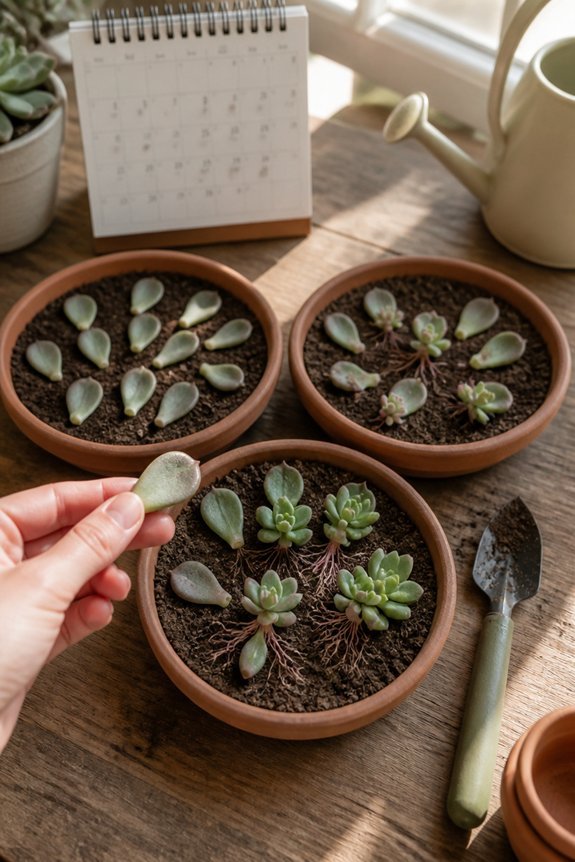
Getting the watering right sets the foundation. But timing matters just as much.
Spring and early summer are your sweet spot. Succulents wake up and start growing fast. Leaf cuttings from jade plants, echeveria, and sedum root much quicker now. More sun and warmth make all the difference.
Fall still works. Just know that everything slows down as it gets cooler.
Winter is tough. Short days put many succulents to sleep. Roots struggle to form when plants go dormant.
Keep an eye on your local conditions. Aim for steady warmth around 60 to 75 degrees. Bright, indirect light helps too. Start your cuttings before seasons change. This gives baby plants time to settle in before growth stops.
Temperature and Humidity for Succulent Propagation
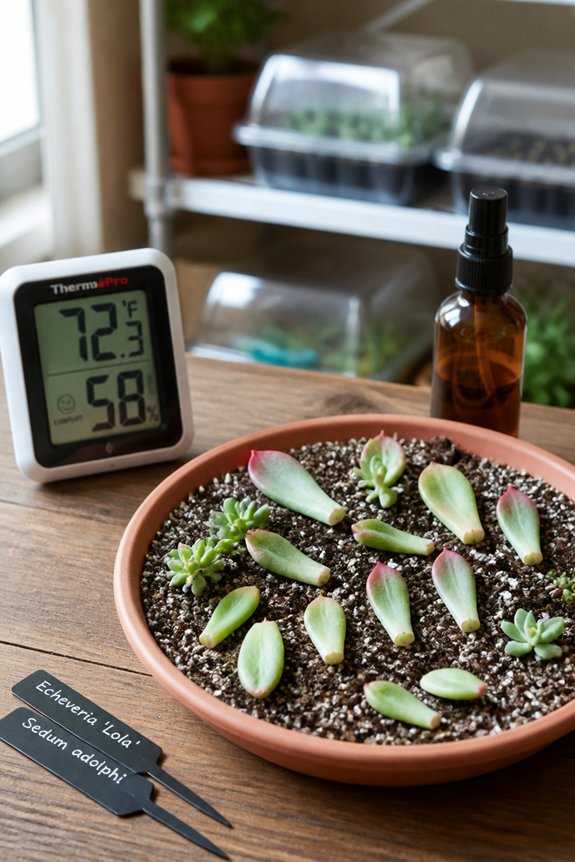
Succulent cuttings do best when it’s cozy. Think 60 to 75 degrees Fahrenheit. That’s your sweet spot.
Cold is tricky. Anything under 50 degrees puts roots to sleep. Heat’s no better. Over 85 degrees and you risk rot or crispy leaves.
Your humidity sweet spot sits between 40 and 60 percent. Too wet spells fungus trouble. Too dry and cuttings pucker before roots ever show up.
Indoor setups work great for most folks. Just steer clear of vents, AC units, and drafty windows. Those spots play tricks on temperature.
Echeveria and Jade roll with standard room conditions. Aloe? A bit fussier. Keep those closer to 70 or 75 degrees for happiest results.
Timeline Expectations: From Cutting to Mature Plant
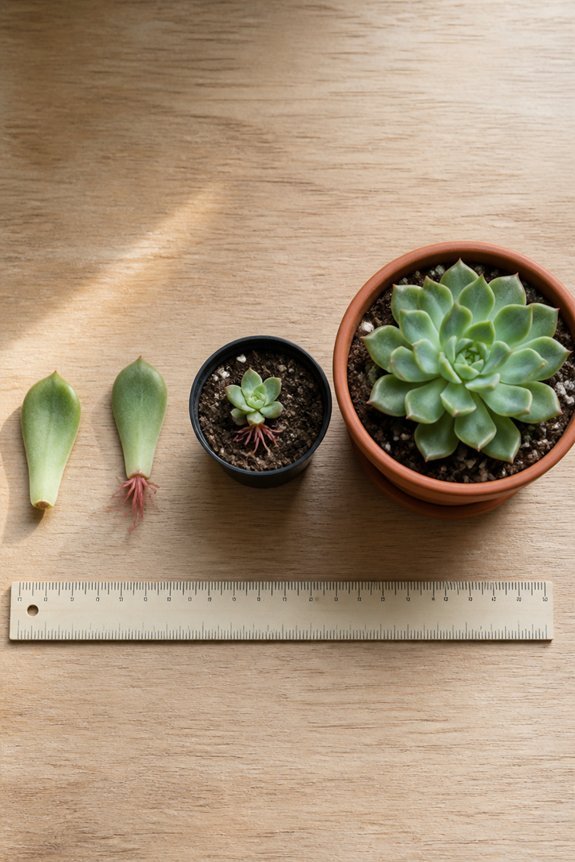
Succulent propagation follows a loose schedule. Timelines shift based on species and growing conditions.
Leaf cuttings usually root within two to three weeks. Stem cuttings move faster. Some root in just seven to ten days.
Once rooted, new shoots push up from the base. Tiny rosettes appear soon after. For Echeveria and Jade plants, this happens around four to six weeks.
Growing to full size takes real patience. Small plants need six months to two years to mature. Aloe and Aeonium varieties move slower than others.
Good care speeds things up. Keep watering consistent. Use pots with drainage holes. Bright light helps too. Steady temperatures prevent stalling.
From single leaf to sturdy plant, plan for at least one year. Most common succulents need this long to truly settle in.
Common Succulent Propagation Mistakes and How to Avoid Them
Timelines give you something to look forward to. But knowing what *not* to do saves you from heartbreak down the road.
Overwatering is the big one. Wet leaves and stems rot way before roots ever show up. Keep things almost too dry at first. Your patience pays off.
Light matters more than people think. Too little makes everything pale and floppy. Too much too fast scorches tender new growth. Think bright kitchen window, not blazing afternoon sun.
Soil choice trips up beginners too. Regular potting mix holds water like a sponge. That invites fungus to the party. Grab the cactus blend instead. Your future self will thank you.
Skip the callus phase and bacteria sneak right in. Let those fresh cuts air out for three or four days. They’ll look dry and slightly hardened when ready.
Resist the urge to poke and rearrange. Every time you move a leaf, those baby roots tear. Set them somewhere and walk away. Check weekly at most.
Small habits make the difference. Sparge watering until you see roots. Consistent indirect light beats perfect intensity. Your success rate jumps when you learn to leave things alone.
Managing Multiple Propagations Without Chaos
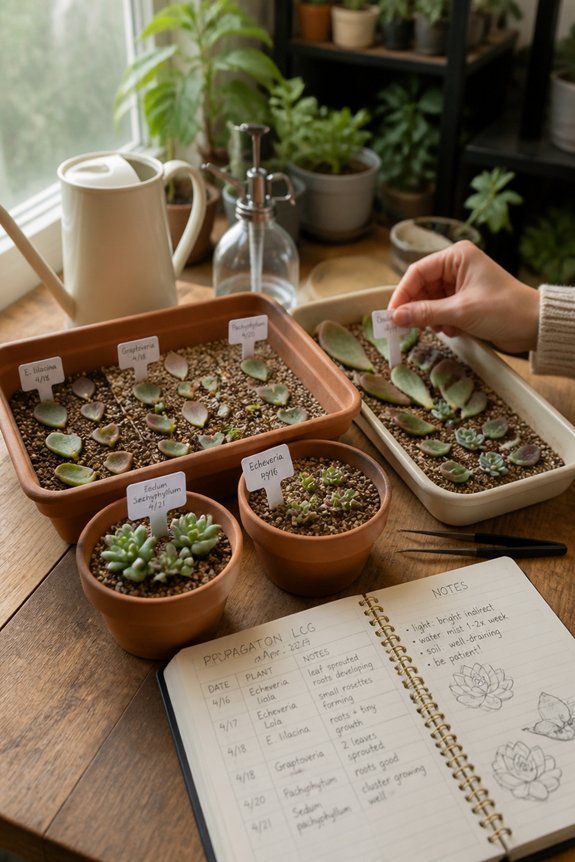
You’ve got twelve propagations on the go. Maybe more. Without a system, you’ll lose track fast.
Start simple. Group by type, age, and thirst level. Echeveria stays with echeveria. Jade hangs with jade. Your future self will thank you.
Label everything. Species, date, method. Sharpie on tape works fine. Sloppy handwriting still beats memory.
Build a basic spreadsheet. Watering days. Light exposure. Progress notes. Check it weekly. Slower batches need love too.
Keep stations separate. Leaves over here. Cuttings there. Offsets get their own corner. Mix them up and you’ll underwater a stem cutting or rot a leaf.
Match your pots and soil per batch. Visual shortcuts save mental energy. Clear shelves help you spot trouble early. Mature plants up top. Babies down low.
Propagation stops feeling like chaos. It starts feeling like a small, living factory you actually run.
Toughen Up Your Baby Plants: Moving Them Outdoors
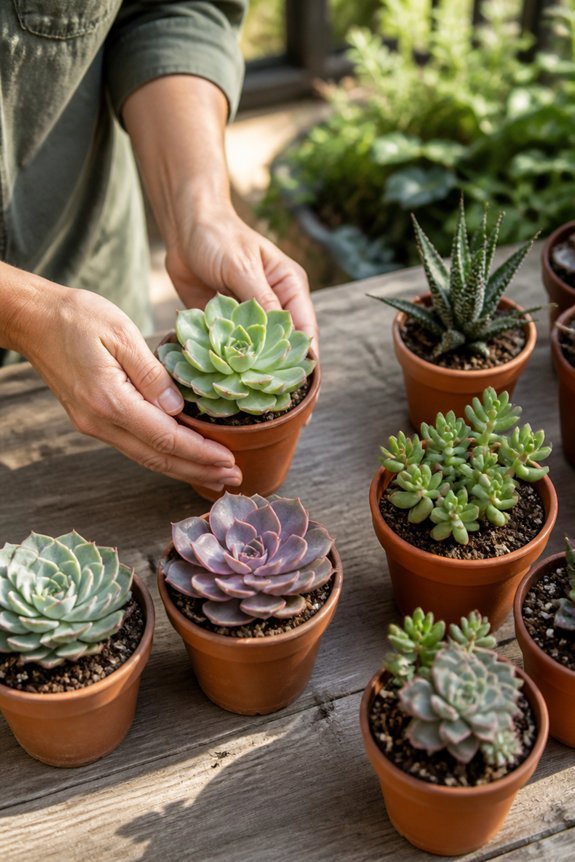
Your baby succulents have lived a cozy indoor life. Now it’s time for the real world.
This transition is called hardening off. It matters. Sudden changes in light, wind, or temperature can damage tender leaves and stall growth.
Start small. Move your propagations outside for just an hour or two. Pick a spot with dappled shade. Morning light behind a tree works perfectly. Avoid midday sun and breezy corners.
Gradually extend their outdoor time over one to two weeks. Watch how they respond. Some species toughen up fast. Others need patience.
Keep the soil slightly moist. Outdoor air pulls water from pots much quicker than your living room. Check daily by pressing a finger into the top inch of mix.
Look for warning signs. Leaves turning pale or soft mean too much sun too soon. Wrinkling signals thirst. Adjust placement or timing based on what you see.
Match your schedule to your climate. Cool, cloudy regions allow longer daily stretches. Hot, dry areas demand slower, more cautious steps.
Once your plants handle full outdoor days without stress, they’re ready for permanent homes in garden beds or containers.
Why Your Propagations Are Dying (And How to Save Them)
Most propagations die from the same trio of mistakes. Overwatering. Poor drainage. Too little light. These problems love to team up.
Excess moisture is the biggest killer. Root rot sets in fast, especially with jade plants and echeverias. Wet soil that never fully dries becomes a playground for fungi.
Dim light makes things worse. Weak seedlings can’t fight off disease. They need bright, indirect sun for six hours minimum each day.
Try these fixes:
- Switch to cactus soil or mix in plenty of perlite
- Water only every two weeks. Set a phone reminder if needed
- South-facing windows work wonders
- No good window? A basic grow light does the job
- Spot rot? Remove those leaves immediately
Fix all three factors at once. Your survival rates will jump.
Frequently Asked Questions
Can I Propagate Succulents During Winter or Should I Wait for Spring?
Propagating succulents during winter is possible but challenging. Spring remains the ideal season due to warmer temperatures and increased daylight, which promote faster root development. However, growers can succeed in winter by providing supplemental light and maintaining consistent warmth indoors.
Which Succulent Species Are Easiest for Beginners to Propagate Successfully?
Jade plants, echeveria, and sempervivum represent the easiest species for beginner propagators. These varieties tolerate neglect well, require minimal maintenance, root quickly from leaves or offsets, and demonstrate high survival rates, making them ideal starter options.
How Do I Know When Propagations Are Ready to Be Transplanted?
Propagations are ready for transplanting when they develop a small rosette of leaves and visible roots approximately one-quarter inch long. Additionally, they should feel firmly anchored in soil and show active growth without wilting or deterioration.
Is It Possible to Propagate Succulents From Flower Buds or Blooms?
Propagating succulents from flower buds or blooms is generally not viable. These parts lack the necessary biological structures to develop roots and form new plants. Leaf and stem propagation remain the most reliable methods for successful succulent reproduction.
Can I Use Regular Potting Soil Instead of Cactus Propagation Soil?
One could certainly use regular potting soil and watch their succulent dreams wilt spectacularly. However, cactus soil’s superior drainage prevents root rot, making it the practical choice for successful propagation, though regular soil works in pinch if amended with perlite.
Conclusion
Propagating plants proves particularly practical when properly prepared. Beginners benefit by building basic knowledge through leaf, stem, and offset methods. Success stems from systematic soil selection, sensible spacing, and seasonal scheduling during spring and summer months. Patience and persistent practice produce plentiful plants. By avoiding common complications and carefully considering conditions, gardeners cultivate collections confidently. Succulent propagation becomes progressively simpler through straightforward strategies and sustained attention.