Every morning, a little pile of used coffee grounds goes in the trash, and every gardener eventually wonders if it should go on the garden instead. The short answer is yes, for the right plants and in the right amount. These 12 plants that like coffee grounds are the ones that do best with the extra organic matter grounds add to soil.
The list covers blueberries, roses, hydrangeas, hostas, a few vegetables and three easy houseplants. Each entry explains what the plant looks like, why grounds suit it, and how to use them so they help instead of harm. You’ll also find the light, water and size each plant needs, so you can pick the ones that fit your yard or windowsill.
One thing first, because most advice gets it wrong. Used coffee grounds are not the strong acid many people think they are. Once you know what grounds really do, it is much easier to use them well.
What the Plants on This List Have in Common
Every plant here grows best in rich, crumbly soil full of organic matter, which is what coffee grounds add once they break down. Azaleas, camellias, gardenias and bigleaf hydrangeas are acid-loving shrubs. Blueberries, strawberries and peppers reward a well-fed bed with a better harvest. Hostas and roses thrive in deep, moist ground, while peace lily, philodendron and African violet take a light dose mixed into their potting soil.
1. Blueberries (Vaccinium)
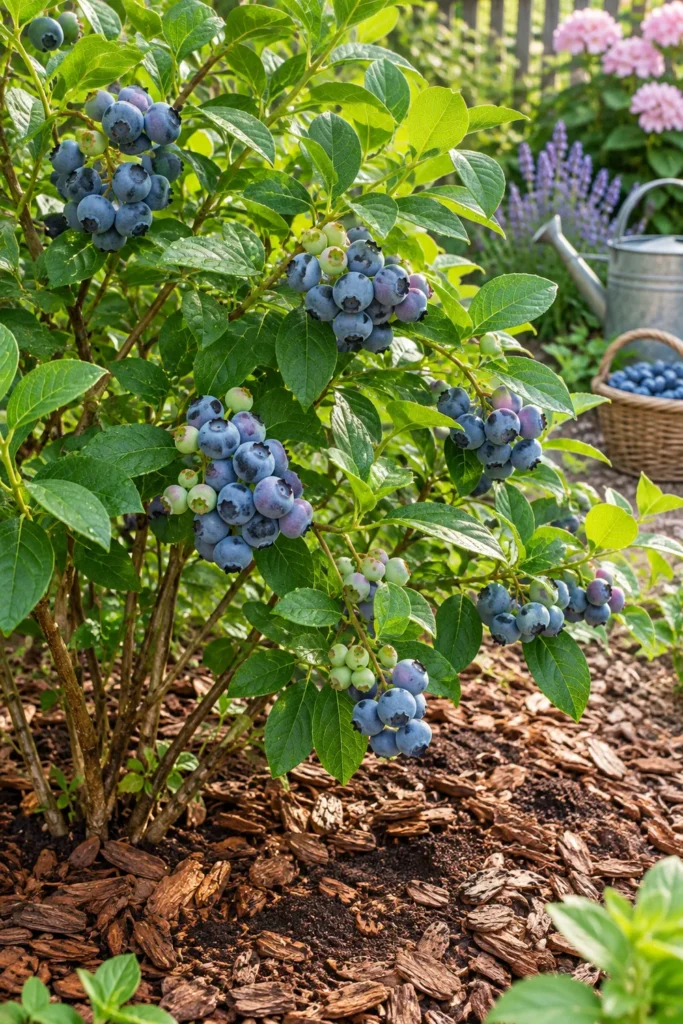
Blueberries are the plant everyone names first when coffee grounds come up. They are worth growing for more than the fruit. White, bell-shaped flowers come in spring, berries ripen in summer, and in fall many bushes turn bright red.
They do need acidic soil, but coffee grounds will not supply it. What blueberries do love is soil rich in organic matter and a mulch that keeps their shallow roots cool and moist. Composted grounds mixed into a pine bark or pine needle mulch are a good fit for that. If your soil test shows it is not acidic enough, follow the test’s advice for lowering pH instead of relying on grounds.
Plant two or more varieties of the same type and you will usually get a bigger harvest.
Quick facts: Deciduous fruiting shrub | Full sun | Steady, even moisture | Typically 4 to 6 feet for highbush types | White flowers in spring, berries in summer, red fall leaves | Edible borders, hedges and large containers | Hardiness: USDA zones 3 to 9, depending on type
2. Bigleaf Hydrangea (Hydrangea macrophylla)
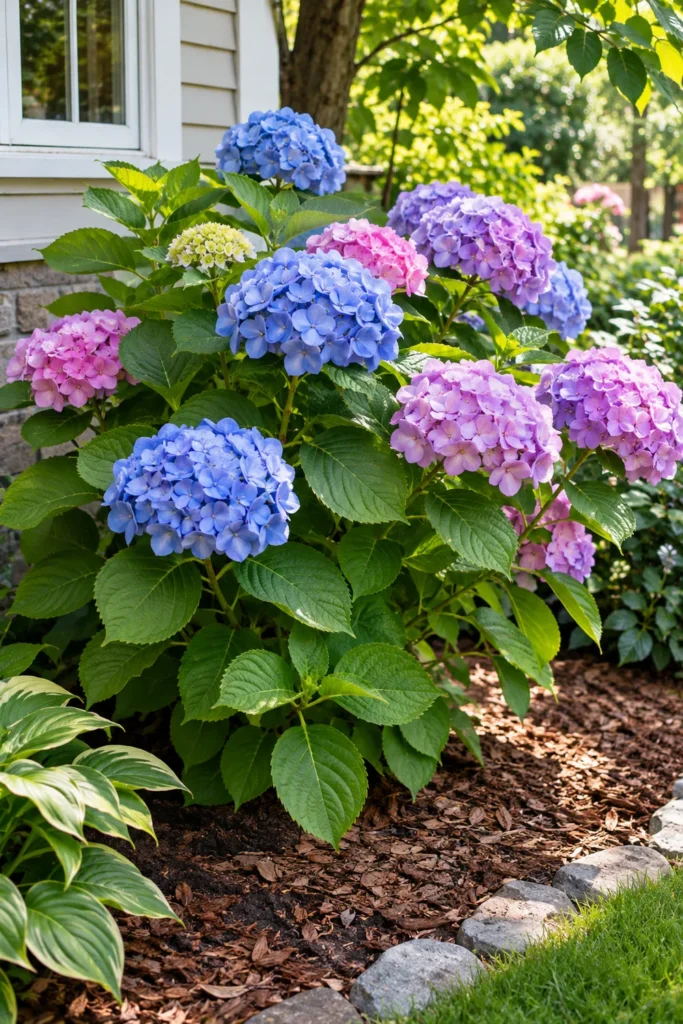
Big, rounded mopheads or flat, lacy lacecap flowers make bigleaf hydrangea one of the most loved shrubs in American yards. It is also the plant behind the most popular coffee grounds myth: that grounds will turn pink flowers blue.
The truth is less exciting. Flower color depends on soil pH and how much aluminum the plant can take up, and coffee grounds do not change either one reliably. What grounds can do is enrich the soil, which hydrangeas like, since they want moist, rich ground and morning sun with afternoon shade. Work a little composted grounds into the bed in spring. Then let the flowers be whatever color your soil makes them, or plan a whole bed around them with these hydrangea front yard ideas.
📝 Quick note: Bigleaf hydrangeas turn blue when the soil is acidic enough for the roots to take up aluminum. Coffee grounds do not lower pH enough to cause that, so a soil test is the only reliable starting point for changing flower color.
Quick facts: Deciduous flowering shrub | Morning sun, afternoon shade | Regular water, never bone dry | Typically 3 to 6 feet tall and wide | Flowers in summer | Foundation beds, shady borders, cut flowers | Hardiness: USDA zones 6 to 9
3. Roses (Rosa)
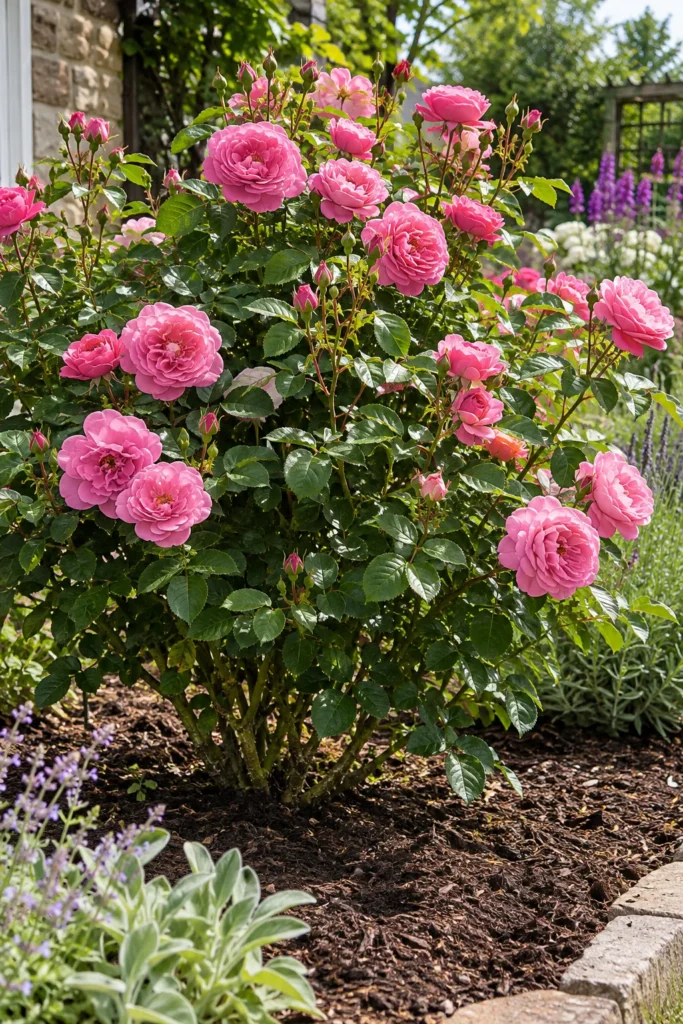
Roses are hungry plants. They bloom hard all season, and they do it best in deep, crumbly soil full of organic matter. That makes them a natural match for compost made with coffee grounds.
Whether you grow climbers, shrub roses or a classic hybrid tea, the plants want at least six hours of sun and soil that drains well but still holds moisture. Grounds add a little nitrogen for leafy growth and feed the soil life that keeps rose beds healthy. Mix a handful of composted grounds into the top of the soil each spring, then cover it with your usual mulch.
Do not count on grounds as a full feed. They do not carry enough nutrients for a heavy bloomer, so keep up with a rose fertilizer and follow the label.
Quick facts: Deciduous flowering shrub or climber | Full sun | Deep watering once or twice a week in dry spells | Typically 2 to 6 feet for shrub types, climbers much taller | Flowers late spring through fall | Borders, cottage gardens, fences and cut flowers
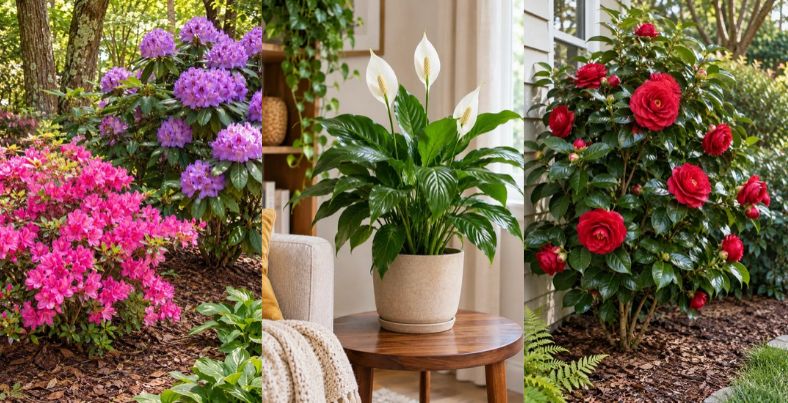
4. Azaleas and Rhododendrons (Rhododendron)
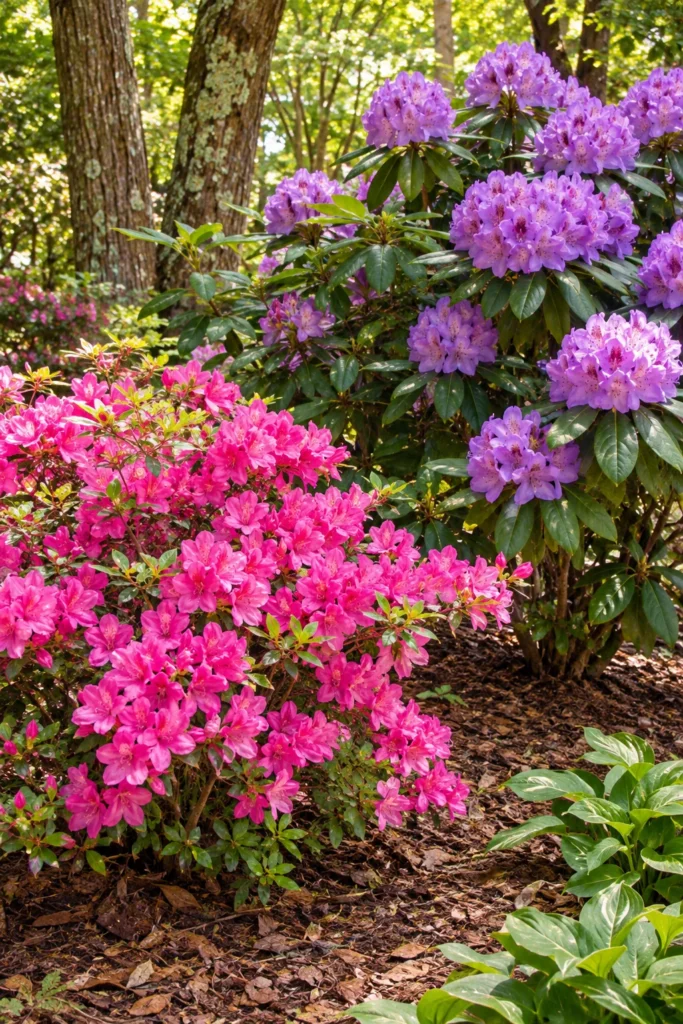
Azaleas and rhododendrons belong to the same plant group. In spring they cover themselves in trusses of pink, purple, red or white flowers, and many keep their leathery leaves all winter.
Both are acid lovers with shallow, fine roots that sit close to the surface. That is why the right kind of mulch matters so much. A thin layer of used coffee grounds mixed into shredded leaves or pine bark adds organic matter without smothering the roots. Never dump a thick pile of grounds around them. Dense grounds can crust over and keep water from reaching those shallow roots.
Plant them in dappled shade, out of hot afternoon sun. All parts of these plants are toxic to pets and people if eaten.
Quick facts: Evergreen or deciduous flowering shrub | Part shade | Steady moisture, good drainage | Typically 2 to 8 feet, depending on type | Flowers in spring | Woodland gardens, shady foundations, borders
5. Hostas (Hosta)
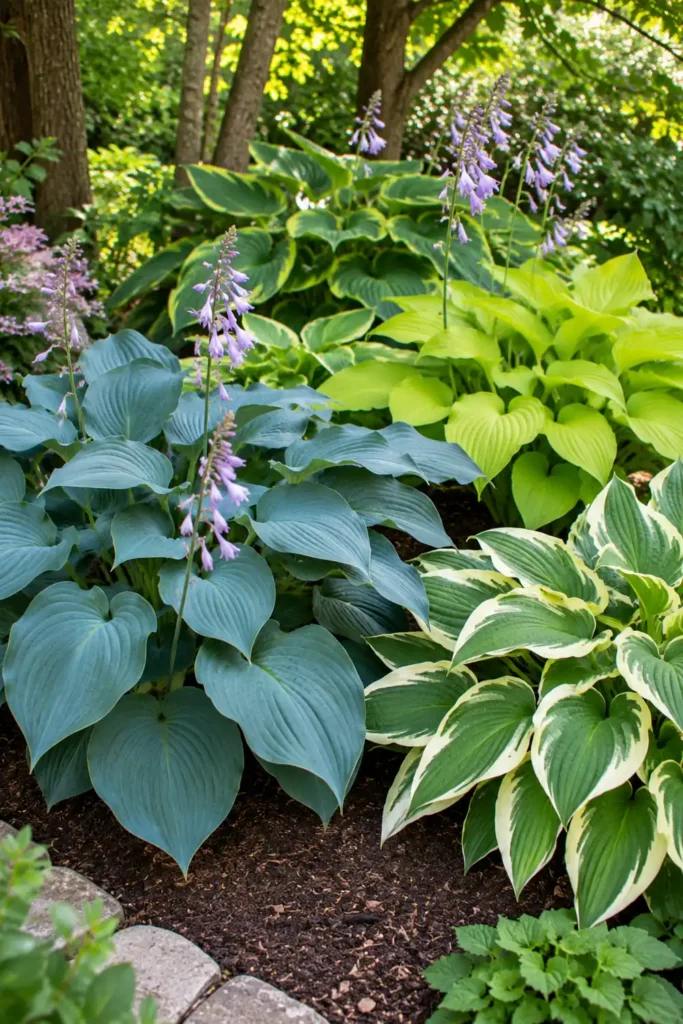
Hostas grow for their leaves. Those leaves come in deep green, blue-gray, chartreuse and gold, often edged or streaked in cream, and they light up shade where few flowers will grow. In summer, tall spikes of lavender or white flowers rise above them.
They thrive in rich, moist, crumbly soil, so composted coffee grounds are a welcome addition when you dig a new bed or top-dress an old one. You may read that a ring of grounds keeps slugs off hostas. A coarse ring of grounds has not been shown to stop them, so treat it as a bonus at best, not a cure. For a strong start, follow these steps on how to plant hostas and mix the grounds into the planting hole with compost.
Hostas are toxic to cats and dogs if eaten.
Quick facts: Herbaceous perennial | Part to full shade | Regular water, steady moisture | Typically 1 to 3 feet tall, wider spread | Foliage spring to fall, flowers in summer | Shade gardens, edging, under trees, containers | Hardiness: USDA zones 3 to 9
6. Strawberries (Fragaria × ananassa)
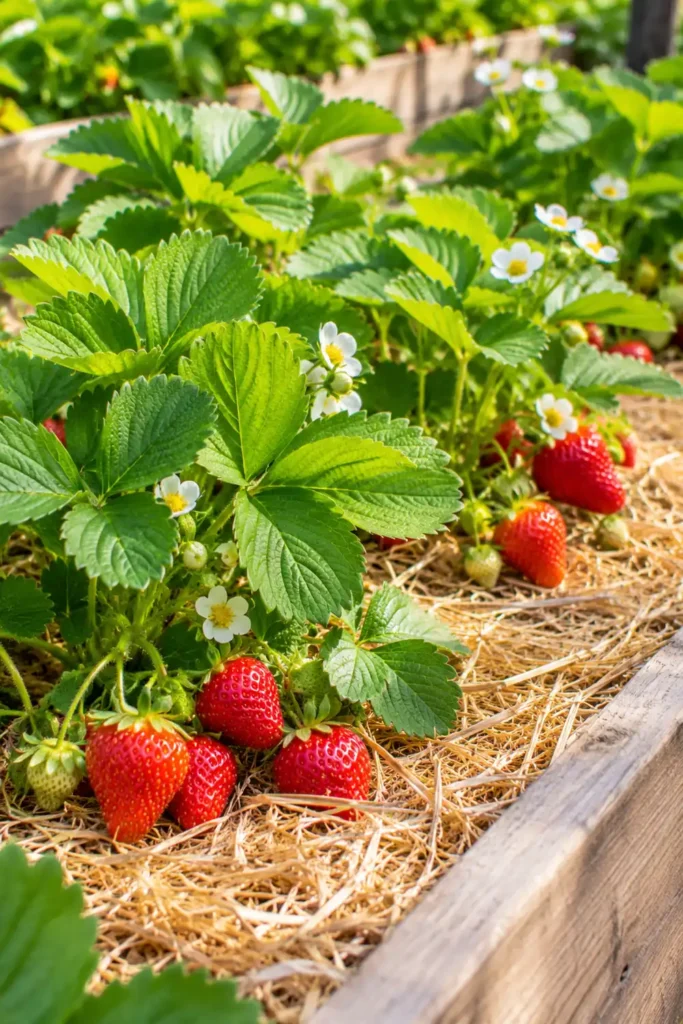
Garden strawberries grow as low, spreading plants with three-part leaves, white flowers and bright red fruit in late spring or summer, depending on the type. They are one of the easiest fruits to grow in a small space.
Strawberries like slightly acidic, rich soil that drains well, and they reward good soil prep. Dig composted coffee grounds into the bed a few weeks before planting rather than scattering fresh grounds around the crowns. Fresh grounds sitting on top can hold too much moisture next to the plants. Once they are in, mulch with straw to keep the berries clean and off the soil.
Pinch off the runners if you want bigger berries. Let a few root if you want more plants next year.
Quick facts: Low, spreading perennial | Full sun | Regular water, about 1 inch a week as a rule of thumb | Typically 6 to 12 inches tall | White flowers in spring, fruit late spring to summer | Raised beds, containers, edible edging
7. Camellias (Camellia)
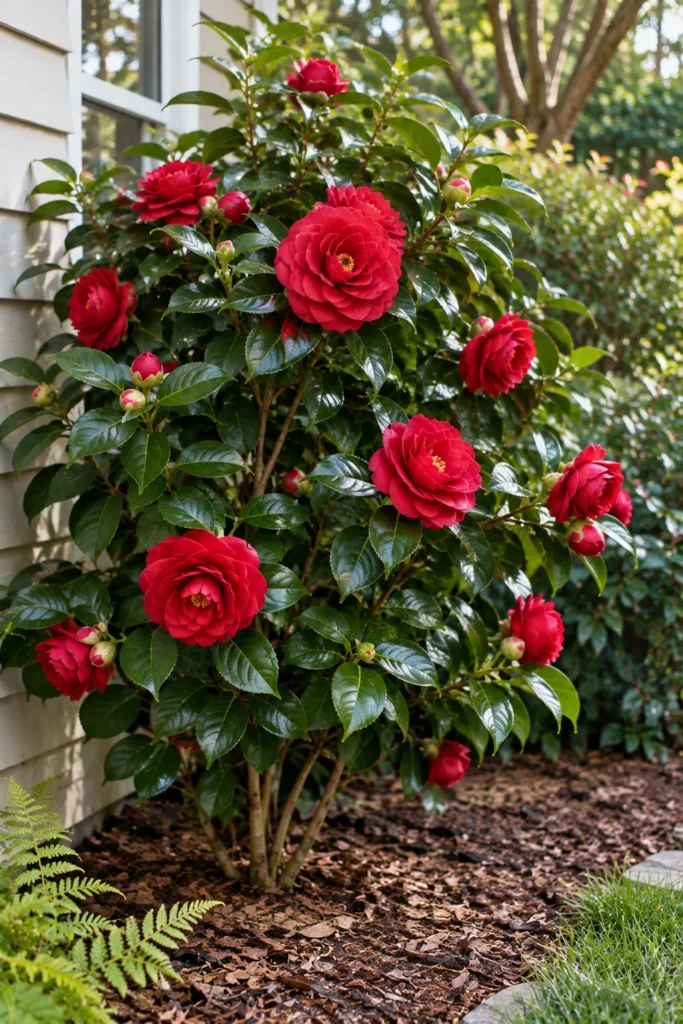
Camellias bloom when almost nothing else does. Their rose-like flowers in pink, red or white open in fall, winter or early spring, depending on the type, against glossy, dark evergreen leaves.
Like azaleas, camellias want acidic, rich soil that stays moist but never soggy. They grow best in part shade with shelter from hot afternoon sun. A thin layer of used coffee grounds tucked under bark mulch adds organic matter as it breaks down. Because camellias are slow growers with fine roots, a light, steady approach beats a heavy dose every time.
Water deeply in dry spells, especially while buds are forming. Dry roots are a common reason buds drop before they open.
Add used grounds to your compost pile and use the finished compost.
Spread a thin layer and mix it into the soil, or cover it with leaf or bark mulch.
Test your soil before trying to change its pH.
Piling thick layers of grounds around plants, which can crust and block water.
Sprinkling grounds where you have just sown seeds.
Leaving grounds where dogs can eat them, since the caffeine can make them sick.
Quick facts: Evergreen flowering shrub | Part shade | Steady moisture, good drainage | Typically 6 to 12 feet over many years | Flowers fall to spring, depending on type | Shady borders, foundations, large containers | Hardiness: USDA zones 7 to 9
8. Peace Lily (Spathiphyllum)
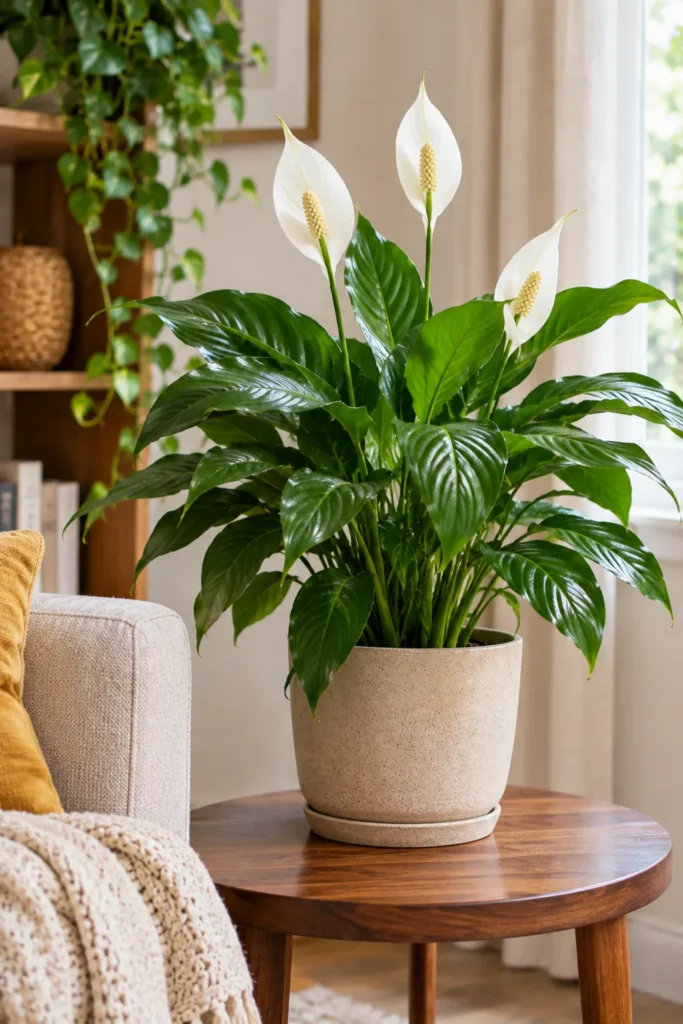
Peace lily is the houseplant that tells you when it’s thirsty. Its glossy, dark green leaves droop dramatically when the soil dries, then perk back up within hours of a drink. White, sail-like flowers rise above the leaves on tall stems.
It likes moisture and rich potting mix, which is why it shows up on coffee grounds lists. In a pot, though, grounds need extra care. A layer of grounds on top of the soil can grow mold and invite fungus gnats. The safer move is to mix a small spoonful of composted grounds into fresh potting mix when you repot. Pair that with good peace lily care indoors and you’ll rarely see it droop.
Peace lily is toxic to cats and dogs if chewed.
Quick facts: Evergreen houseplant | Low to medium indirect light | Water when the top of the soil feels dry | Typically 1 to 3 feet tall indoors | White flowers off and on through the year | Living rooms, offices, low light corners
9. Peppers (Capsicum annuum)
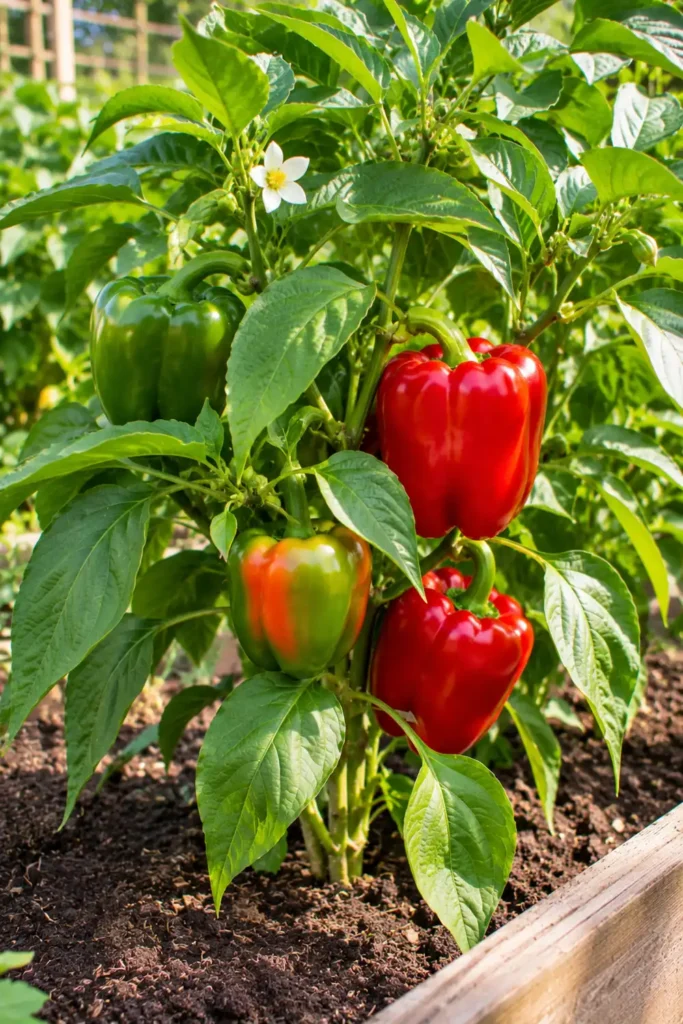
Sweet bell peppers and hot chilies come from the same species. They grow into bushy plants with glossy leaves, small white flowers and fruit that ripens from green to red, yellow, orange or purple, depending on the type.
Peppers want warm weather, full sun and rich soil that is slightly acidic to neutral. That matches what composted coffee grounds deliver. Dig the compost into the bed or the planting hole when you set out transplants, once the soil has warmed. Do not lean on grounds for feeding through the season. Peppers need a balanced fertilizer once they start to flower, so follow the product label.
Grow them in big containers if your garden soil is heavy clay. Peppers hate wet feet.
Quick facts: Warm season annual vegetable | Full sun | Steady moisture, never waterlogged | Typically 1 to 3 feet tall | Fruit midsummer to frost | Vegetable beds, raised beds, patio containers
10. Gardenias (Gardenia jasminoides)
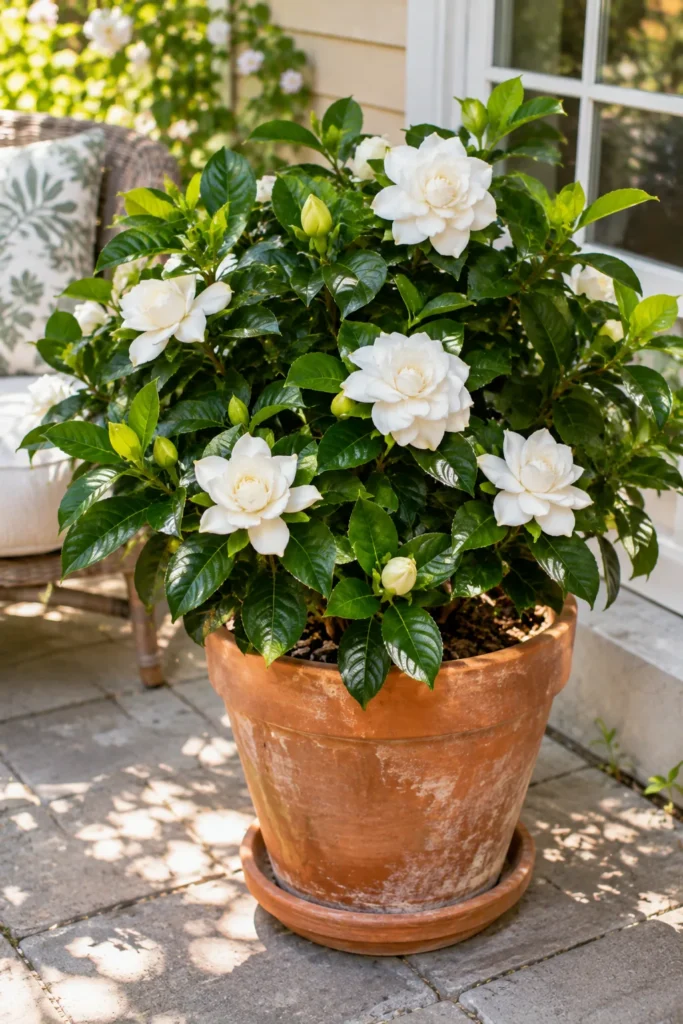
One gardenia bloom can scent a whole porch. The waxy, creamy white flowers open in late spring and summer against glossy, dark evergreen leaves, and their fragrance is the reason people put up with their fussiness.
Gardenias want acidic, rich, evenly moist soil, warmth and bright light, with some afternoon shade in hot climates. They are quick to complain. Yellow leaves and dropped buds often mean the soil is too dry, too wet or not acidic enough. A thin layer of composted coffee grounds under mulch adds the organic matter they like. For yellowing leaves, though, a soil test will tell you far more than another scoop of grounds.
Gardenias are toxic to cats and dogs if eaten.
Quick facts: Evergreen flowering shrub | Bright light or part shade in hot climates | Steady, even moisture | Typically 2 to 6 feet, depending on type | Fragrant flowers late spring to summer | Patios, entryways, containers, warm climate borders | Hardiness: USDA zones 8 to 11
11. Philodendron (Philodendron)
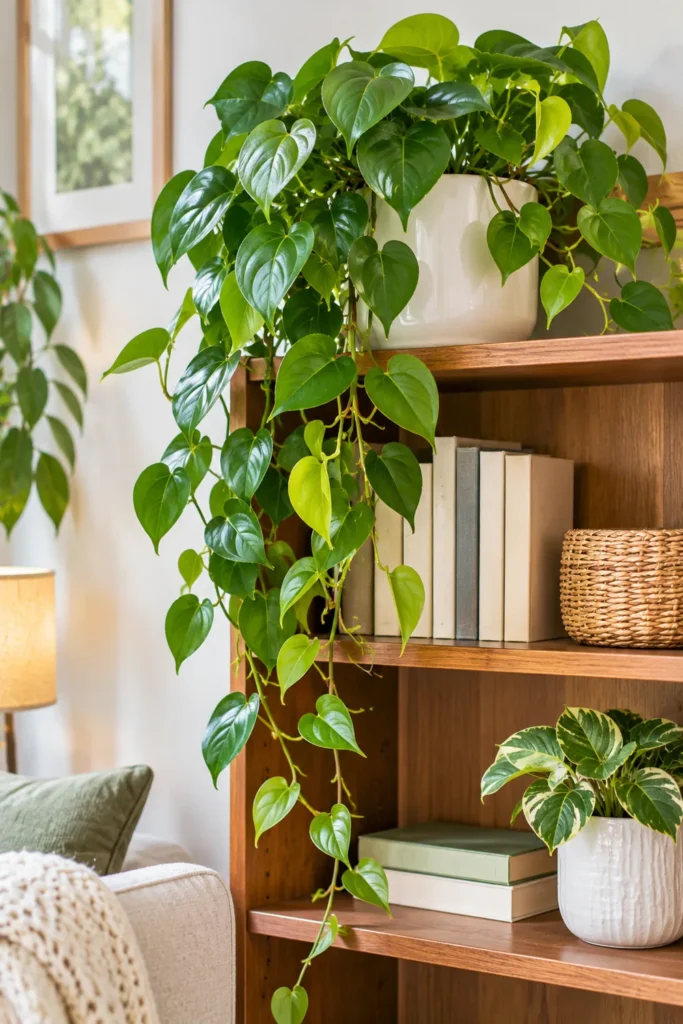
Heartleaf philodendron is one of the most forgiving houseplants you can own. Glossy, heart-shaped leaves trail from long stems, and the plant keeps growing in medium light, low light and the odd dry spell.
That easy nature makes it a good candidate for a light dose of coffee grounds, as long as you keep it small and occasional. Mix a spoonful of composted grounds into the potting soil when you repot, or work a pinch into the top inch of soil once in a while. Never leave a layer on the surface, where it can mold. The real secret to a full plant is light and regular trimming, which these tips on how to care for philodendron cover in detail.
Philodendron is toxic to cats and dogs if chewed.
Fresh Coffee Grounds vs Used Coffee Grounds
What they are: unbrewed coffee, higher in caffeine and acidity.
Keep in mind: the caffeine can slow plant growth, so skip them for plants.
What they are: what is left after brewing, close to neutral in pH.
Best for: compost piles, thin layers mixed into soil, and worm bins.
Quick facts: Evergreen trailing houseplant | Medium to low indirect light | Water when the top inch of soil is dry | Vines often 3 to 6 feet or longer indoors | Foliage all year | Shelves, hanging pots, desks, low light rooms
12. African Violet (Saintpaulia)
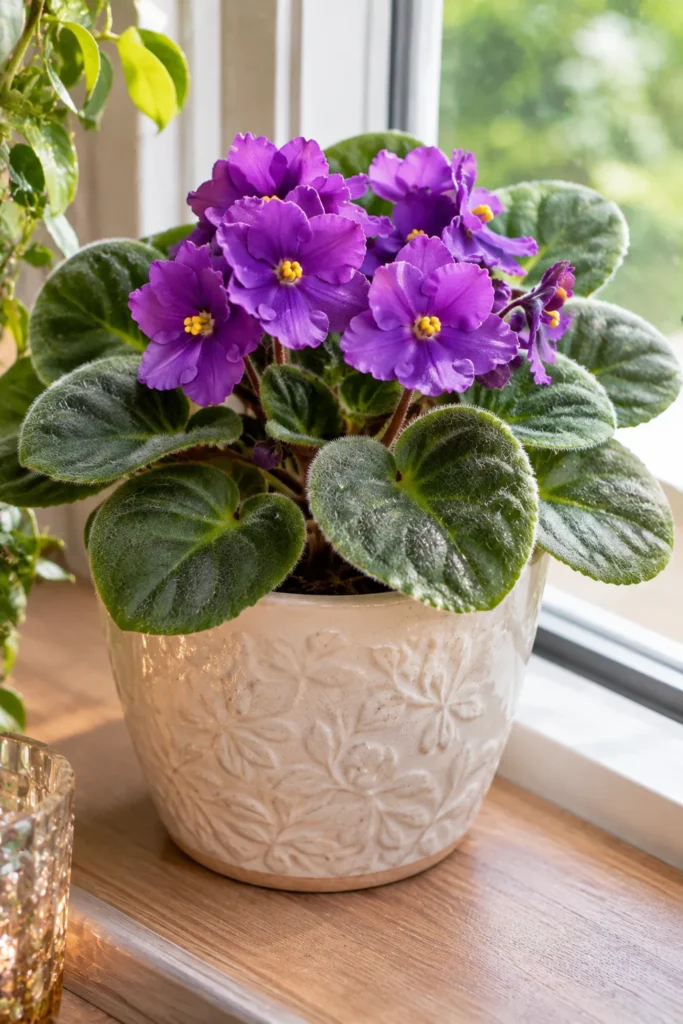
African violets pack a lot of color into a small pot. A rosette of fuzzy, rounded leaves holds clusters of purple, pink, blue or white flowers, and a happy plant blooms off and on all year.
They like a light, slightly acidic potting mix and gentle feeding, so coffee grounds can play a small part here. Keep it tiny. A pinch of composted grounds mixed into fresh African violet mix at repotting time is plenty. Anything more can make the mix heavy and wet, and these plants hate soggy roots. Water from the bottom with room temperature water, because cold water splashed on the fuzzy leaves can leave pale spots.
African violets are widely listed as safe for cats and dogs, which makes them an easy pick for a pet-friendly windowsill.
Quick facts: Evergreen flowering houseplant | Bright indirect light | Keep lightly moist, water from below | Typically 4 to 8 inches across | Flowers off and on all year | Windowsills, desks, small tables
How to Use Coffee Grounds on Plants Without Overdoing It
The plants on this list share one thing: they like rich soil, and coffee grounds help build it when you use them lightly. Compost is the safest route, because the grounds break down alongside leaves and other scraps into something every plant can use. If you add grounds straight to the garden, keep the layer thin, mix it into the soil or cover it with mulch, and go easy around houseplants. Grounds are a soil builder, not a fertilizer, so keep feeding plants their usual way. A few plants do better with no grounds at all.
| Keep grounds away from | Why | Better choice |
|---|---|---|
| Lavender, rosemary and thyme | They prefer lean, dry, fast-draining soil | Gritty soil with little or no added organic matter |
| Succulents and cacti | Grounds hold moisture around roots that want to dry out | A cactus and succulent potting mix |
| Seeds and young seedlings | Caffeine can hold back germination and early root growth | Finished compost once plants are established |
Coffee Grounds for Plants FAQ
Are coffee grounds acidic?
Used coffee grounds are only slightly acidic and are close to neutral. Most of the acid washes out during brewing, so the grounds will not noticeably lower your soil’s pH. Fresh, unbrewed grounds are more acidic, but they also carry more caffeine, so keep them out of the garden.
How often should I put coffee grounds on plants?
A light application a few times a season is plenty for outdoor beds. One extension soil scientist suggests working in no more than about half an inch of grounds, mixed into the top 4 inches of soil. Houseplants need far less, just a pinch or spoonful mixed into the soil now and then.
Can I put coffee grounds directly on the soil?
Yes, if you keep the layer thin. Spread a light dusting and rake it into the soil, or cover it with leaf or bark mulch. A thick layer on its own can dry into a crust that sheds water, and in pots it can grow mold. Composting first avoids both problems.
Which plants don’t like coffee grounds?
Plants that want lean, dry or fast-draining soil, such as lavender, rosemary, thyme, succulents and cacti, do better without grounds. Many gardeners also wonder whether jade plants like coffee grounds, and like most succulents, they prefer to skip them. Keep grounds away from freshly sown seeds too.
Are coffee grounds safe around dogs?
Not entirely. Used grounds still contain caffeine, and caffeine is toxic to dogs if they eat enough of it. Mix grounds well into the soil or compost, cover them with mulch, and keep bags or piles of grounds where dogs cannot reach them.
Conclusion
Coffee grounds will not work miracles, but they are a free and easy way to build richer soil, and the plants that like coffee grounds will repay you for it. Start with the compost pile, then add a thin layer around blueberries, roses, hostas and camellias. Mix a pinch into the potting soil of your peace lily, philodendron or African violet. Keep grounds away from lavender, succulents and new seeds, and skip the myths about acidity and blue hydrangeas. If you like turning kitchen scraps into garden gold, bokashi composting basics are worth a look next.
Save this for your next coffee and gardening morning.