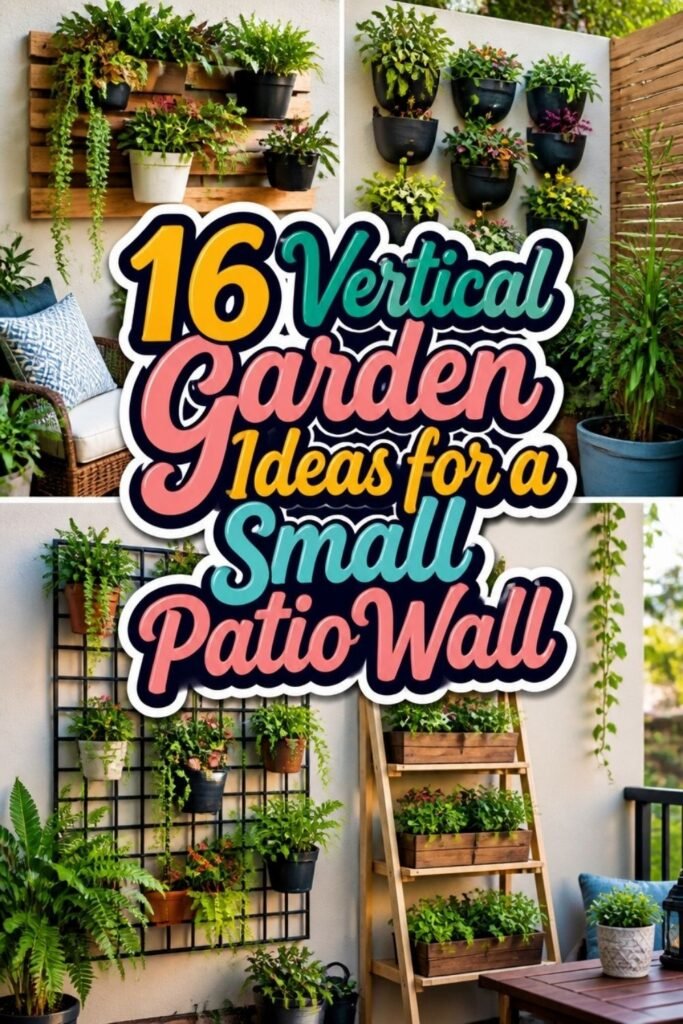
Limited patio walls might seem restrictive at first glance, but vertical gardening unlocks surprising possibilities. By thinking upward rather than outward, even the tiniest outdoor space can become lush and productive. The key lies in selecting methods that complement both your wall’s structure and the plants you hope to grow.
Living wall planters offer a modular approach, allowing you to arrange pockets of soil in grids or organic patterns. Hanging baskets bring movement and dimension at varying heights, while sturdy trellises invite climbing clematis and flowering vines to reach skyward. Pocket systems, meanwhile, excel at cradling shallow-rooted herbs and trailing petunias without demanding deep soil beds.
Succulents and drought-tolerant varieties thrive in vertical setups where drainage proves easier to control than in ground-level gardens.
Before installation, assess how sunlight travels across your wall throughout the day. Morning sun favors delicate herbs, whereas afternoon exposure suits hardier, sun-loving specimens.
Success ultimately depends on matching technique to condition. Masonry walls handle heavy trellises well, while lightweight panel systems suit fences or rendered surfaces.
With thoughtful planning, that modest patio boundary transforms into a thriving green feature.
Living Wall Planters: Instant Greenery, Minimal Floor Space

Living wall planters transform vertical surfaces into thriving gardens, addressing the common constraint of limited patio space. These systems utilize wall-mounted pockets, trellises, or modular panels to grow herbs, succulents, and flowering plants upward.
Popular options include felt pocket systems, tiered shelving units, and metal grid frameworks. Installation requires basic mounting hardware and access to sunlight. Watering demands increase due to vertical drainage, necessitating consistent maintenance schedules.
Hanging Baskets: Cascade Color Without Taking Up Ground

While wall planters anchor greenery to fixed surfaces, hanging baskets offer a different approach by suspending plants from overhead structures, such as pergolas, hooks, or beam attachments. Trailing varieties like petunias, ivy, and sweet potato vine cascade downward effectively. Baskets require regular watering due to increased evaporation. Materials include wire, plastic, and fabric options.
This method maximizes vertical space while keeping patios uncluttered.
Wall-Mounted Shelving: Stack More Plants in Limited Space

Because small patios demand efficient use of every surface, wall-mounted shelving provides a practical solution for displaying multiple plants vertically. Metal brackets, wooden shelves, and tiered stands accommodate various plant sizes and types. Lightweight options include succulents, pothos, and herbs.
Shelving maximizes sunlight exposure on south-facing walls while organizing plants by water needs and growth patterns.
Trellises for Climbing Vines: Grow Upward, Not Outward

Trellises serve as vertical structures that guide climbing vines upward, creating dense green walls in minimal floor space. Clematis, ivy, and honeysuckle grow well on wooden or metal trellises.
Installing trellises against patio walls or fences maximizes vertical gardening potential. These structures support plant weight while directing growth patterns, producing lush greenery without consuming valuable ground area.
Pocket Planters: Fabric Walls That Double Your Growing Zones

Pocket planters, also called living wall systems, attach to vertical surfaces and hold multiple small plants in fabric compartments. These modular panels maximize limited patio space by creating layers of greenery. Users can fill pockets with herbs, succulents, or trailing plants.
The fabric allows water drainage while roots remain contained. Installation requires wall-mounted frames, basic fasteners, and regular watering maintenance for ideal plant health.
Macramé Plant Hangers: Add Boho Style and Greenery

Macramé plant hangers offer an alternative solution for displaying plants in small patios while adding decorative texture to overhead spaces. These knotted holders suspend lightweight plants from pergolas, beams, or hooks. Cotton and jute varieties work well for succulents and trailing pothos.
The bohemian aesthetic complements outdoor décor while maximizing vertical space efficiently.
Vertical Herb Gardens: Fresh Cooking Ingredients on Your Wall

Growing herbs vertically on patio walls combines practicality with space efficiency, providing fresh basil, oregano, thyme, and mint within arm’s reach of the kitchen. Wall-mounted planters, pocket systems, and tiered shelving maximize limited space while reducing ground footprint.
Herbs require six to eight hours of sunlight daily and consistent moisture. This arrangement facilitates regular harvesting, improves air circulation, and simplifies maintenance tasks considerably.
Pallet Gardens: Repurpose Wood Into a Living Feature

Reclaimed wooden pallets offer an affordable and straightforward way to create vertical planting structures for small patios. Pallets accommodate herbs, succulents, and trailing plants through their natural slats.
Securing pallets to walls or fences requires proper fastening hardware. Landscape fabric lines the back, preventing soil spillage. This approach maximizes limited space while repurposing materials efficiently.
Succulent Walls: Low-Maintenance Beauty for Lazy Gardeners

Succulent plants represent an ideal choice for vertical garden installations on small patios, requiring minimal water, infrequent maintenance, and tolerating various light conditions. Sedums, echeveria, and jade varieties thrive in wall-mounted frames or pocket systems.
These plants store water in their leaves, reducing irrigation needs to monthly intervals. Drainage holes prevent root rot. Succulents suit sunny and partially shaded locations equally well. A wall-mounted planter system can maximize space while keeping the display visually striking. Vertical gardening can also benefit from stacked planters when you want to add more plants without taking up extra floor space.
Wood Slat Structures: Sturdy Support for Climbing Plants

While succulent walls offer low-maintenance vertical options, wood slat structures provide a practical framework for training climbing and vining plants upward on small patios. Cedar or pressure-treated lumber creates durable lattices that support clematis, ivy, or jasmine effectively. The spaces between slats allow air circulation and water drainage.
Wood structures require periodic staining or sealing to prevent rot and extend longevity across seasons. Adding vertical gardens can further maximize planting space by making use of fence and wall areas.
Hanging Rope Planters: Modern Minimalist Vertical Design

Hanging rope planters represent a contemporary approach to vertical gardening, combining aesthetic minimalism with functional plant display on limited patio space. These systems use natural or synthetic rope suspended from overhead structures, supporting multiple lightweight containers.
Suitable plants include pothos, string of pearls, and trailing succulents. Installation requires secure anchor points and proper weight distribution. This method maximizes vertical area while maintaining clean visual lines. Since container choice matters, using drainage holes can help prevent waterlogging and root rot in hanging planters.
Corner Shelves and Brackets: Reclaim Dead Patio Space

Corner shelves and brackets offer a practical solution for patios where floor space remains limited or already occupied. Metal L-brackets paired with wooden shelves create sturdy vertical storage.
Corner areas, typically unused, accommodate multiple planters holding herbs, succulents, or flowers. This approach maximizes growing space while maintaining patio functionality. Stainless steel brackets resist rust and weather exposure effectively.
Tiered Plant Towers: Stack Plants Vertically in Tight Spaces

Tiered plant towers function as compact structures that hold multiple planters at different heights, creating vertical gardens in confined patios. These towers, made from metal or wood, accommodate herbs, succulents, and trailing plants. They occupy minimal floor space while maximizing growing area.
Popular options include spiral towers and stackable pot systems, both suitable for small patios requiring efficient plant arrangement solutions.
Window Boxes: Extend Growing Space Beyond Ground Level

Window boxes offer a practical method for expanding planting capacity on small patios, utilizing wall space and window ledges that would otherwise remain unused. Metal, wood, and plastic options accommodate herbs, flowers, and trailing vegetables.
Mounting boxes directly below windows or along fence lines maximizes vertical growing area. Proper drainage prevents water damage to walls and foundations. Ornamental grasses can also add flowing movement and texture when used in compact patio plantings.
Which Plants Thrive on Vertical Walls?

Selecting the right plants determines whether a vertical garden succeeds or struggles on a patio wall. Sedums, ivy, and trailing pothos handle vertical conditions well. Shallow-rooted herbs like thyme and oregano adapt easily.
Ferns prefer shaded walls, while succulents tolerate sun exposure. Flowering plants such as calibrachoa and verbena provide color. Light availability and wall orientation guide plant selection choices. Vertical wall systems also work best with good drainage to prevent water pooling and keep roots healthy. For low-maintenance displays, echeveria and sedum are especially well suited to vertical succulent arrangements.
Watering and Feeding Wall-Mounted Gardens Year-Round

Because vertical gardens have limited soil volume and increased sun exposure, their watering needs differ greatly from traditional ground-level gardens. Check soil moisture daily, as containers dry quickly. Water deeply until it drains from bottom holes.
Feed monthly with balanced fertilizer during growing season. Reduce watering and feeding in winter months when plant growth slows markedly.
Frequently Asked Questions
How Much Weight Can a Patio Wall Safely Support for Vertical Garden Installations?
Most patio walls can safely support 10-25 pounds per square foot, depending on construction materials and structural integrity. One should consult a structural engineer or contractor to assess individual wall conditions before installation to ascertain safety.
What Is the Best Irrigation System for Maintaining Vertical Gardens in Hot Climates?
Drip irrigation systems prove most effective, delivering water directly to plant roots while minimizing evaporation. Automated timers and moisture sensors optimize watering schedules, ensuring consistent hydration during intense heat while reducing water waste considerably.
Do Vertical Gardens Attract More Pests Than Traditional Ground-Level Garden Setups?
Vertical gardens typically attract fewer pests than ground-level setups. For instance, a Seattle community garden found that elevated planters experienced 40% less aphid damage. Height naturally deters crawling insects while improving air circulation, reducing fungal issues and pest harborage.
How Do I Prevent Soil Erosion and Water Runoff in Vertical Wall Gardens?
One prevents soil erosion and water runoff in vertical wall gardens by installing drip irrigation systems, using well-draining soil mixes, and incorporating moisture-retentive materials like coconut coir. Proper backing layers and strategic plant selection further minimize water loss.
What Permits or Landlord Approval Is Needed for Installing Permanent Vertical Structures?
Before one drives the first nail, they must discover what their local building codes actually require. Most jurisdictions demand permits for permanent installations, while landlords typically require written consent—a step many overlook until too late.
Conclusion
A small patio wall transforms into a productive garden when layered with vertical solutions. Living walls, hanging baskets, trellises, and shelving systems stack plants upward, creating a dense tapestry of greenery without consuming floor space. Selecting appropriate plants for available light, paired with consistent watering schedules, guarantees sustained growth. This strategic approach converts limited outdoor areas into thriving green spaces, demonstrating that gardening success depends on vertical thinking rather than horizontal expansion.