
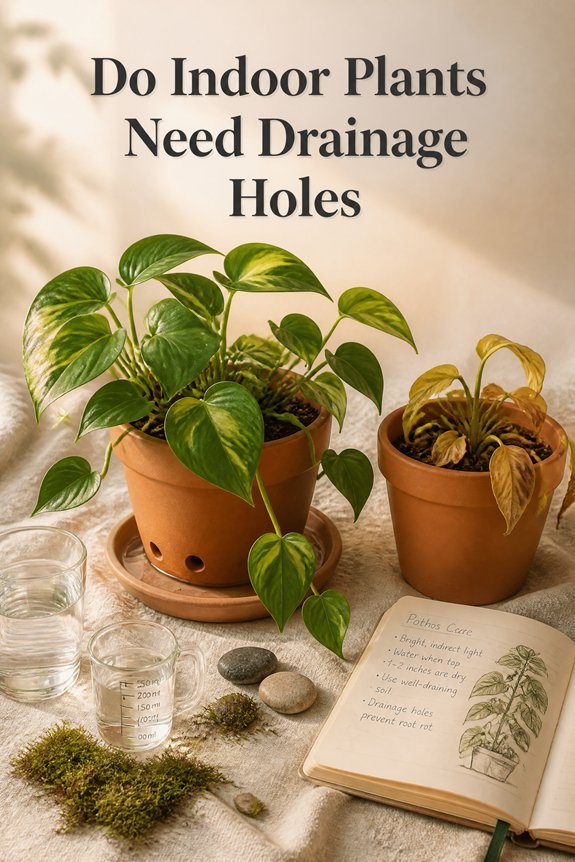
Most indoor plants genuinely benefit from drainage holes at the bottom of their containers. These holes allow excess water to escape rather than pooling around the roots. Without this simple feature, soil stays waterlogged for too long, which can suffocate root systems and invite fungal problems.
Succulents and orchids are particularly sensitive to moisture buildup. Their specialized root structures adapt to well-draining conditions, making them quick to rot in stagnant water. Even hardier houseplants like pothos or snake plants will struggle eventually if drainage remains poor.
That said, growing plants in pots without holes isn’t impossible. Some experienced gardeners layer materials like activated charcoal or pebbles at the base to create air pockets.
Others simply water more carefully, using precise amounts to avoid saturation.
The real challenge lies in balancing moisture without the safety net of drainage. It requires more attention and skill, but dedicated growers often find workarounds that suit their space and style.
Ultimately, success depends on understanding your plant’s needs and adjusting your routine accordingly.
Why Drainage Holes Actually Matter
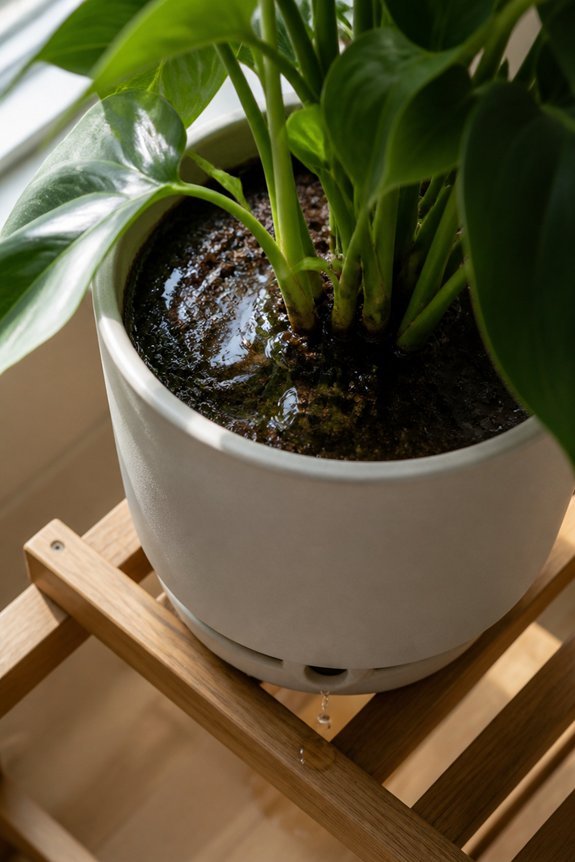
Water accumulation is one of the biggest threats to your indoor plants. Without drainage holes, water sits at the bottom of the pot. This creates the perfect environment for root rot, fungal infections, and bacterial growth. Your plant roots need oxygen to breathe. Constant moisture suffocates them.
Drainage holes let water escape freely after you water. This mimics how rainfall drains through soil layers in nature. Succulents, cacti, and orchids are especially at risk here. They evolved in dry environments and simply cannot handle wet feet.
Without proper drainage, guessing the right amount of water becomes nearly impossible. The soil stays wet for too long, and diseases take hold. Drainage holes act as your safety net against overwatering. They support healthier roots and stronger plants overall.
Also read: Why Is My Spider Plant Not Producing Babies
What Happens When Drainage Fails
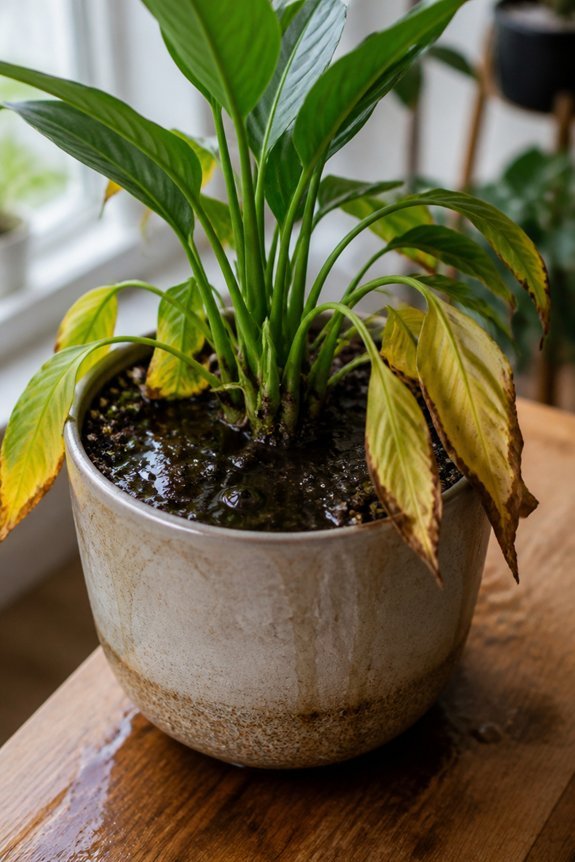
Blocked drainage holes spell trouble fast. Water sits in the soil instead of escaping. Plant roots suddenly can’t breathe.
Without oxygen, roots start dying. A fungal infection called root rot takes hold from the inside out. The root system slowly collapses.
Damaged roots stop working properly. They can’t pull up water or nutrients anymore. Leaves turn yellow and droop. Growth stalls completely.
The soil itself changes too. Anaerobic bacteria move in, creating a sour, unpleasant smell. Fungus gnats appear, thriving in the constant dampness.
Some plants suffer more than others. Succulents, snake plants, and peace lilies hate wet feet the most. They’re among the first to show damage.
Advanced root rot is hard to reverse. Most gardeners lose the plant at that stage. Good drainage from the start saves you this heartache entirely.
Your Watering Habits and Drainage Needs
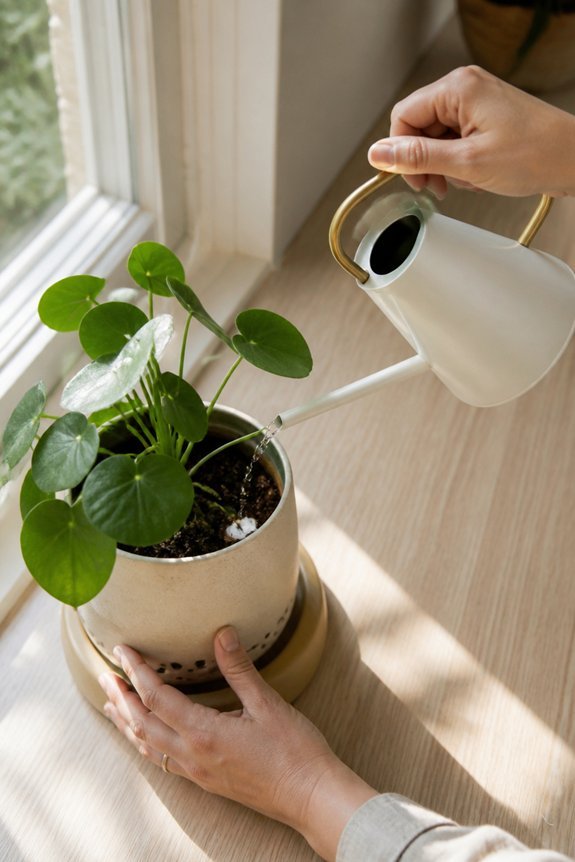
Drainage changes everything. Pots with holes let water escape fast. Your plants dry out quicker, so you’ll need to water more often. Skip the holes and moisture sticks around longer.
Watch your soil closely. Mixes with perlite or sand drain in a flash. You might water daily or every other day. Heavy, compact soil holds onto water, so weekly watering usually works fine.
Adjust to your setup. No drainage holes? Water less and keep soil light. Good drainage means you can be more generous. Seasons shift your rhythm too. Winter slows everything down. Summer heat ramps up the thirst. Check the soil and your plant’s looks. They’ll tell you what they need.
Best Soil for Drainage-Free Pots
Three ingredients work together to keep water from pooling at the bottom of drainage-free pots. Start with quality potting soil as your base. It drains better than garden soil and gives roots room to breathe.
Add perlite or orchid bark next. These create tiny air pockets throughout the mix. Water flows through instead of collecting where roots sit.
Finish with activated charcoal. It soaks up extra moisture and keeps odors away. You’ll need to change the water less often.
Try this blend: 40% potting soil, 30% perlite, 20% orchid bark, and 10% charcoal. It holds enough moisture for healthy roots without drowning them.
Pothos and snake plants do especially well in this mix. They’re forgiving if you occasionally overwater, making them perfect for containers without holes.
Plants in Decorative Containers (No Drainage)
Decorative pots without drainage holes present a specific challenge. They require careful plant selection and soil preparation to prevent root rot.
Plants suited for these containers include pothos, snake plants, and ZZ plants. These varieties tolerate drier conditions. Soil composition matters greatly. Use well-draining potting mix with perlite or orchid bark to reduce water retention. Watering frequency must decrease considerably. Excess moisture cannot escape the pot.
Many gardeners use the pot-within-pot method. Place a standard draining pot inside the decorative container. This approach allows water drainage while maintaining aesthetic appeal. Checking soil moisture before watering remains essential. This prevents overwatering that causes root damage. Decorative containers work best for drought-tolerant plants rather than moisture-loving species.
When You Can Safely Skip Drainage Holes
Succulents and cacti actually cope quite well without drainage holes. They need very little water and love dry soil. Their leaves and stems store water, so frequent watering isn’t necessary.
Bright, warm spots help soil dry fast, which reduces the need for drainage. Temporary displays like holiday centerpieces also work fine without holes since they only last a few weeks.
Self-watering systems and controlled misting are other safe options. Just keep an eye on things. Even with good conditions, soggy soil will harm roots if you’re not careful.
How to Fix Drainage Problems in Existing Pots
If your pot doesn’t have drainage holes, you have a few solid options to protect your plant’s roots.
The best fix is usually moving the plant to a pot with proper drainage. It takes a little effort, but your plant will thank you for it. You can also drill holes yourself if the pot is made of ceramic, plastic, or terracotta. Just grab the right drill bit for your material and go slow.
No tools handy? Try the double pot trick. Nest your draining plant pot inside the decorative one. Water can escape, and you still get the look you want.
Some people add a layer of pebbles or gravel at the bottom. It helps a bit, but standing water still sits there. Think of it as a band-aid, not a cure.
Frequently Asked Questions
Can I Drill Drainage Holes Into Ceramic or Terracotta Pots Without Breaking Them?
Yes, one can drill drainage holes into ceramic or terracotta pots without breaking them. Using a diamond-tipped drill bit at low speed with water cooling prevents cracking. The potter should start slowly from the bottom, applying gentle pressure to avoid structural damage.
How Often Should I Repot Plants to Refresh Soil Drainage Capacity?
Like a river requiring fresh channels to flow freely, plants benefit from repotting every 12-18 months. This refreshes compacted soil, restores drainage capacity, and prevents root suffocation. Fast-growing specimens may need annual repotting for ideal water movement.
Are Self-Watering Pots With Drainage Holes Better Than Traditional Drainage Pots?
Self-watering pots offer convenience through automated moisture management, while traditional drainage pots provide superior control and prevent overwatering issues. The choice depends on individual plant needs and user preference for hands-on care versus simplified maintenance.
What’s the Difference Between Drainage Holes and Drainage Layers in Pots?
Like doors versus hallways, drainage holes are direct passages allowing water to escape the pot’s bottom, while drainage layers—composed of rocks or perlite—sit inside, slowing water’s descent and preventing soil saturation before exit.
Can Moss Poles or Stakes Affect How Water Drains Through Soil?
Moss poles and stakes can potentially obstruct water flow through soil, creating barriers that redirect drainage. However, their impact remains minimal if proper spacing exists around the pole. Well-draining soil composition remains the primary factor determining effective water movement.
Conclusion
Drainage holes function as the plant’s safety valve, preventing water from pooling like a clogged sink. While most indoor plants require drainage to survive, certain situations—minimal watering schedules, well-draining soil amendments, or temporary placement—allow exceptions. Gardeners should prioritize drainage holes for succulents, orchids, and sensitive species. For decorative pots lacking holes, use them as outer containers only, placing drainage-equipped pots inside them.